Today makes four years since I took my shahada and became Muslim, even though it feels like a lifetime ago.
Below are some reflections and advices I’d give to new Muslims and the greater Muslim community as someone who accepted Islam:
More from Religion


MDZS is laden with buddhist references. As a South Asian person, and history buff, it is so interesting to see how Buddhism, which originated from India, migrated, flourished & changed in the context of China. Here's some research (🙏🏼 @starkjeon for CN insight + citations)
1. LWJ’s sword Bichen ‘is likely an abbreviation for the term 躲避红尘 (duǒ bì hóng chén), which can be translated as such: 躲避: shunning or hiding away from 红尘 (worldly affairs; which is a buddhist teaching.) (https://t.co/zF65W3roJe) (abbrev. TWX)
2. Sandu (三 毒), Jiang Cheng’s sword, refers to the three poisons (triviṣa) in Buddhism; desire (kāma-taṇhā), delusion (bhava-taṇhā) and hatred (vibhava-taṇhā).
These 3 poisons represent the roots of craving (tanha) and are the cause of Dukkha (suffering, pain) and thus result in rebirth.
Interesting that MXTX used this name for one of the characters who suffers, arguably, the worst of these three emotions.
3. The Qian kun purse “乾坤袋 (qián kūn dài) – can be called “Heaven and Earth” Pouch. In Buddhism, Maitreya (मैत्रेय) owns this to store items. It was believed that there was a mythical space inside the bag that could absorb the world.” (TWX)
1. LWJ’s sword Bichen ‘is likely an abbreviation for the term 躲避红尘 (duǒ bì hóng chén), which can be translated as such: 躲避: shunning or hiding away from 红尘 (worldly affairs; which is a buddhist teaching.) (https://t.co/zF65W3roJe) (abbrev. TWX)
2. Sandu (三 毒), Jiang Cheng’s sword, refers to the three poisons (triviṣa) in Buddhism; desire (kāma-taṇhā), delusion (bhava-taṇhā) and hatred (vibhava-taṇhā).
These 3 poisons represent the roots of craving (tanha) and are the cause of Dukkha (suffering, pain) and thus result in rebirth.
Interesting that MXTX used this name for one of the characters who suffers, arguably, the worst of these three emotions.
3. The Qian kun purse “乾坤袋 (qián kūn dài) – can be called “Heaven and Earth” Pouch. In Buddhism, Maitreya (मैत्रेय) owns this to store items. It was believed that there was a mythical space inside the bag that could absorb the world.” (TWX)

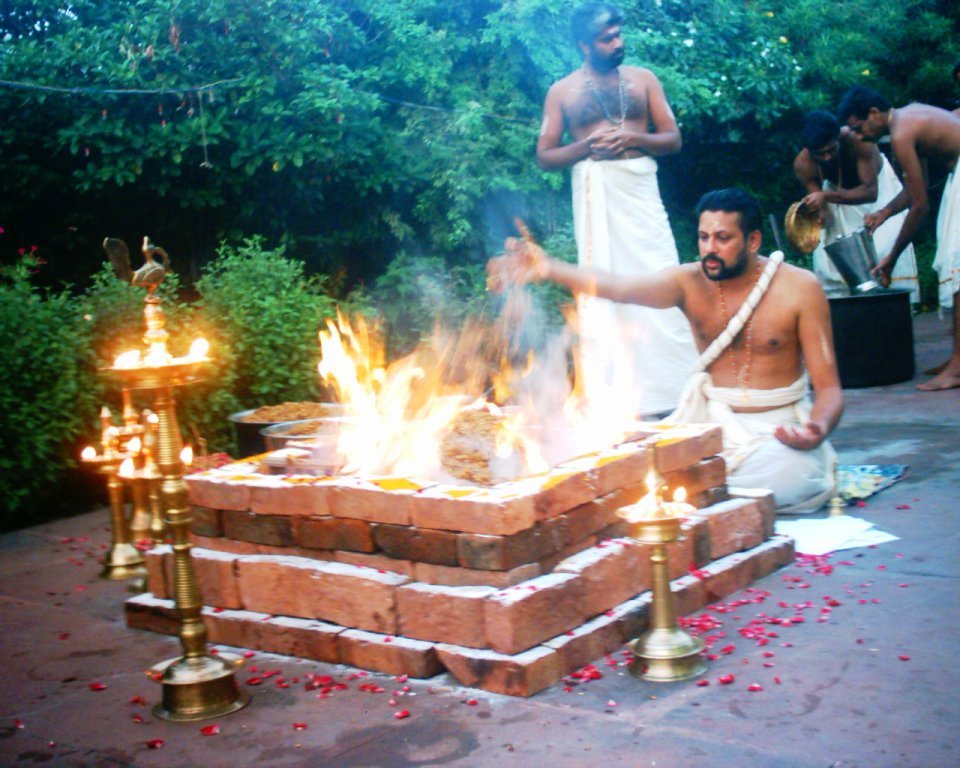

#BookExcerpts #Venkateshwara #Balaji
I will write a 3 part thread series with some interesting points from this book.
Part-1 : History of Tirumala & Venkateshwara Swamy
Part-2: Rituals & Prasada Procedure
Part-3: Historical records
Part-1 thread below
1/
Venkatachala Hill
Maha Vishnu wished for the mountain Krida / Krida Parvatham / Kridhachalam from Vaikunta to be brought to the earth for his avataram.
This was brought to earth by Garuda and Ananta & placed it on banks of river Swarna Mukhi
2/
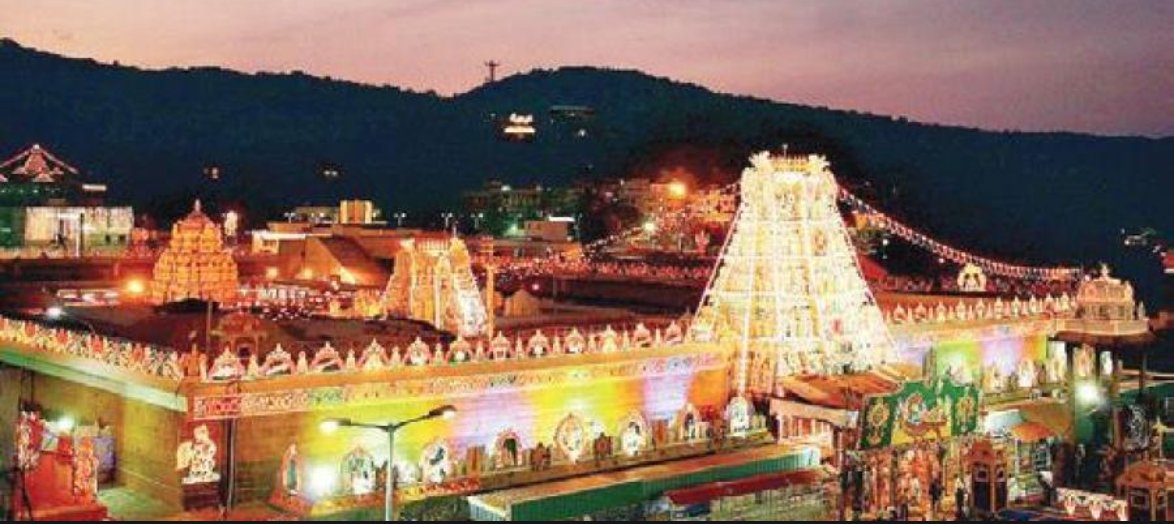
This is where current Tirumala temple is located. The fact that this was transported from Vaikunta is apparently a scientifically proven fact.
The scientific dating of the sedimentary rocks have confirmed the date to be around 120 million years ago..
3/
This timeline coincides with Swayambhu Manu manvanthara of the Sweta Varaha Kalpa which is the time when Swamy descended on earth in the form of Venkateshwara Swamy.
From a survey of flora and fauna, they have found rare species of plants & animals like golden gecko..
4/
that are exclusive to this hill range only and not found anywhere else in the world.
Tirumala hills are a range of 7 hills
1. Seshachala
2. Vedachala
3. Garudachala
4. Anjanachala
5. Vrishabhachala
6. Narayanachala
7. Venkatachala --> Where temple is present
5/
I will write a 3 part thread series with some interesting points from this book.
Part-1 : History of Tirumala & Venkateshwara Swamy
Part-2: Rituals & Prasada Procedure
Part-3: Historical records
Part-1 thread below
1/
#Books
— GunduHuduga| \u0c97\u0cc1\u0c82\u0ca1\u0cc1 \u0cb9\u0cc1\u0ca1\u0cc1\u0c97|\U0001f549 (@GunduHuDuGa) January 14, 2021
Thanks to Niranjan Raman again for this wonderful recommendation
Tirumala - Sacred Foods of God pic.twitter.com/dwiZDPI7W0
Venkatachala Hill
Maha Vishnu wished for the mountain Krida / Krida Parvatham / Kridhachalam from Vaikunta to be brought to the earth for his avataram.
This was brought to earth by Garuda and Ananta & placed it on banks of river Swarna Mukhi
2/
This is where current Tirumala temple is located. The fact that this was transported from Vaikunta is apparently a scientifically proven fact.
The scientific dating of the sedimentary rocks have confirmed the date to be around 120 million years ago..
3/
This timeline coincides with Swayambhu Manu manvanthara of the Sweta Varaha Kalpa which is the time when Swamy descended on earth in the form of Venkateshwara Swamy.
From a survey of flora and fauna, they have found rare species of plants & animals like golden gecko..
4/
that are exclusive to this hill range only and not found anywhere else in the world.
Tirumala hills are a range of 7 hills
1. Seshachala
2. Vedachala
3. Garudachala
4. Anjanachala
5. Vrishabhachala
6. Narayanachala
7. Venkatachala --> Where temple is present
5/