
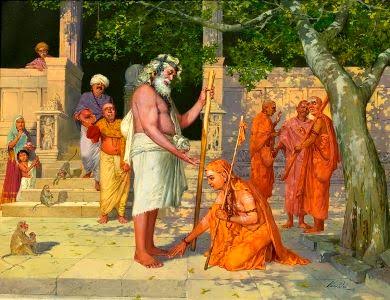
Adi Shankaracharya & Atma Shatakam🚩
ATMA SHATAKAM or NIRVANA SHATAKAM is a wonderful composition written by Jagadguru Adi Shankaracharya summarizing the basic teachings of Advaita Vedanta
When Adi Shankara was a young boy of eight and wandering near River Narmada.....
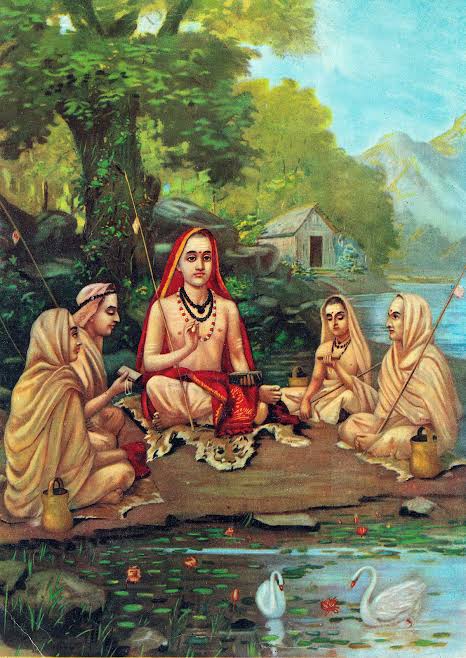
Here are the Versus
मनोबुद्ध्यहङ्कार चित्तानि नाहं
न च श्रोत्रजिह्वे न च घ्राणनेत्रे ।
न च व्योम भूमिर्न तेजो न वायुः
चिदानन्दरूपः शिवोऽहम् शिवोऽहम्
means👇
I am not the mind, intellect, ego or memory,
I am not the five elements, I am Shiva..

न वा सप्तधातुः न वा पञ्चकोशः ।
न वाक्पाणिपादं न चोपस्थपायु
चिदानन्दरूपः शिवोऽहम् शिवोऽहम् ॥२
I am not breath, matter, nor the 5 sheaths of consciousness, speech, the hands, or the feet, I am Shiva... I am Shiva...
मदो नैव मे नैव मात्सर्यभावः ।
न धर्मो न चार्थो न कामो न मोक्षः
चिदानन्दरूपः शिवोऽहम् शिवोऽहम् ॥३॥
There is no like or dislike in me, no greed,
pride, jealousy, no desire for wealth,
I am Shiva...I am Shiva...👇

न मन्त्रो न तीर्थं न वेदा न यज्ञाः ।
अहं भोजनं नैव भोज्यं न भोक्ता
चिदानन्दरूपः शिवोऽहम् शिवोऽहम् ॥४॥
No virtue, no pleasure, no mantras, no scriptures or rituals,
I am not the experienced,
I am Shiva...I am Shiva...👇

पिता नैव मे नैव माता न जन्मः ।
न बन्धुर्न मित्रं गुरुर्नैव शिष्यं
चिदानन्दरूपः शिवोऽहम् शिवोऽहम् ॥५॥
I have no fear of death, I have no father, no mother, for I was never born,
I am not a teacher nor a student,
I am Shiva...👇
@TempleTrails

विभुत्वाच्च सर्वत्र सर्वेन्द्रियाणाम् ।
न चासङ्गतं नैव मुक्तिर्न मेयः
चिदानन्दरूपः शिवोऽहम् शिवोऽहम् ॥६॥
I am devoid of duality, I exist everywhere,
I am not attached, or captive,
I am Shiva..
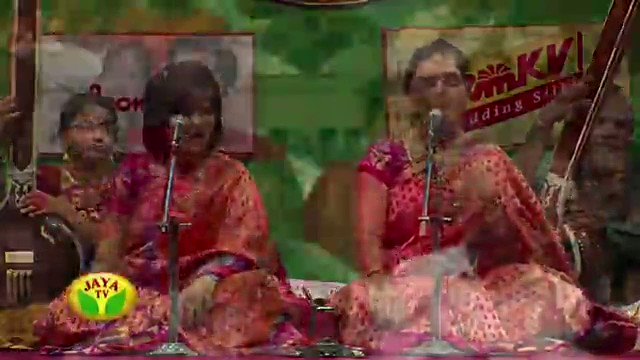
These are sung by Priya sisters, thanks to them too.

More from Anu Satheesh








More from Religion





You May Also Like

H was always unseen in S2NL :)
Those who exited at 1500 needed money. They can always come back near 969. Those who exited at 230 also needed money. They can come back near 95.
Those who sold L @ 660 can always come back at 360. Those who sold S last week can be back @ 301
Those who exited at 1500 needed money. They can always come back near 969. Those who exited at 230 also needed money. They can come back near 95.
Those who sold L @ 660 can always come back at 360. Those who sold S last week can be back @ 301
Sir, Log yahan.. 13 days patience nhi rakh sakte aur aap 2013 ki baat kar rahe ho. Even Aap Ready made portfolio banakar bhi de do to bhi wo 1 month me hi EXIT kar denge \U0001f602
— BhavinKhengarSuratGujarat (@IntradayWithBRK) September 19, 2021
Neuland 2700 se 1500 & Sequent 330 to 230 kya huwa.. 99% retailers/investors twitter par charcha n EXIT\U0001f602




I'm going to do two history threads on Ethiopia, one on its ancient history, one on its modern story (1800 to today). 🇪🇹
I'll begin with the ancient history ... and it goes way back. Because modern humans - and before that, the ancestors of humans - almost certainly originated in Ethiopia. 🇪🇹 (sub-thread):
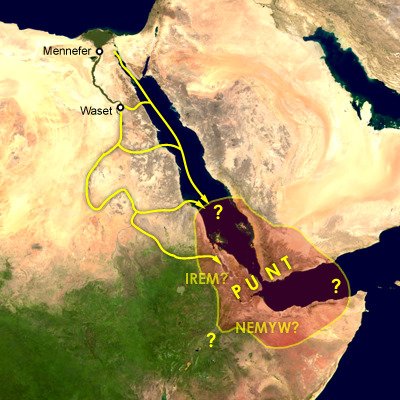
The first likely historical reference to Ethiopia is ancient Egyptian records of trade expeditions to the "Land of Punt" in search of gold, ebony, ivory, incense, and wild animals, starting in c 2500 BC 🇪🇹
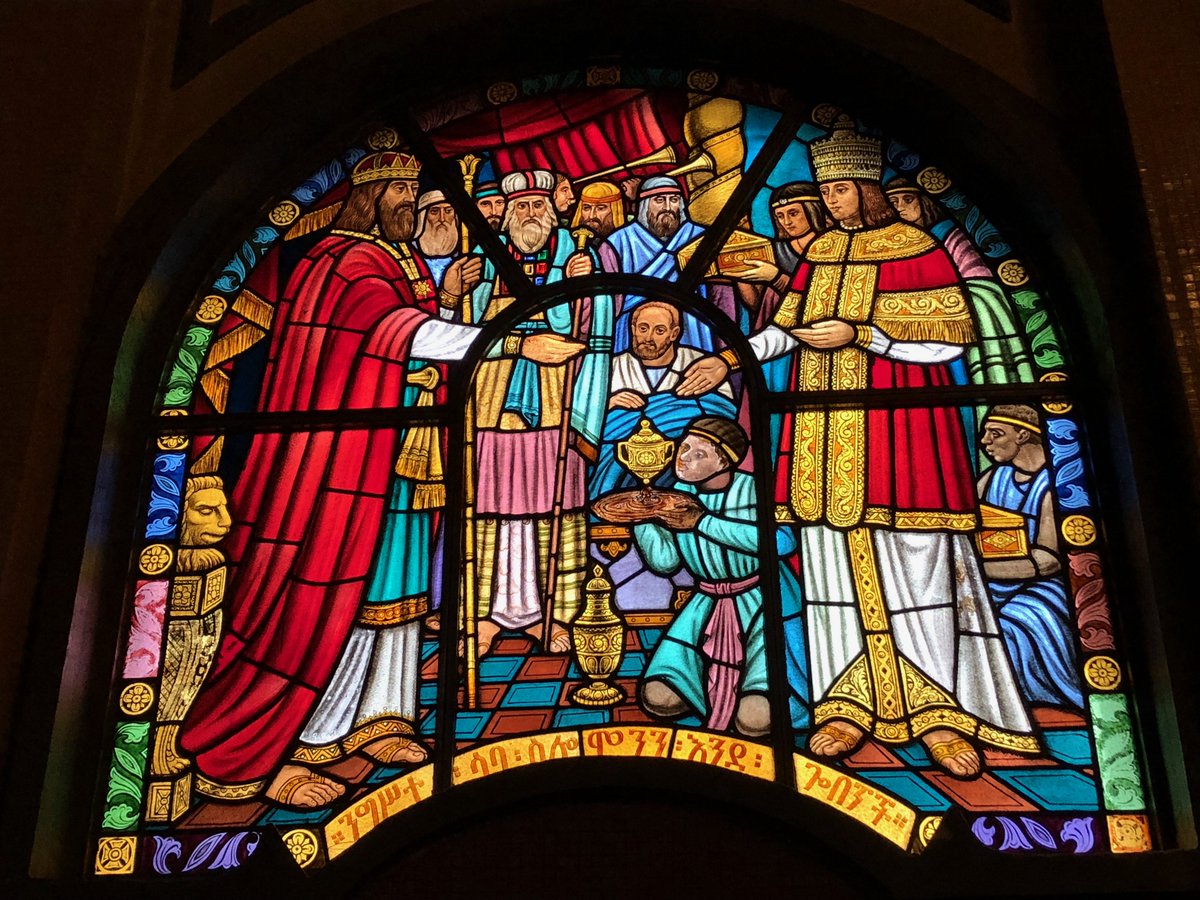
Ethiopians themselves believe that the Queen of Sheba, who visited Israel's King Solomon in the Bible (c 950 BC), came from Ethiopia (not Yemen, as others believe). Here she is meeting Solomon in a stain-glassed window in Addis Ababa's Holy Trinity Church. 🇪🇹
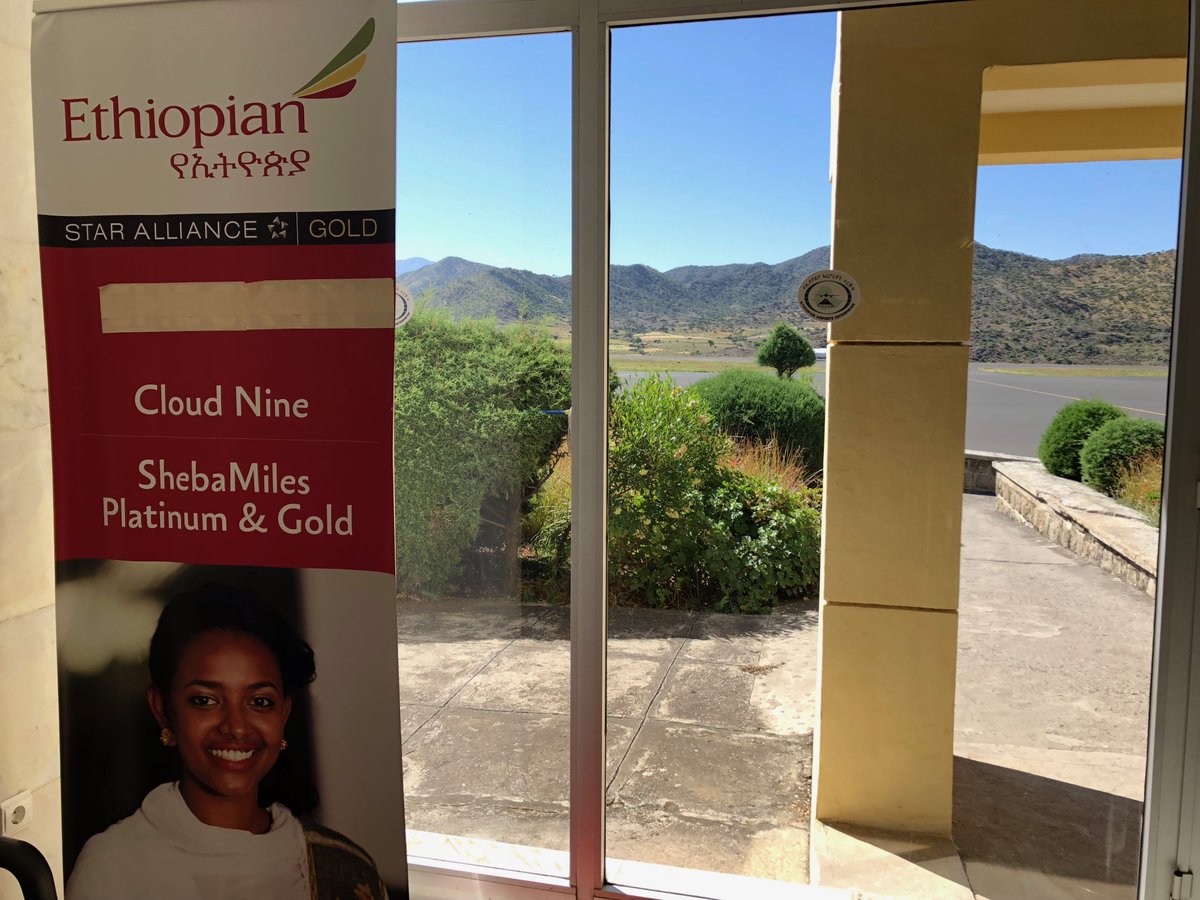
References to the Queen of Sheba are everywhere in Ethiopia. The national airline's frequent flier miles are even called "ShebaMiles". 🇪🇹
I'll begin with the ancient history ... and it goes way back. Because modern humans - and before that, the ancestors of humans - almost certainly originated in Ethiopia. 🇪🇹 (sub-thread):
The famous \u201cLucy\u201d, an early ancestor of modern humans (Australopithecus) that lived 3.2 million years ago, and was discovered in 1974 in Ethiopia, displayed in the national museum in Addis Ababa \U0001f1ea\U0001f1f9 pic.twitter.com/N3oWqk1SW2
— Patrick Chovanec (@prchovanec) November 9, 2018
The first likely historical reference to Ethiopia is ancient Egyptian records of trade expeditions to the "Land of Punt" in search of gold, ebony, ivory, incense, and wild animals, starting in c 2500 BC 🇪🇹
Ethiopians themselves believe that the Queen of Sheba, who visited Israel's King Solomon in the Bible (c 950 BC), came from Ethiopia (not Yemen, as others believe). Here she is meeting Solomon in a stain-glassed window in Addis Ababa's Holy Trinity Church. 🇪🇹
References to the Queen of Sheba are everywhere in Ethiopia. The national airline's frequent flier miles are even called "ShebaMiles". 🇪🇹