Lesser Known Fact:

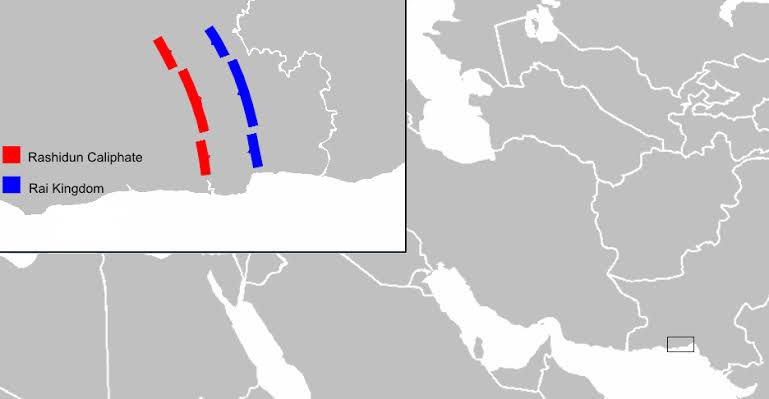
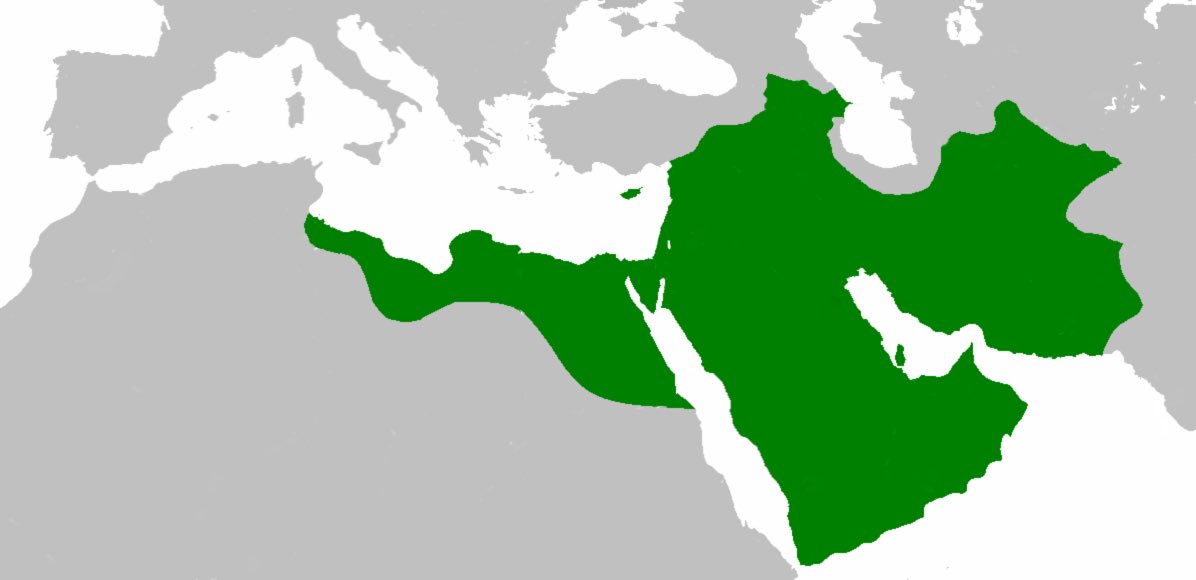
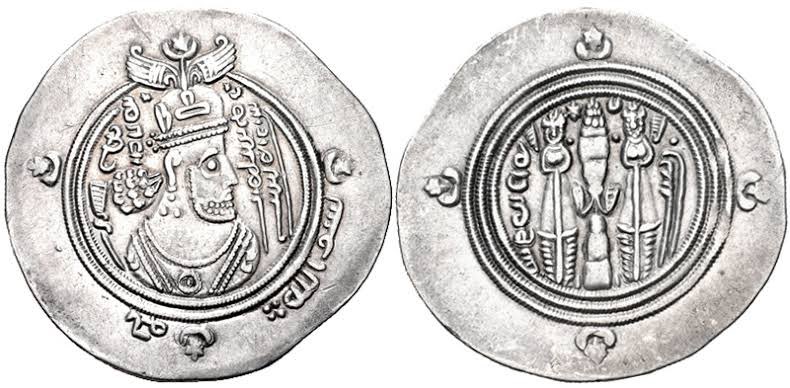
Though it is believed that Pakistan’s first contact with Islam happened 711 CE with the conquest of Sind, Islam had touched the Indus region as early as the 640s during the caliphate of Umer R.A.

Thread on the early contacts of the Indus with Islam 1/n

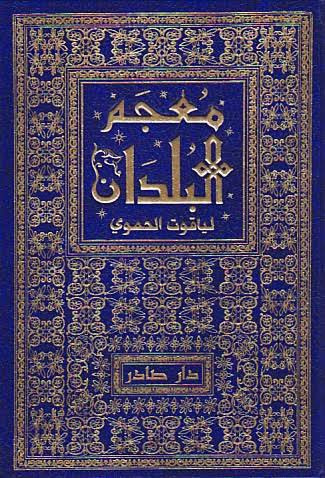
As noted by Yaqut’s book ‘Mujam Al Buldan’, the Caliph’s intentions of spreading Islam in South Asia had been made as early as 634 CE.

The process of the first invasion upon the Indus region began in 641/‘42 CE when even after defeating the Sassanians at -
At the battle of Navahand, the Sassanid empire didn’t fully come under Muslim control and many provincial governors declared independence. So a large mobilisation of Muslim troops took place with 5 armies under 5 generals for 5 different places; one of which was Makran.
Shortly after the fall of the city of Isfahan, Abdullah Bin Utban (one of the men involved) marched towards the region of Kirman. The armies fought steadily with the locals of Kirman who were eventually routed and the city of Zaranj in modern Afghanistan was taken.
At this point, the Muslims made a treaty with the people of Kirman and the armies descended south to meet with the already present and arriving auxiliary forces strengthened near the border of Makran, preparing for the first thrust towards the Indus.
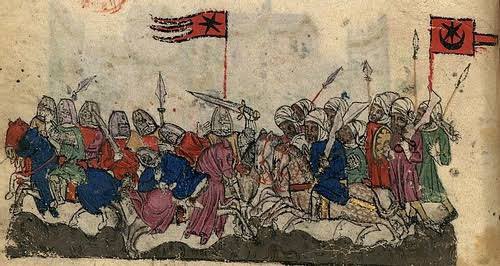
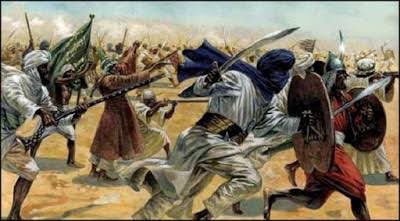
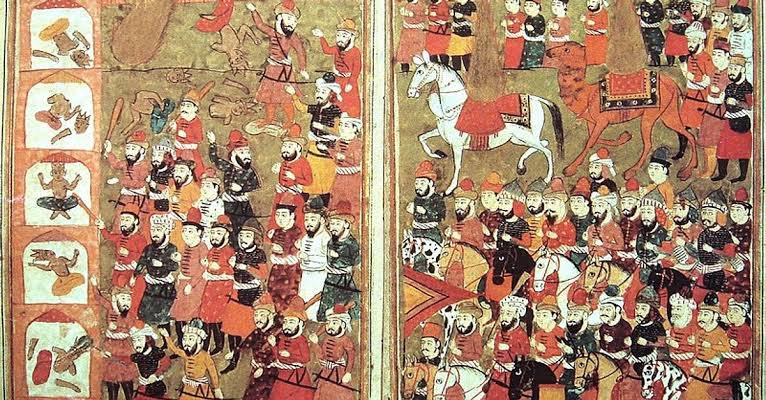
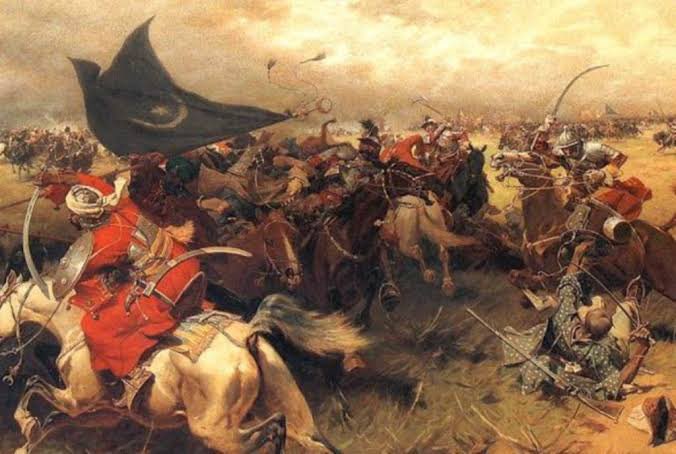
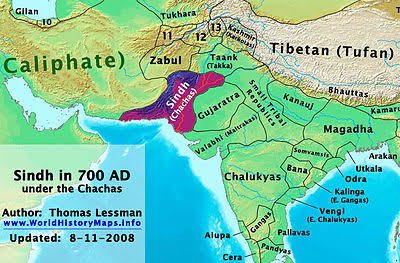
In 643, the Muslim armies entered into the Indus region to battle Imperial Sind. The onslaught to come is known as the Battle of Rasil where a formidable Muslim army faced a gigantic force of Men and Elephants from Imperial Sind and Makran.
The Indus force and their defence is noted as ‘impregnable’ but as it is known, the early Muslim armies were also indomitable.
After a long battle the Muslim armies won and the defeated army was chased towards the Indus River which they managed to cross.
The difficulty of the battle and the gritty resistance offered by the people of the Indus (Pakistan) is attested by the conversation which took place b/w the Caliph Umer and the messenger sent by the victorious general.

The messenger described southern Pakistan as such: “It’s -
“- Plains are mountainous, water supply is scanty and dates are of inferior quality. The enemies are bold. The good (coming from the area) is little, but it’s evil if enormous. A large army appears to be small there and a small one will be lost. Beyond that region, worse awaits.”
So the victorious general who had sent for the messenger to acquire permission for further advance into the Indus region was denied by the Caliph Hazarat Umar R.A. from further advance. Though due to this campaign, Makran became the first area from Pakistan to joint the caliphate
Due to this campaign we also hear of the companions of the prophet in modern Pakistan which I shall narrate as received:

[Abd Allah b. Abd Allah b. Utban, Asim b. Amr Al Tamimi, Suhar b. Al Abdi, Suhail b. Adi, Al Hakam b. Al Thaqafi.]
The people of this region were also not of the most tame kind. They revolted later on and refused to pray tribute until another large campaign was sent into southern Pakistan shortly after in the era of Usman R.A.
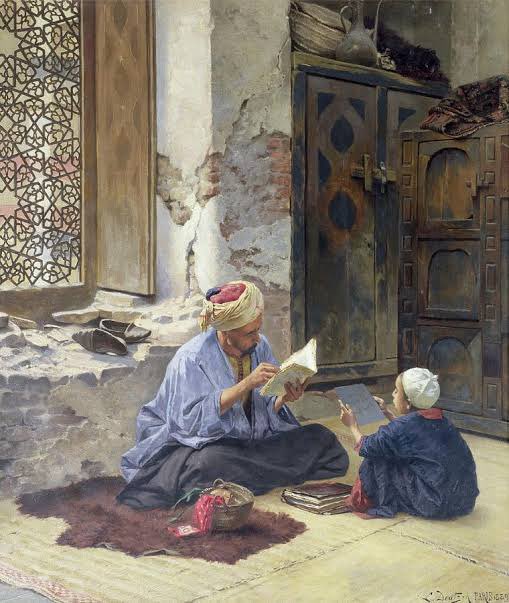
The consequence of such border raids was the acquisition of war prisoners and due to the treatment given to slaves in that era, many captured men from Pakistan would later go on to become excellent theologians in the golden era. Some would even tutor the likes of Tirmidhi. https://t.co/gkBW1ja090
Though southern Pakistan wasn’t the only one to come in contact with Islam in the 600s.

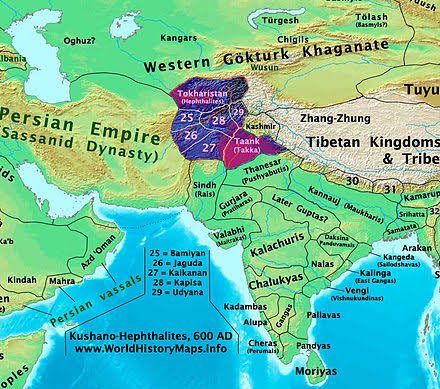
We hear of the General Al Muhallab who penetrated into modern day KPK in 664. The annals of history record 3 names; Al Kikan, Al Bannah and Al Ahwar. The first name is taken for Kabul,
The second name is taken for Bannu however it is uncertain just what is Al Ahwar. Some historians believe it to be Lahore, which means the Muslim army penetrated well into Punjab in the Takka Kingdom which was the Pre Islamic Punjabi kingdom over western Punjab.
However Al Ahwar could also be Chotta Lahore or Lahur, a village in Swabi in KPK where in the ancient times men like Panini (considered the father of linguistics) and Marananta (who spread Buddhism in Korea) were born.
Either way, Muhallab’s raid into the erstwhile Gandhara opened another door for Islam since we see certain Islamic preachers buried in the vicinity of the Waziristan region.
There was another man, Muhammad bin Alafi. Him and his tribe deserted the Ummayyads in Makran and took refuge with Raja Dahir. He is credited to have created mosques and preached Islam in pre Islamic Indus Valley. He fought against Bin Qasim for Dahir but later deserted him -
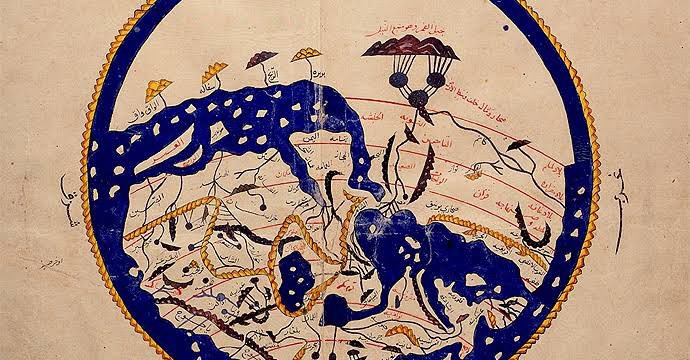
And shifted north into the Takka kingdom. His descendants are believed to have settled somewhere b/w northern Punjab and Kashmir which is one of the reasons an early Islamic book signifying Qibla direction of area also included Kashmir.
The point of this thread is the fact that apathy and ignorance towards history as we see in Pakistan doesn’t just collude to the pre Islamic era, a lot of Islamic history is also veiled in the process.

If you liked it, share it :)

More from Religion

Assalam Alaiki dear Sister in Islam. I hope this meets you well. Hope you are keeping safe in this pandemic. May Allah preserve you and your beloved family. I would like to address the misconception and misinterpretation in your thread. Please peruse the THREAD below.


1. First off, a disclaimer. Should you feel hurt by my words in the course of the thread, then forgive me. It’s from me and not from Islam. And I probably have to improve on my delivery. And I may not quote you verbatim, but the intended meaning would be there. Thank You!

2. Standing on Imam Shafii’s quote: “And I never debated anyone but that I did not mind whether Allah clarified the truth on my tongue or his tongue” or “I never once debated anyone hoping to win the debate; rather I always wished that the truth would come from his side.”

3. Okay, into the meat (my love for meat is showing. Lol) of the thread. Even though you didn’t mention the verse that permitted polygamy, everyone knows the verse you were talking about (Q4:3).


4. Your reasons for the revelation of the verse are strange. The first time I came across such. I had to quickly consult the books on the exegeses or tafsir of the Quran written by renowned specialists!
Tripundra Dhaaran - Paapa Vimukti

Our generations are fascinated about Tripundram being just a religious symbol. There are in depth meanings of such a Tilak on a Seeker's Forehead


The very first mistake is the way it is applied.

Tripund isn't applied with dry Bhasm, it should be made wet and then applied in a prescribed manner with proper use of fingers and direction of application. Bhasm is collected from various sources


The most important ones mentioned in upanishats are 1. Yagnya Kund Bhasm 2. Bhasm made from Cow's Dung alone. A special agnihotram was perform to save the Bhasma after that for Dhaarana. A major mantra while applying bhasm is Mrutyunjaya Mantra


Dwijas have a very long process of applying the Tripundram along with their Sandhyavandanam. For commoners there are some basic rules people have to follow while applying Bhasm


Bhasm Applied in Morning - Should be mixed with water and applied
Bhasm Applied during Afternoon - Should be mixed with Chandan and Applied
Bhasm Applied during and after Pradosh - Should be applied Dry as such
"Hinduism was one of the world's most easy-going faith traditions, famed for it's non-persecutory history."

I can assure you, it is NOT.

It is neither easy-going, nor non-persecutory. In fact it is the very opposite.

Thread.


Modern Hinduism is a British colonial concept, created in concert with Brahmins, who are at the "apex" of the caste system. The word "Hindoo" in fact, is of Persian origin, meaning a person who lives in the Indus valley.

Colonialists who attempted to study Indian religion in the 18th century (NOT, at the time, Hinduism) were baffled by it. Strata of people living distinctly (the caste system) with overlapping gods didn't fit into their Judeo-Christian understanding of religion.

Which has an ecclesiastical authority, a holy book etc., which Indian religions lacked. In studying "The Hindoo", colonialists prioritized textual sources of knowledge, which is where Brahmins, the priestly caste with a monopoly over education/text come in.

Brahminism was a distinct "religion" (although i don't really want to use the term in this way) that was frankly terrorized of other castes. In fact, the very basis of Brahminism is oppression. Brahmins had scholars who recorded *Brahminical* canon textually.

You May Also Like

महाभारत की कहानी कौन नहीं जानता।लेकिन क्या आपको पता है कि महाभारत के ज्यादातर पात्र किसी न किसी श्राप में फंसे थे।अगर ये श्राप न होते तो कदाचित महाभारत की कहानी कुछ और होती।हिन्दु पौराणिक ग्रंथों में विभिन्न श्रापों का वर्णन मिलता है व हर श्राप के पीछे कोई कहानी अवश्य होती है।


आइए आज जानते हैं महाभारत कथा में वर्णित कुछ श्रापों के बारे में।

1) राजा पाण्डु को ऋषि किन्दम का श्राप

एकबार महाराज पाण्डु शिकार खेलने वन गए।झाडियों के पीछे कुछ हिल रहा था। मृग है सोचकर राजा ने बाण चलाया जो जाकर ऋषि किन्दम और उनकी पत्नी को लगा।वे दोनो रति-क्रीड़ा में लिप्त थे।

जब राजा ने उन्हें देखा तो बहुत दुखी हुए कि ये मुझसे क्या पाप हो गया।बहुत क्षमा याचना के बाद भी किन्दम ऋषि ने पाण्डु को श्राप दे दिया कि जब भी वो किसी स्त्री को काम भावना से स्पर्श करेंगे उसी क्षण उनकी मृत्यु हो जाएगी।पश्चाताप करने, वे सिंहासन पे अन्धे राजा धृतराष्ट्र को बैठाकर...


..स्वयं अपनी रानियों कुंती व माद्री के साथ वन चले गए।पांडवों का जन्म भी कुंती को ऋषि दुर्वासा द्वारा दिए गए मंत्र से हुआ था जिसमे किसी भी देव का स्मरण कर उस देव से कुंती,पुत्र प्राप्त कर सकती थी।एक बार माद्री पे मोहित हो जब पांडु ने उसे स्पर्श किया,उसी क्षण पांडु की मृत्यु होगयी।


2) उर्वशी का अर्जुन को श्राप

महाभारत युद्ध से पहले जब अर्जुन दिव्यास्त्र प्राप्त करने स्वर्ग गए तो वहां उर्वशी नाम की अप्सरा उन पर मोहित हो गयी। अर्जुन ने जब उन्हें अपनी माता के समान बताया तो यह सुनकर उर्वशी क्रोधित हो गयी और अर्जुन को श्राप दे डाला कि तुम नपुंसक की भांति...