
15 uncomfortable truths about life people learn to late:
- like and rt the first tweet
- follow me @WrittenN0tes
More from Written Notes

15 of the most useful websites you‘ve probable never heared of:
1. 10 Minute Mail
Create a temporary, disposable email address for those times you want to subscribe to a site but you don’t want the future spam.
https://t.co/KQf36kiOEI

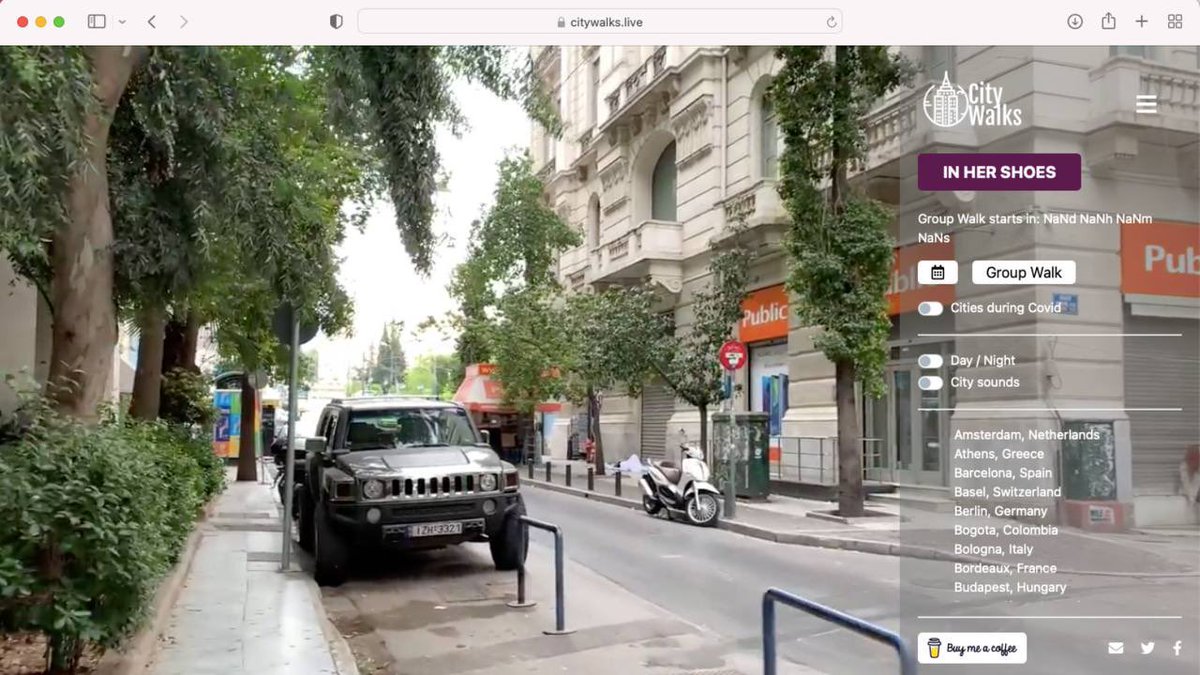
2. City Walks
Virtually travel the world without leaving your home.
https://t.co/jOsEMrbXKT
3. Open Peeps
Mix and match over 584,688 combinations to create your own Peep character with this free hand-drawn illustration library.
https://t.co/JXmE9dNOM0

4. TinyWow
A free, easy to use, all-in-one tool to help solve all of your file problems.
https://t.co/LmG1ezv7Yw

1. 10 Minute Mail
Create a temporary, disposable email address for those times you want to subscribe to a site but you don’t want the future spam.
https://t.co/KQf36kiOEI
2. City Walks
Virtually travel the world without leaving your home.
https://t.co/jOsEMrbXKT
3. Open Peeps
Mix and match over 584,688 combinations to create your own Peep character with this free hand-drawn illustration library.
https://t.co/JXmE9dNOM0
4. TinyWow
A free, easy to use, all-in-one tool to help solve all of your file problems.
https://t.co/LmG1ezv7Yw




More from Principles


Shared a lot of wins publicly in 2021, so it feels appropriate to share the losses just as publicly.
Here are my 10 biggest Ls from 2021 (and what I learned from each one):
Dopamine Addiction
Humans were not made for social media—the dopamine hits are dangerous.
I fell victim.
On several occasions, I found myself constantly refreshing my notifications on a viral thread.
It was gross.
I’m learning to physically force separation to avoid it.
Hustle Culture Fail
I spent the better part of the last decade as a hustle culture aficionado.
Then I burned myself out and was totally incapable of thinking creatively.
I made a change. Now I:
• Work like a lion
• Sleep 8 hours
• Take more walks
My life & work have 10Xed.
Solana Fail
I invested in Solana early and was riding high when it hit $30+ in April—10X+ on my investment.
I sold it and thought I was the next Warren Buffett.
Then it hit $100, $200, & $250—as I stubbornly sat on the sidelines refusing to re-enter.
I am not Warren Buffett.
The Hedonic Treadmill
I tweeted this in May—and then failed to practice what I preached.
Every win felt a bit less exciting. It’s part of our biology, but it was no way to live.
Measure internally, not externally.
Here are my 10 biggest Ls from 2021 (and what I learned from each one):
Dopamine Addiction
Humans were not made for social media—the dopamine hits are dangerous.
I fell victim.
On several occasions, I found myself constantly refreshing my notifications on a viral thread.
It was gross.
I’m learning to physically force separation to avoid it.
Hustle Culture Fail
I spent the better part of the last decade as a hustle culture aficionado.
Then I burned myself out and was totally incapable of thinking creatively.
I made a change. Now I:
• Work like a lion
• Sleep 8 hours
• Take more walks
My life & work have 10Xed.
Solana Fail
I invested in Solana early and was riding high when it hit $30+ in April—10X+ on my investment.
I sold it and thought I was the next Warren Buffett.
Then it hit $100, $200, & $250—as I stubbornly sat on the sidelines refusing to re-enter.
I am not Warren Buffett.
The Hedonic Treadmill
I tweeted this in May—and then failed to practice what I preached.
Every win felt a bit less exciting. It’s part of our biology, but it was no way to live.
Measure internally, not externally.
The Hedonic Treadmill is real.
— Sahil Bloom (@SahilBloom) May 21, 2021
Humans have a tendency to quickly return to a baseline level of happiness after positive events.
Step off the treadmill.
Focus on increasing your happiness baseline, not on the height or frequency of the spikes above it.
You May Also Like










#ஆதித்தியஹ்ருதயம் ஸ்தோத்திரம்
இது சூரிய குலத்தில் உதித்த இராமபிரானுக்கு தமிழ் முனிவர் அகத்தியர் உபதேசித்ததாக வால்மீகி இராமாயணத்தில் வருகிறது. ஆதித்ய ஹ்ருதயத்தைத் தினமும் ஓதினால் பெரும் பயன் பெறலாம் என மகான்களும் ஞானிகளும் காலம் காலமாகக் கூறி வருகின்றனர். ராம-ராவண யுத்தத்தை
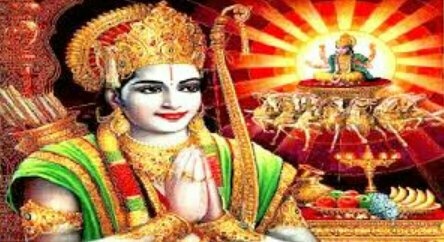
தேவர்களுடன் சேர்ந்து பார்க்க வந்திருந்த அகத்தியர், அப்போது போரினால் களைத்து, கவலையுடன் காணப்பட்ட ராமபிரானை அணுகி, மனிதர்களிலேயே சிறந்தவனான ராமா போரில் எந்த மந்திரத்தைப் பாராயணம் செய்தால் எல்லா பகைவர்களையும் வெல்ல முடியுமோ அந்த ரகசிய மந்திரத்தை, வேதத்தில் சொல்லப்பட்டுள்ளதை உனக்கு
நான் உபதேசிக்கிறேன், கேள் என்று கூறி உபதேசித்தார். முதல் இரு சுலோகங்கள் சூழ்நிலையை விவரிக்கின்றன. மூன்றாவது சுலோகம் அகத்தியர் இராமபிரானை விளித்துக் கூறுவதாக அமைந்திருக்கிறது. நான்காவது சுலோகம் முதல் முப்பதாம் சுலோகம் வரை ஆதித்ய ஹ்ருதயம் என்னும் நூல். முப்பத்தி ஒன்றாம் சுலோகம்
இந்தத் துதியால் மகிழ்ந்த சூரியன் இராமனை வாழ்த்துவதைக் கூறுவதாக அமைந்திருக்கிறது.
ஐந்தாவது ஸ்லோகம்:
ஸர்வ மங்கள் மாங்கல்யம் ஸர்வ பாப ப்ரநாசனம்
சிந்தா சோக ப்ரசமனம் ஆயுர் வர்த்தனம் உத்தமம்
பொருள்: இந்த அதித்ய ஹ்ருதயம் என்ற துதி மங்களங்களில் சிறந்தது, பாவங்களையும் கவலைகளையும்
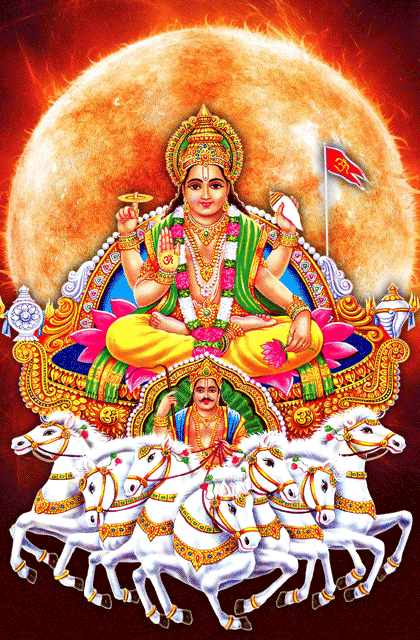
குழப்பங்களையும் நீக்குவது, வாழ்நாளை நீட்டிப்பது, மிகவும் சிறந்தது. இதயத்தில் வசிக்கும் பகவானுடைய அனுக்ரகத்தை அளிப்பதாகும்.
முழு ஸ்லோக லிங்க் பொருளுடன் இங்கே உள்ளது https://t.co/Q3qm1TfPmk
சூரியன் உலக இயக்கத்திற்கு மிக முக்கியமானவர். சூரிய சக்தியால்தான் ஜீவராசிகள், பயிர்கள்
இது சூரிய குலத்தில் உதித்த இராமபிரானுக்கு தமிழ் முனிவர் அகத்தியர் உபதேசித்ததாக வால்மீகி இராமாயணத்தில் வருகிறது. ஆதித்ய ஹ்ருதயத்தைத் தினமும் ஓதினால் பெரும் பயன் பெறலாம் என மகான்களும் ஞானிகளும் காலம் காலமாகக் கூறி வருகின்றனர். ராம-ராவண யுத்தத்தை
தேவர்களுடன் சேர்ந்து பார்க்க வந்திருந்த அகத்தியர், அப்போது போரினால் களைத்து, கவலையுடன் காணப்பட்ட ராமபிரானை அணுகி, மனிதர்களிலேயே சிறந்தவனான ராமா போரில் எந்த மந்திரத்தைப் பாராயணம் செய்தால் எல்லா பகைவர்களையும் வெல்ல முடியுமோ அந்த ரகசிய மந்திரத்தை, வேதத்தில் சொல்லப்பட்டுள்ளதை உனக்கு
நான் உபதேசிக்கிறேன், கேள் என்று கூறி உபதேசித்தார். முதல் இரு சுலோகங்கள் சூழ்நிலையை விவரிக்கின்றன. மூன்றாவது சுலோகம் அகத்தியர் இராமபிரானை விளித்துக் கூறுவதாக அமைந்திருக்கிறது. நான்காவது சுலோகம் முதல் முப்பதாம் சுலோகம் வரை ஆதித்ய ஹ்ருதயம் என்னும் நூல். முப்பத்தி ஒன்றாம் சுலோகம்
இந்தத் துதியால் மகிழ்ந்த சூரியன் இராமனை வாழ்த்துவதைக் கூறுவதாக அமைந்திருக்கிறது.
ஐந்தாவது ஸ்லோகம்:
ஸர்வ மங்கள் மாங்கல்யம் ஸர்வ பாப ப்ரநாசனம்
சிந்தா சோக ப்ரசமனம் ஆயுர் வர்த்தனம் உத்தமம்
பொருள்: இந்த அதித்ய ஹ்ருதயம் என்ற துதி மங்களங்களில் சிறந்தது, பாவங்களையும் கவலைகளையும்
குழப்பங்களையும் நீக்குவது, வாழ்நாளை நீட்டிப்பது, மிகவும் சிறந்தது. இதயத்தில் வசிக்கும் பகவானுடைய அனுக்ரகத்தை அளிப்பதாகும்.
முழு ஸ்லோக லிங்க் பொருளுடன் இங்கே உள்ளது https://t.co/Q3qm1TfPmk
சூரியன் உலக இயக்கத்திற்கு மிக முக்கியமானவர். சூரிய சக்தியால்தான் ஜீவராசிகள், பயிர்கள்
