2/
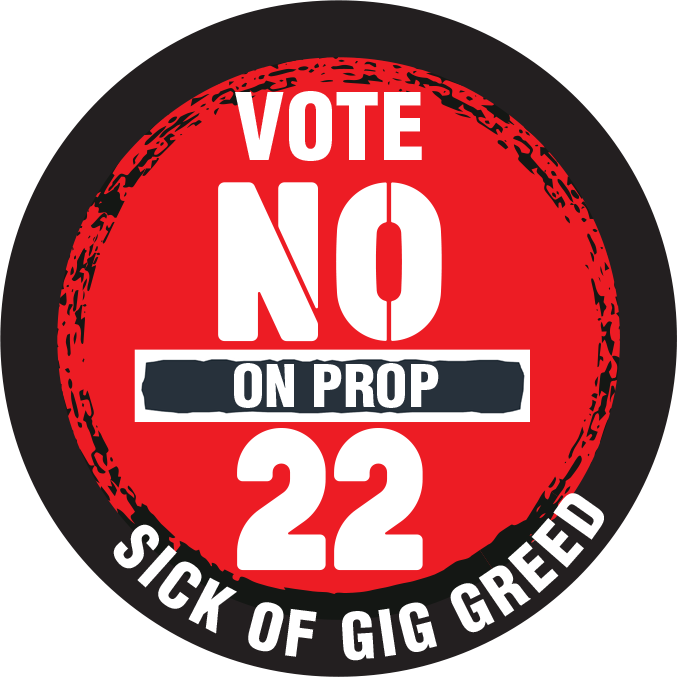
#Prop22 was the most expensive ballot initiative in history: "gig economy" companies firehosed $200m over voters, outspending 48/50 state legislative races on a single question.
That question: can employers misclassify workers as contractors and escape legal obligations?
1/
2/
3/
Prop 22 can only be repealed if 7/8th of the California legislature votes to do so. It is, effectively, a permanent fixture.
4/
5/
https://t.co/zH1SAQxZLY
6/
7/
8/
https://t.co/hQ38uxaNfU
9/
10/
This is the start. It only took NINE WEEKS.
This is coming for your job. Every major employer in California is figuring out how to do an Albertson's on its employees.
11/
12/
https://t.co/KVypUfJP4Z
13/
More from Cory Doctorow #BLM
There are lots of problems with ad-tech:
* being spied on all the time means that the people of the 21st century are less able to be their authentic selves;
* any data that is collected and retained will eventually breach, creating untold harms;
1/

* data-collection enables for discriminatory business practices ("digital redlining");
* the huge, tangled hairball of adtech companies siphons lots (maybe even most) of the money that should go creators and media orgs; and
2/
* anti-adblock demands browsers and devices that thwart their owners' wishes, a capability that can be exploited for even more nefarious purposes;
That's all terrible, but it's also IRONIC, since it appears that, in addition to everything else, ad-tech is a fraud, a bezzle.
3/
Bezzle was John Kenneth Galbraith's term for "the magic interval when a confidence trickster knows he has the money he has appropriated but the victim does not yet understand that he has lost it." That is, a rotten log that has yet to be turned over.
4/
Bezzles unwind slowly, then all at once. We've had some important peeks under ad-tech's rotten log, and they're increasing in both intensity and velocity. If you follow @Chronotope, you've had a front-row seat to the
* being spied on all the time means that the people of the 21st century are less able to be their authentic selves;
* any data that is collected and retained will eventually breach, creating untold harms;
1/
* data-collection enables for discriminatory business practices ("digital redlining");
* the huge, tangled hairball of adtech companies siphons lots (maybe even most) of the money that should go creators and media orgs; and
2/
* anti-adblock demands browsers and devices that thwart their owners' wishes, a capability that can be exploited for even more nefarious purposes;
That's all terrible, but it's also IRONIC, since it appears that, in addition to everything else, ad-tech is a fraud, a bezzle.
3/
Bezzle was John Kenneth Galbraith's term for "the magic interval when a confidence trickster knows he has the money he has appropriated but the victim does not yet understand that he has lost it." That is, a rotten log that has yet to be turned over.
4/
Bezzles unwind slowly, then all at once. We've had some important peeks under ad-tech's rotten log, and they're increasing in both intensity and velocity. If you follow @Chronotope, you've had a front-row seat to the
The numbers are all fking fake, the metrics are bullshit, the agencies responsible for enforcing good practices are knowing bullshiters enforcing and profiting off all the fake numbers and none of the models make sense at scale of actual human users. https://t.co/sfmdrxGBNJ pic.twitter.com/thvicDEL29
— Aram Zucker-Scharff (@Chronotope) December 26, 2018
Today's Twitter threads (a Twitter thread).
Inside: Planet Money on HP's myriad ripoffs; Strength in numbers; and more!
Archived at: https://t.co/esjoT3u5Gr
#Pluralistic
1/
On Feb 22, I'm delivering a keynote address for the NISO Plus conference, "The day of the comet: what trustbusting means for digital manipulation."
https://t.co/Z84xicXhGg
2/

Planet Money on HP's myriad ripoffs: Ink-stained wretches of the world, unite!
https://t.co/k5ASdVUrC2
3/
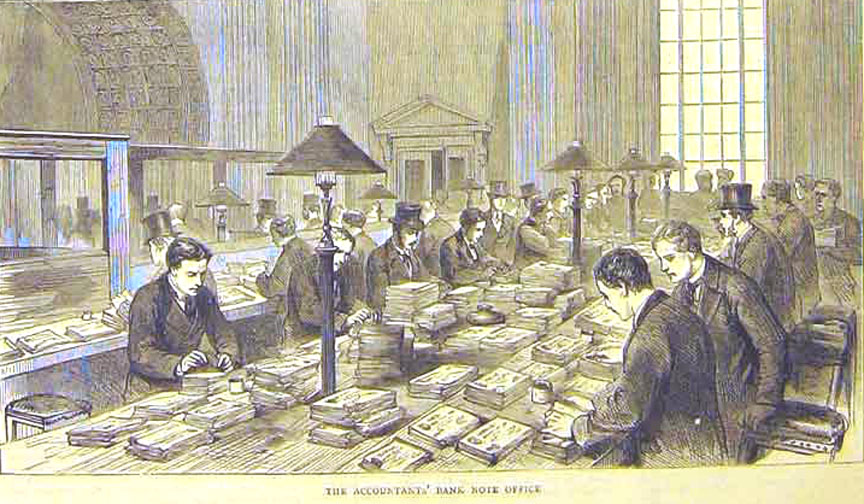
Strength in numbers: The crisis in accounting.
https://t.co/DjfAfHWpNN
4/
#15yrsago Bad Samaritan family won’t return found expensive camera https://t.co/Rn9E5R1gtV
#10yrsago What does Libyan revolution mean for https://t.co/Jz28qHVhrV? https://t.co/dN1e4MxU4r
5/
Inside: Planet Money on HP's myriad ripoffs; Strength in numbers; and more!
Archived at: https://t.co/esjoT3u5Gr
#Pluralistic
1/
On Feb 22, I'm delivering a keynote address for the NISO Plus conference, "The day of the comet: what trustbusting means for digital manipulation."
https://t.co/Z84xicXhGg
2/
Planet Money on HP's myriad ripoffs: Ink-stained wretches of the world, unite!
https://t.co/k5ASdVUrC2
3/
Back in November, I published an article for @EFF about @HP's latest printer-ink ripoff: after offering its customers a free-ink-for-life plan, it unilaterally switched them all to a $1/month-for-life plan.https://t.co/bsc73xPSuo
— Cory Doctorow #BLM (@doctorow) February 18, 2021
1/ pic.twitter.com/tagduPupA5
Strength in numbers: The crisis in accounting.
https://t.co/DjfAfHWpNN
4/
Accountancy is more likely to be mocked than celebrated (or condemned), but accountants, far more than poets, are the unacknowledged legislators of the world.
— Cory Doctorow #BLM (@doctorow) February 18, 2021
1/ pic.twitter.com/FaNQc66gQN
#15yrsago Bad Samaritan family won’t return found expensive camera https://t.co/Rn9E5R1gtV
#10yrsago What does Libyan revolution mean for https://t.co/Jz28qHVhrV? https://t.co/dN1e4MxU4r
5/
More from Politics


Handy guide for Dominic Raab and other Brexiteers, and for anyone keen to replace our EU trade with trade with the rest of the world on WTO terms...
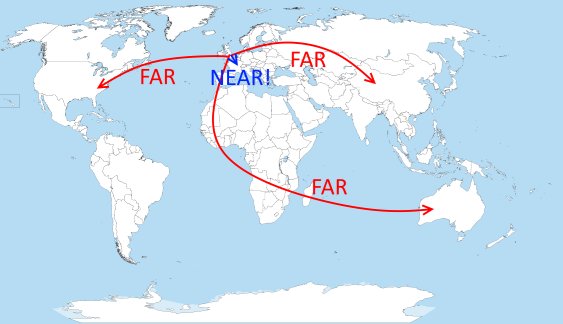
You can't magic away the vast distances involved. Clue: we fly in only 1/192th of our trade compared to the amount that arrives via sea
But even if you invented a teleporter tomorrow, WTO terms are so bad, so stacked against us, that a no-deal Brexit will be a total economic disaster
And while the Brexiteers fantasise, real jobs are being lost, investments are drying up, companies are moving assets to the EU27 or redomiciling. All already happened and happening right now, not in some mythical
Of course, there are many, many myths that Brexiteers perpetuate that are total fiction. You've seen a couple of them already. The thread below busts a whole lot
You can't magic away the vast distances involved. Clue: we fly in only 1/192th of our trade compared to the amount that arrives via sea
In 2016, the UK transported 484,000,000 tons of freight by sea, but just 2,511,000 tons by air (192x less than by sea). Therefore absurd to think of simply substituting air freight for sea freight (e.g. if we have to fly in food or medicines because of post-Brexit jams at ports)
— Edwin Hayward (@uk_domain_names) October 28, 2018
But even if you invented a teleporter tomorrow, WTO terms are so bad, so stacked against us, that a no-deal Brexit will be a total economic disaster
Here's the truth about Brexit, the "punishment" some people claim the EU wants to inflict on us, the full horrific consequences of no deal, and the dangers lurking behind any deal we reach. Buckle in, it's pretty long. Better to be thorough than to leave anything out. 1/47
— Edwin Hayward (@uk_domain_names) October 14, 2018
And while the Brexiteers fantasise, real jobs are being lost, investments are drying up, companies are moving assets to the EU27 or redomiciling. All already happened and happening right now, not in some mythical
Ok, it's high time to look at the REAL effects of Brexit. As the Tories implode & Labour sits on its hands, companies are executing contingency plans, shifting jobs & assets, slashing investments, or redomiciling (accounting exercise). Happening NOW, not in a fantasy future. 1/95
— Edwin Hayward (@uk_domain_names) November 14, 2018
Of course, there are many, many myths that Brexiteers perpetuate that are total fiction. You've seen a couple of them already. The thread below busts a whole lot
Unicorn Shredder: Hard Brexit Truths
— Edwin Hayward (@uk_domain_names) November 15, 2018
- The major economic harm Brexit is already inflicting on the UK
- Reality of "no deal" & WTO terms
- EU "punishment" narrative
- Endangered industries: automotive & haulage
+ much, much more...
(Each tweet is a self-contained thread.)


Here's why I bother to do the search, and even take the time to check.
This is part of a pattern that as detailed by Mueller, and has been proven by reputable studies since then. Here are parts of an Oxford report on the goals of the ongoing social media operations of Russia. https://t.co/qapD8Eh2SQ
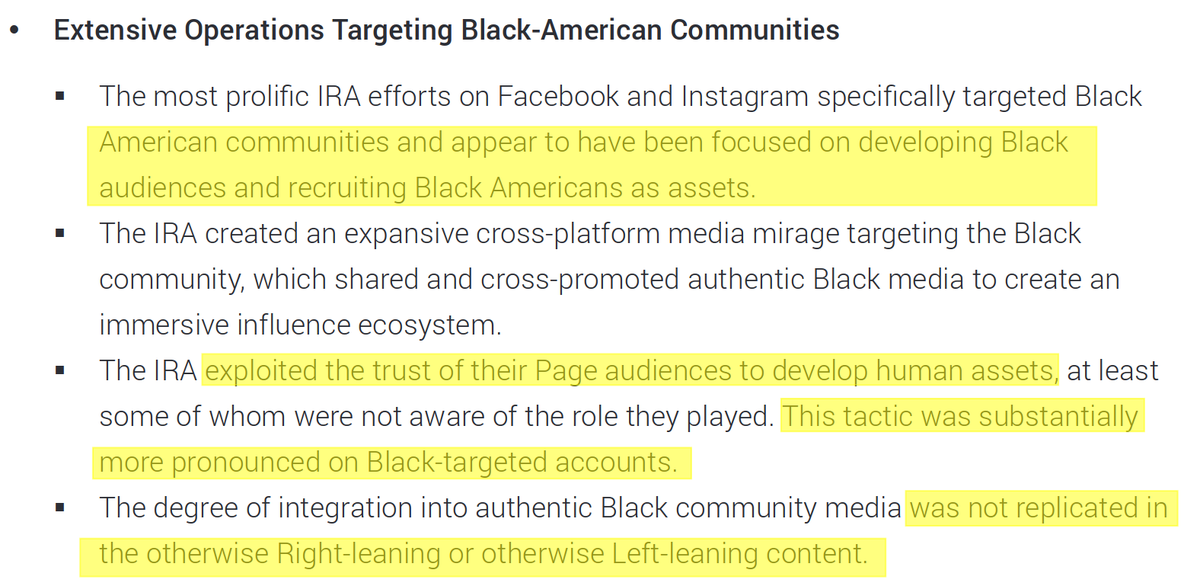
https://t.co/nJPPOwF1MA
The full report can be found here.
https://t.co/1q525xWYZE
Excertps from the 2019 Senate Intelligence Committee Report on Russian Actove Measures Campaigns and Interference:
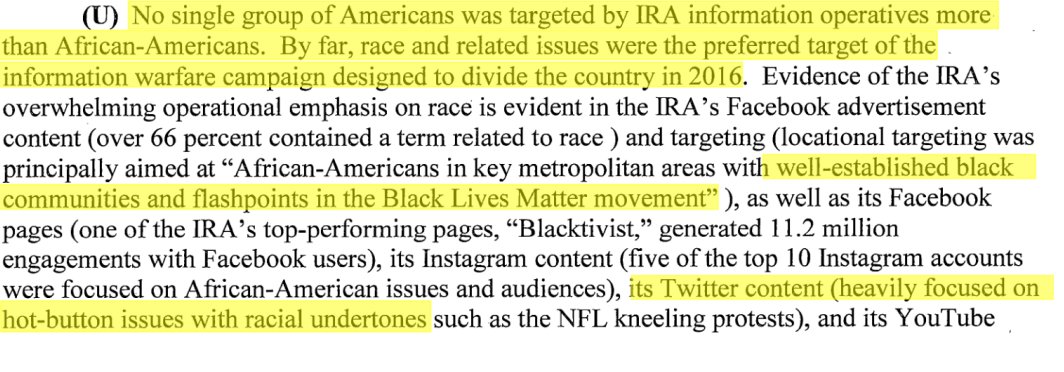
Also form the Senate Intelligence Committee report
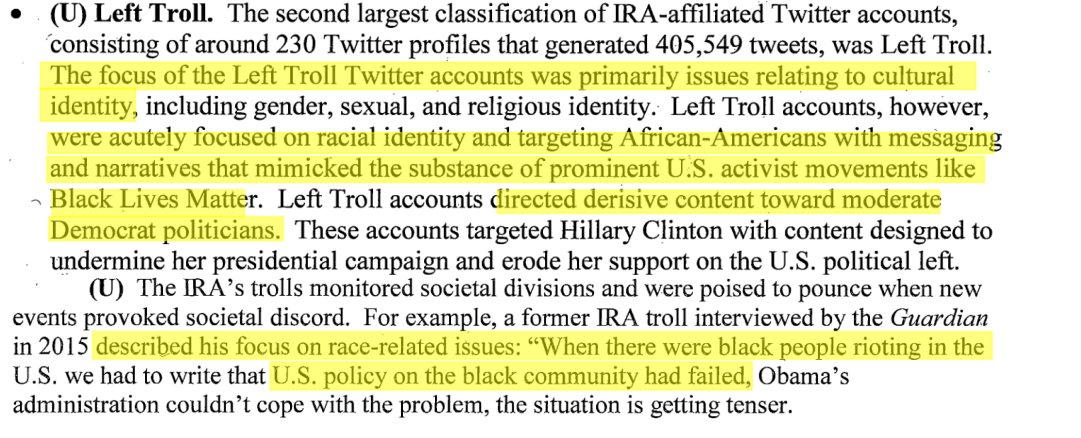
This is part of a pattern that as detailed by Mueller, and has been proven by reputable studies since then. Here are parts of an Oxford report on the goals of the ongoing social media operations of Russia. https://t.co/qapD8Eh2SQ
Here's some from a search of your TL
— \U0001d679\U0001d698\U0001d691\U0001d697 \U0001d686\U0001d68e\U0001d69c\U0001d695\U0001d68e\U0001d6a2 (@thepalemoonlt) April 21, 2021
Uses of the word prison before today: 13.
Tweets for specifically suggesting abolishing prison prior to today: 1 on 06/03/2020
Mentions of prison and abolishing it today: 8
Of all the times to speak out, Why did you choose to now? https://t.co/kl7gx7ky2H
https://t.co/nJPPOwF1MA
The full report can be found here.
https://t.co/1q525xWYZE
Excertps from the 2019 Senate Intelligence Committee Report on Russian Actove Measures Campaigns and Interference:
Also form the Senate Intelligence Committee report
You May Also Like



"I really want to break into Product Management"
make products.
"If only someone would tell me how I can get a startup to notice me."
Make Products.
"I guess it's impossible and I'll never break into the industry."
MAKE PRODUCTS.
Courtesy of @edbrisson's wonderful thread on breaking into comics – https://t.co/TgNblNSCBj – here is why the same applies to Product Management, too.
There is no better way of learning the craft of product, or proving your potential to employers, than just doing it.
You do not need anybody's permission. We don't have diplomas, nor doctorates. We can barely agree on a single standard of what a Product Manager is supposed to do.
But – there is at least one blindingly obvious industry consensus – a Product Manager makes Products.
And they don't need to be kept at the exact right temperature, given endless resource, or carefully protected in order to do this.
They find their own way.
make products.
"If only someone would tell me how I can get a startup to notice me."
Make Products.
"I guess it's impossible and I'll never break into the industry."
MAKE PRODUCTS.
Courtesy of @edbrisson's wonderful thread on breaking into comics – https://t.co/TgNblNSCBj – here is why the same applies to Product Management, too.
"I really want to break into comics"
— Ed Brisson (@edbrisson) December 4, 2018
make comics.
"If only someone would tell me how I can get an editor to notice me."
Make Comics.
"I guess it's impossible and I'll never break into the industry."
MAKE COMICS.
There is no better way of learning the craft of product, or proving your potential to employers, than just doing it.
You do not need anybody's permission. We don't have diplomas, nor doctorates. We can barely agree on a single standard of what a Product Manager is supposed to do.
But – there is at least one blindingly obvious industry consensus – a Product Manager makes Products.
And they don't need to be kept at the exact right temperature, given endless resource, or carefully protected in order to do this.
They find their own way.