Breaking: The DUP and Sinn Fein leaders have sent a joint letter to the European Commission describing as “unacceptable” the alleged threat to the continuity of existing food supplies to Northern supermarkets once the Northern Ireland Protocol takes effect.
More from Tony Connelly
Irish foreign min Simon Coveney says he is "more optimistic" about progress in the EU UK Joint Committee over implementing the Northern Ireland Protocol.
2/ Last night @rtenews reported that if a free trade deal were to be concluded, a sequence would be put in place at the end of which the UK would drop the clauses in the Internal Market Bill which breach the Protocol.
3/ This morning, the EU’s representative on the Joint Committee, which implements the Protocol, said he would be meeting his counterpart Michael Gove in Brussels today.
4/ Mr Coveney said: “There is more cause to be optimistic and positive in the context of the Joint Committee and its work in terms of implementing the Withdrawal Agreement and the Protocol on Ireland and Northern Ireland.
5/ “Maros Sefcovic and Michael Gove have made really practical progress on many of the outstanding issues that were not resolved up until a few weeks ago.
2/ Last night @rtenews reported that if a free trade deal were to be concluded, a sequence would be put in place at the end of which the UK would drop the clauses in the Internal Market Bill which breach the Protocol.
3/ This morning, the EU’s representative on the Joint Committee, which implements the Protocol, said he would be meeting his counterpart Michael Gove in Brussels today.
\U0001f1ea\U0001f1fa\U0001f1ec\U0001f1e7 I will meet @michaelgove today in Brussels to discuss the implementation of the Withdrawal Agreement, including the Protocol on Ireland and Northern Ireland. We are working hard to make sure it is fully operational as of 1 January 2021.
— Maro\u0161 \u0160ef\u010dovi\u010d\U0001f1ea\U0001f1fa (@MarosSefcovic) December 7, 2020
4/ Mr Coveney said: “There is more cause to be optimistic and positive in the context of the Joint Committee and its work in terms of implementing the Withdrawal Agreement and the Protocol on Ireland and Northern Ireland.
5/ “Maros Sefcovic and Michael Gove have made really practical progress on many of the outstanding issues that were not resolved up until a few weeks ago.
More from Politics





You May Also Like




I'm going to do two history threads on Ethiopia, one on its ancient history, one on its modern story (1800 to today). 🇪🇹
I'll begin with the ancient history ... and it goes way back. Because modern humans - and before that, the ancestors of humans - almost certainly originated in Ethiopia. 🇪🇹 (sub-thread):
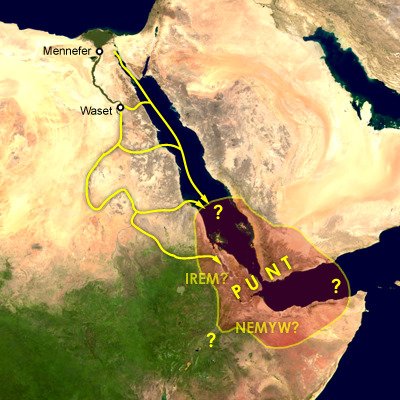
The first likely historical reference to Ethiopia is ancient Egyptian records of trade expeditions to the "Land of Punt" in search of gold, ebony, ivory, incense, and wild animals, starting in c 2500 BC 🇪🇹
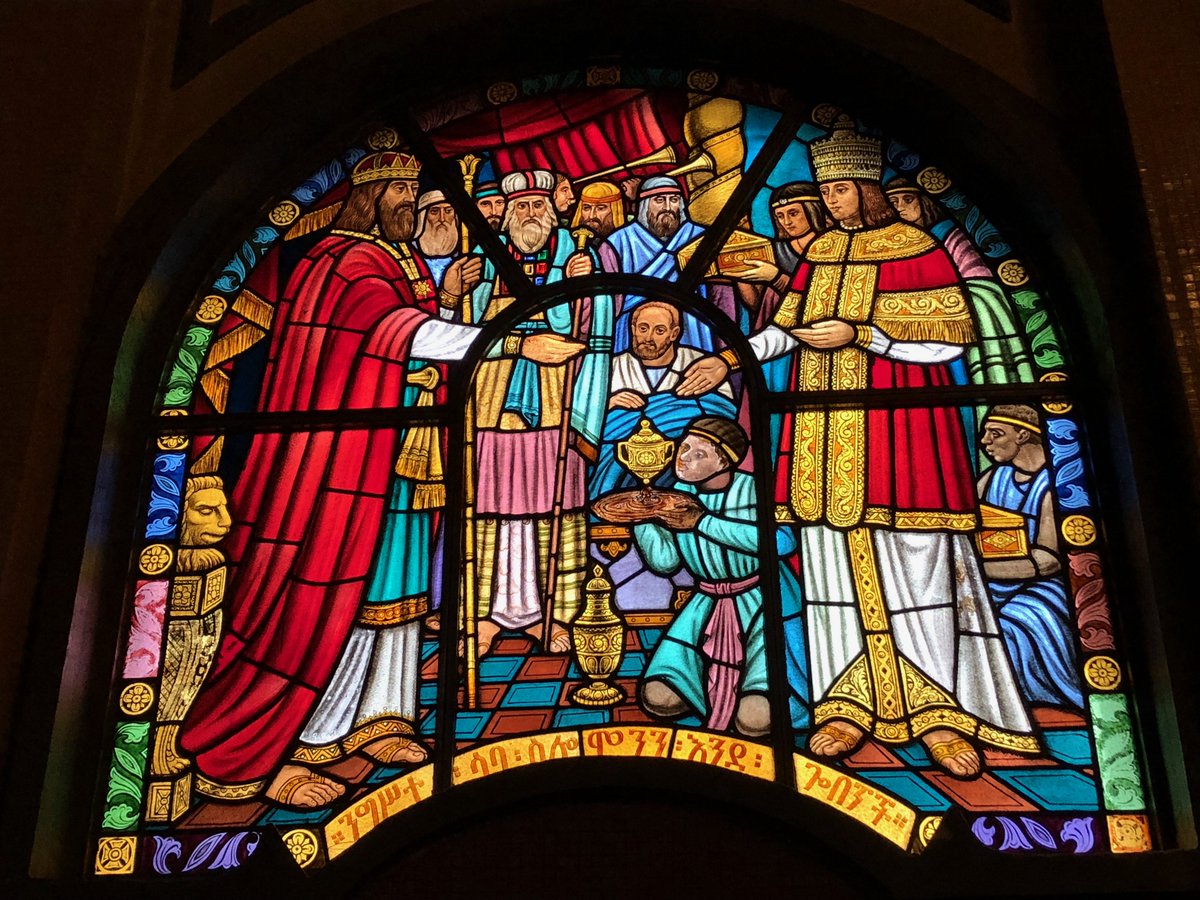
Ethiopians themselves believe that the Queen of Sheba, who visited Israel's King Solomon in the Bible (c 950 BC), came from Ethiopia (not Yemen, as others believe). Here she is meeting Solomon in a stain-glassed window in Addis Ababa's Holy Trinity Church. 🇪🇹
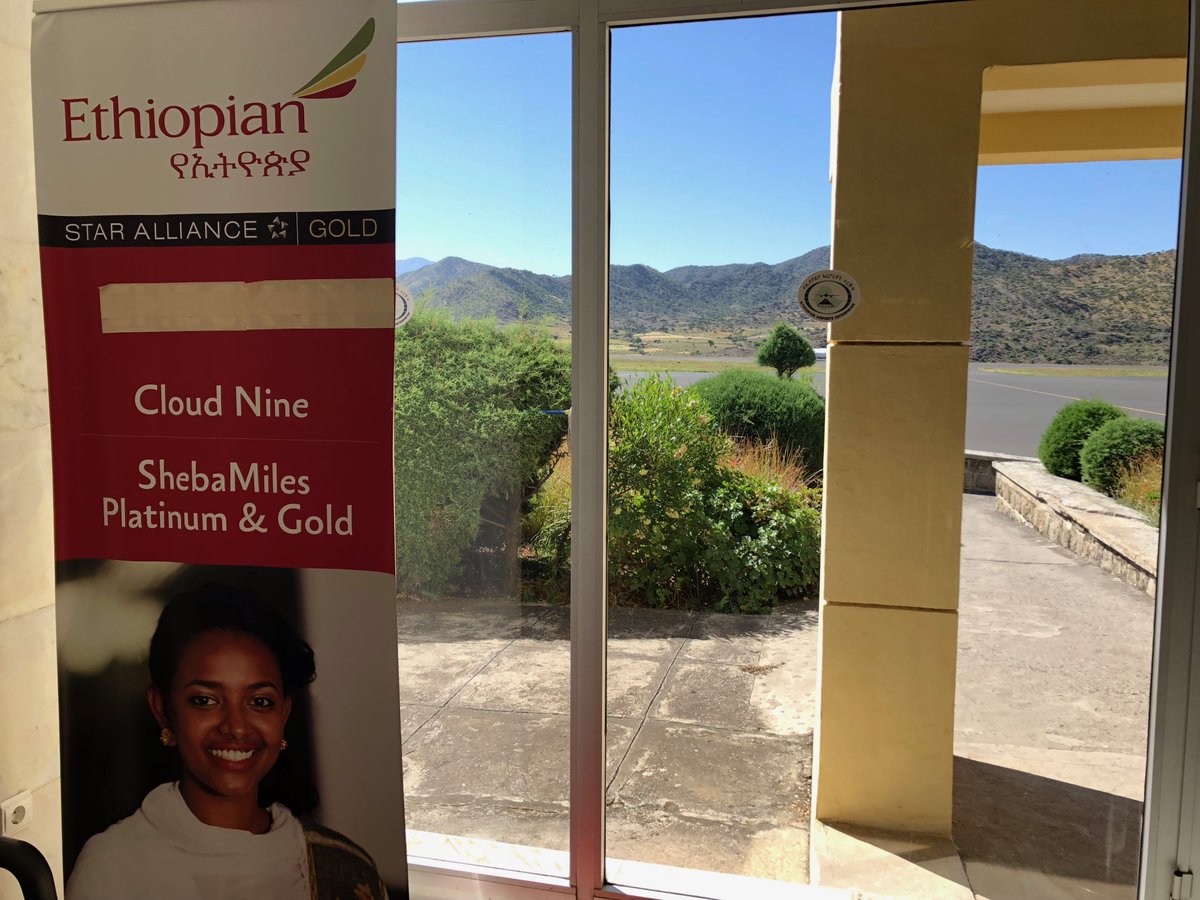
References to the Queen of Sheba are everywhere in Ethiopia. The national airline's frequent flier miles are even called "ShebaMiles". 🇪🇹
I'll begin with the ancient history ... and it goes way back. Because modern humans - and before that, the ancestors of humans - almost certainly originated in Ethiopia. 🇪🇹 (sub-thread):
The famous \u201cLucy\u201d, an early ancestor of modern humans (Australopithecus) that lived 3.2 million years ago, and was discovered in 1974 in Ethiopia, displayed in the national museum in Addis Ababa \U0001f1ea\U0001f1f9 pic.twitter.com/N3oWqk1SW2
— Patrick Chovanec (@prchovanec) November 9, 2018
The first likely historical reference to Ethiopia is ancient Egyptian records of trade expeditions to the "Land of Punt" in search of gold, ebony, ivory, incense, and wild animals, starting in c 2500 BC 🇪🇹
Ethiopians themselves believe that the Queen of Sheba, who visited Israel's King Solomon in the Bible (c 950 BC), came from Ethiopia (not Yemen, as others believe). Here she is meeting Solomon in a stain-glassed window in Addis Ababa's Holy Trinity Church. 🇪🇹
References to the Queen of Sheba are everywhere in Ethiopia. The national airline's frequent flier miles are even called "ShebaMiles". 🇪🇹