
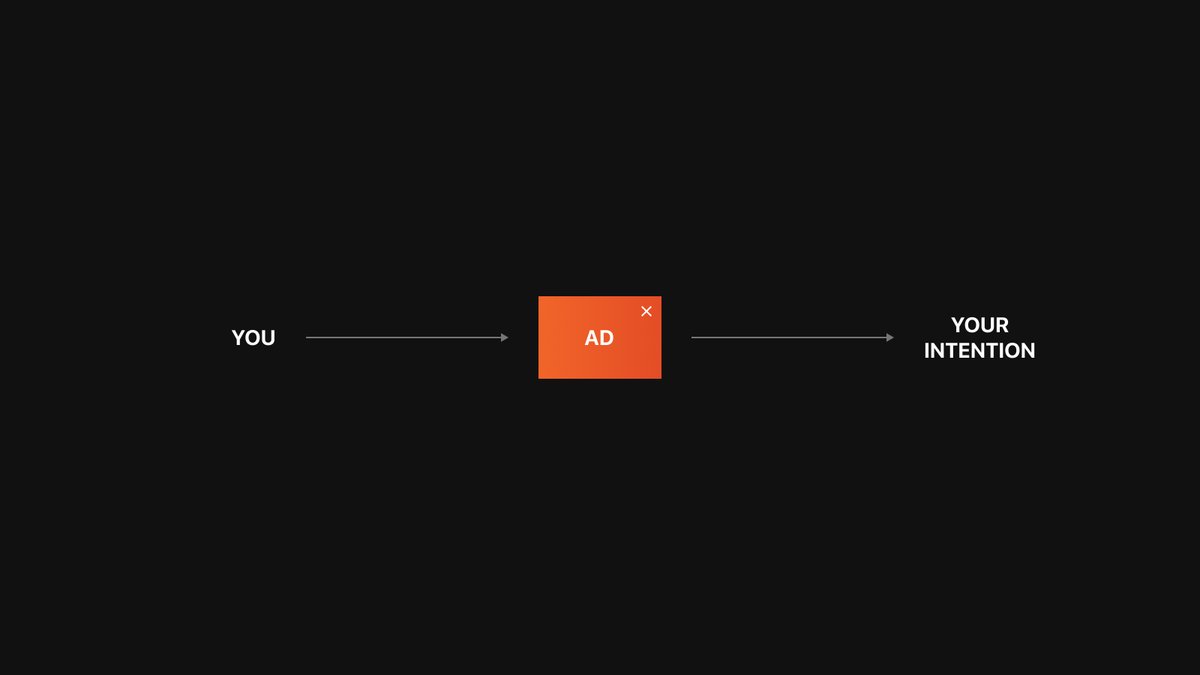
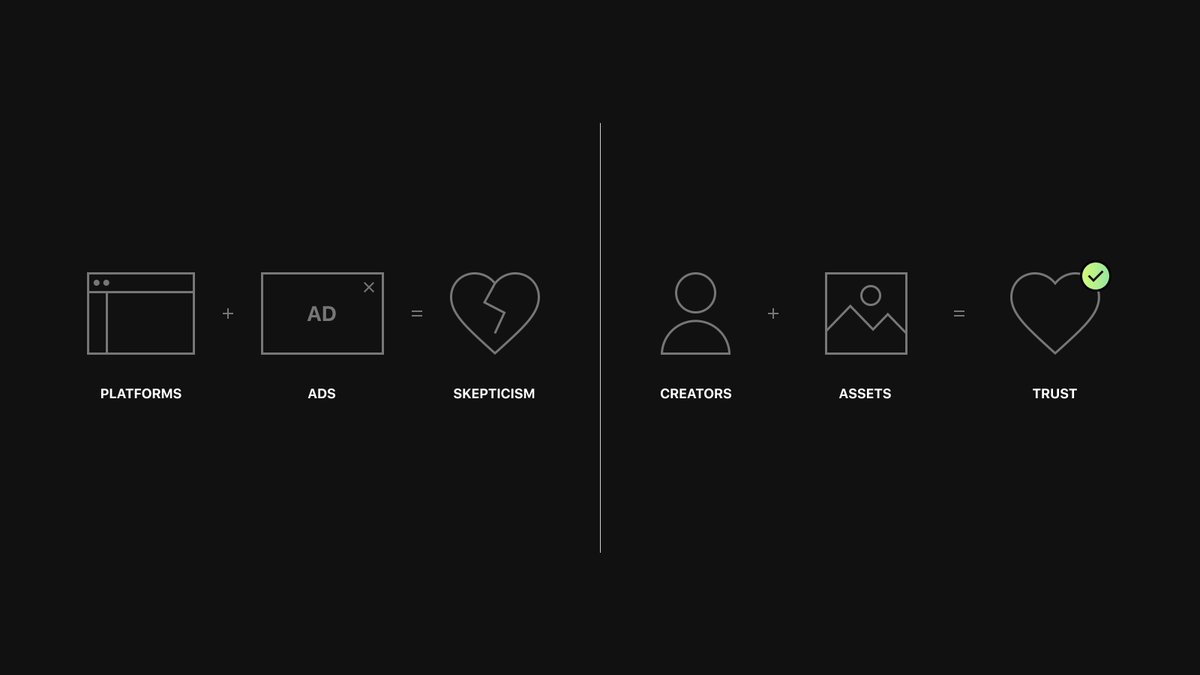
Why digital advertising is broken and how we’re fixing it: (thread)
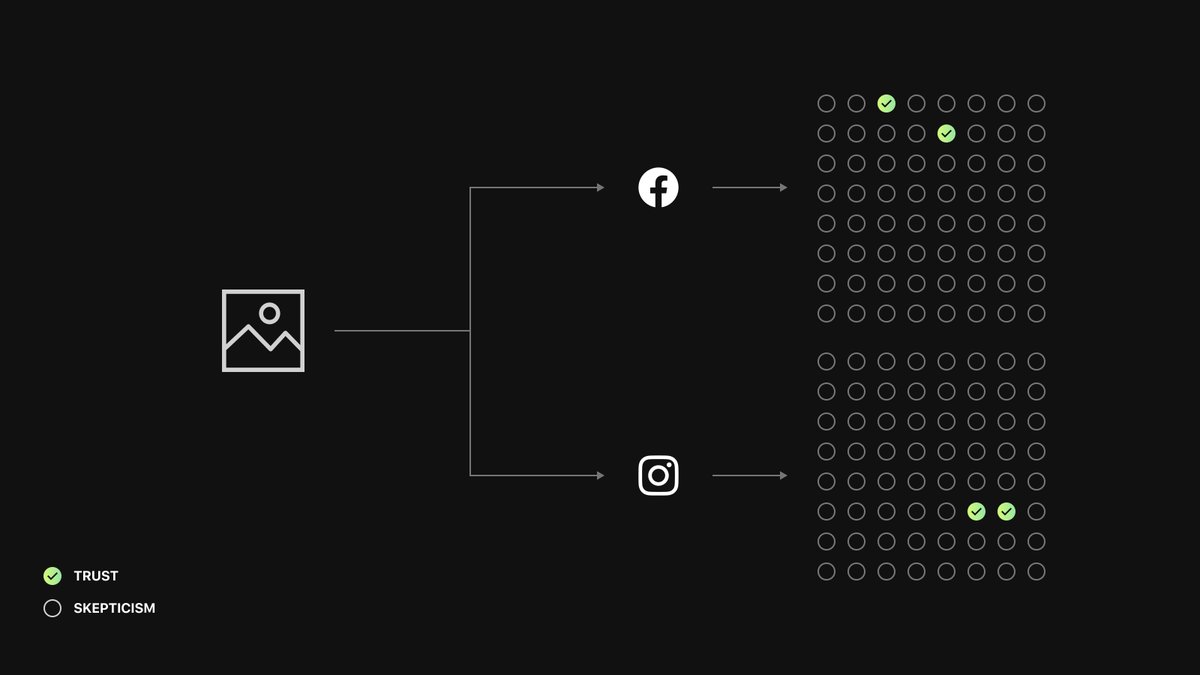
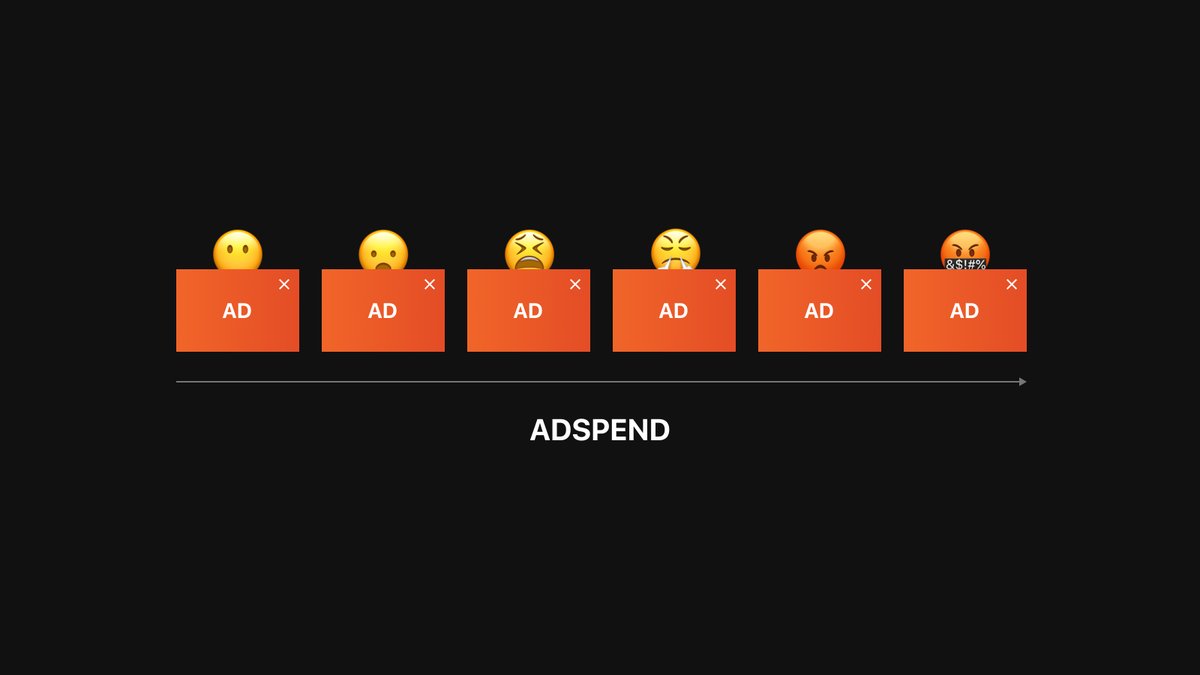
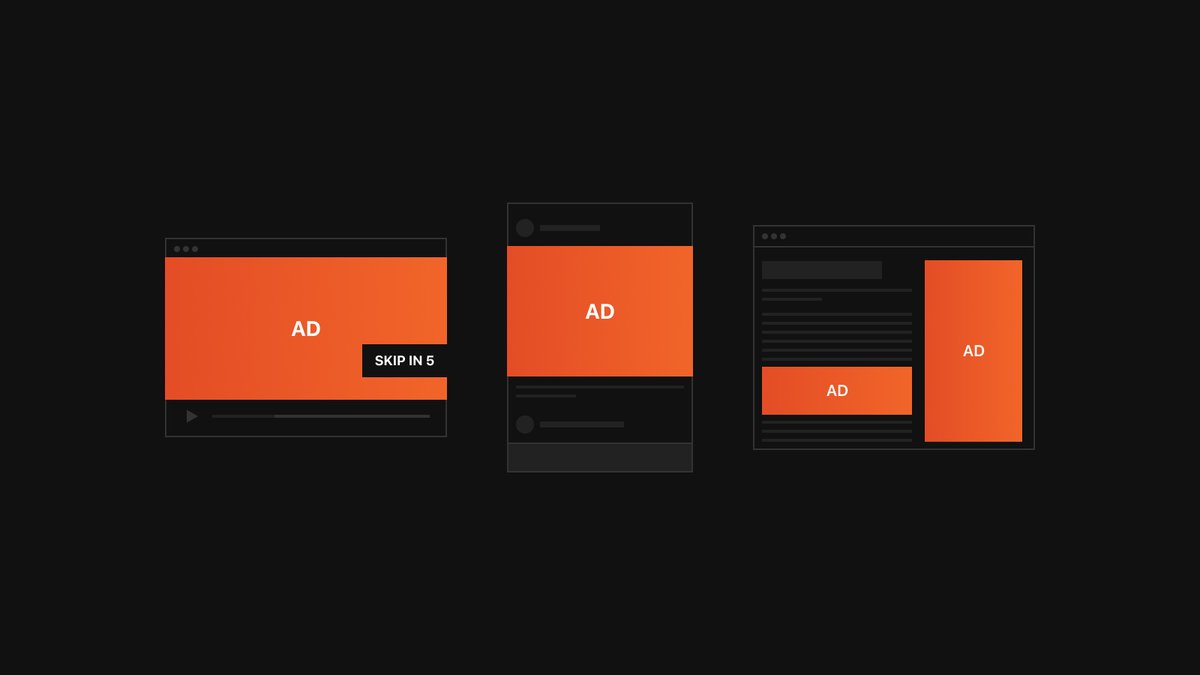
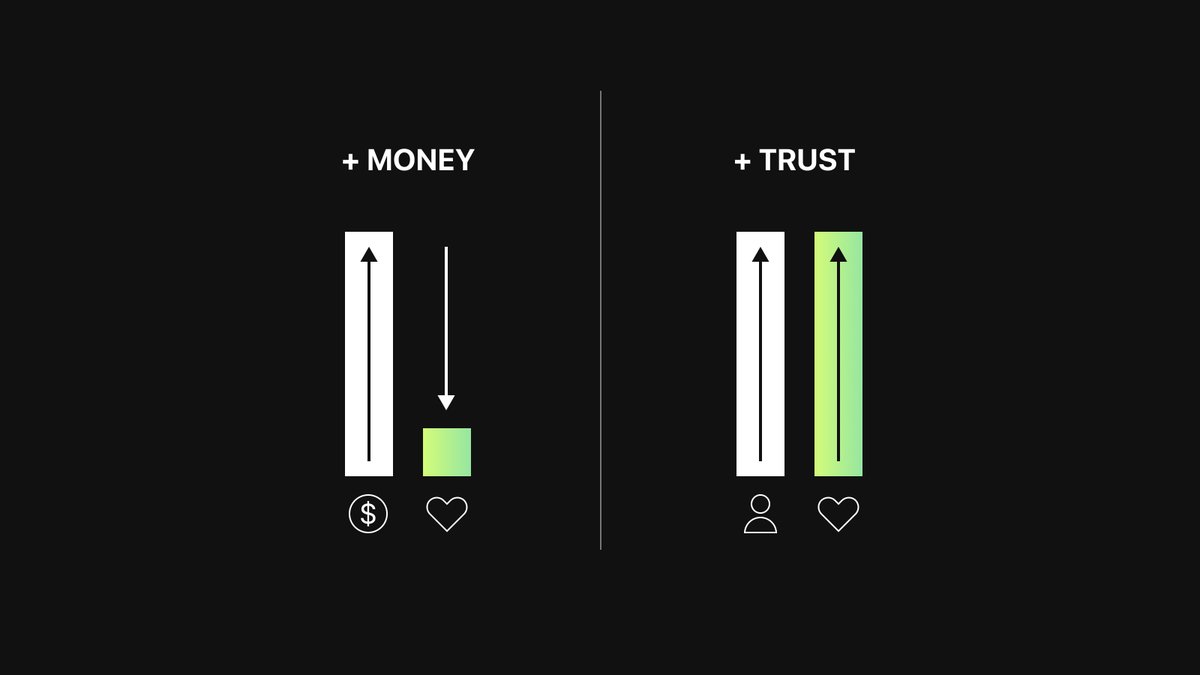
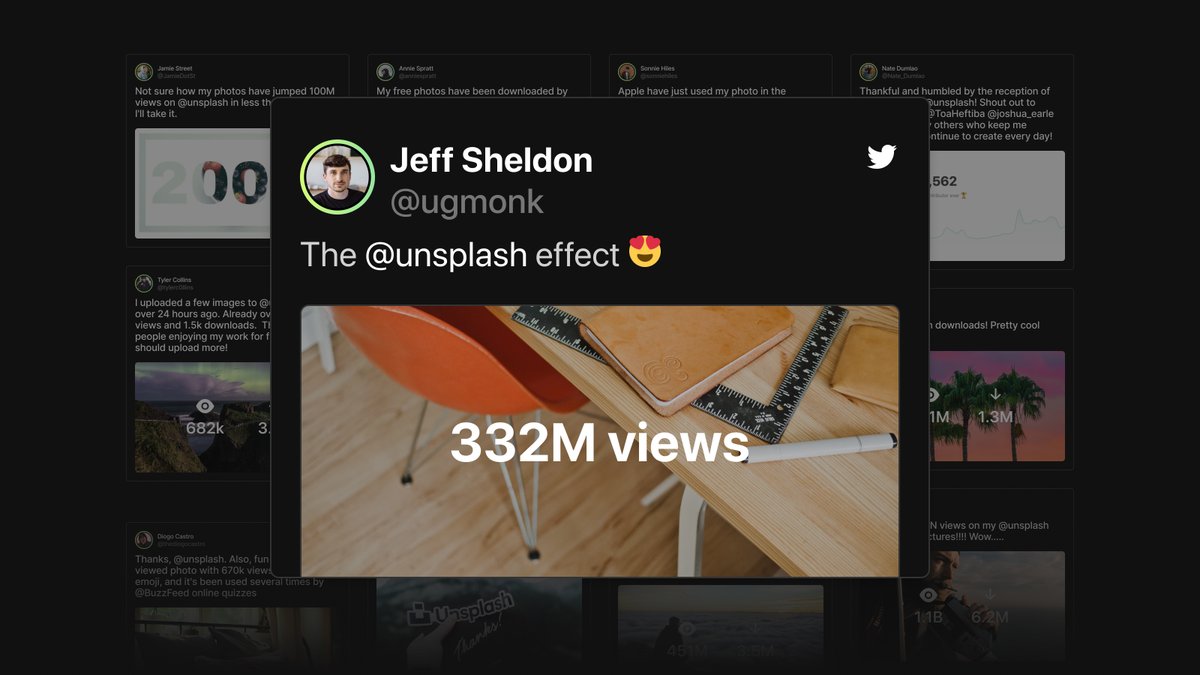
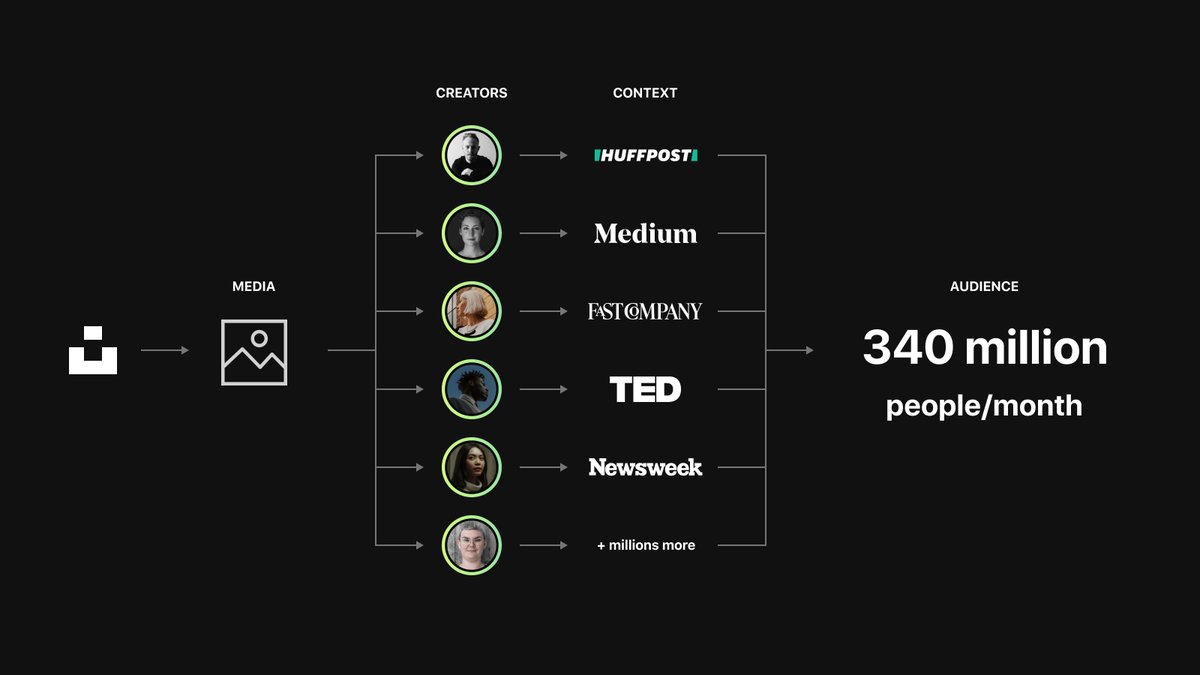
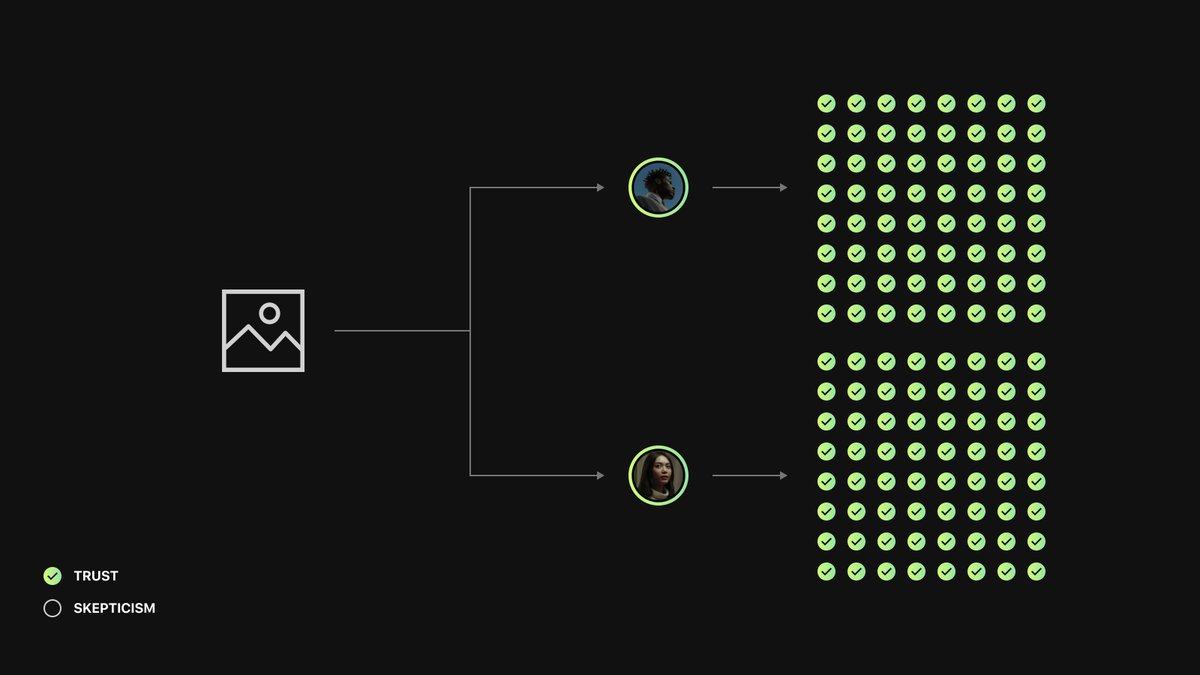
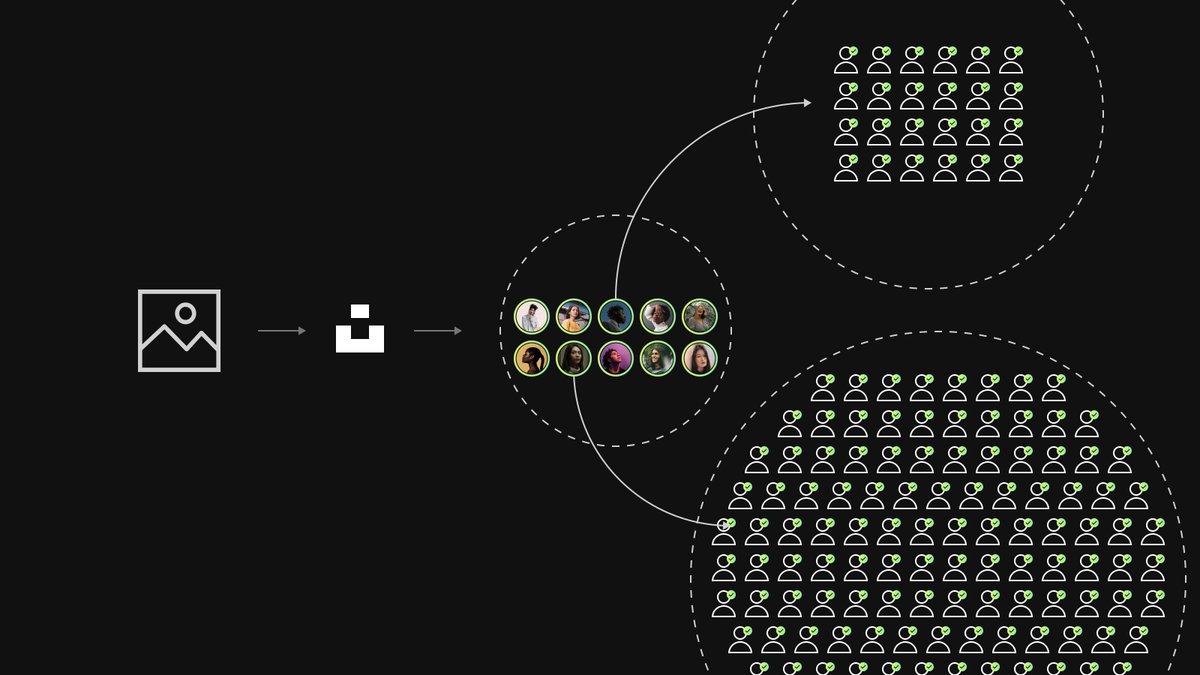
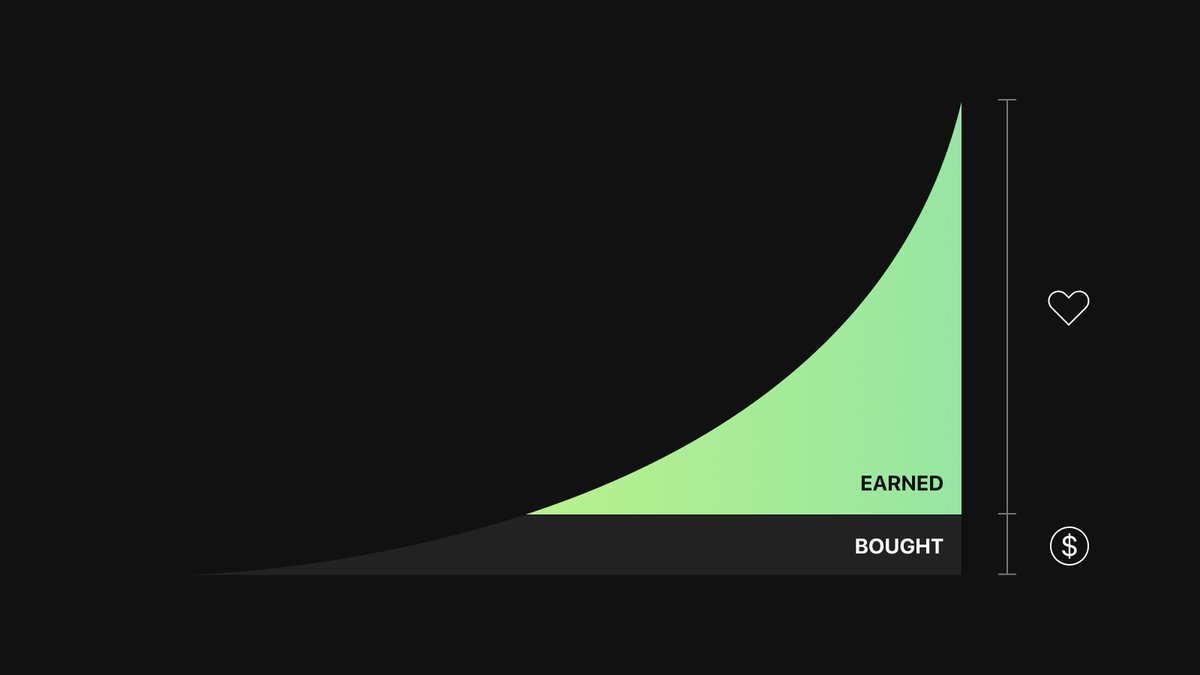
more: https://t.co/3XBXuCOE0K
More from Marketing



Can't run FB ads on your own profile?
No problem.
Here's how you use a virtual browser to run ads safely on someone else's FB account.
** Thread **
In order for this to work, you need to have permission from someone to use their FB profile.
Whether that's a friend/family of yours or some random guy/gal you pay.
Because you'll need the login information to their FB profile.
Just a heads up.
A virtual browser is the best solution I've found for this.
A remote access tool like Splashtop is an alternative option but the user has to have their computer on if you want to access it.
This can create a bunch of headaches which is why I prefer to use a virtual browser.
It allows you to access the user's computer alongside them so you're able to log on whenever you like no matter if the user is using their computer or not.
I'm sure there are a bunch of options for virtual browsers but I use Multilogin ==> https://t.co/RF6s0Mto8f
99% of you will be fine with the Solo package which is around $100 a month.
Small price to pay, if this is the only option you have to run ads.
No problem.
Here's how you use a virtual browser to run ads safely on someone else's FB account.
** Thread **
In order for this to work, you need to have permission from someone to use their FB profile.
Whether that's a friend/family of yours or some random guy/gal you pay.
Because you'll need the login information to their FB profile.
Just a heads up.
A virtual browser is the best solution I've found for this.
A remote access tool like Splashtop is an alternative option but the user has to have their computer on if you want to access it.
This can create a bunch of headaches which is why I prefer to use a virtual browser.
It allows you to access the user's computer alongside them so you're able to log on whenever you like no matter if the user is using their computer or not.
I'm sure there are a bunch of options for virtual browsers but I use Multilogin ==> https://t.co/RF6s0Mto8f
99% of you will be fine with the Solo package which is around $100 a month.
Small price to pay, if this is the only option you have to run ads.


You May Also Like

A brief analysis and comparison of the CSS for Twitter's PWA vs Twitter's legacy desktop website. The difference is dramatic and I'll touch on some reasons why.
Legacy site *downloads* ~630 KB CSS per theme and writing direction.
6,769 rules
9,252 selectors
16.7k declarations
3,370 unique declarations
44 media queries
36 unique colors
50 unique background colors
46 unique font sizes
39 unique z-indices
https://t.co/qyl4Bt1i5x

PWA *incrementally generates* ~30 KB CSS that handles all themes and writing directions.
735 rules
740 selectors
757 declarations
730 unique declarations
0 media queries
11 unique colors
32 unique background colors
15 unique font sizes
7 unique z-indices
https://t.co/w7oNG5KUkJ

The legacy site's CSS is what happens when hundreds of people directly write CSS over many years. Specificity wars, redundancy, a house of cards that can't be fixed. The result is extremely inefficient and error-prone styling that punishes users and developers.
The PWA's CSS is generated on-demand by a JS framework that manages styles and outputs "atomic CSS". The framework can enforce strict constraints and perform optimisations, which is why the CSS is so much smaller and safer. Style conflicts and unbounded CSS growth are avoided.
Legacy site *downloads* ~630 KB CSS per theme and writing direction.
6,769 rules
9,252 selectors
16.7k declarations
3,370 unique declarations
44 media queries
36 unique colors
50 unique background colors
46 unique font sizes
39 unique z-indices
https://t.co/qyl4Bt1i5x
PWA *incrementally generates* ~30 KB CSS that handles all themes and writing directions.
735 rules
740 selectors
757 declarations
730 unique declarations
0 media queries
11 unique colors
32 unique background colors
15 unique font sizes
7 unique z-indices
https://t.co/w7oNG5KUkJ
The legacy site's CSS is what happens when hundreds of people directly write CSS over many years. Specificity wars, redundancy, a house of cards that can't be fixed. The result is extremely inefficient and error-prone styling that punishes users and developers.
The PWA's CSS is generated on-demand by a JS framework that manages styles and outputs "atomic CSS". The framework can enforce strict constraints and perform optimisations, which is why the CSS is so much smaller and safer. Style conflicts and unbounded CSS growth are avoided.

Took me 5 years to get the best Chartink scanners for Stock Market, but you’ll get it in 5 mminutes here ⏰
Do Share the above tweet 👆
These are going to be very simple yet effective pure price action based scanners, no fancy indicators nothing - hope you liked it.
https://t.co/JU0MJIbpRV
52 Week High
One of the classic scanners very you will get strong stocks to Bet on.
https://t.co/V69th0jwBr
Hourly Breakout
This scanner will give you short term bet breakouts like hourly or 2Hr breakout
Volume shocker
Volume spurt in a stock with massive X times
Do Share the above tweet 👆
These are going to be very simple yet effective pure price action based scanners, no fancy indicators nothing - hope you liked it.
https://t.co/JU0MJIbpRV
52 Week High
One of the classic scanners very you will get strong stocks to Bet on.
https://t.co/V69th0jwBr
Hourly Breakout
This scanner will give you short term bet breakouts like hourly or 2Hr breakout
Volume shocker
Volume spurt in a stock with massive X times








Took me 5 years to get the best Chartink scanners for Stock Market, but you’ll get it in 5 mminutes here ⏰
Do Share the above tweet 👆
These are going to be very simple yet effective pure price action based scanners, no fancy indicators nothing - hope you liked it.
https://t.co/JU0MJIbpRV
52 Week High
One of the classic scanners very you will get strong stocks to Bet on.
https://t.co/V69th0jwBr
Hourly Breakout
This scanner will give you short term bet breakouts like hourly or 2Hr breakout
Volume shocker
Volume spurt in a stock with massive X times
Do Share the above tweet 👆
These are going to be very simple yet effective pure price action based scanners, no fancy indicators nothing - hope you liked it.
https://t.co/JU0MJIbpRV
52 Week High
One of the classic scanners very you will get strong stocks to Bet on.
https://t.co/V69th0jwBr
Hourly Breakout
This scanner will give you short term bet breakouts like hourly or 2Hr breakout
Volume shocker
Volume spurt in a stock with massive X times