Ok, as promised, here's a thread of my top 15 non-verbal gestures for effective behaviour management:

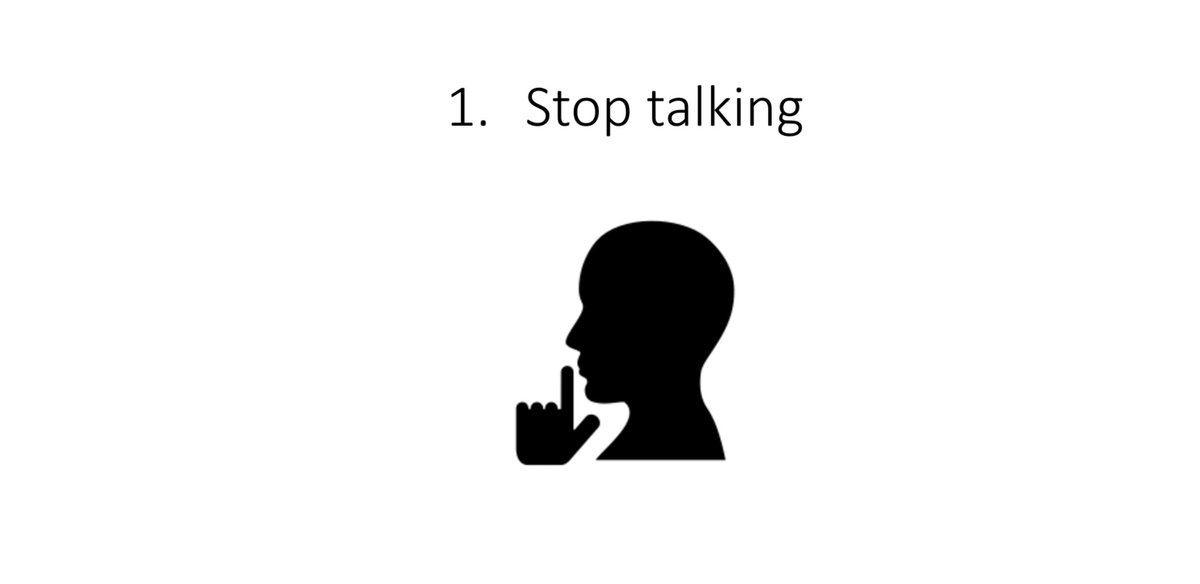
1. A much neglected oldie, best used when only one or two pupils are still talking:
2. Wiggle that earlobe when you see a rogue off-tasker:
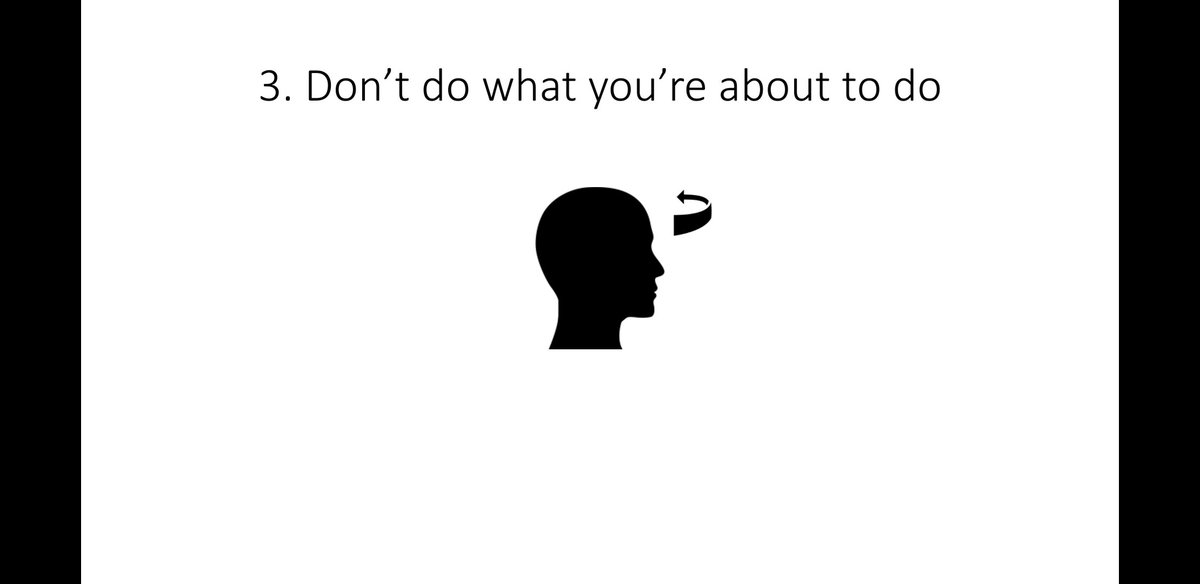
3. A gentle side to side headshake, which says "don't even think about doing what you're thinking of doing":
4. This is more forceful and vigorous than no. 3. It says immediately desist:
5. A single finger waved up and down places them in their seat, like a puppet on a string:
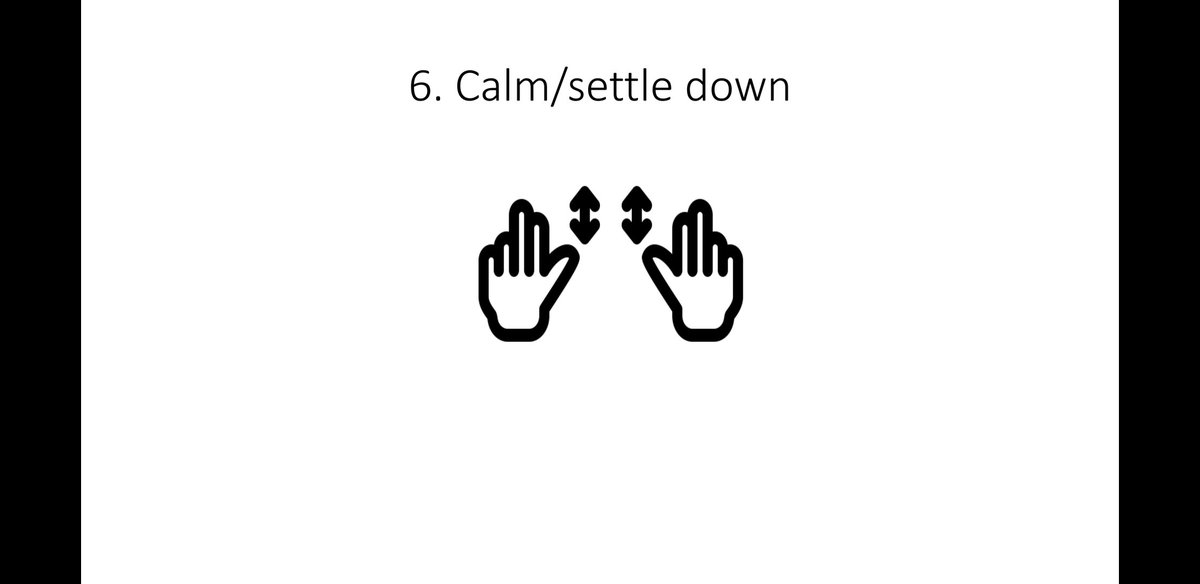
6. Best used as they enter the class in a hyper mood, two hands waving downwards says, "get ready to learn":
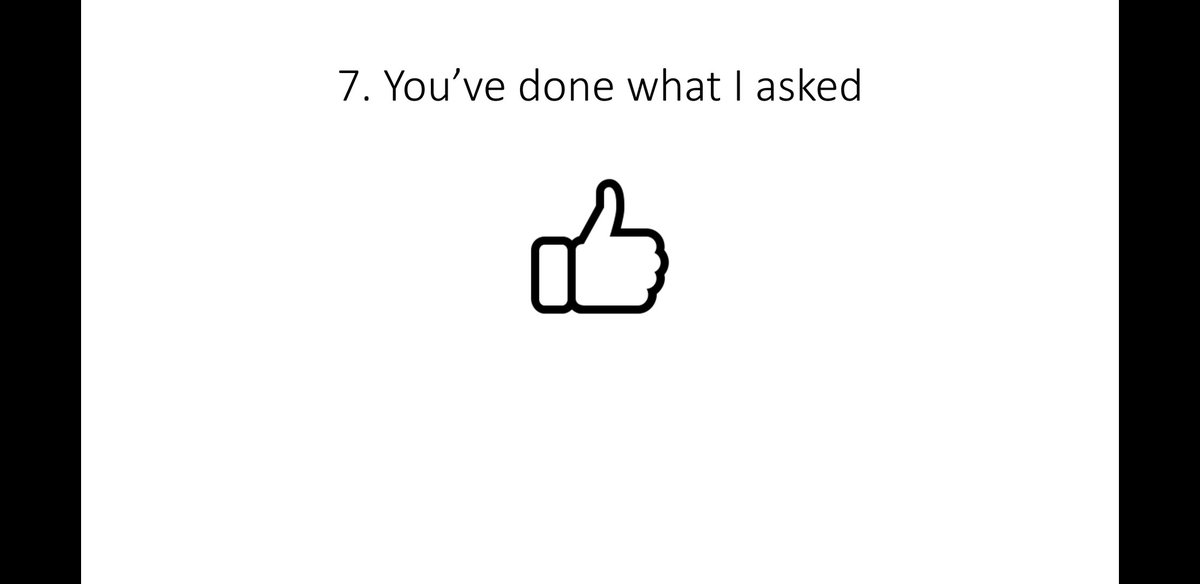
7. A universal sign of praise. Ideal for peer-influenced boys who prefer quiet positive acknowledgement:
8. Like in a game of charades, your book sign gets them thinking of reading:
9. Hold an imaginary pen betwixt your thumb and index finger and scribble furiously:
10. As you circulate, direct students back on task with a brisk few taps on their exercise book:
11. Take on the role of traffic cop and get them performing a u-turn then facing your way:
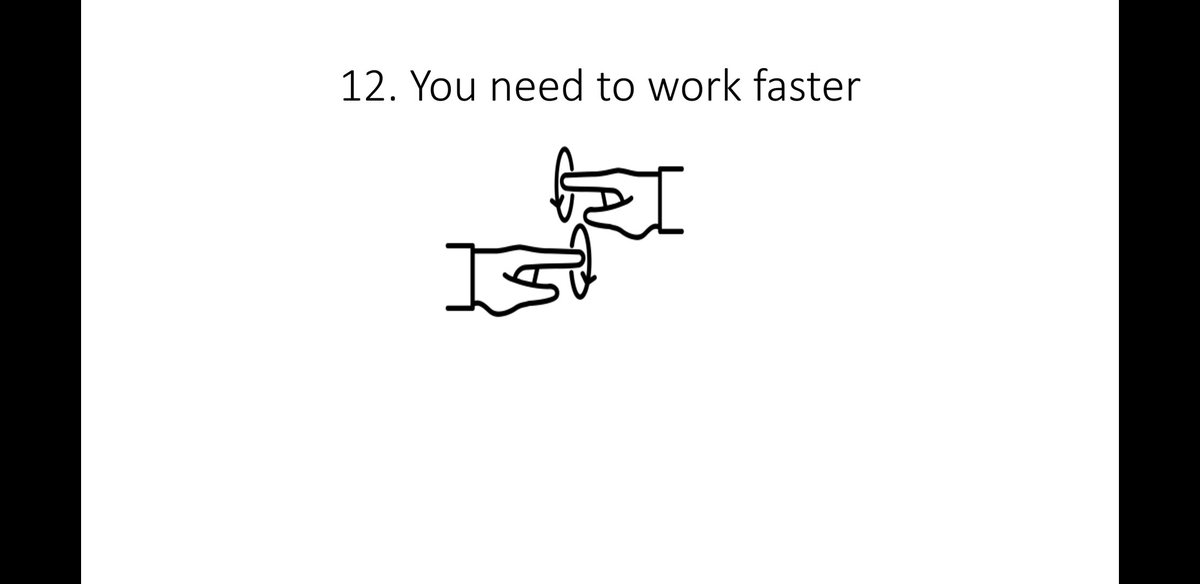
12. Think football referee signalling to a timewasting player. Get a move on or you're going in my book!
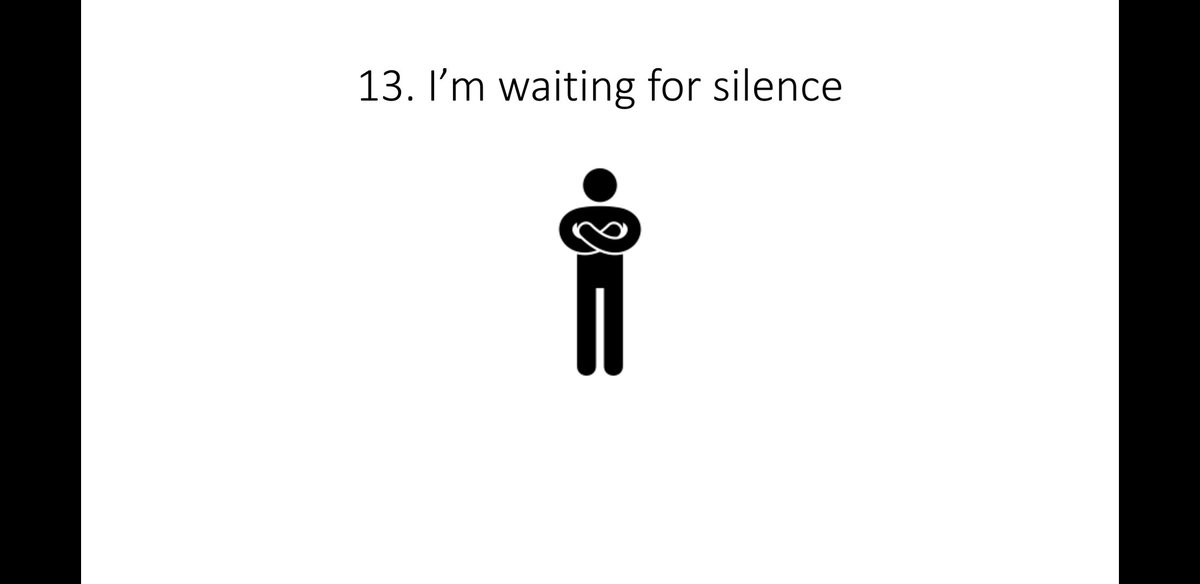
13. Ideally accompanied with a theatrical step backwards, this signals to a noisy class that you've had enough of waiting:
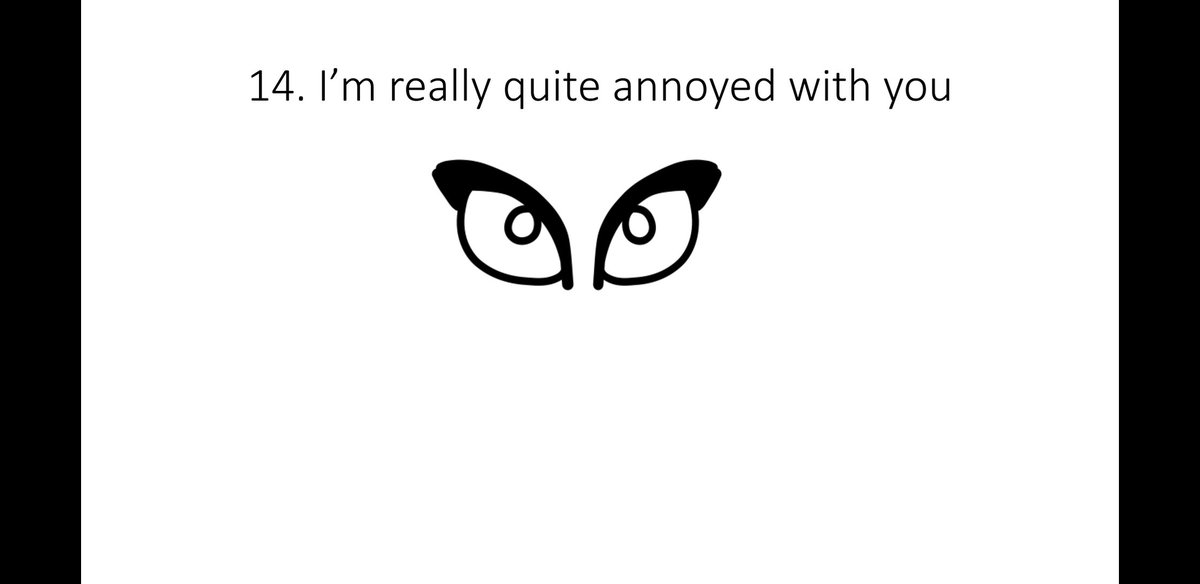
14. A teacher's thousand yard stare. Best saved for particularly irksome behaviour:
15. A playground classic. Come my way now, young man/lady:
16. A little bonus gesture, which needs more explanation than an image. Instead of saying "I'm going to give a warning in a minute", just walk over to the board and silently write WARNINGS on it. Underline with a flourish for additional emphasis.
All of these save your voice but most importantly, depersonalise things which helps avoid confrontation. They also generally rob poorly behaving children of the attention they often crave.

Get those gestures going! END

More from Life

1/“What would need to be true for you to….X”

Why is this the most powerful question you can ask when attempting to reach an agreement with another human being or organization?

A thread, co-written by @deanmbrody:


2/ First, “X” could be lots of things. Examples: What would need to be true for you to

- “Feel it's in our best interest for me to be CMO"
- “Feel that we’re in a good place as a company”
- “Feel that we’re on the same page”
- “Feel that we both got what we wanted from this deal

3/ Normally, we aren’t that direct. Example from startup/VC land:

Founders leave VC meetings thinking that every VC will invest, but they rarely do.

Worse over, the founders don’t know what they need to do in order to be fundable.

4/ So why should you ask the magic Q?

To get clarity.

You want to know where you stand, and what it takes to get what you want in a way that also gets them what they want.

It also holds them (mentally) accountable once the thing they need becomes true.

5/ Staying in the context of soliciting investors, the question is “what would need to be true for you to want to invest (or partner with us on this journey, etc)?”

Multiple responses to this question are likely to deliver a positive result.

You May Also Like

"I really want to break into Product Management"

make products.

"If only someone would tell me how I can get a startup to notice me."

Make Products.

"I guess it's impossible and I'll never break into the industry."

MAKE PRODUCTS.

Courtesy of @edbrisson's wonderful thread on breaking into comics –
https://t.co/TgNblNSCBj – here is why the same applies to Product Management, too.


There is no better way of learning the craft of product, or proving your potential to employers, than just doing it.

You do not need anybody's permission. We don't have diplomas, nor doctorates. We can barely agree on a single standard of what a Product Manager is supposed to do.

But – there is at least one blindingly obvious industry consensus – a Product Manager makes Products.

And they don't need to be kept at the exact right temperature, given endless resource, or carefully protected in order to do this.

They find their own way.