📚 Many influential business figures, including @JeffBezos, @ElonMusk, and @BillGates. say they learned some of their most important lessons from books.

Here are some that the tech giants recommended adding to your reading list this year. 👇

https://t.co/rhjcI1z3JC

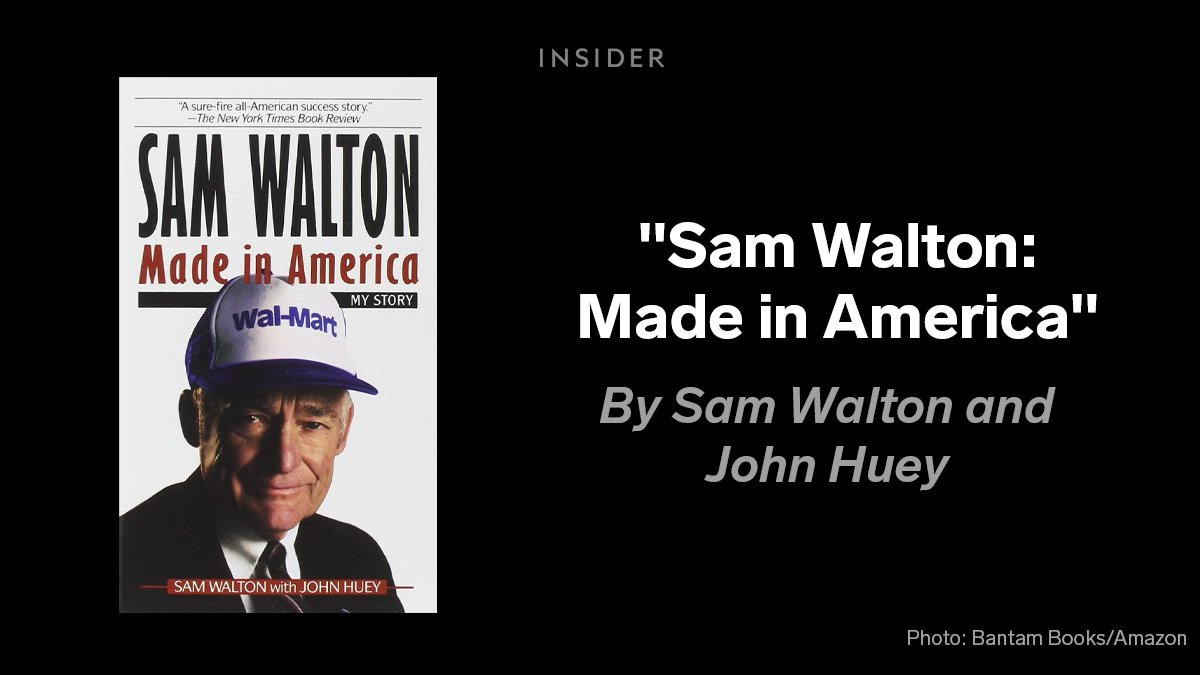
Some of Bezos' favorite books were instrumental to the creation of products and services like the Kindle and Amazon Web Services.

One of those is Walmart founder Sam Walton’s autobiography in which he recalls his career.

https://t.co/rhjcI1z3JC
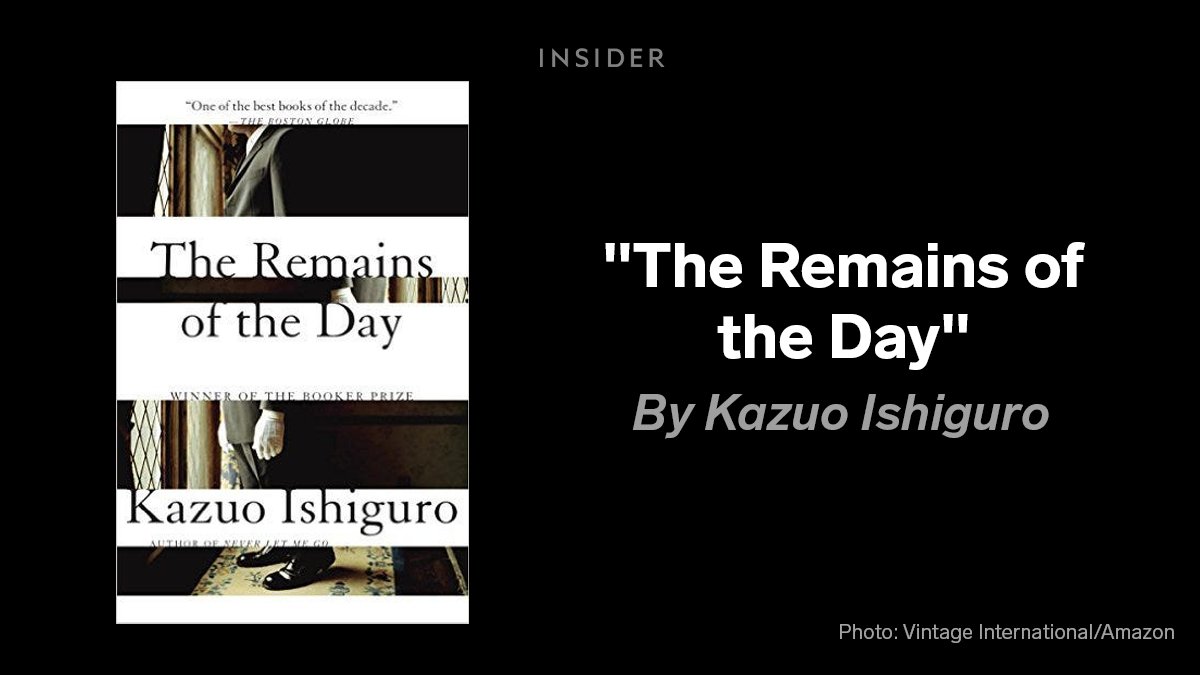
This Kazuo Ishiguro novel tells of an English butler in wartime England who begins to question his lifelong loyalty to his employer while on a vacation.

Bezos has said of the book, "Before reading it, I didn't think a perfect novel was possible."

https://t.co/rhjcI1z3JC
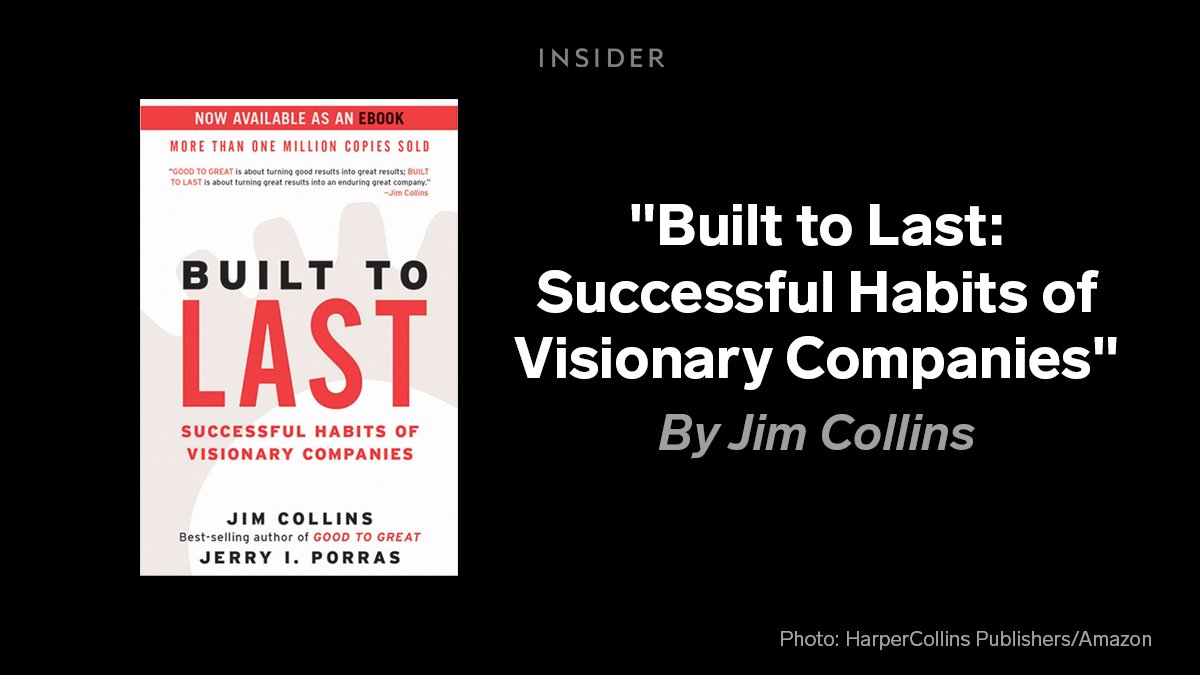
Bezos’ "favorite business book" draws on six years of research from the Stanford University Graduate School of Business that looks into what separates exceptional companies from their competitors.

https://t.co/rhjcI1z3JC
Elon Musk's must-reads include a number of sci-fi novels.

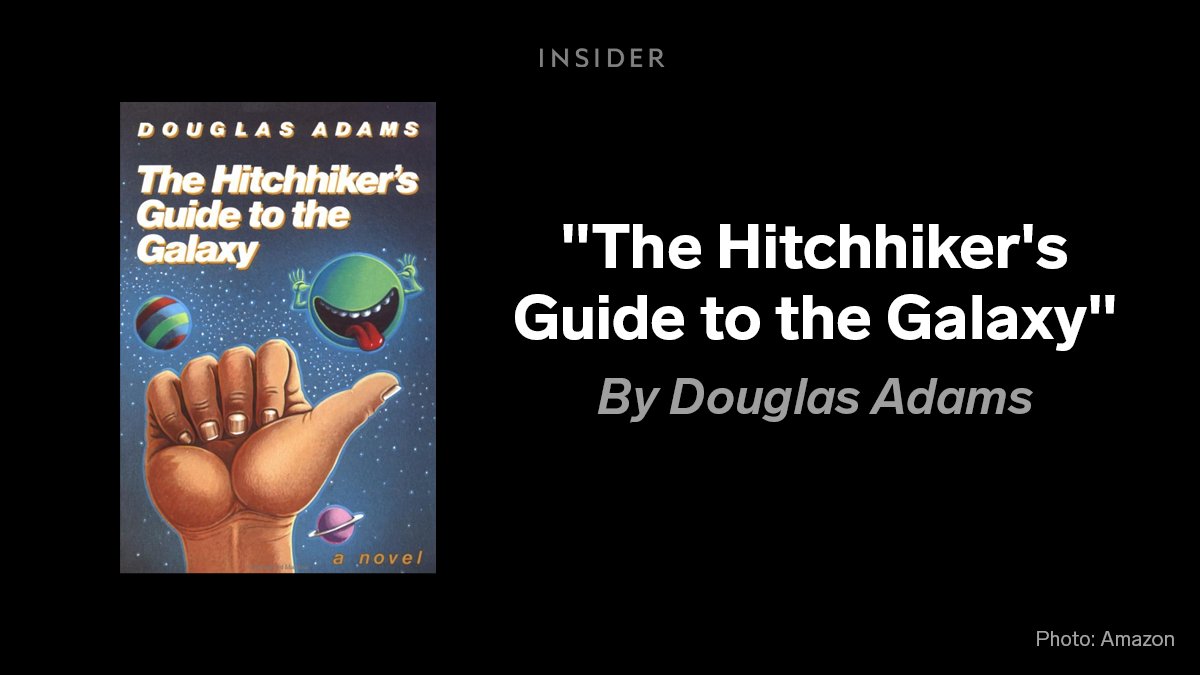
He read "The Hitchhiker's Guide to the Galaxy" as a teenager, even saying the spacecraft in it is his favorite spacecraft from science fiction.

https://t.co/rhjcI1z3JC
Musk has also recommended several books on artificial intelligence, including “Superintelligence: Paths, Dangers, Strategies,” which considers questions about the future of intelligent life in a world where machines may become smarter than people.

https://t.co/rhjcI1z3JC
Bill Gates is known to make book recommendations quite often.

He said this is "the best business book I've ever read," when discussing "Business Adventures: Twelve Classic Tales from the World of Wall Street."

https://t.co/rhjcI1z3JC
Gates has called Hans Rosling’s book on thinking patterns and tendencies that distort people's perceptions of the world, "one of the most educational books I've ever read."

https://t.co/rhjcI1z3JC
To learn more strategy tips from business experts with book recommendations and beyond, visit @thisisinsider. 👇

https://t.co/rhjcI1z3JC

More from Learning

After reading 100s of short and long ebooks,

We have shortlisted these ebooks every no-code learner should read:

#1 The No-code Revolution

https://t.co/reOSvnTOs6

The ebook from @webflow will provide an overview of the no-code movement and its importance.

It also provides insights on bringing no-code to your company and how it will impact the world!

#2 Zero to MVP with No-code

https://t.co/7JD6RQvocZ

The book written by @MakadiaHarsh, with 21 chapters, provides a complete guide to building no-code apps.

It also explains the difference between no-code, code, & low-code, and 120+ tools to build MVPs.

#3 The What's, How's, and Why's of No-code

https://t.co/YH5L6pJrW0

This book from @QuixyOfficial provides insights on no-code development, how it's different from other development, and why it is essential for stakeholders of an organization.

#4 No-code Ebook

https://t.co/PV6M9oMZCF

The book developed by @NeotaLogic explains the importance of no-code and provides advice on selecting the correct no-code platforms according to requirements.

You May Also Like

1/“What would need to be true for you to….X”

Why is this the most powerful question you can ask when attempting to reach an agreement with another human being or organization?

A thread, co-written by @deanmbrody:


2/ First, “X” could be lots of things. Examples: What would need to be true for you to

- “Feel it's in our best interest for me to be CMO"
- “Feel that we’re in a good place as a company”
- “Feel that we’re on the same page”
- “Feel that we both got what we wanted from this deal

3/ Normally, we aren’t that direct. Example from startup/VC land:

Founders leave VC meetings thinking that every VC will invest, but they rarely do.

Worse over, the founders don’t know what they need to do in order to be fundable.

4/ So why should you ask the magic Q?

To get clarity.

You want to know where you stand, and what it takes to get what you want in a way that also gets them what they want.

It also holds them (mentally) accountable once the thing they need becomes true.

5/ Staying in the context of soliciting investors, the question is “what would need to be true for you to want to invest (or partner with us on this journey, etc)?”

Multiple responses to this question are likely to deliver a positive result.