
3. Forty-five percent children in the state are undernourished and the decline of maternal mortality rate has decelerated.
What is the Gujarat Model of ‘development’? Thread.
1. Gujarat spends less than 2% of its income on education (the norm is 5-6%) with the result that 45% workers in Gujarat are illiterate or studied up to the fifth standard with the quality of education very poor. (The Wire)
3. Forty-five percent children in the state are undernourished and the decline of maternal mortality rate has decelerated.
One of the reasons it attracts businesses is because of the low wage rates, which are comparable to that of Uttar Pradesh.
https://t.co/9I0D41poQX
Workers working with bare hand and feet, often without safety gear handling even hazardous substances like asbestos.
Many have died from gas explosions, accidents.
Their deaths often go unreported or underreported.
(TheEconomicTimes)
According to the Union ministry of MSMEs, the number of sick units jumped from 4,321 in 2011 to 20,615 in 2013 and 49,382 in 2015.
Between 2004 and 2014, 60,000 MSMEs shut down in Gujarat.
(The LiveMint)
More from India






You May Also Like






The first area to focus on is diversity. This has become a dogma in the tech world, and despite the fact that tech is one of the most meritocratic industries in the world, there are constant efforts to promote diversity at the expense of fairness, merit and competency. Examples:
USC's Interactive Media & Games Division cancels all-star panel that included top-tier game developers who were invited to share their experiences with students. Why? Because there were no women on the
ElectronConf is a conf which chooses presenters based on blind auditions; the identity, gender, and race of the speaker is not known to the selection team. The results of that merit-based approach was an all-male panel. So they cancelled the conference.
Apple's head of diversity (a black woman) got in trouble for promoting a vision of diversity that is at odds with contemporary progressive dogma. (She left the company shortly after this
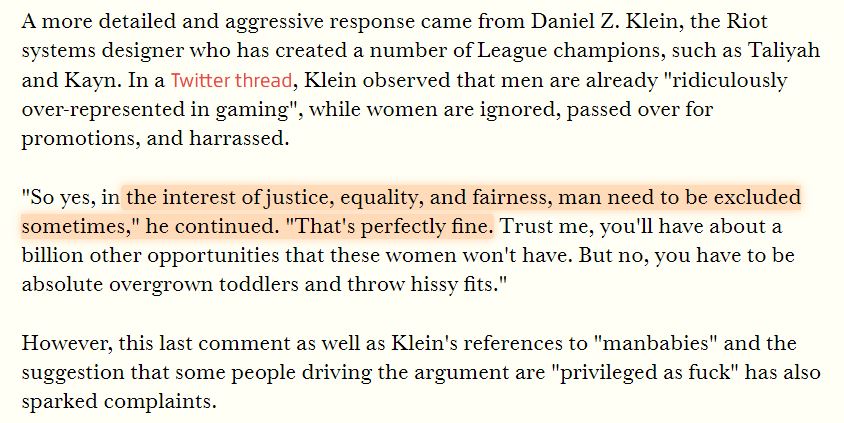
Also in the name of diversity, there is unabashed discrimination against men (especially white men) in tech, in both hiring policies and in other arenas. One such example is this, a developer workshop that specifically excluded men: https://t.co/N0SkH4hR35
USC's Interactive Media & Games Division cancels all-star panel that included top-tier game developers who were invited to share their experiences with students. Why? Because there were no women on the
ElectronConf is a conf which chooses presenters based on blind auditions; the identity, gender, and race of the speaker is not known to the selection team. The results of that merit-based approach was an all-male panel. So they cancelled the conference.
Apple's head of diversity (a black woman) got in trouble for promoting a vision of diversity that is at odds with contemporary progressive dogma. (She left the company shortly after this
Also in the name of diversity, there is unabashed discrimination against men (especially white men) in tech, in both hiring policies and in other arenas. One such example is this, a developer workshop that specifically excluded men: https://t.co/N0SkH4hR35