Tomorrow at 11am on our Youtube channel. Have simplified it to an extent that even a 5th Grader understands the key terms 🙏
Link🎥
https://t.co/AKBBNV6N49

More from Intrinsic Compounding
Sequent will teach many people about what Hyperbolic Discounting and Myopic Loss aversion means. 2 Mental models which an equity investor has to understand about. No other way. Disc: invested, not a reco
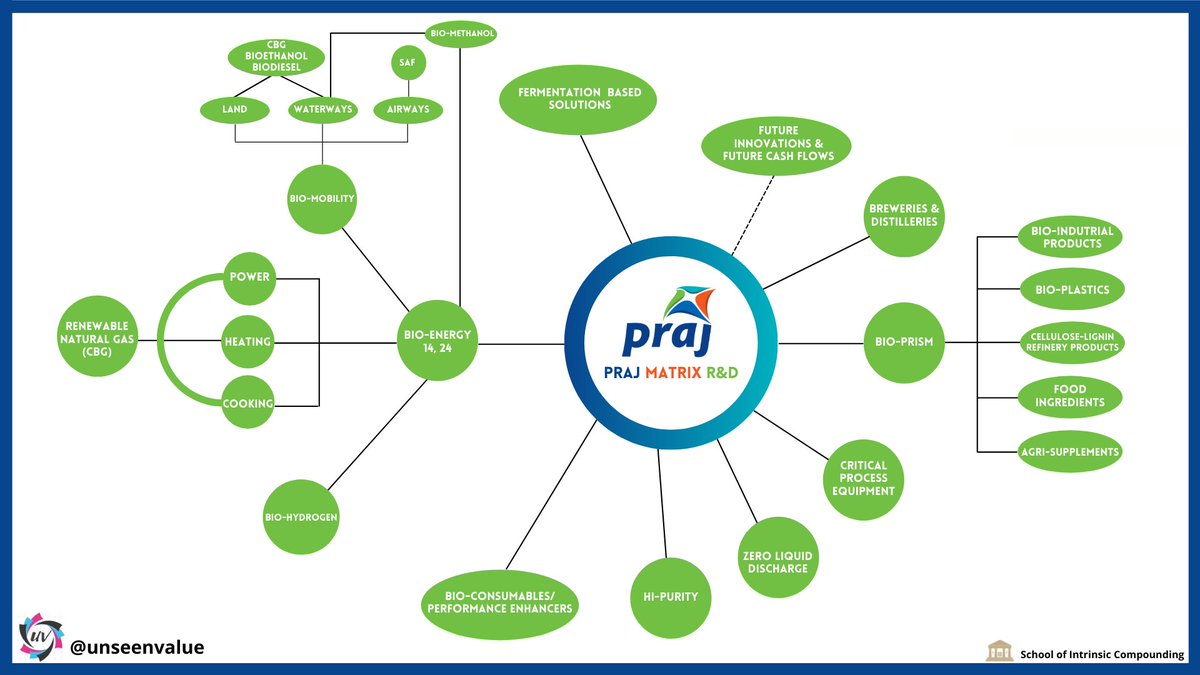
Having multiple facilities accredited with certifications from the best authorities from globe is a hidden moat in itself... 10-20% pop and then retracement should not shake confidence... Business focus and longevity should build conviction
— Harinder S Nanda (@harindersnanda) July 14, 2021
\U0001f436\U0001f431\U0001f434\U0001f42e\U0001f437\U0001f411@unseenvalue @soicfinance


More from Ideas


You May Also Like

The first area to focus on is diversity. This has become a dogma in the tech world, and despite the fact that tech is one of the most meritocratic industries in the world, there are constant efforts to promote diversity at the expense of fairness, merit and competency. Examples:
USC's Interactive Media & Games Division cancels all-star panel that included top-tier game developers who were invited to share their experiences with students. Why? Because there were no women on the
ElectronConf is a conf which chooses presenters based on blind auditions; the identity, gender, and race of the speaker is not known to the selection team. The results of that merit-based approach was an all-male panel. So they cancelled the conference.
Apple's head of diversity (a black woman) got in trouble for promoting a vision of diversity that is at odds with contemporary progressive dogma. (She left the company shortly after this
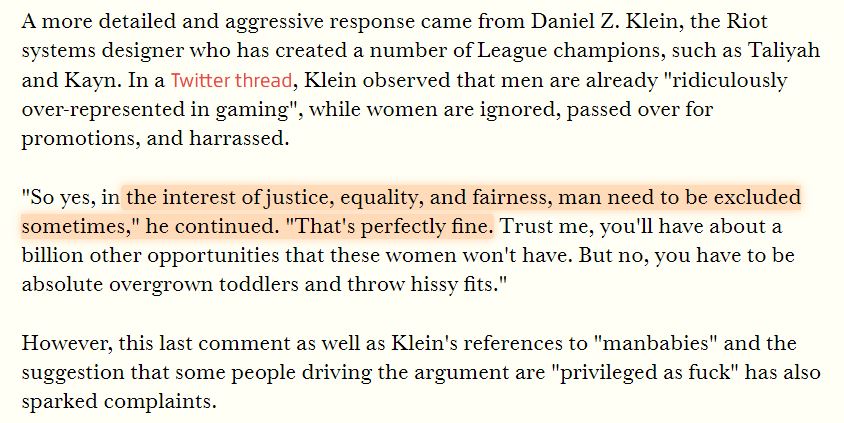
Also in the name of diversity, there is unabashed discrimination against men (especially white men) in tech, in both hiring policies and in other arenas. One such example is this, a developer workshop that specifically excluded men: https://t.co/N0SkH4hR35
USC's Interactive Media & Games Division cancels all-star panel that included top-tier game developers who were invited to share their experiences with students. Why? Because there were no women on the
ElectronConf is a conf which chooses presenters based on blind auditions; the identity, gender, and race of the speaker is not known to the selection team. The results of that merit-based approach was an all-male panel. So they cancelled the conference.
Apple's head of diversity (a black woman) got in trouble for promoting a vision of diversity that is at odds with contemporary progressive dogma. (She left the company shortly after this
Also in the name of diversity, there is unabashed discrimination against men (especially white men) in tech, in both hiring policies and in other arenas. One such example is this, a developer workshop that specifically excluded men: https://t.co/N0SkH4hR35