During the late 19th century and the early 20th century freak shows were at their height of popularity; the period 1840s through to the 1940s saw the organized for-profit exhibition of people with physical, mental or behavioral disabilities.

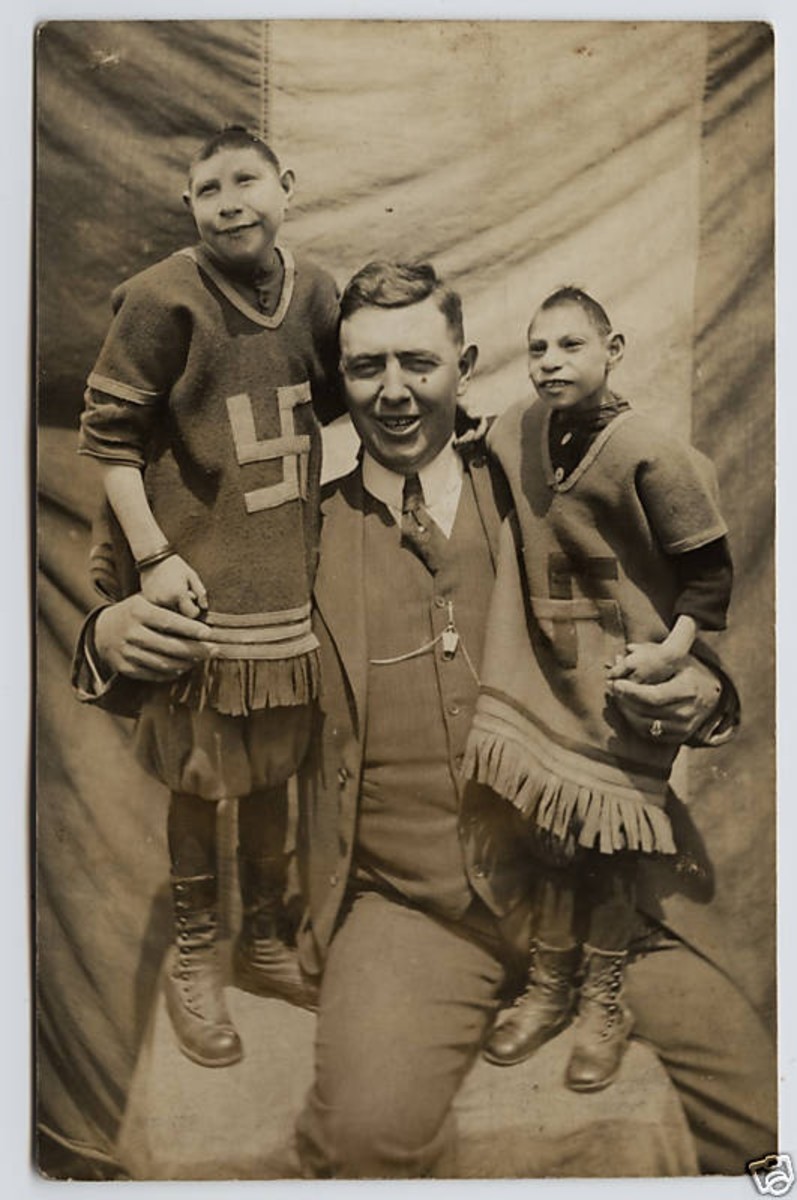
The Jaramillo sisters Natalia (b. 1889) and Aurora (b. 1896) were from Albuquerque, New Mexico.
Stephan Bibrowsky (1890-1932), known as Lionel the Lion-Faced Man (due to a rare condition called hypertrichosis).
“Ladies and gentlemen … I would like to introduce Mr. Joseph Merrick, the Elephant Man. Before doing so I ask you please to prepare yourselves—Brace yourselves up to witness one who is probably the most remarkable human being ever to draw the breath of life.”
Lazarus and Joannes were Italian conjoined twins who toured Europe during the 17th century.
Miss Rosina ended her shows with the following statements: “In conclusion, ladies and gentlemen, I may say that as this is my means of getting a living, you will kindly recommend your friends to see my show.”
Josephine Myrtle Corbin had two separate pelvises side by side from the waist down, as a result of her body axis splitting as it developed.
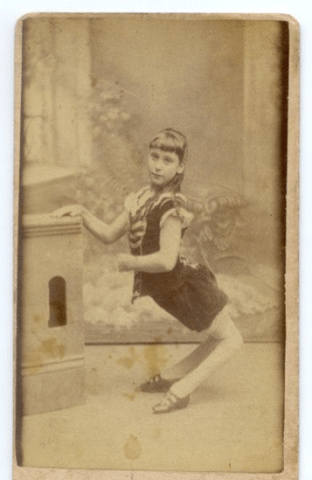
Ella Harper: “I am called the camel girl because my knees turn backward. (...) I have traveled considerably in the show business for the past four years and now, this is 1886 and I intend to quit the show business and go to school and fit myself for another occupation."
Changing attitudes about physical differences led to the decline of the freak show as a form of entertainment towards the end of the 19th century. Laws were passed restricting them.
Though movies and television played a big part in the decline of the freak show, the rise of disability rights was the true cause of death.
Read more: https://t.co/5pyZBQWIg9
Freakshow posters, 1875.
British Library
"Disability is key to understanding the freak show genre. Disabled people were at the heart of such exhibitions."

https://t.co/m2N6gHdfQZ

More from Marina Amaral

More from History

You May Also Like

THE MEANING, SIGNIFICANCE AND HISTORY OF SWASTIK

The Swastik is a geometrical figure and an ancient religious icon. Swastik has been Sanatan Dharma’s symbol of auspiciousness – mangalya since time immemorial.


The name swastika comes from Sanskrit (Devanagari: स्वस्तिक, pronounced: swastik) &denotes “conducive to wellbeing or auspicious”.
The word Swastik has a definite etymological origin in Sanskrit. It is derived from the roots su – meaning “well or auspicious” & as meaning “being”.


"सु अस्ति येन तत स्वस्तिकं"
Swastik is de symbol through which everything auspicios occurs

Scholars believe word’s origin in Vedas,known as Swasti mantra;

"🕉स्वस्ति ना इन्द्रो वृधश्रवाहा
स्वस्ति ना पूषा विश्ववेदाहा
स्वस्तिनास्तरक्ष्यो अरिश्तनेमिही
स्वस्तिनो बृहस्पतिर्दधातु"


It translates to," O famed Indra, redeem us. O Pusha, the beholder of all knowledge, redeem us. Redeem us O Garudji, of limitless speed and O Bruhaspati, redeem us".

SWASTIK’s COSMIC ORIGIN

The Swastika represents the living creation in the whole Cosmos.


Hindu astronomers divide the ecliptic circle of cosmos in 27 divisions called
https://t.co/sLeuV1R2eQ this manner a cross forms in 4 directions in the celestial sky. At centre of this cross is Dhruva(Polestar). In a line from Dhruva, the stars known as Saptarishi can be observed.