
This is the field where my grandmother’s family was murdered in April 1943. I met one of the witnesses, a neighbor, several years ago. She said she saw them being marched away, was told by a Nazi to get back inside or risk joining them... 1/#InternationalHolocaustRemembranceDay

Most of my grandmother’s family were killed in those awful days in 1943.
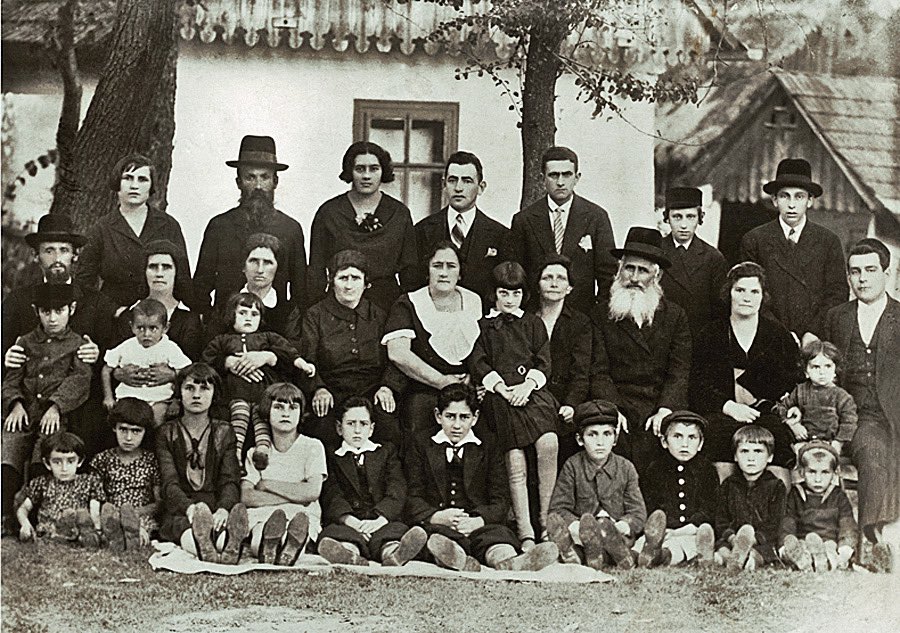
I have been searching for Eli, my uncle, for two decades.


More from History




Thank you so much to the incredible @gregjenner and his team for having me on "You're Dead to Me" and to @kaekurd for being so hilarious and bringing Gilgamesh the restaurant into my life!
Here’s a thread of some of the stuff referenced in the podcast for those interested
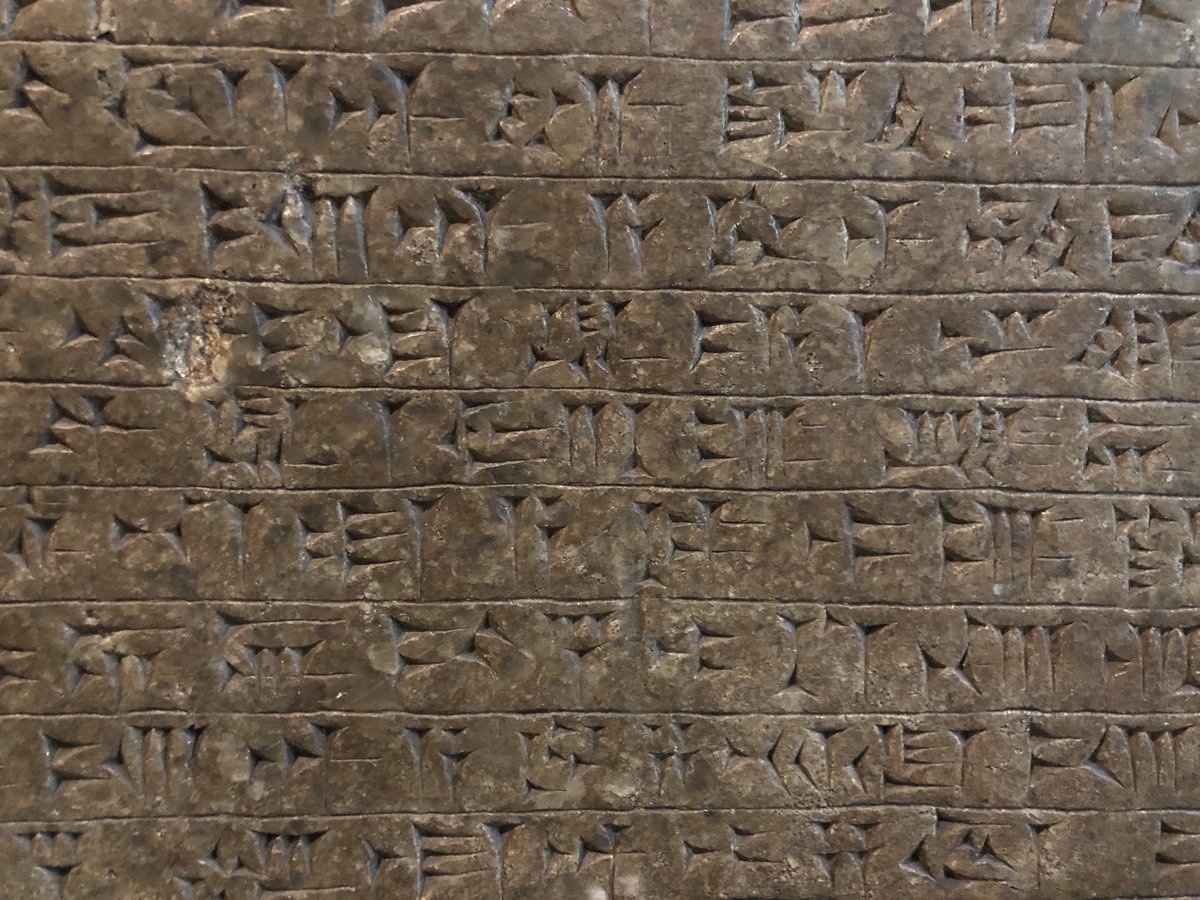
First of all, what even is cuneiform?
It’s a writing system from the ancient Middle East, used to write several languages like Sumerian and Akkadian. Cuneiform signs can stand for whole words or syllables. Here’s a little primer of its evolution https://t.co/7CVjLCHwkS
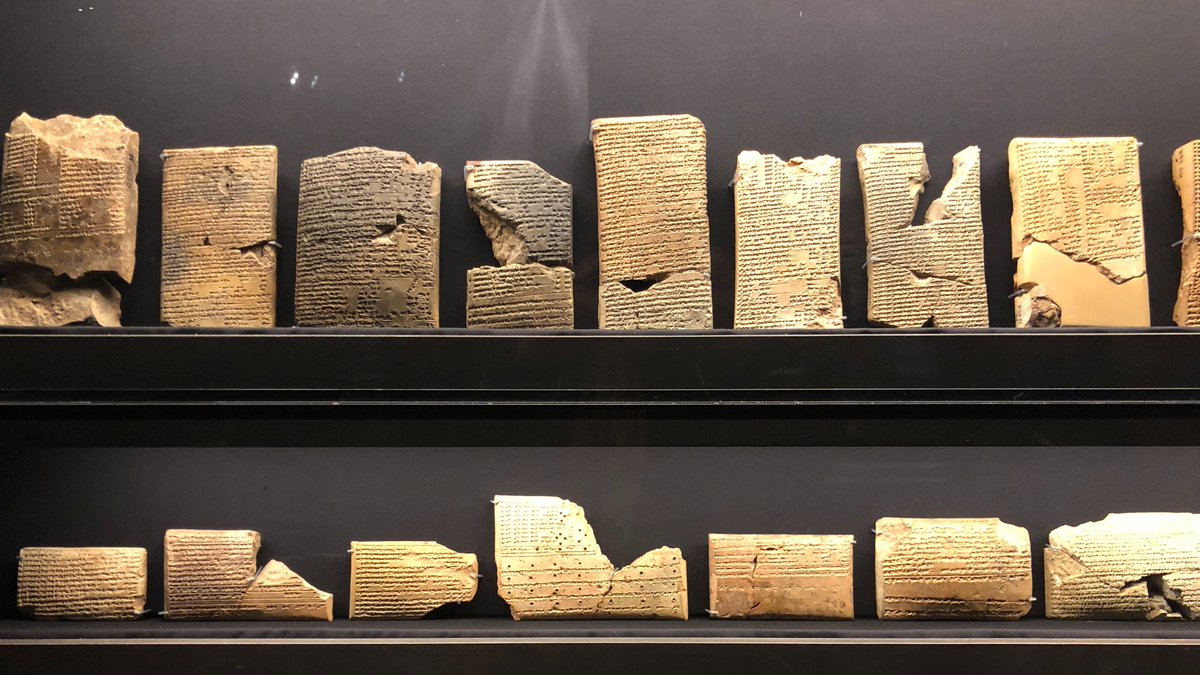
What kinds of texts was cuneiform used to write?
Initially, accounting records and lists.
Eventually, literature, astronomy, medicine, maps, architectural plans, omens, letters, contracts, law collections, and more.
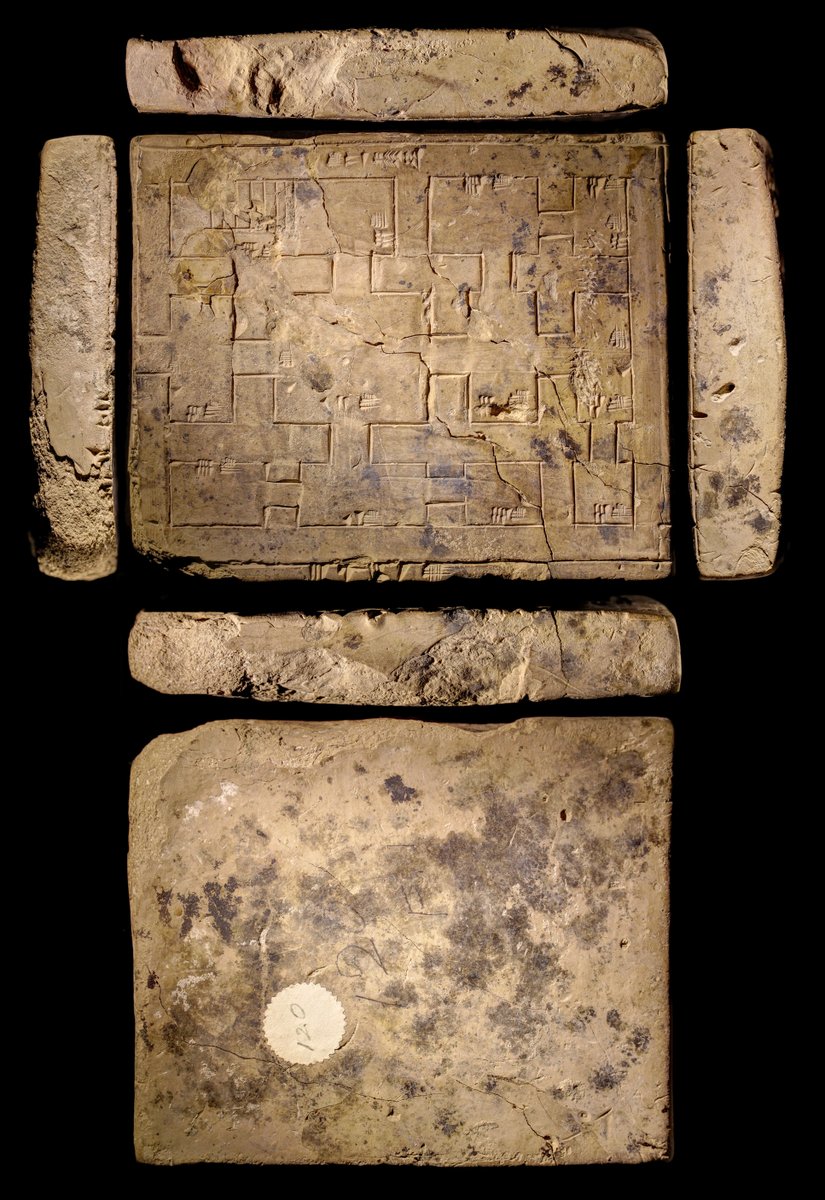
Texts from the Library of Ashurbanipal, who ruled the ancient Assyrian empire when it was at its largest in the 7th century BCE, represent many of the genres of cuneiform texts and scholarship.
Here’s a short intro to the library via @opencuneiform https://t.co/wjnaxpMRrC
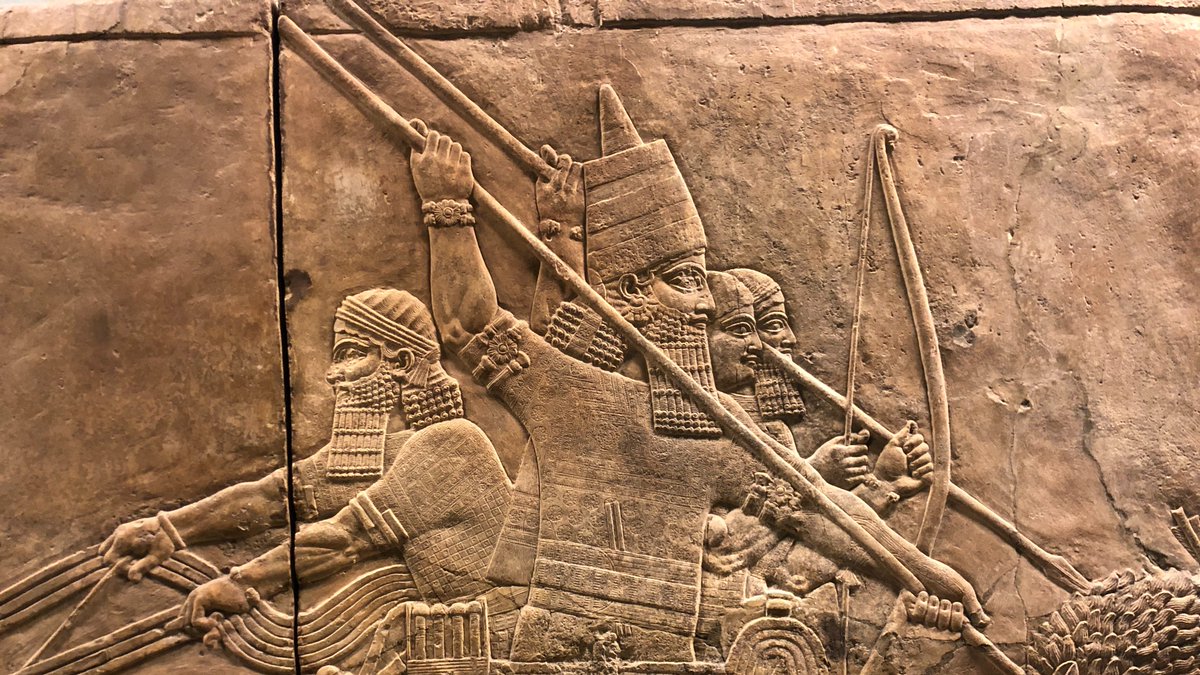
The Library of Ashurbanipal has a complicated modern and ancient history, which you can read about in this brilliant (and open access) book by Prof @Eleanor_Robson
Here’s a thread of some of the stuff referenced in the podcast for those interested
First of all, what even is cuneiform?
It’s a writing system from the ancient Middle East, used to write several languages like Sumerian and Akkadian. Cuneiform signs can stand for whole words or syllables. Here’s a little primer of its evolution https://t.co/7CVjLCHwkS
What kinds of texts was cuneiform used to write?
Initially, accounting records and lists.
Eventually, literature, astronomy, medicine, maps, architectural plans, omens, letters, contracts, law collections, and more.
Texts from the Library of Ashurbanipal, who ruled the ancient Assyrian empire when it was at its largest in the 7th century BCE, represent many of the genres of cuneiform texts and scholarship.
Here’s a short intro to the library via @opencuneiform https://t.co/wjnaxpMRrC
The Library of Ashurbanipal has a complicated modern and ancient history, which you can read about in this brilliant (and open access) book by Prof @Eleanor_Robson

You May Also Like










Recently, the @CNIL issued a decision regarding the GDPR compliance of an unknown French adtech company named "Vectaury". It may seem like small fry, but the decision has potential wide-ranging impacts for Google, the IAB framework, and today's adtech. It's thread time! 👇
It's all in French, but if you're up for it you can read:
• Their blog post (lacks the most interesting details): https://t.co/PHkDcOT1hy
• Their high-level legal decision: https://t.co/hwpiEvjodt
• The full notification: https://t.co/QQB7rfynha
I've read it so you needn't!
Vectaury was collecting geolocation data in order to create profiles (eg. people who often go to this or that type of shop) so as to power ad targeting. They operate through embedded SDKs and ad bidding, making them invisible to users.
The @CNIL notes that profiling based off of geolocation presents particular risks since it reveals people's movements and habits. As risky, the processing requires consent — this will be the heart of their assessment.
Interesting point: they justify the decision in part because of how many people COULD be targeted in this way (rather than how many have — though they note that too). Because it's on a phone, and many have phones, it is considered large-scale processing no matter what.
It's all in French, but if you're up for it you can read:
• Their blog post (lacks the most interesting details): https://t.co/PHkDcOT1hy
• Their high-level legal decision: https://t.co/hwpiEvjodt
• The full notification: https://t.co/QQB7rfynha
I've read it so you needn't!
Vectaury was collecting geolocation data in order to create profiles (eg. people who often go to this or that type of shop) so as to power ad targeting. They operate through embedded SDKs and ad bidding, making them invisible to users.
The @CNIL notes that profiling based off of geolocation presents particular risks since it reveals people's movements and habits. As risky, the processing requires consent — this will be the heart of their assessment.
Interesting point: they justify the decision in part because of how many people COULD be targeted in this way (rather than how many have — though they note that too). Because it's on a phone, and many have phones, it is considered large-scale processing no matter what.