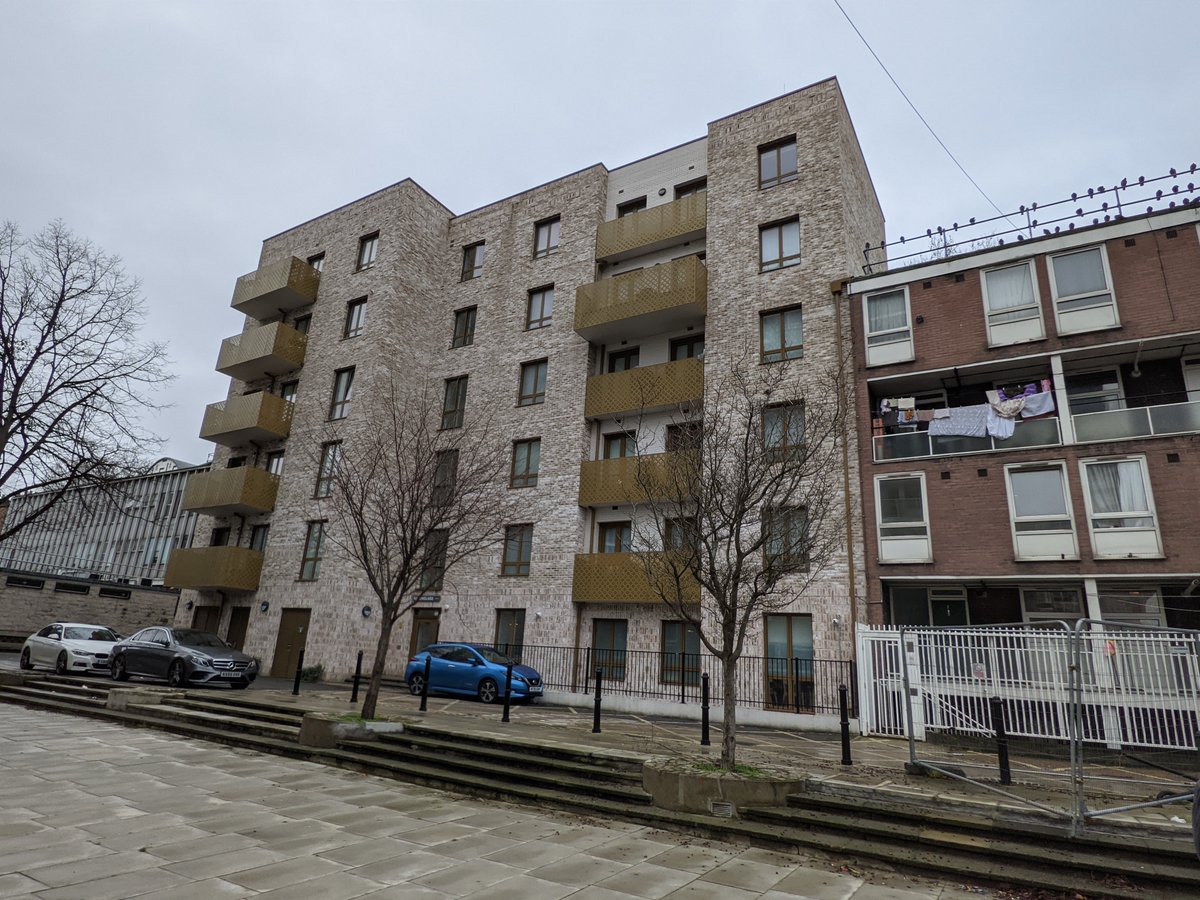
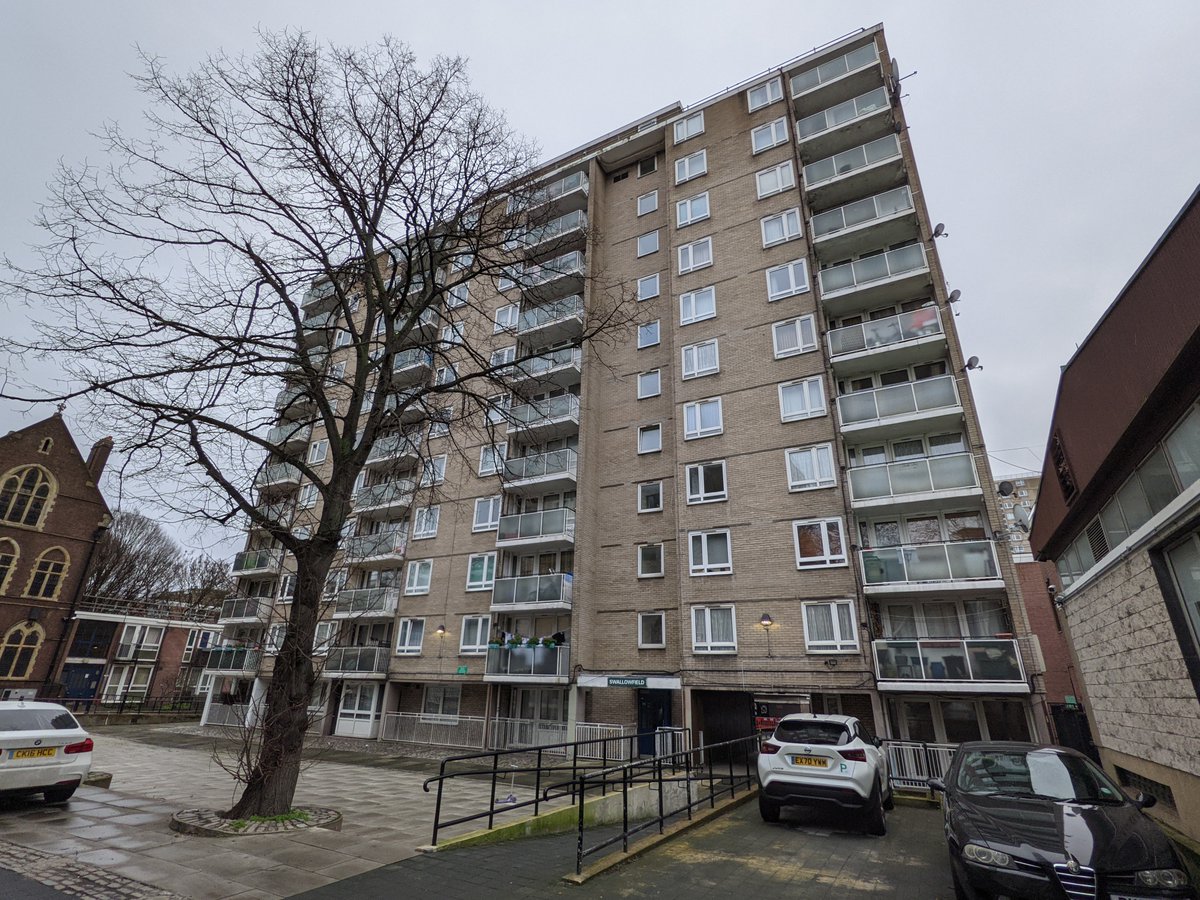
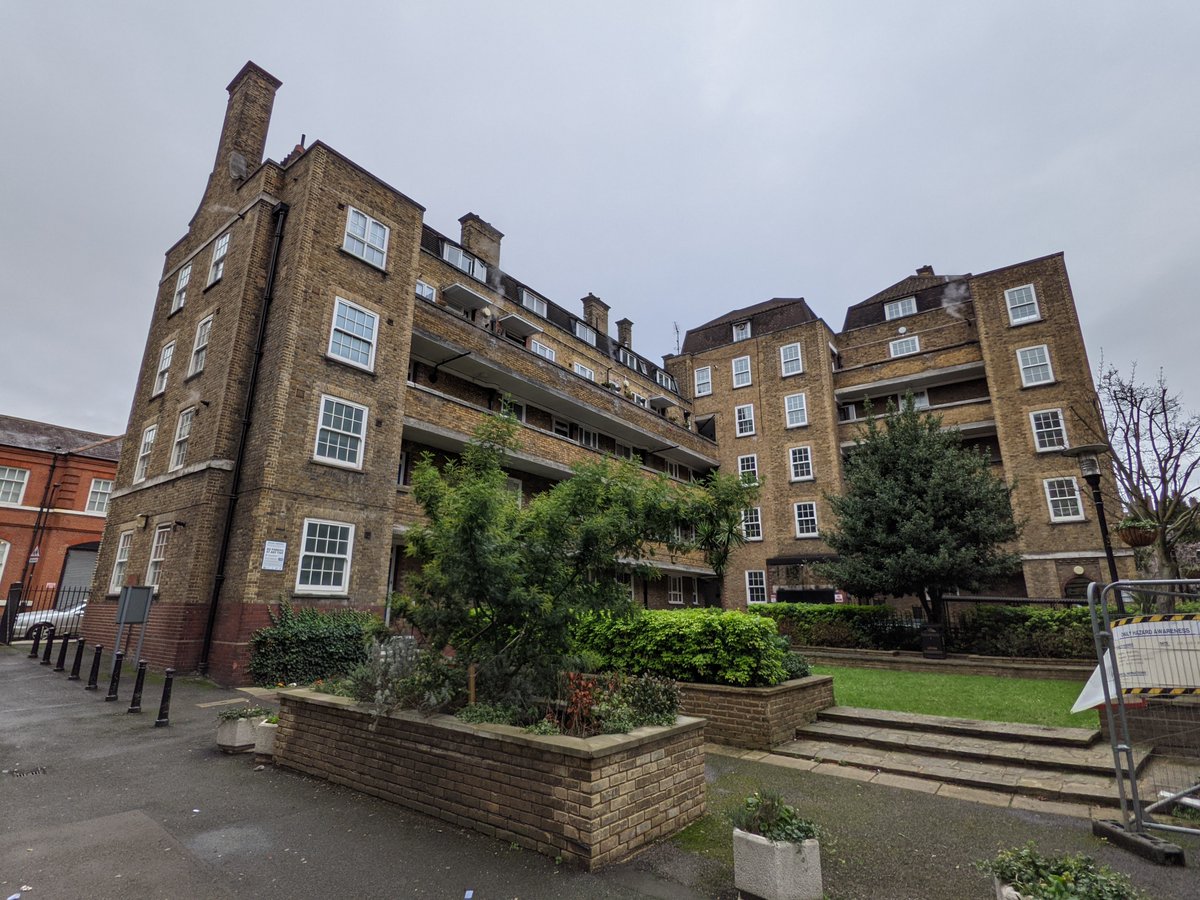
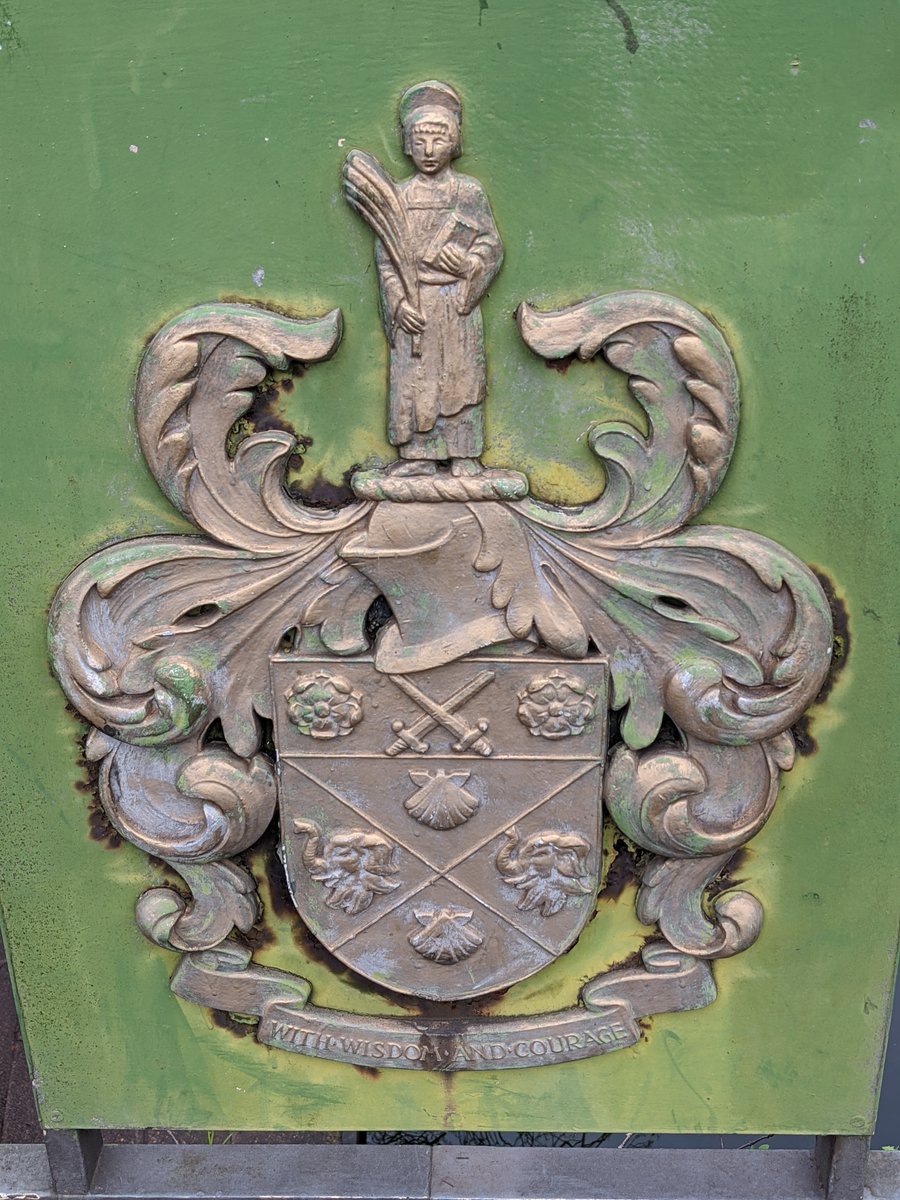
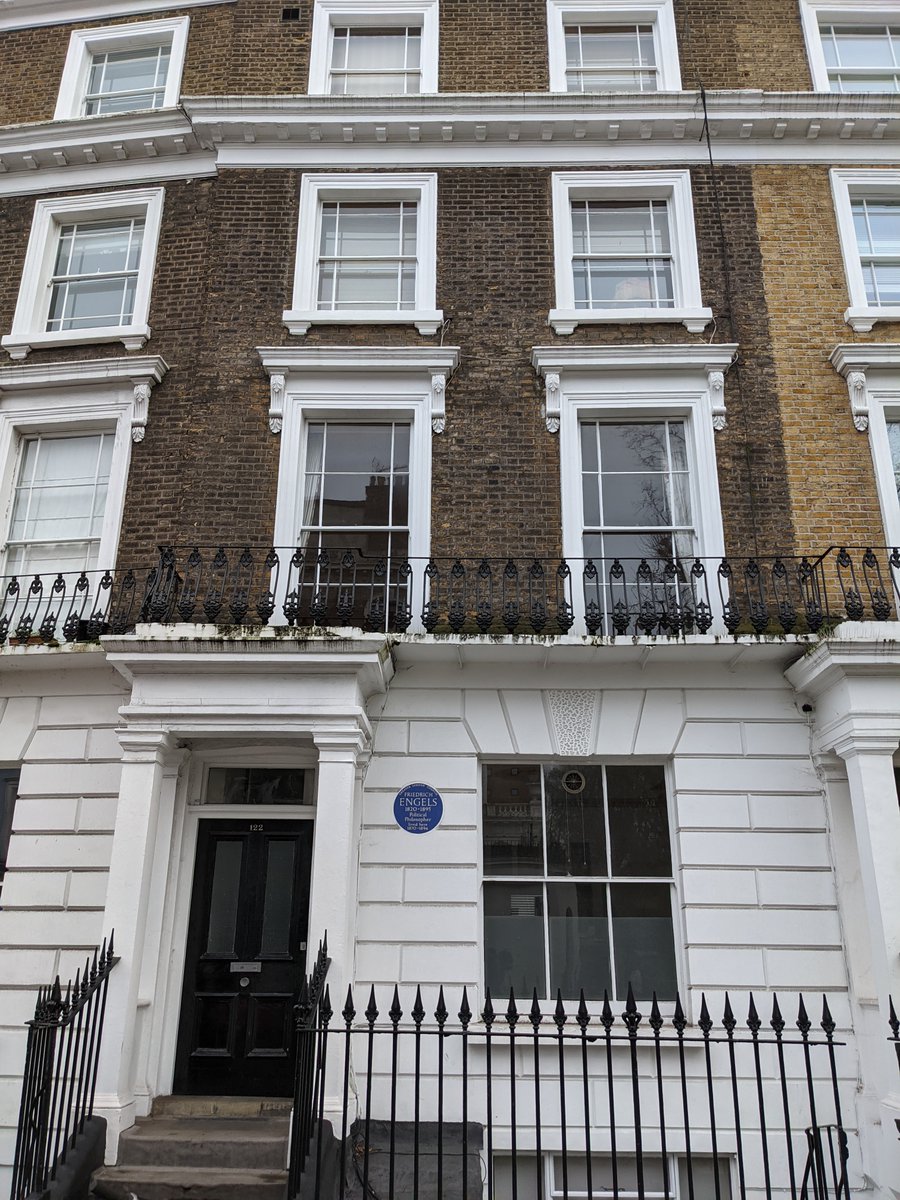
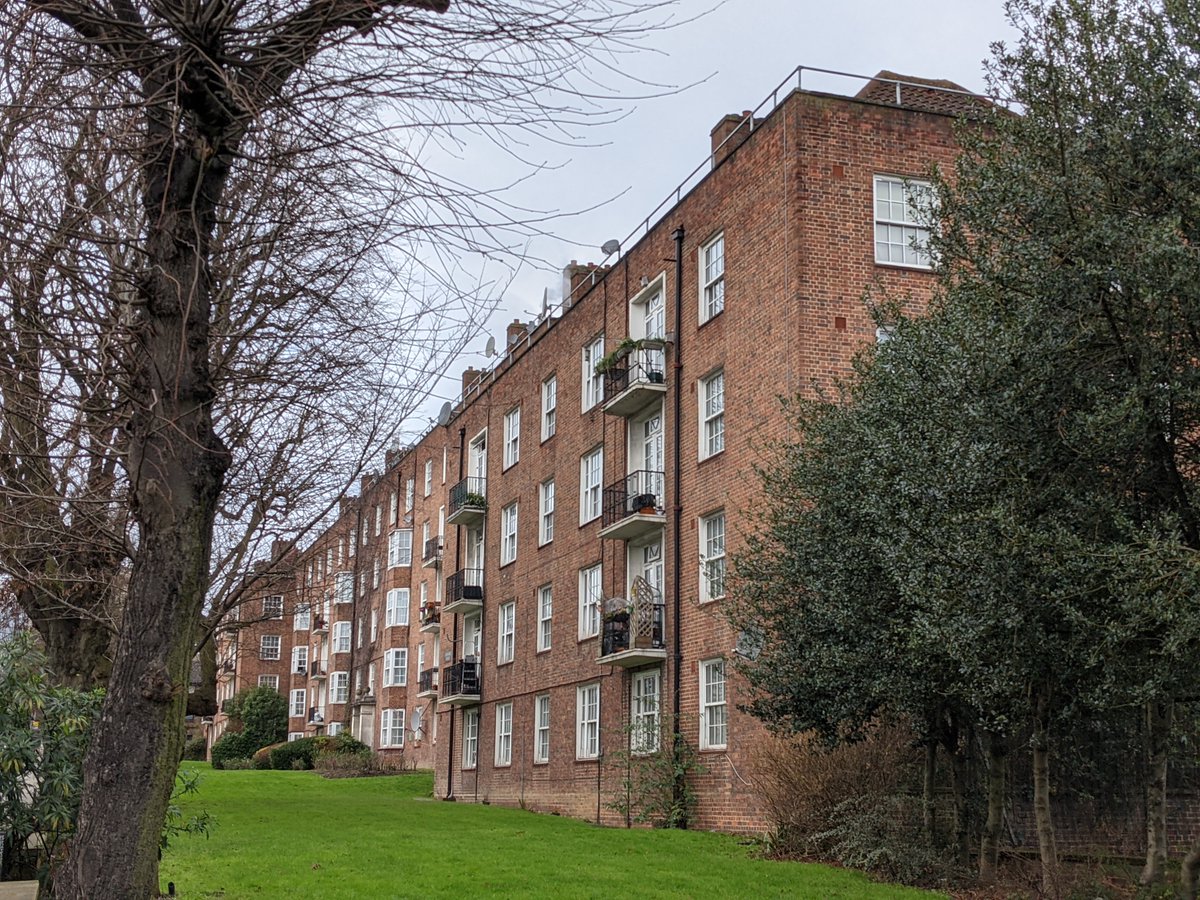
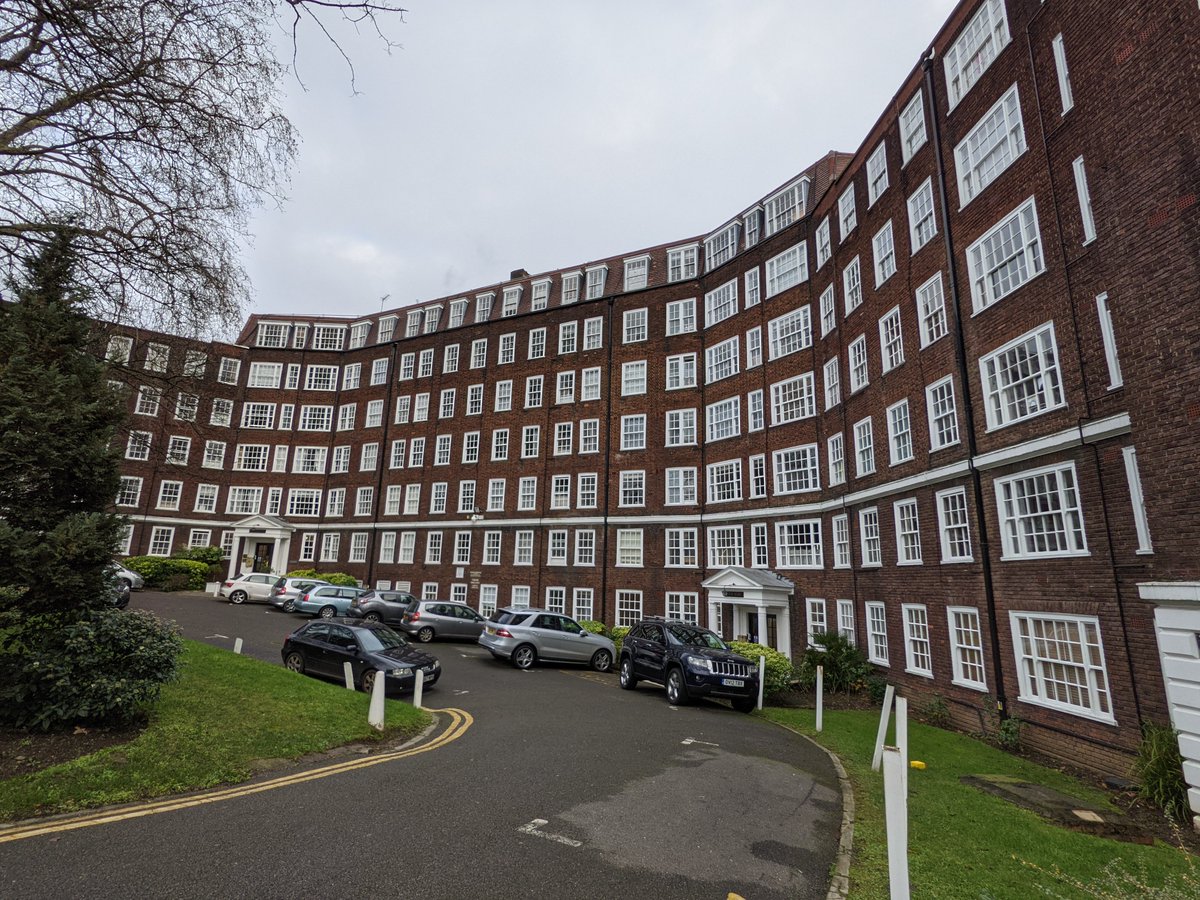
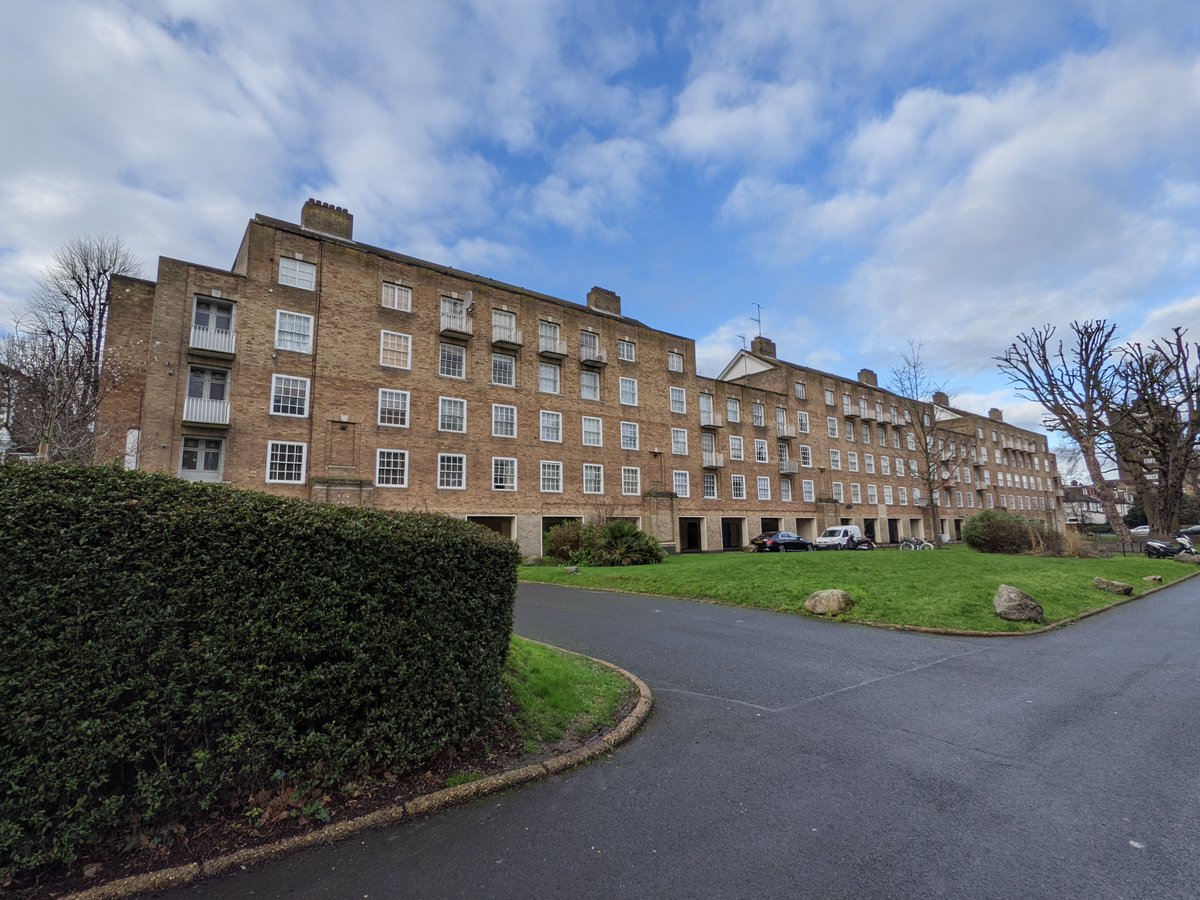
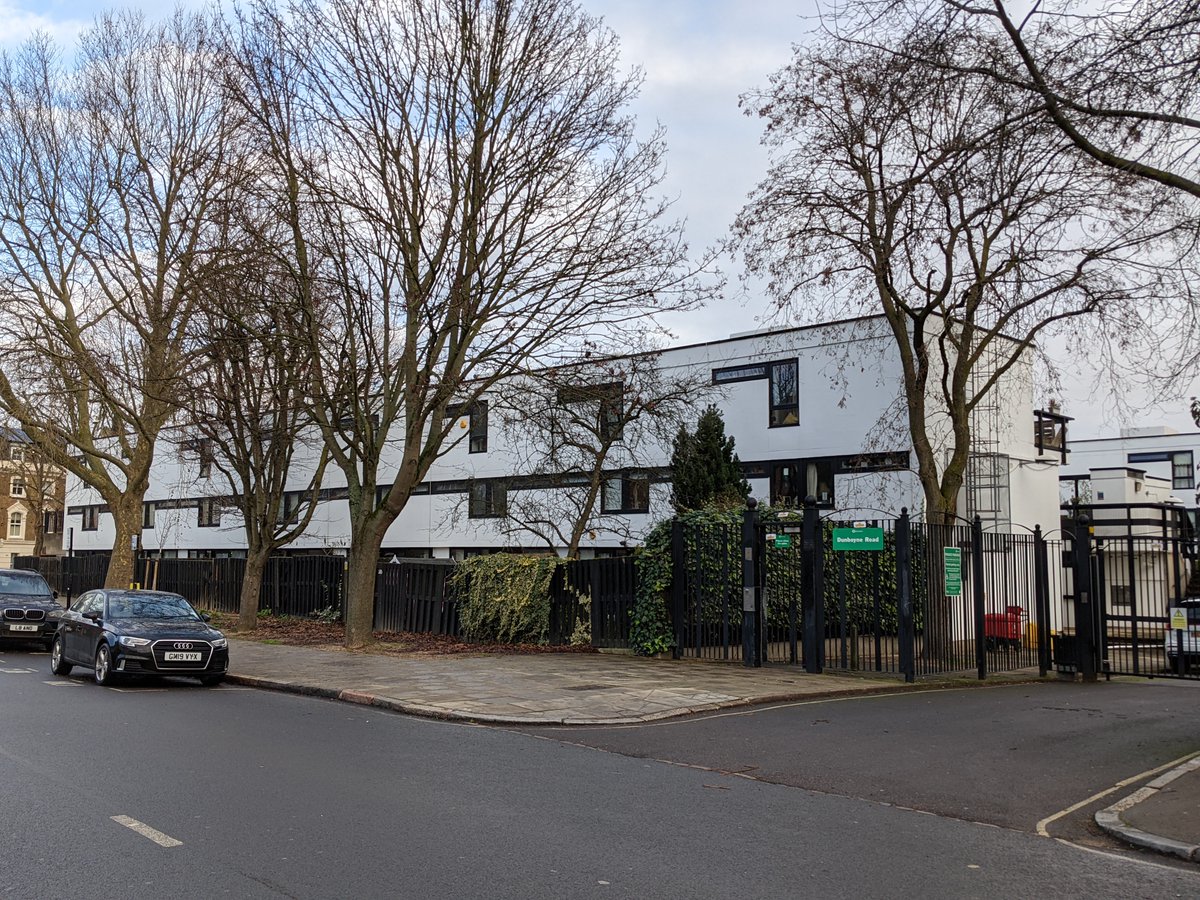
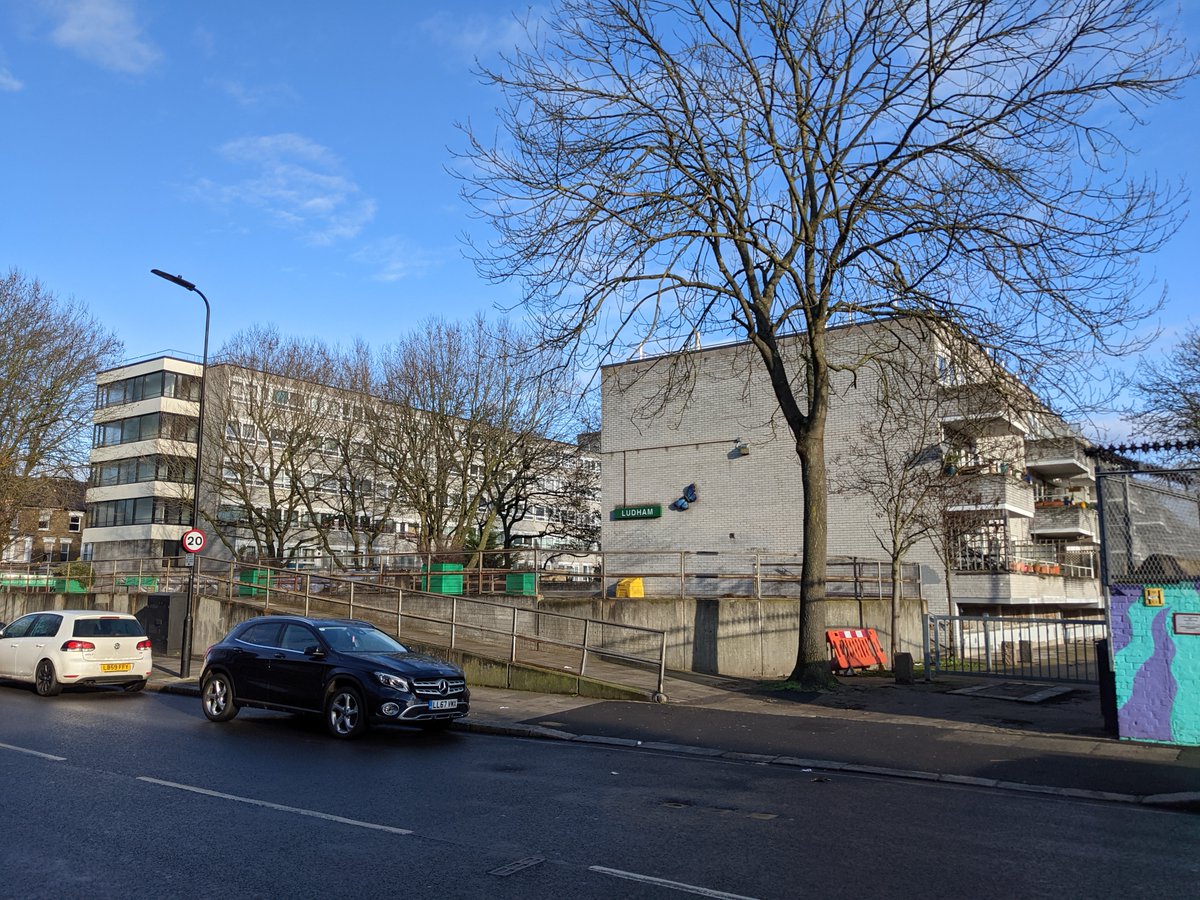
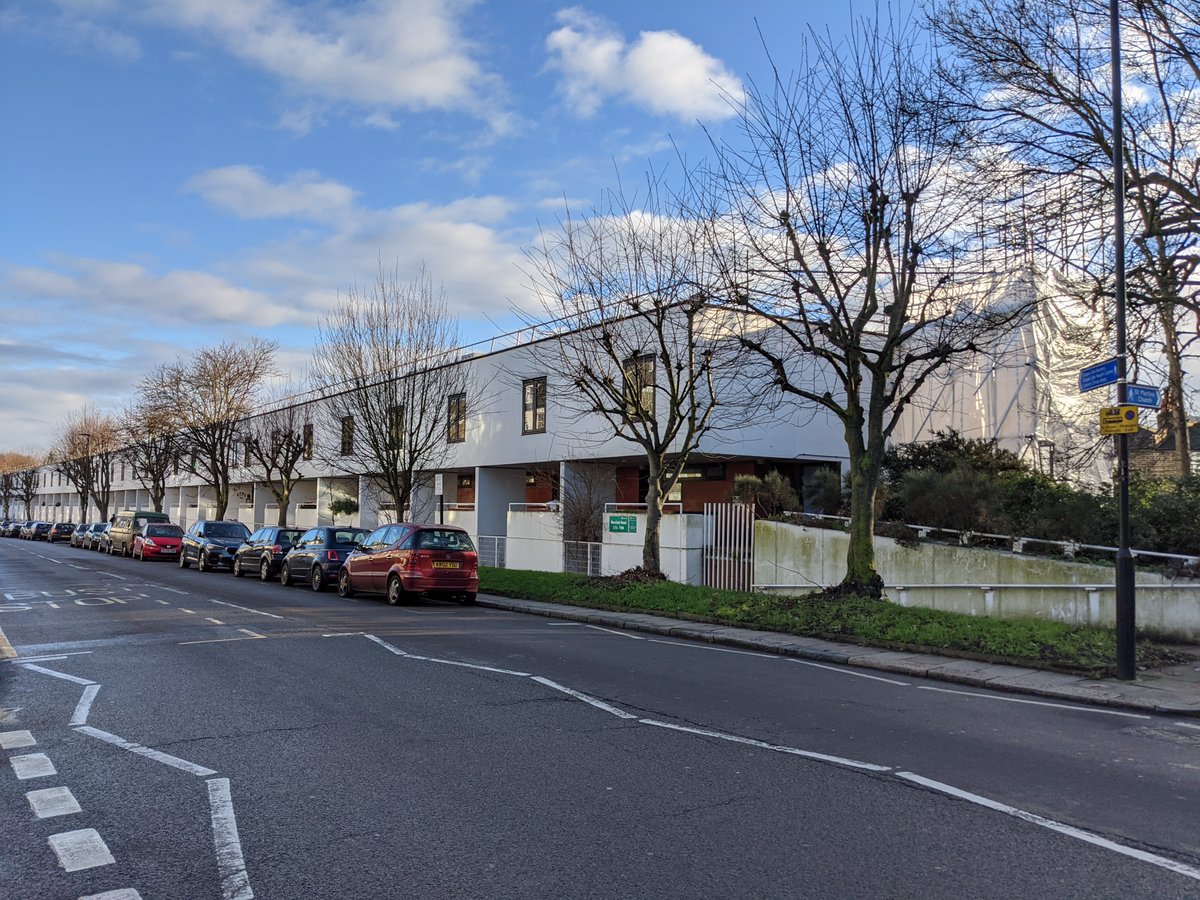
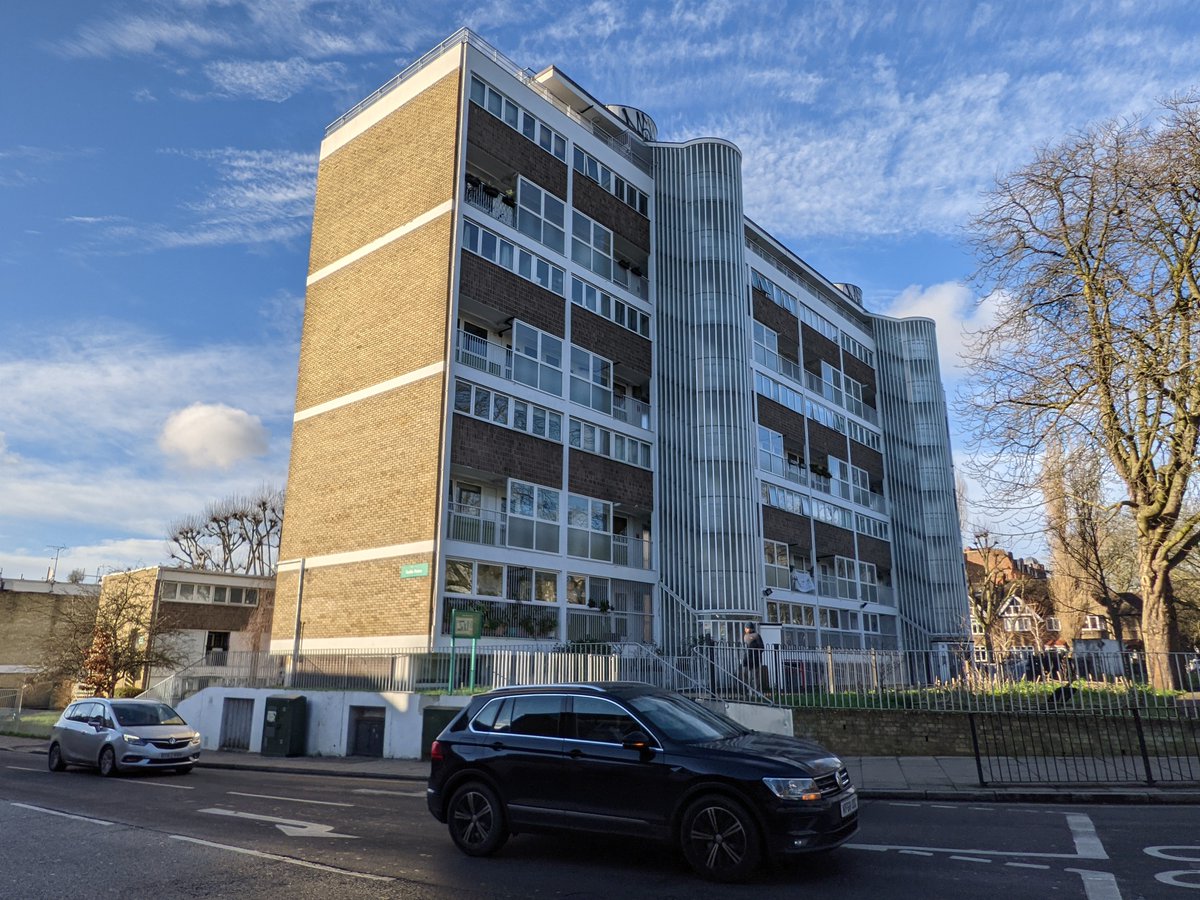
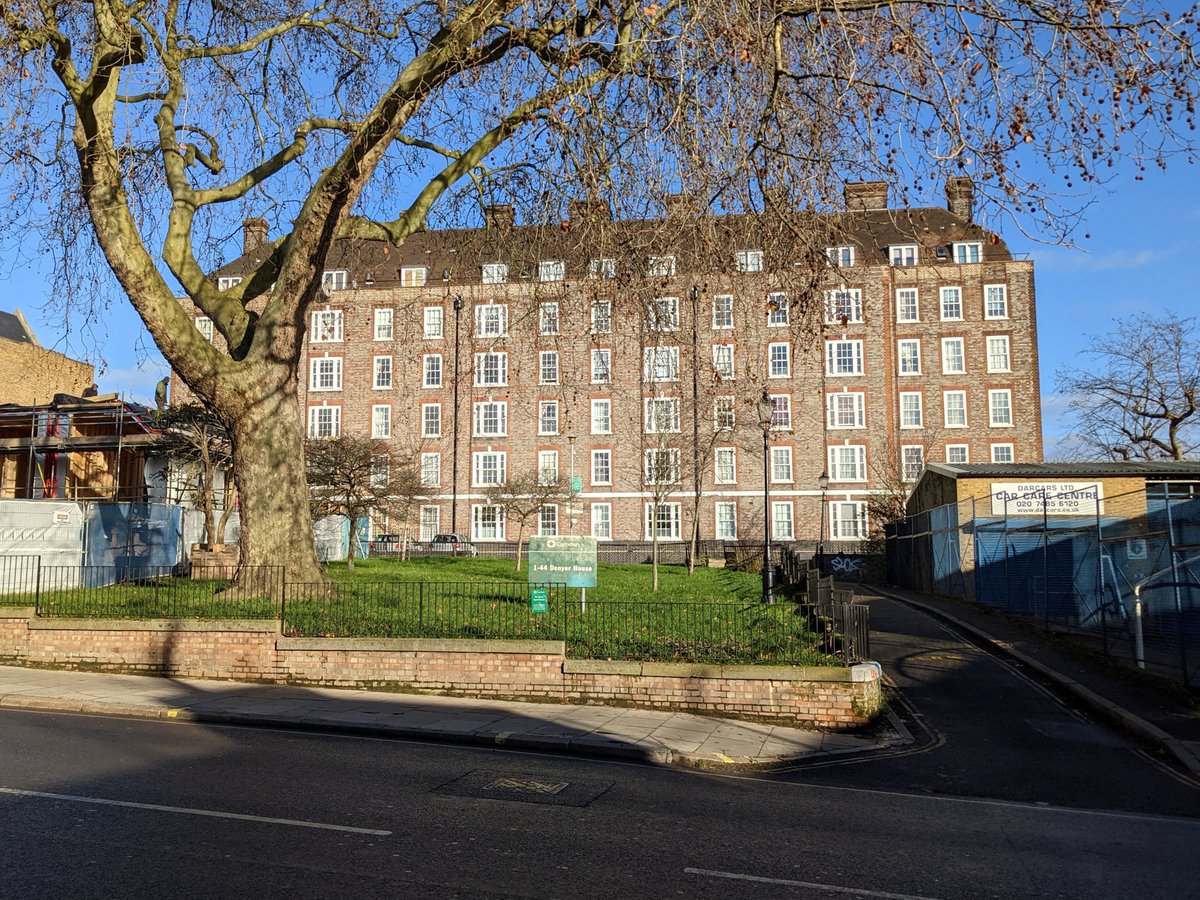
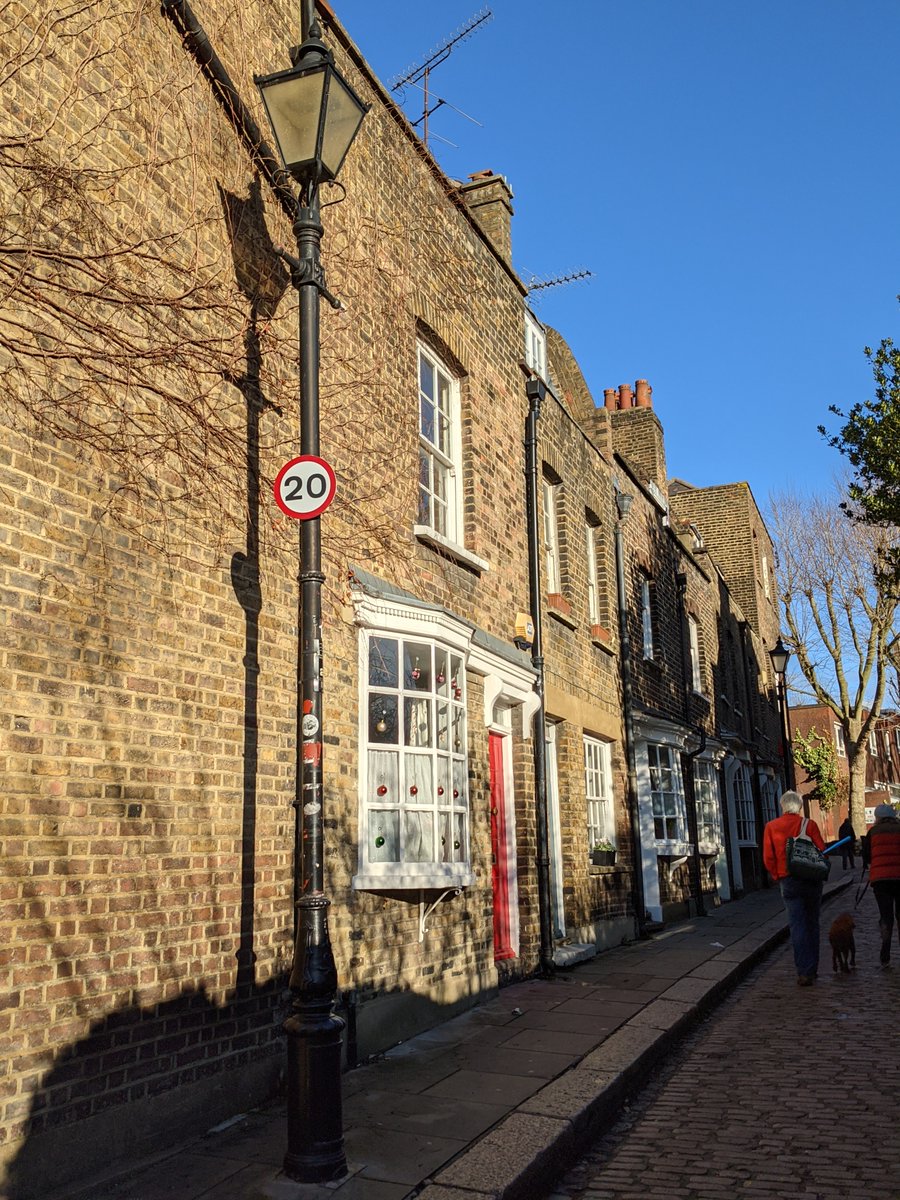
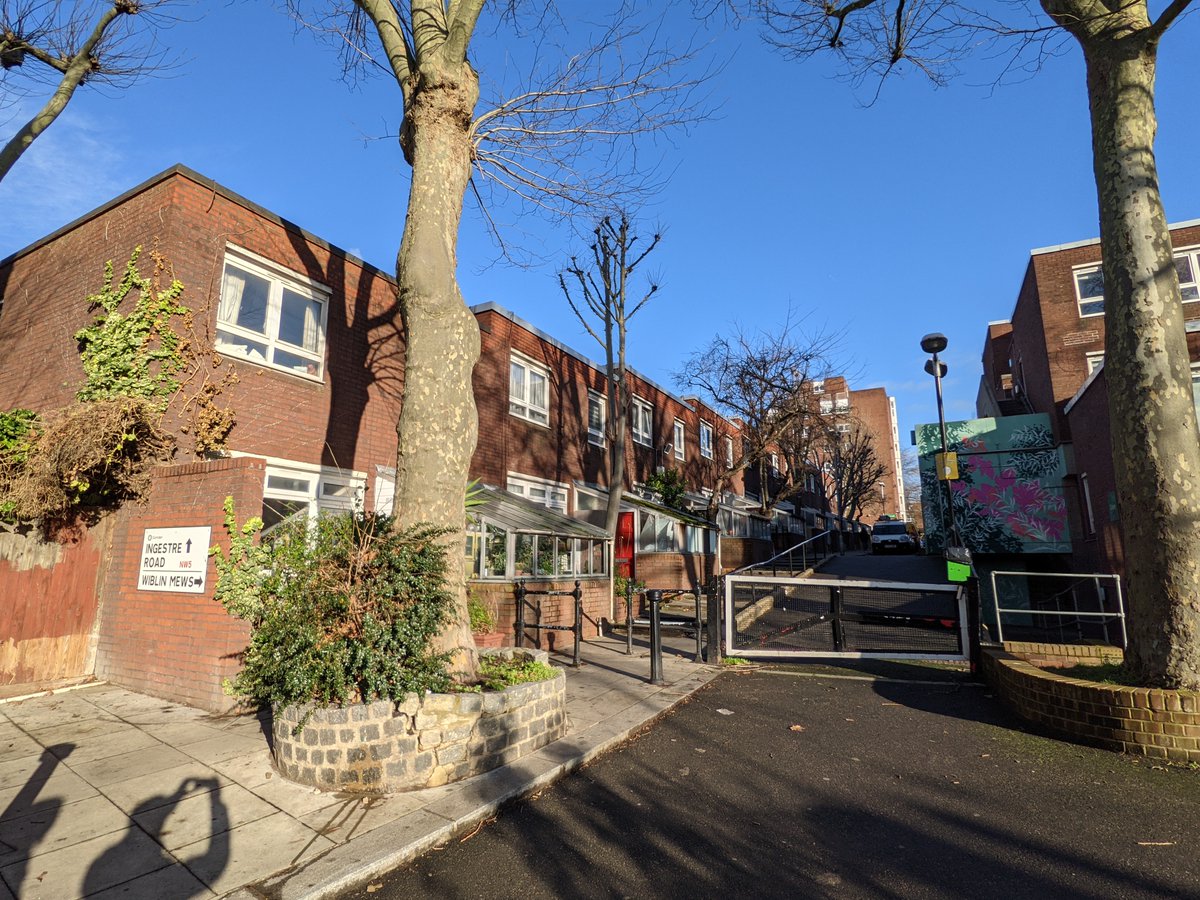
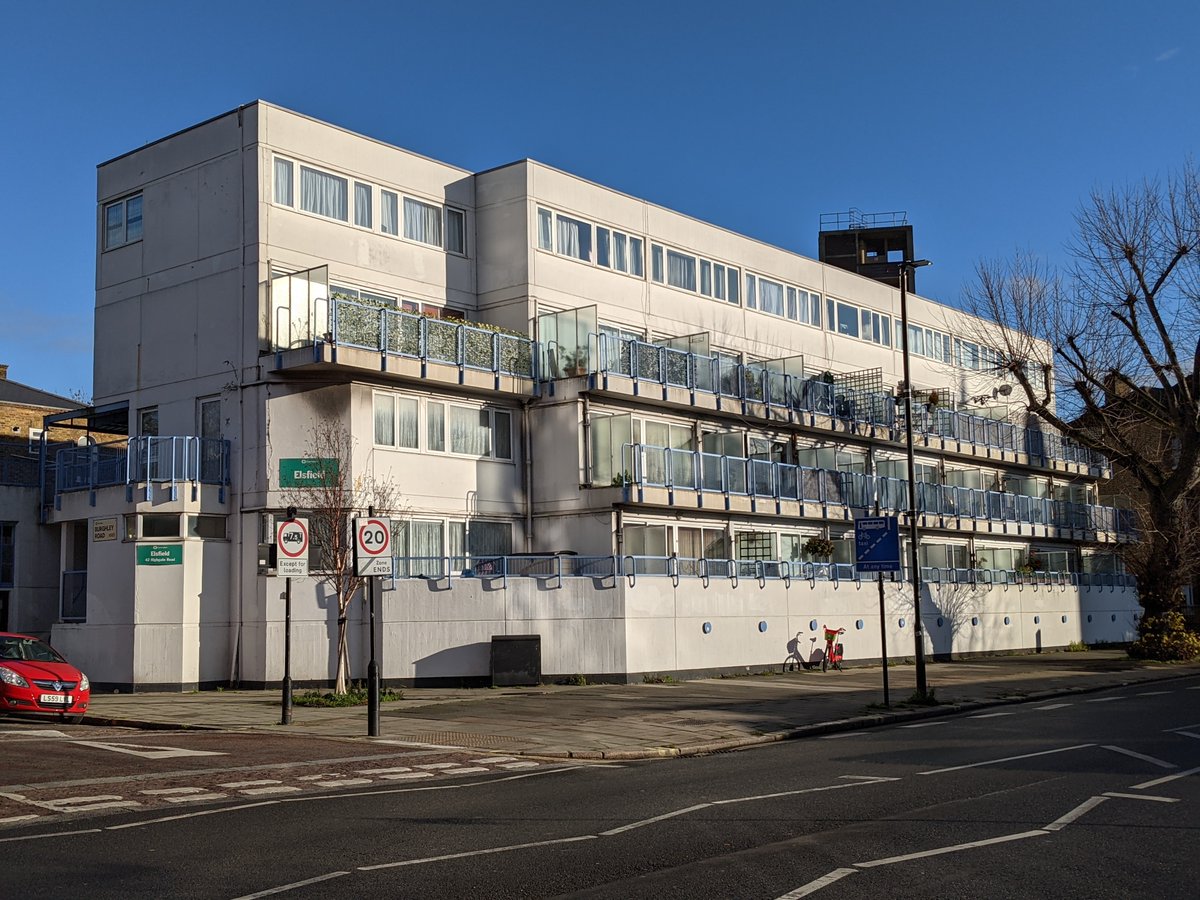
1/ THREAD: A walk in Camden celebrating (mostly) council housing and municipalism. Firstly, the Regent's Park Estate built by St Pancras Metropolitan Borough Council from 1951. Swallowfield (left), a later phase, was designed by Edward Armstrong and Frederick MacManus.
More from History




Folks who don't know history just tweet whatever they want.
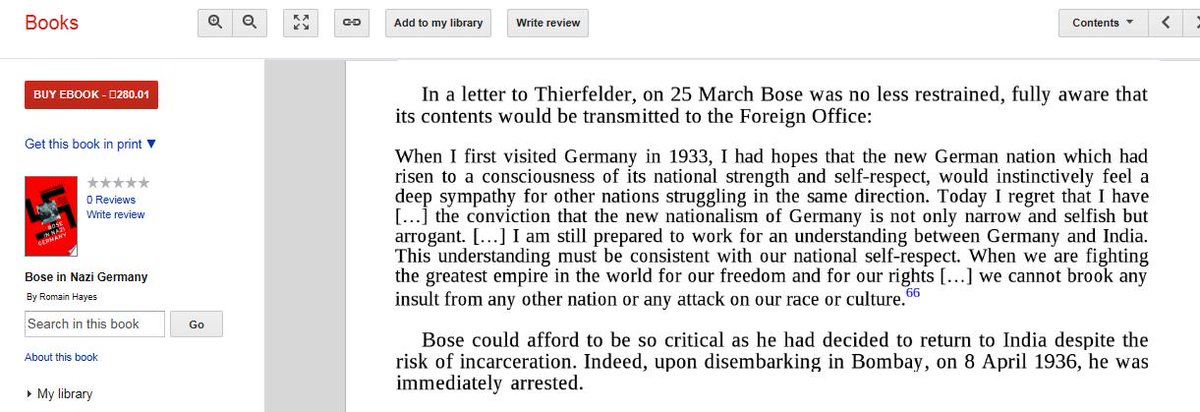
On Feb 1935, Bose attacked the Nazis as he was angry as Indians were described as Sub-Humans in Mein Kampf. The British arrested Bose in April 1936, because he insulted the Nazis.
#Thread
The West at this point had a soft spot for the Nazis. France, Great Britain, Netherlands, Poland all gave the Nazi Salute during the 1936 Olympics in Berlin.
Even during the Spanish Civil War (1936 - 1939), the Western powers observed neutrality as the Fascists rose in Spain.
In 1937, Hitler told British Foreign Secretary Lord Halifax that one of his fav movies was ‘The Lives of a Bengal Lancer’. Why?
‘The Lives of a Bengal Lancer’ depicted a handful of "superior race" Brits holding sway over an entire Indian subcontinent (Sub-Humans).
"Shoot Gandhi. If necessary, shoot more Congress Leaders (Nehru & Bose)."
- Hitler to Lord Halifax, Britain's Foreign Secretary
This statement by Hitler in 1937 angered many pro-Leftist leaders of the INC including Bose.
Bose reached London in Jan 1938, and he met many leaders of the British Labour Party including Attlee.
1938 & 1939 were two huge years for the Indian National Congress. As i always say, the 10-year phase from 1938 - 1948 shaped modern India and it began in 1938 Haripura session.
On Feb 1935, Bose attacked the Nazis as he was angry as Indians were described as Sub-Humans in Mein Kampf. The British arrested Bose in April 1936, because he insulted the Nazis.
#Thread
So Neta ji actually believed the Nazis could deliver freedom to India & its people?
— SonaliRanade (@sonaliranade) January 23, 2021
How can thinking Indians accept and eulogise such a gross error of judgement on the part of Bose is simply beyond me.
Not wonder Charlatans con us in the name of faux patriotism.
The West at this point had a soft spot for the Nazis. France, Great Britain, Netherlands, Poland all gave the Nazi Salute during the 1936 Olympics in Berlin.
Even during the Spanish Civil War (1936 - 1939), the Western powers observed neutrality as the Fascists rose in Spain.
In 1937, Hitler told British Foreign Secretary Lord Halifax that one of his fav movies was ‘The Lives of a Bengal Lancer’. Why?
‘The Lives of a Bengal Lancer’ depicted a handful of "superior race" Brits holding sway over an entire Indian subcontinent (Sub-Humans).
"Shoot Gandhi. If necessary, shoot more Congress Leaders (Nehru & Bose)."
- Hitler to Lord Halifax, Britain's Foreign Secretary
This statement by Hitler in 1937 angered many pro-Leftist leaders of the INC including Bose.
Bose reached London in Jan 1938, and he met many leaders of the British Labour Party including Attlee.
1938 & 1939 were two huge years for the Indian National Congress. As i always say, the 10-year phase from 1938 - 1948 shaped modern India and it began in 1938 Haripura session.