William Carey landed on the Indian soil in the year 1793. He spent the remaining years of his life in India. He was a British missionary, a translator and a social reformer who is best known for having the practice of Sati abolished in India. https://t.co/kRiPwgjwcP

We people don't have any idea how deep missionaries have infiltrated.
— Vedic Wisdom...\u0950 (@VedicWisdom1) December 17, 2020
While Exploring Sanskrit wikisource, I found this- Bible translated in Sanskrit and uploaded there.
Most Hindus don't know about this site, I myself found this a few days ago, But they are already there. pic.twitter.com/mzg5HPh468
https://t.co/ERFkOkJc4P
Continued from tbe the previous thread. Here is the linkhttps://t.co/TjeG9G3T0m
— Tanvangi (@Tanvangi17) July 16, 2020
Long thread. Please be patient.
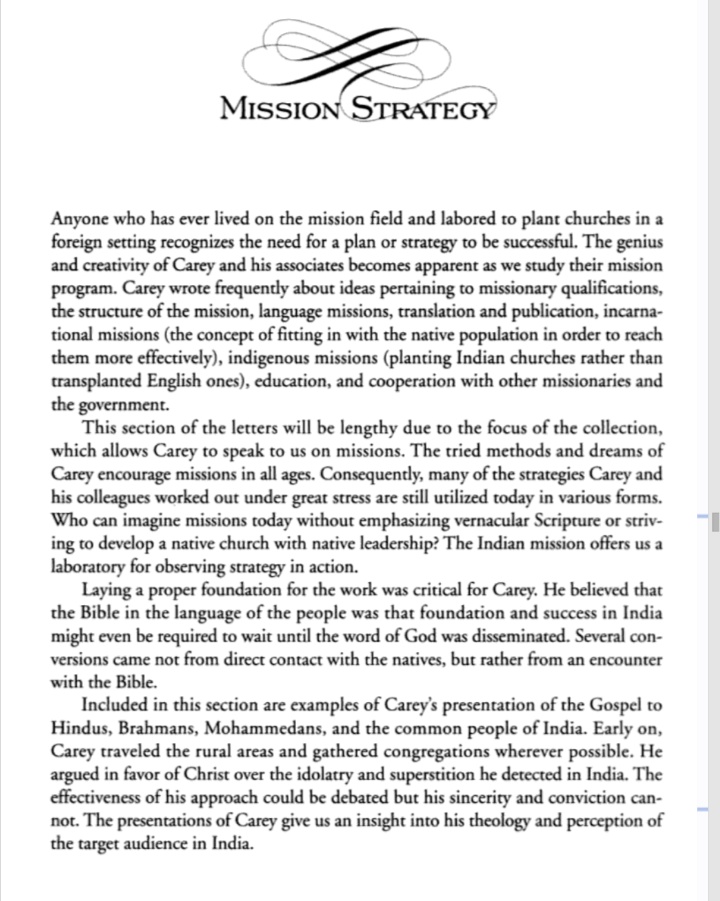
What are these terms? What do they mean?
More from History









Rush Catalog
Emotion Detector (1985, Power Windows)
https://t.co/3U3Ol6tMHU
#RushFamily
@RushFamTourneys
What's your grade of this song?
https://t.co/3U3Ol6Lo6u
Lyrics:
When we lift the covers from our feelings
We expose our insecure spots
Trust is just as rare as devotion —
Forgive us our cynical thoughts
If we need too much attention —
Not content with being cool
We must throw ourselves wide open
And start acting like a fool
If we need too much approval
Then the cuts can seem too cruel
Right to the heart of the matter
Right to the beautiful part
Illusions are painfully shattered
Right where discovery starts
In the secret wells of emotion
Buried deep in our hearts
It’s true that love can change us
But never quite enough
Sometimes we are too tender
Sometimes we’re too tough
If we get too much attention
It gets hard to overrule
So often fragile power turns
To scorn and ridicule
Sometimes our big splashes
Are just ripples in the pool
Emotion Detector (1985, Power Windows)
https://t.co/3U3Ol6tMHU
#RushFamily
@RushFamTourneys
What's your grade of this song?
https://t.co/3U3Ol6Lo6u
Lyrics:
When we lift the covers from our feelings
We expose our insecure spots
Trust is just as rare as devotion —
Forgive us our cynical thoughts
If we need too much attention —
Not content with being cool
We must throw ourselves wide open
And start acting like a fool
If we need too much approval
Then the cuts can seem too cruel
Right to the heart of the matter
Right to the beautiful part
Illusions are painfully shattered
Right where discovery starts
In the secret wells of emotion
Buried deep in our hearts
It’s true that love can change us
But never quite enough
Sometimes we are too tender
Sometimes we’re too tough
If we get too much attention
It gets hard to overrule
So often fragile power turns
To scorn and ridicule
Sometimes our big splashes
Are just ripples in the pool