2. He loved only violence and sex. He has no artistic sensibilities. *He raped his own daughter Jahanara and justified it, saying that a gardener
Points to ponder about Shahjahan
1. Shahjahan was a cruel king. On becoming the king, Shahjahan imprisoned his step mother Nur Jahan. He sent brother Shahryar to the gallows. He had earlier got rid of brother Khusrau. Now he got Khusrau's sons Dawar and Garshasp executed.
2. He loved only violence and sex. He has no artistic sensibilities. *He raped his own daughter Jahanara and justified it, saying that a gardener
3. A ruffian by nature, Shahjahan refused to be tutored by the plethora of tutors appointed from time to time. His misdeeds of dacoity and arson throughout India, while in revolt against his emperor father Jehangir, made the latter record,
How dare any historian ignore the father's estimate of his own son and call the miscreant a noble lover of art and finer things.
3. There is no evidence of Shahjahan being deeply attached to
Mumtaz-ul-Zamani's name is changed by the historians to Mumtaz Mahal to suit the story of Tajmahal.
4. No historian has ever tried to verify the myth of Shahjahan's authorship o
6. How could such a man even think of
7. It is only a myth that Shahjahan ordered for dismembering the hands of labourers engaged in the construction of the Taj.
8. But Shahjahan's own official chronicle, the Badshanama, admits on page 403 of volume I, that the Taj Mahal was Mansingh's palace taken from
9. It is not known whether Mumtaz-ul-Zamani died in 1630 or 1631 A.D. And yet the whole cumbersome procedure of a disconsolate Shahjahan regaining his mental equilibrium, calling for world tender of a design, selection of the
10. In the case of the Taj Mahal, there is proof to assert that far from spending even a farthing on the Taj Mahal, Shahjahan made enormous profit in grabbing this Hindu palace. He carried away its silver doors,
11. Since Shahjahan ascended the throne in 1628 A.D. & Mumtaz died in 1630 or 1631 A.D. he could not have launched on such a fabulous project when at the very beginning of
12. Horrid famines took over the people of Hindusthan during Shahjahan's reign because of his plunder regime. Not to talk of plenty
Destitution at last reached such a pitch that men began to devour each other, and the flesh of a son was preferred to his love. The numbers of the dying caused obstruction in the road."
More from Raji Hindustani🇮🇳🔱🦚






More from History



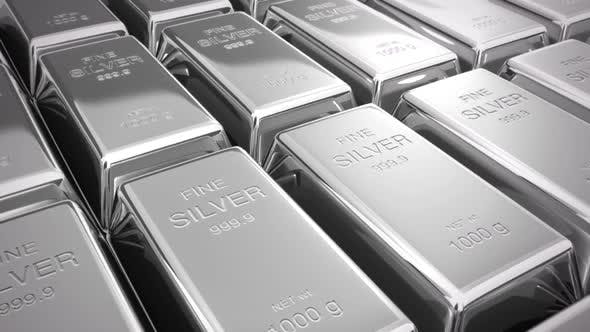
THREAD: With #silversqueeze trending on Twitter, it appears that this week's market spectacle may well be in the silver market.
A perfect moment for a thread on the Hunt Brothers and their alleged attempt to corner the silver market...
1/ First, let's set the stage.
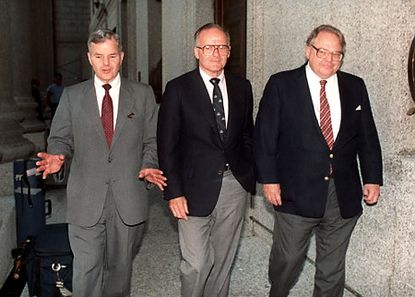
The Hunt Brothers - Nelson Bunker Hunt, William Herbert Hunt, and Lamar Hunt - were the sons of Texas tycoon H.L. Hunt.
H.L. Hunt had amassed a billion-dollar fortune in the oil industry.
He died in 1974 and left that fortune to his family.
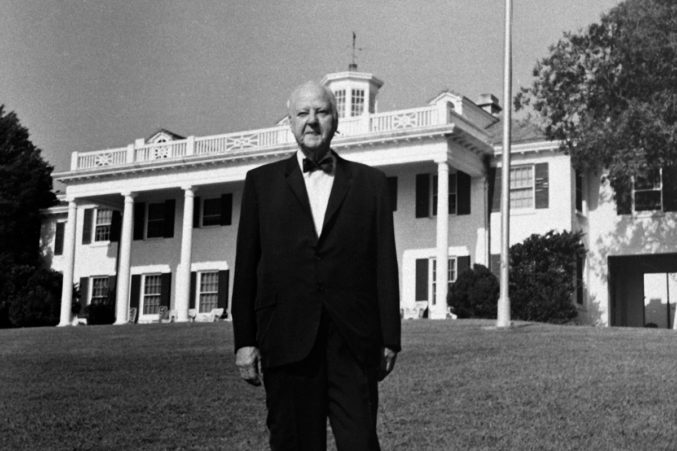
2/ After H.L.'s passing, the Hunt Brothers had taken over the family holdings and successfully managed to expand the Hunt empire.
By the late 1970s, the family's fortune was estimated to be ~$5 billion.
In the financial world, the Hunt name was as good as gold (or silver!).
3/ But the 1970s were a turbulent time in America.
Following the oil crisis of the early 1970s, the U.S. had entered a period of stagflation - a dire macroeconomic condition characterized by high inflation, low growth, and high unemployment.
4/ The Hunt Brothers - particularly Nelson Bunker and William Herbert - believed that the inflationary environment would persist and destroy the value of their family's holdings.
To hedge this risk, they turned to silver.
They began buying the metal at ~$3 per ounce in 1973.
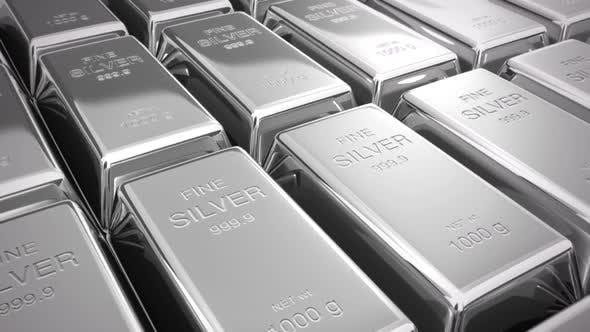
A perfect moment for a thread on the Hunt Brothers and their alleged attempt to corner the silver market...
1/ First, let's set the stage.
The Hunt Brothers - Nelson Bunker Hunt, William Herbert Hunt, and Lamar Hunt - were the sons of Texas tycoon H.L. Hunt.
H.L. Hunt had amassed a billion-dollar fortune in the oil industry.
He died in 1974 and left that fortune to his family.
2/ After H.L.'s passing, the Hunt Brothers had taken over the family holdings and successfully managed to expand the Hunt empire.
By the late 1970s, the family's fortune was estimated to be ~$5 billion.
In the financial world, the Hunt name was as good as gold (or silver!).
3/ But the 1970s were a turbulent time in America.
Following the oil crisis of the early 1970s, the U.S. had entered a period of stagflation - a dire macroeconomic condition characterized by high inflation, low growth, and high unemployment.
Stagflation 101
— Sahil Bloom (@SahilBloom) September 2, 2020
The term "stagflation" is used frequently in discussions of monetary policy and risks in the post-COVID world.
But what is stagflation and how does it work?
Here's Stagflation 101!
\U0001f447\U0001f447\U0001f447 pic.twitter.com/at4FmaCmkM
4/ The Hunt Brothers - particularly Nelson Bunker and William Herbert - believed that the inflationary environment would persist and destroy the value of their family's holdings.
To hedge this risk, they turned to silver.
They began buying the metal at ~$3 per ounce in 1973.
You May Also Like



I just finished Eric Adler's The Battle of the Classics, and wanted to say something about Joel Christiansen's review linked below. I am not sure what motivates the review (I speculate a bit below), but it gives a very misleading impression of the book. 1/x
The meat of the criticism is that the history Adler gives is insufficiently critical. Adler describes a few figures who had a great influence on how the modern US university was formed. It's certainly critical: it focuses on the social Darwinism of these figures. 2/x
Other insinuations and suggestions in the review seem wildly off the mark, distorted, or inappropriate-- for example, that the book is clickbaity (it is scholarly) or conservative (hardly) or connected to the events at the Capitol (give me a break). 3/x
The core question: in what sense is classics inherently racist? Classics is old. On Adler's account, it begins in ancient Rome and is revived in the Renaissance. Slavery (Christiansen's primary concern) is also very old. Let's say classics is an education for slaveowners. 4/x
It's worth remembering that literacy itself is elite throughout most of this history. Literacy is, then, also the education of slaveowners. We can honor oral and musical traditions without denying that literacy is, generally, good. 5/x
As someone\u2019s who\u2019s read the book, this review strikes me as tremendously unfair. It mostly faults Adler for not writing the book the reviewer wishes he had! https://t.co/pqpt5Ziivj
— Teresa M. Bejan (@tmbejan) January 12, 2021
The meat of the criticism is that the history Adler gives is insufficiently critical. Adler describes a few figures who had a great influence on how the modern US university was formed. It's certainly critical: it focuses on the social Darwinism of these figures. 2/x
Other insinuations and suggestions in the review seem wildly off the mark, distorted, or inappropriate-- for example, that the book is clickbaity (it is scholarly) or conservative (hardly) or connected to the events at the Capitol (give me a break). 3/x
The core question: in what sense is classics inherently racist? Classics is old. On Adler's account, it begins in ancient Rome and is revived in the Renaissance. Slavery (Christiansen's primary concern) is also very old. Let's say classics is an education for slaveowners. 4/x
It's worth remembering that literacy itself is elite throughout most of this history. Literacy is, then, also the education of slaveowners. We can honor oral and musical traditions without denying that literacy is, generally, good. 5/x