Watermelon: Eat Me?
Me: Gladly😋🤤😂

BENEFITS OF WATERMELON
1.Good eye sight
2.Prevent Kidney Disoder
3.Prevents heart problem
4.Helps prevent cancer
5.Heart care
6.Improves sexual life
7.Great for hair and skin

Share this!

1.Good eye sight

Don’t worry about eye health if you eat plenty of watermelon, because, between the beta-carotene, vitamin-C, lutein, and zeaxanthin, your eyes are well protected.

These antioxidants will ensure the protection of your eyes from age-related degeneration
2.Prevent Kidney disorders

Watermelon contains a lot of potassium, which is helpful in cleaning or washing out the toxic depositions in the kidney

It aids in reducing the concentration of uric acid in the blood, thereby limiting the risk of kidney damage
3.Prevents heart problem

The presence of potassium and magnesium in watermelon helps to bring down blood pressure.

Potassium is helps releases the tension of blood vessels and arteries, thereby stimulating increased blood flow and reducing stress on the cardiovascular system
4.Helps prevent cancer

Watermelon has an impressive level of lycopene, a carotenoid phytonutrient compound that is increasingly being linked to cancer prevention
5.Heart care

Several nutrients contained in watermelon like lycopene help to lower cholesterol and blood pressure levels.

Watermelon also contains antioxidant and anti-ageing properties which keeps your
heart young and prevents age-related cardiac problems
6.Improves sexual life

Arginine, present in watermelon, helps in curing erectile dysfunction.

The stimulating nature of the chemical can boost libido, reduce frigidity and give a kick-start to your love life after you enjoy a few slices of watermelon together.
7.Great for hair and skin

The two major vitamins in watermelon, A & C, are important to the hair & skin.

Vitamin C helps the body produce collagen: keeping your skin nice and hair strong while vitamin A helps create and repair skin cells.
Hit the follow button for more eyecare and healthy lifestyle threads

More from Health

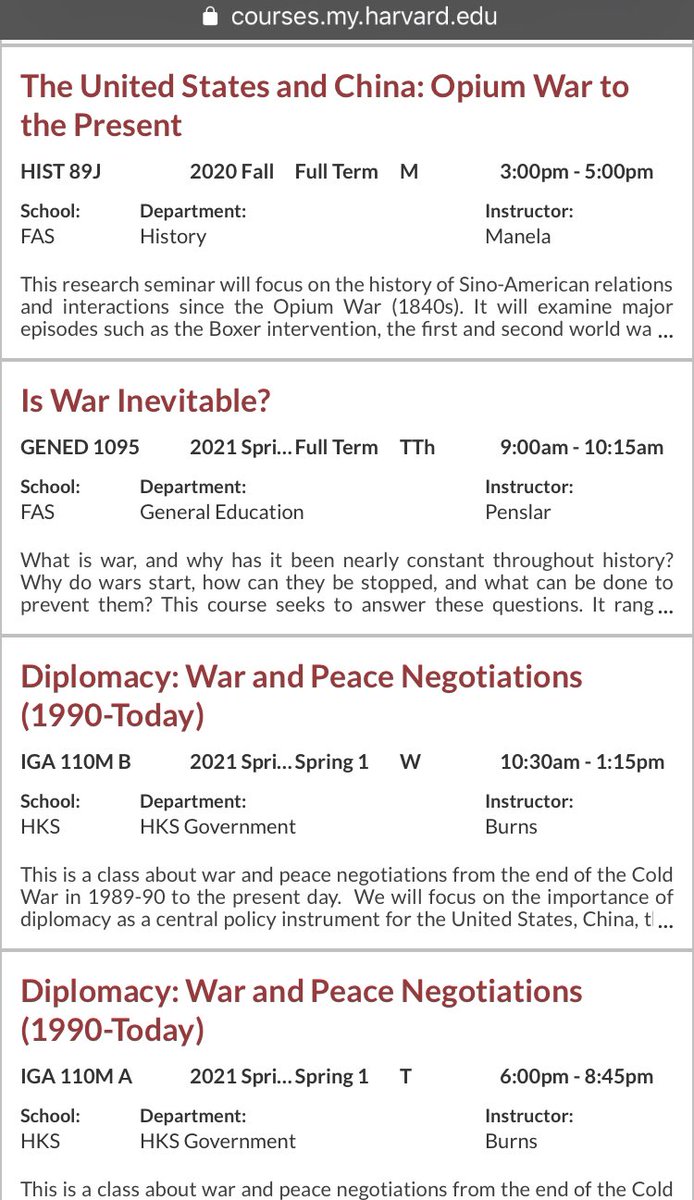
Now you know I love to sh-t in Harvard. But I also like accuracy. So I decided to go look at Harvard’s catalog to see its lack of military history that this article describes (they only teach history of pets it claims) and what I found shocked me! Shocked me! A thread: 1/


First off, Harvard students literally have multiple sections of military history that they can take listed. (It appears these ones are taught at MIT, so they might have to walk down the street for these) but... 2/


Say they want to stay on campus...they can only take numerous classes on war and diplomacy...3/


They have an entire class on Yalta. That’s right. An entire class on Yalta. 4/


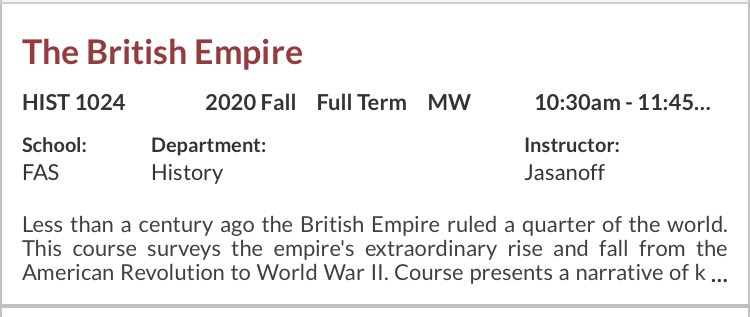
But wait! There is more! They can take the British Empire, The Fall of the Roman Empire for those wanting traditional topics... 5/
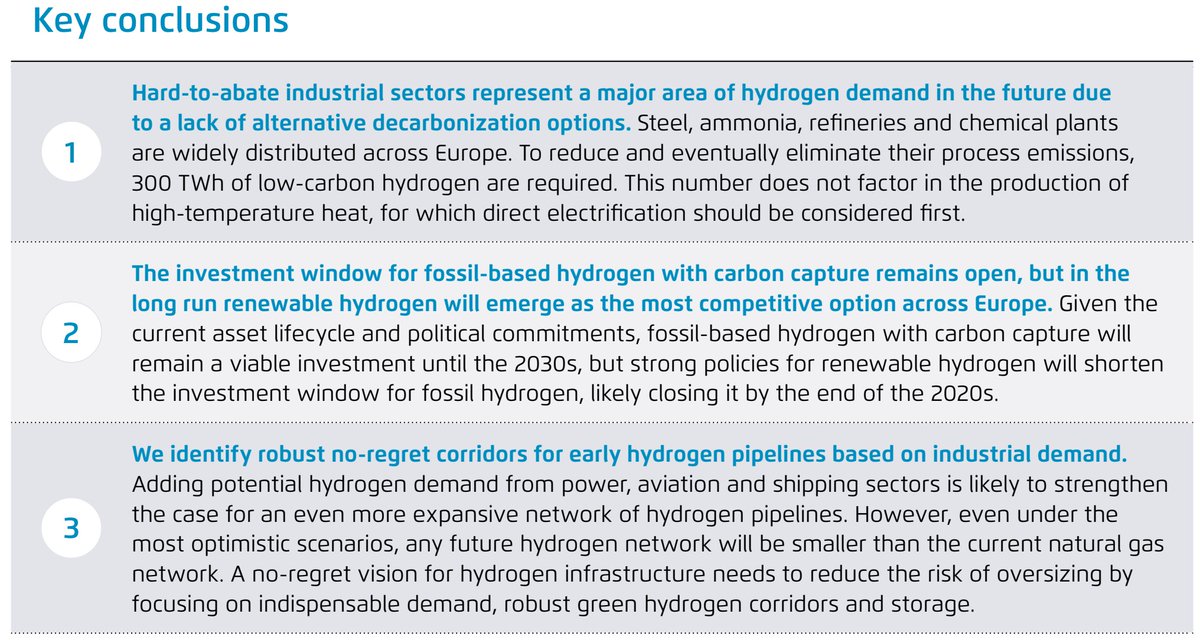
No-regret #hydrogen:
Charting early steps for H₂ infrastructure in Europe.

👉Summary of conclusions of a new study by @AgoraEW @AFRY_global @Ma_Deutsch @gnievchenko (1/17)
https://t.co/YA50FA57Em


The idea behind this study is that future hydrogen demand is highly uncertain and we don’t want to spend tens of billions of euros to repurpose a network which won’t be needed. For instance, hydrogen in ground transport is a hotly debated topic
https://t.co/RlnqDYVzpr (2/17)

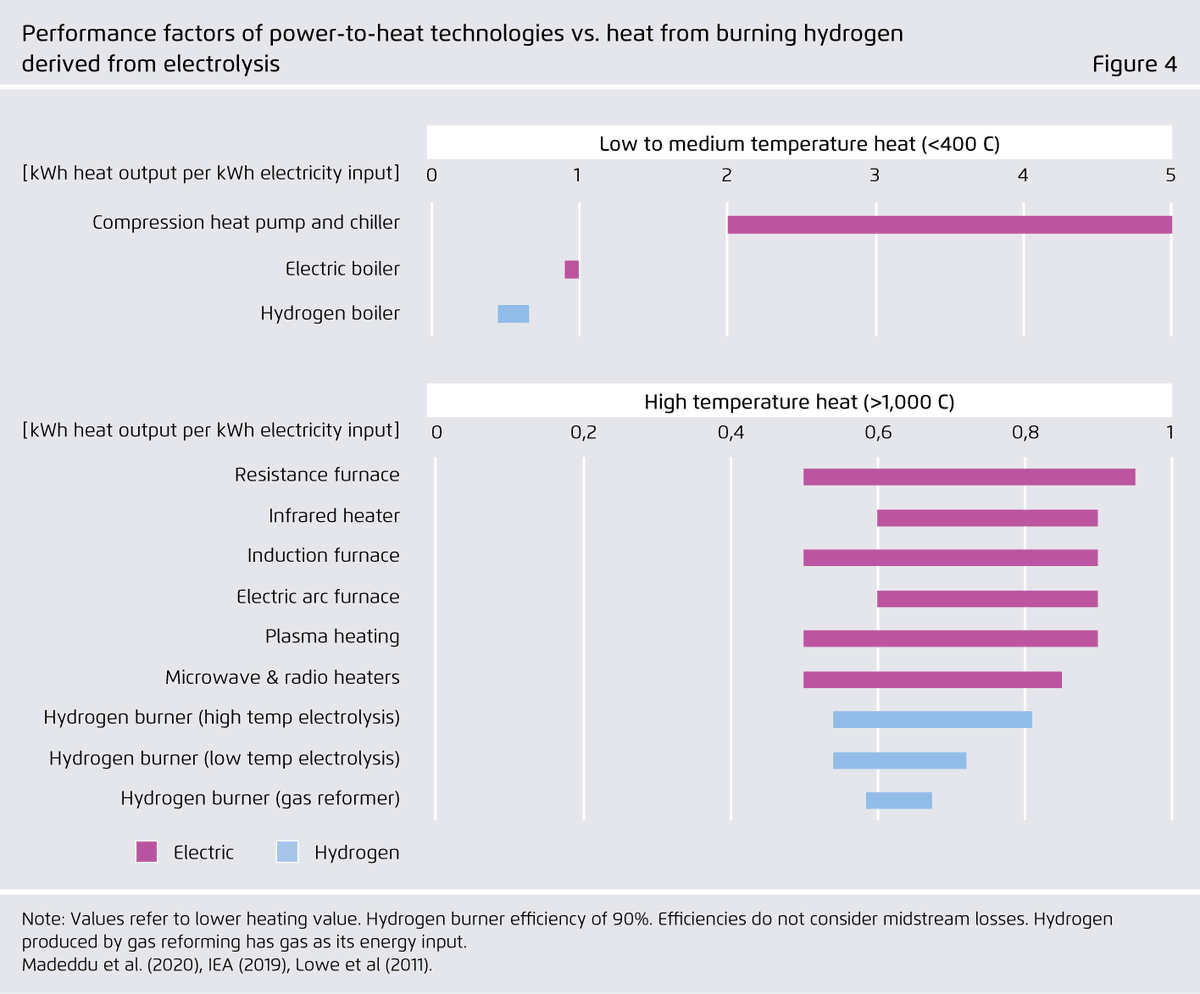
Similar things can be said about heat. 40% of today’s industrial natural gas use in the EU goes to heat below 100°C and therefore is within range of electric heat pumps – whose performance factors far exceed 100%. (3/17)


Even for higher temperatures, a range of power-to-heat (PtH) options can be more energy-efficient than hydrogen and should be considered first. Available PtH technologies can cover all temperature levels needed in industrial production (e.g. electric arc furnace: 3500°C). (4/17)


In our view, hydrogen use for feedstock and chemical reactions is the only inescapable source of industrial hydrogen demand in Europe that does not lend itself to electrification. Examples include ammonia, steel, and petrochemical industries. (5/17)
I think @SamAdlerBell in his quest to be the contrarian on Fauci gets several things wrong here. 1/


First, the failure last year actually was driven by the White House, the #Trump inner circle. Watch what's happening now, the US' scientific and public health infrastructure is creaking back to life. 2/

I think Sam underestimates the decimation of many of our health agencies over the past four years and the establishment of ideological control over them during the pandemic. 3/

I also am puzzled why Tony gets the blame for not speaking up, etc. Robert Redfield, Brett Giroir, Deb Birx, Jerome Adams, Alex Azar all could have done the same. 4/

Several of these people Bob Redfield, Brett Giroir, Alex Azar were led by craven ambition, Jerome Adams by cowardice, but I do think Deb Birx and Tony tried as institutionalists, insiders to make a difference. 5/

You May Also Like

The UN just voted to condemn Israel 9 times, and the rest of the world 0.

View the resolutions and voting results here:

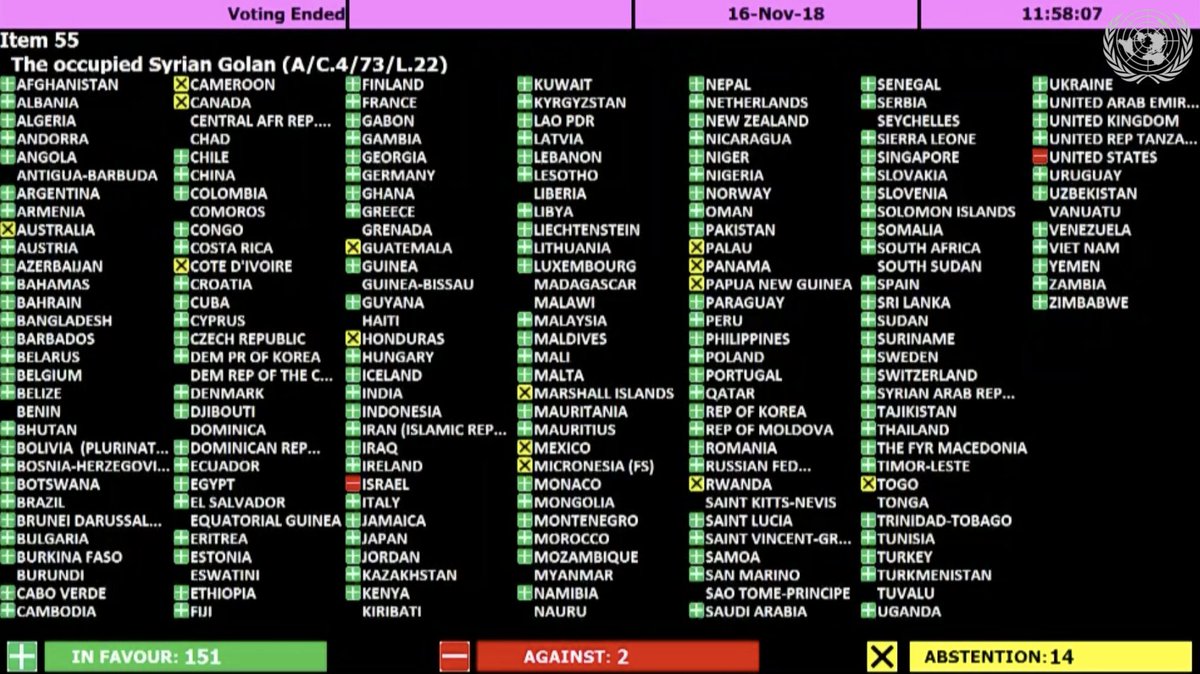
The resolution titled "The occupied Syrian Golan," which condemns Israel for "repressive measures" against Syrian citizens in the Golan Heights, was adopted by a vote of 151 - 2 - 14.

Israel and the U.S. voted 'No'
https://t.co/HoO7oz0dwr


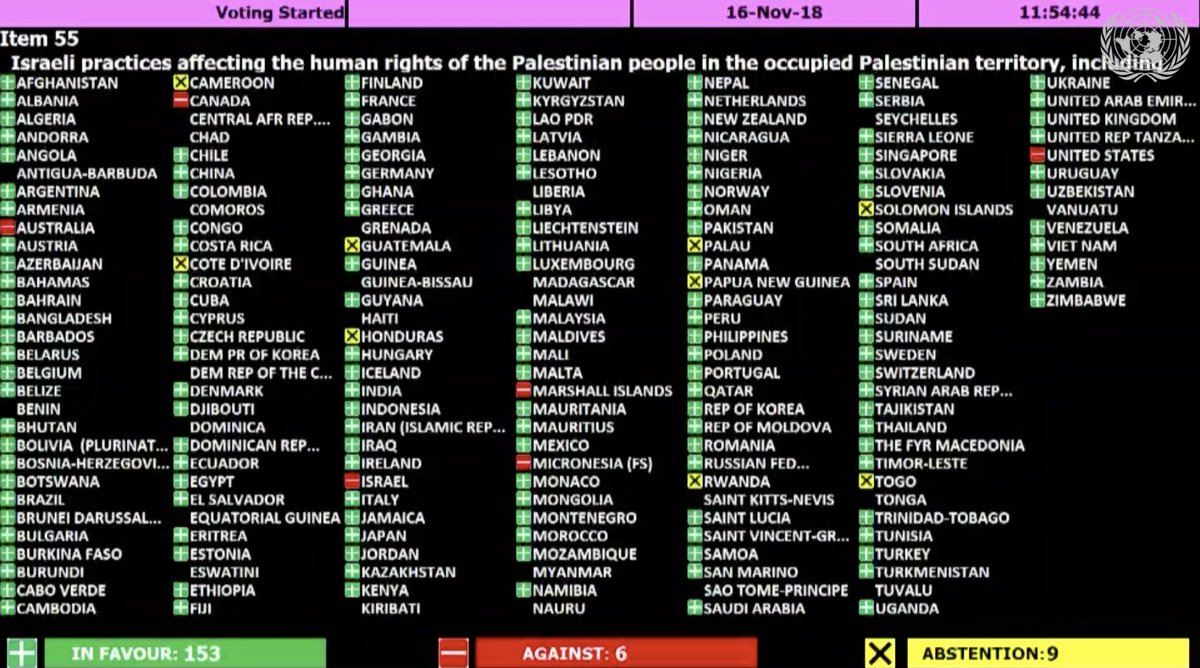
The resolution titled "Israeli practices affecting the human rights of the Palestinian people..." was adopted by a vote of 153 - 6 - 9.

Australia, Canada, Israel, Marshall Islands, Micronesia, and the U.S. voted 'No' https://t.co/1Ntpi7Vqab


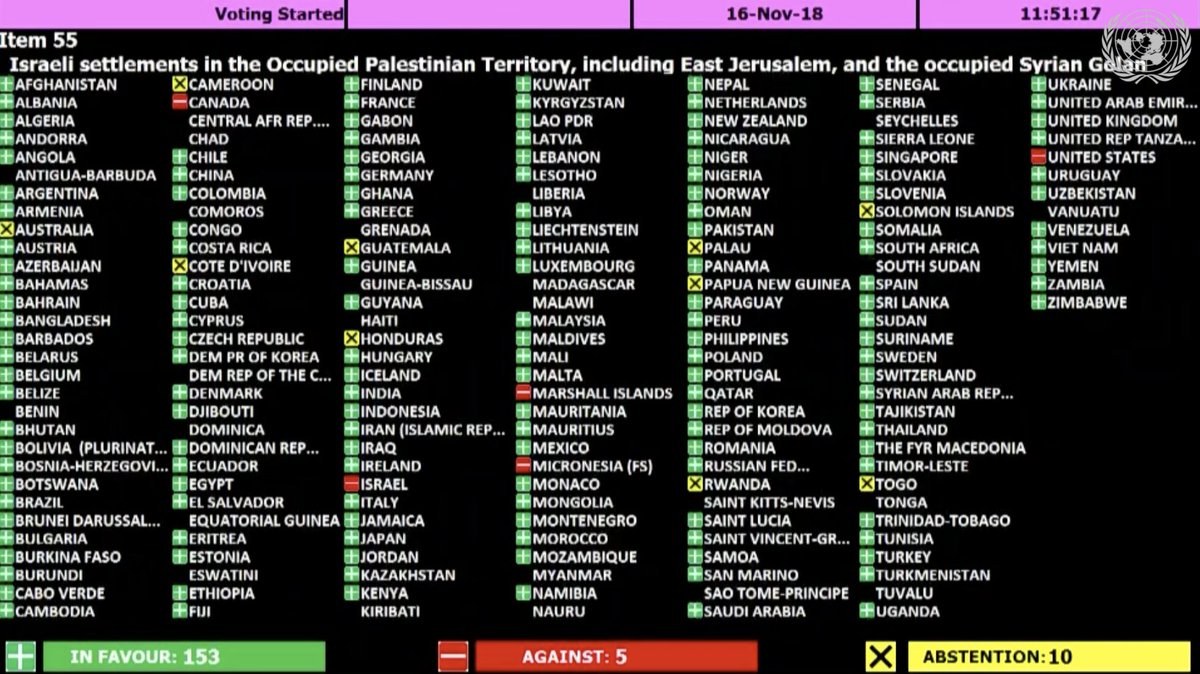
The resolution titled "Israeli settlements in the Occupied Palestinian Territory, including East Jerusalem, and the occupied Syrian Golan" was adopted by a vote of 153 – 5 – 10.

Canada, Israel, Marshall Islands, Micronesia, and the U.S. voted 'No'
https://t.co/REumYgyRuF


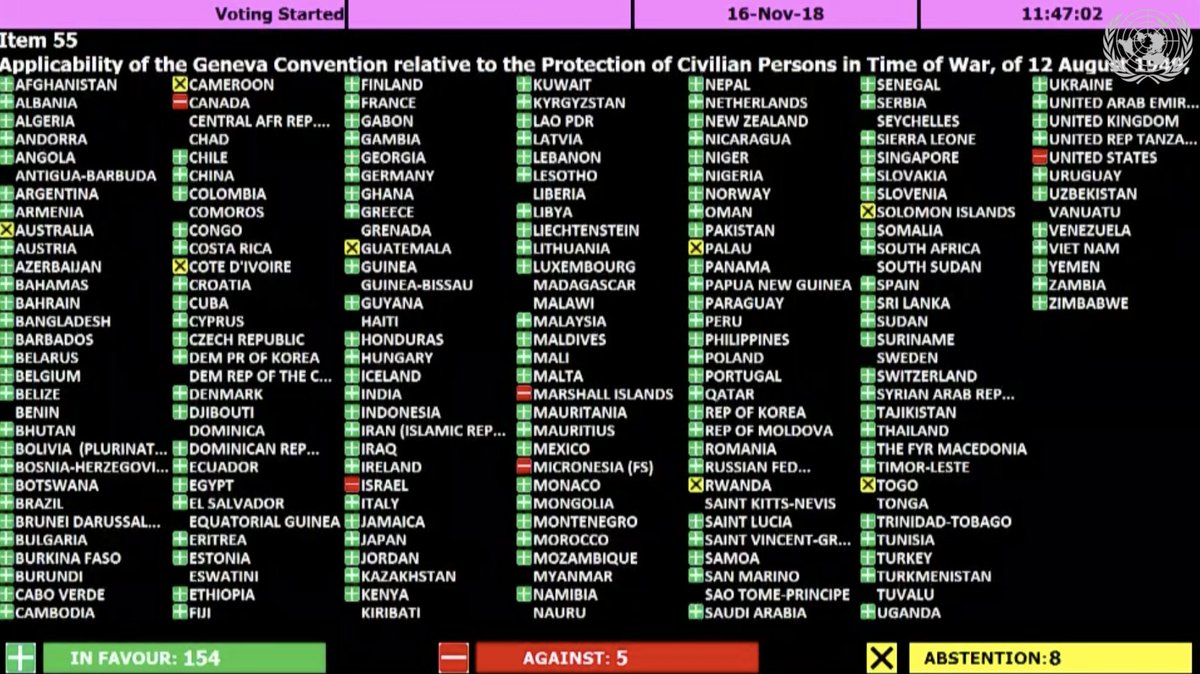
The resolution titled "Applicability of the Geneva Convention... to the
Occupied Palestinian Territory..." was adopted by a vote of 154 - 5 - 8.

Canada, Israel, Marshall Islands, Micronesia, and the U.S. voted 'No'
https://t.co/xDAeS9K1kW