What do peanuts have to do with lockdowns?

Unintended consequences.

A thread:
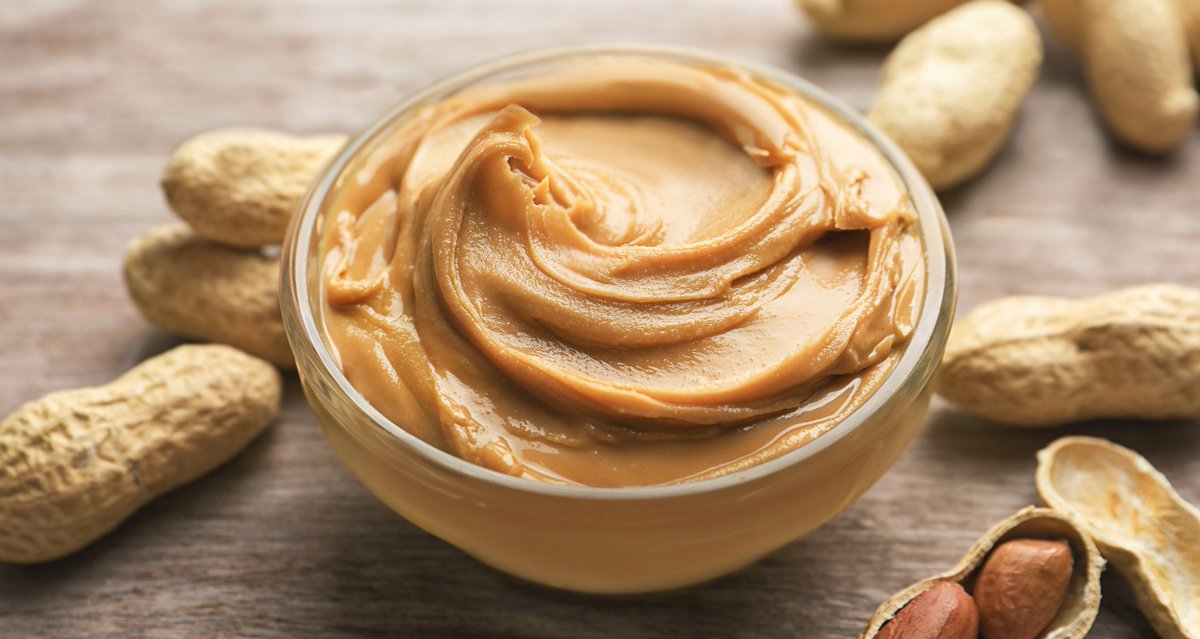
Peanut allergies were rare among American children up until the mid-1990s, when only four out of a thousand children under the age of eight had such an allergy. But by 2008, the rate had more than tripled, to fourteen out of a thousand.
No one knew why kids were becoming more allergic to peanuts. But the response was natural and seemingly rational: kids are vulnerable so keep them away from peanuts, peanut products, and anything that has been in contact with nuts of any kind.
But there was a severe and negative unintended consequence of this action, which was guided by the best intentions.
Researchers behind the authoritative LEAP study published in 2015 told half of participating parents to follow the standard advice for high-risk kids, which was to avoid all exposure to peanuts and peanut products.
The other half were given a supply of a snack made from peanut butter and puffed corn and were told to give some to their child at least three times a week.
Among the children who had been “protected” from peanuts, 17% had developed a peanut allergy.

In the group that had been deliberately exposed to peanut products, only 3% had developed an allergy.
One of the researchers: “For decades allergists have been recommending that young infants avoid consuming allergenic foods such as peanut to prevent food allergies. ... this advice was incorrect and may have contributed to the rise in the peanut and other food allergies.”
Awkward.

So what does this have to do with lockdowns?

Unintended consequences.
Dr. John Lee: "If lockdown is working, and stopping the spread of the virus, it might be reducing the circulation of milder versions among the population, while at the same time concentrating people with the most severe disease in hospital wards."

https://t.co/ltJwHpF6g6
"might the lockdown be causing more harm than good — in this way as well as many others? Are our actions really helping overall? Or are they opposing a helpful evolutionary tendency of the virus, as well as economically hindering our ability to deal with it?"
The mental health implications of lockdown are obvious to but not fully appreciated. They should be.

https://t.co/bVfCfxxC3P
By enacting lockdowns we are sacrificing the young in a vain and misguided attempt to save the elderly. We could do both but are doing neither.

https://t.co/9AyppHA3eh
Suicides and overdose deaths seem to be positively correlated with lockdown.

https://t.co/EeEHDlaRvd
It's ok to change your mind. Lockdown may have seemed like the ethical option months ago, but the data doesn't back it up.

Consider Dr. Ari Joffe, who has written a paper that finds the harms of lockdowns are 10 times greater than their benefits.

https://t.co/om4m531xoh
Isolating ourselves from each other is much like isolating children from peanuts. It may feel like the right thing to do but that doesn't mean it is.

Sometimes the wisest thing to do is change your mind.
Dr. Sunetra Gupta: "...not only is it a good thing for young people to go out there and become immune, but that is almost their duty. It’s a way of living with this virus. It’s how we live with other viruses.

https://t.co/9Jsl22rMGK
Full credit to Greg Lukianoff and Jonathan Haidt for the peanut allergy story.

https://t.co/gI7FzS6TRF
And watch the interview here.

(End)

https://t.co/8PvUbOUskP

More from Health

1/
Remember woman who tuk multiple @SriSriTattva products 4 range of problems frm diabetes 2 gas 2 liver disease & developed liver failure, listed for liver transplant?
Here is original thread:
https://t.co/PXxI1Slyv2
23 samples, Analysis results
#MedTwitter #livertwitter


2/
Before I go into results, I must say this was overwhelming. There was SO MUCH the lab identified, impossible to put everything here. So I made a summary. At the end of this thread, I have linked a full analysis described in Excel format. Some results were VERY concerning

3/
How did we analyse?
Here R links 2 methods
They R high end, done under strict protocols
Frm Ministry of Forest, Environment, Climate / NABL approvd Lab
ICP-OES https://t.co/O1CLhqVQAu
GC MSMS https://t.co/zRJoXyWQIr
FTIR https://t.co/goAembQ08p
Here is list V analysed 👇


4/
Sample names written on top (each column).
First 5 samples: C what we identified in #Ayurveda #medicines
Antibiotics
Steroids (anabolic/synthetic)
#NARCOTICS - LSD, Morphine
Blood thinners (possible reason Y bleeding tests were off the roof in the patient)
Heavy metals!


5/
Next 5 samples (total 10 now)
Mercury is clear winner. Almost all samples
See controlled substances - Butyrolactones https://t.co/CPz0FwPEOm, methylamine https://t.co/OZnXY7U9UQ
Alcohols, industrial solvents
Rare metals - cobalt, lithium
Again lots of blood thinners
#Ayush

You May Also Like

And here they are...

THE WINNERS OF THE 24 HOUR STARTUP CHALLENGE

Remember, this money is just fun. If you launched a product (or even attempted a launch) - you did something worth MUCH more than $1,000.

#24hrstartup

The winners 👇

#10

Lattes For Change - Skip a latte and save a life.

https://t.co/M75RAirZzs

@frantzfries built a platform where you can see how skipping your morning latte could do for the world.

A great product for a great cause.

Congrats Chris on winning $250!


#9

Instaland - Create amazing landing pages for your followers.

https://t.co/5KkveJTAsy

A team project! @bpmct and @BaileyPumfleet built a tool for social media influencers to create simple "swipe up" landing pages for followers.

Really impressive for 24 hours. Congrats!


#8

SayHenlo - Chat without distractions

https://t.co/og0B7gmkW6

Built by @DaltonEdwards, it's a platform for combatting conversation overload. This product was also coded exclusively from an iPad 😲

Dalton is a beast. I'm so excited he placed in the top 10.


#7

CoderStory - Learn to code from developers across the globe!

https://t.co/86Ay6nF4AY

Built by @jesswallaceuk, the project is focused on highlighting the experience of developers and people learning to code.

I wish this existed when I learned to code! Congrats on $250!!