
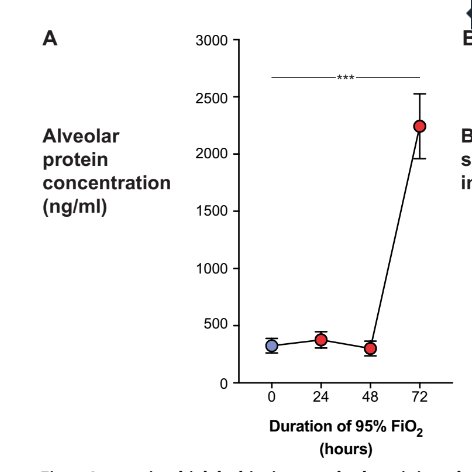
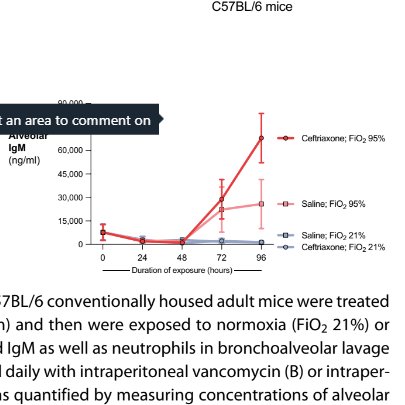
Essential reading for intensivists: things you didn't even dream were going on in your ventilated patients' lungs. With credit to @robertpdickson who does some very clever translational work on lungs
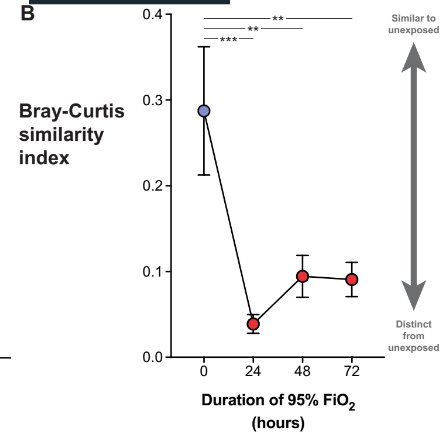
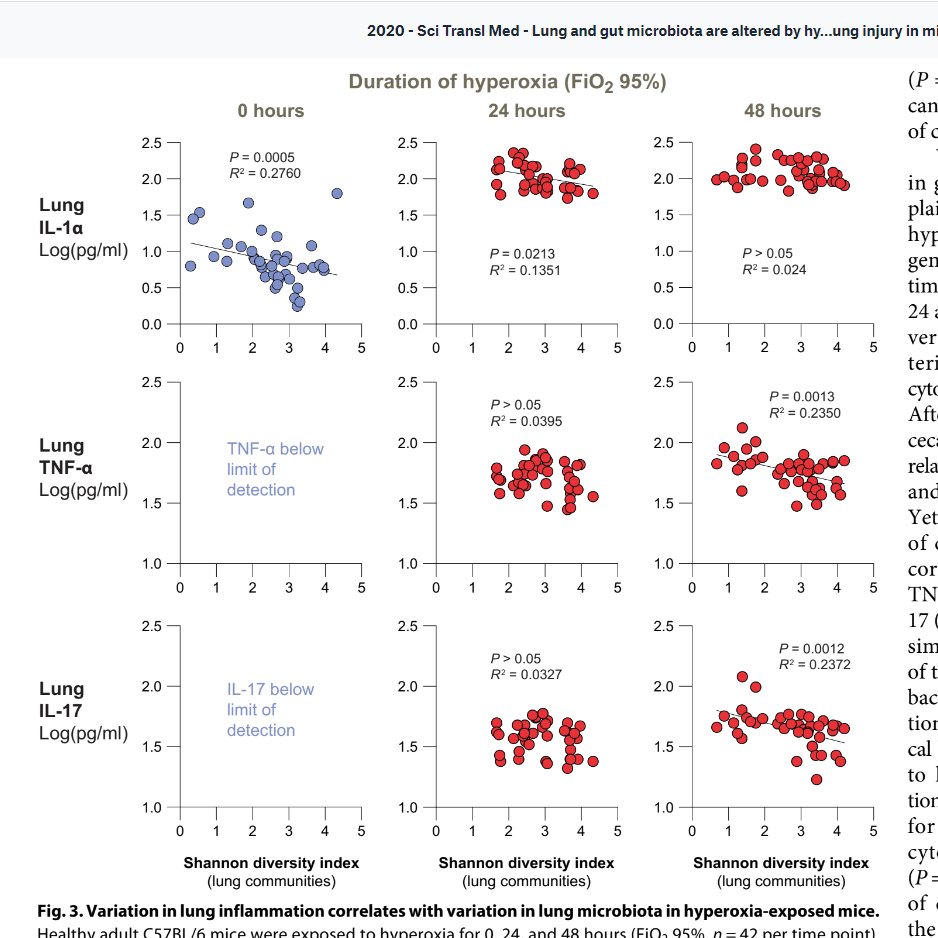
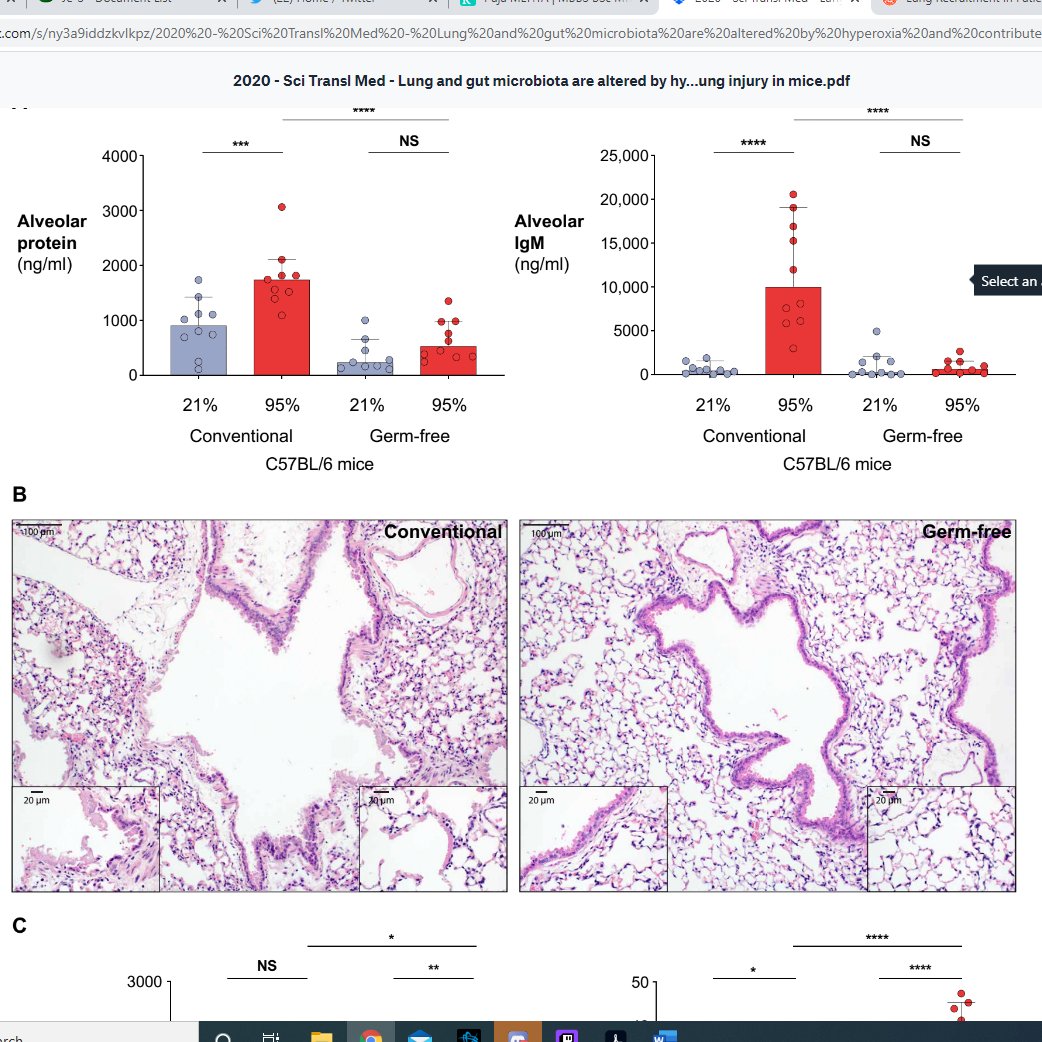
The gut microbiome changes later than the lung.
More from Health





This is the $1mln question still without an answer: why were these workers cleaning bat guano from that abandoned mine?
Surprisingly we simply don't know.
China would have all interest in clarifying that point if for instance they were prospecting or selling guano. It did not.
What we know is that EcoHealth + WIV were sampling bat sites in the vicinity at the exact time of the workers being in that mine.
#DRASTIC wrote about this and about other oddities in the official story:
Maybe it's just one of these coincidences.
Then it gets interesting: about a year after the miners death, Olival & Epstein from EcoHealth Alliance co-authored a paper about the coronavirus risk infection from bat guano collection.
No mention of the
That paper oddly used some old bat samples collected by DARPA in 2006/7 at the famous Thai bat cave.
It never mentioned that the Thai monks have been doing this every Sunday for many many years without infection.
But most interestingly it never mentioned the Mojiang mine accident, even if the perfect timing and recycling of old DARPA bat samples seem to point to a likely knowledge of it.
Anyway, the idea was to ask for more money, as you correctly
Surprisingly we simply don't know.
China would have all interest in clarifying that point if for instance they were prospecting or selling guano. It did not.
The miners were tasked with removing bat feces. AFAIK it hasn't been established why they were doing this. Given that EcoHealth was collecting bat fecal samples in the same province around the same time, is it possible these miners were actually collecting guano for EcoHealth?
— The Great Gumbino (@gumby4christ) February 15, 2021
What we know is that EcoHealth + WIV were sampling bat sites in the vicinity at the exact time of the workers being in that mine.
#DRASTIC wrote about this and about other oddities in the official story:
Maybe it's just one of these coincidences.
Then it gets interesting: about a year after the miners death, Olival & Epstein from EcoHealth Alliance co-authored a paper about the coronavirus risk infection from bat guano collection.
No mention of the
That paper oddly used some old bat samples collected by DARPA in 2006/7 at the famous Thai bat cave.
It never mentioned that the Thai monks have been doing this every Sunday for many many years without infection.
But most interestingly it never mentioned the Mojiang mine accident, even if the perfect timing and recycling of old DARPA bat samples seem to point to a likely knowledge of it.
Anyway, the idea was to ask for more money, as you correctly

You May Also Like


A THREAD ON @SarangSood
Decoded his way of analysis/logics for everyone to easily understand.
Have covered:
1. Analysis of volatility, how to foresee/signs.
2. Workbook
3. When to sell options
4. Diff category of days
5. How movement of option prices tell us what will happen
1. Keeps following volatility super closely.
Makes 7-8 different strategies to give him a sense of what's going on.
Whichever gives highest profit he trades in.
2. Theta falls when market moves.
Falls where market is headed towards not on our original position.
3. If you're an options seller then sell only when volatility is dropping, there is a high probability of you making the right trade and getting profit as a result
He believes in a market operator, if market mover sells volatility Sarang Sir joins him.
4. Theta decay vs Fall in vega
Sell when Vega is falling rather than for theta decay. You won't be trapped and higher probability of making profit.
Decoded his way of analysis/logics for everyone to easily understand.
Have covered:
1. Analysis of volatility, how to foresee/signs.
2. Workbook
3. When to sell options
4. Diff category of days
5. How movement of option prices tell us what will happen
1. Keeps following volatility super closely.
Makes 7-8 different strategies to give him a sense of what's going on.
Whichever gives highest profit he trades in.
I am quite different from your style. I follow the market's volatility very closely. I have mock positions in 7-8 different strategies which allows me to stay connected. Whichever gives best profit is usually the one i trade in.
— Sarang Sood (@SarangSood) August 13, 2019
2. Theta falls when market moves.
Falls where market is headed towards not on our original position.
Anilji most of the time these days Theta only falls when market moves. So the Theta actually falls where market has moved to, not where our position was in the first place. By shifting we can come close to capturing the Theta fall but not always.
— Sarang Sood (@SarangSood) June 24, 2019
3. If you're an options seller then sell only when volatility is dropping, there is a high probability of you making the right trade and getting profit as a result
He believes in a market operator, if market mover sells volatility Sarang Sir joins him.
This week has been great so far. The main aim is to be in the right side of the volatility, rest the market will reward.
— Sarang Sood (@SarangSood) July 3, 2019
4. Theta decay vs Fall in vega
Sell when Vega is falling rather than for theta decay. You won't be trapped and higher probability of making profit.
There is a difference between theta decay & fall in vega. Decay is certain but there is no guaranteed profit as delta moves can increase cost. Fall in vega on the other hand is backed by a powerful force that sells options and gives handsome returns. Our job is to identify them.
— Sarang Sood (@SarangSood) February 12, 2020





I’m torn on how to approach the idea of luck. I’m the first to admit that I am one of the luckiest people on the planet. To be born into a prosperous American family in 1960 with smart parents is to start life on third base. The odds against my very existence are astronomical.
I’ve always felt that the luckiest people I know had a talent for recognizing circumstances, not of their own making, that were conducive to a favorable outcome and their ability to quickly take advantage of them.
In other words, dumb luck was just that, it required no awareness on the person’s part, whereas “smart” luck involved awareness followed by action before the circumstances changed.
So, was I “lucky” to be born when I was—nothing I had any control over—and that I came of age just as huge databases and computers were advancing to the point where I could use those tools to write “What Works on Wall Street?” Absolutely.
Was I lucky to start my stock market investments near the peak of interest rates which allowed me to spend the majority of my adult life in a falling rate environment? Yup.
Ironies of Luck https://t.co/5BPWGbAxFi
— Morgan Housel (@morganhousel) March 14, 2018
"Luck is the flip side of risk. They are mirrored cousins, driven by the same thing: You are one person in a 7 billion player game, and the accidental impact of other people\u2019s actions can be more consequential than your own."
I’ve always felt that the luckiest people I know had a talent for recognizing circumstances, not of their own making, that were conducive to a favorable outcome and their ability to quickly take advantage of them.
In other words, dumb luck was just that, it required no awareness on the person’s part, whereas “smart” luck involved awareness followed by action before the circumstances changed.
So, was I “lucky” to be born when I was—nothing I had any control over—and that I came of age just as huge databases and computers were advancing to the point where I could use those tools to write “What Works on Wall Street?” Absolutely.
Was I lucky to start my stock market investments near the peak of interest rates which allowed me to spend the majority of my adult life in a falling rate environment? Yup.