
1/10. Several clinical trials have shown that the mean nasal mucociliary clearance is negatively and significantly affected by cigarette smoking (PMIDs: 24669080, 3787531, 23615315,
More from Health


On 18.12.2020, computer engineer @FitTuber shared @YouTube video titled "10 Safe & Useful Ayurvedic Tablets to Replace Allopathic Pills (Instant Relief)". The drugs he promoted were by @baidyanathgroup, not sure if it was paid promotion. I bought them:
https://t.co/w6Sh2pMvJf
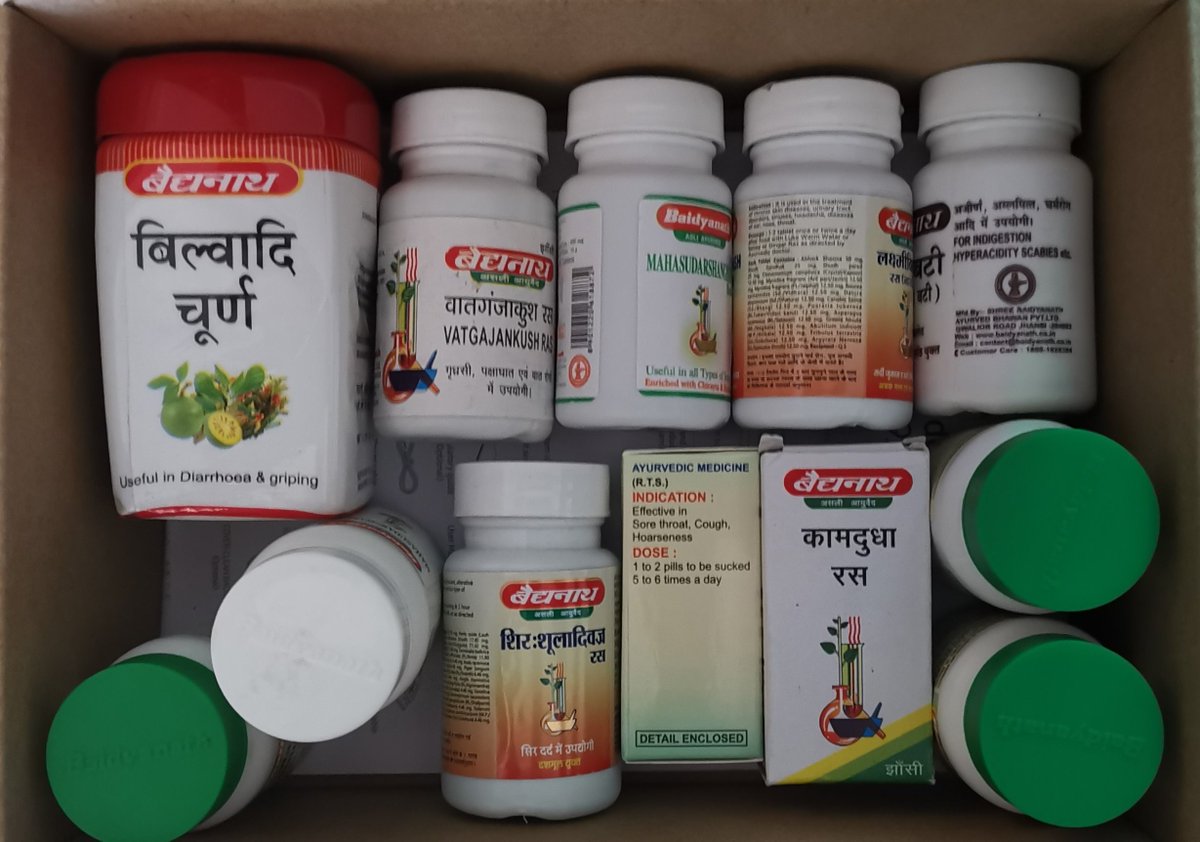
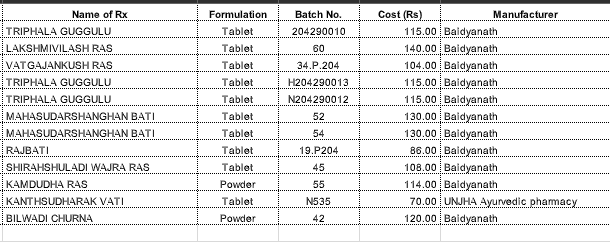
10 drugs, details, batch numbers R given in pic👇. All by @baidyanathgroup exept 1 by https://t.co/tg46sBhJr2
We did GCMSMS, ICP-OES and FTIR analyses on these samples. Here are my 10 safer modern medicine alternatives 2 @FitTuber's untested, potentially harmful #Ayurvedic drugs
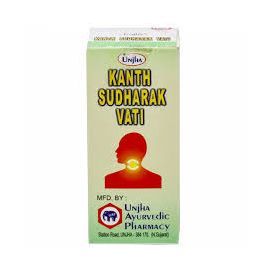
Kanthsudharak Vati by Unjha Pharma
@FitTuber: 4 sorethroat, cold, cough
Analysis: Lead 0.54 mg/kg, Cadmium 0.4 mg/kg, Thallium 0.71 mg/kg and industrial phenols.
Low values, but not ideal.
Safe alternative: Levocetrizine & non-sedative cough syrup Levodropropizine
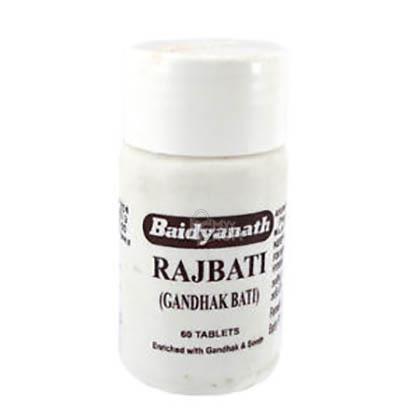
Baidyanath Rajbati
@Fittuber: for bloating, gas
Analysis:
Mercury 1.2 mg/kg
Arsenic 2.25 mg/kg
Male anabolic hormone - hydroxy testosterone+
Curcumin
Talc powder
Safer alternative: activated charcoal+simethicone (non-absorbed, no side effects) or short course esomeprazole.
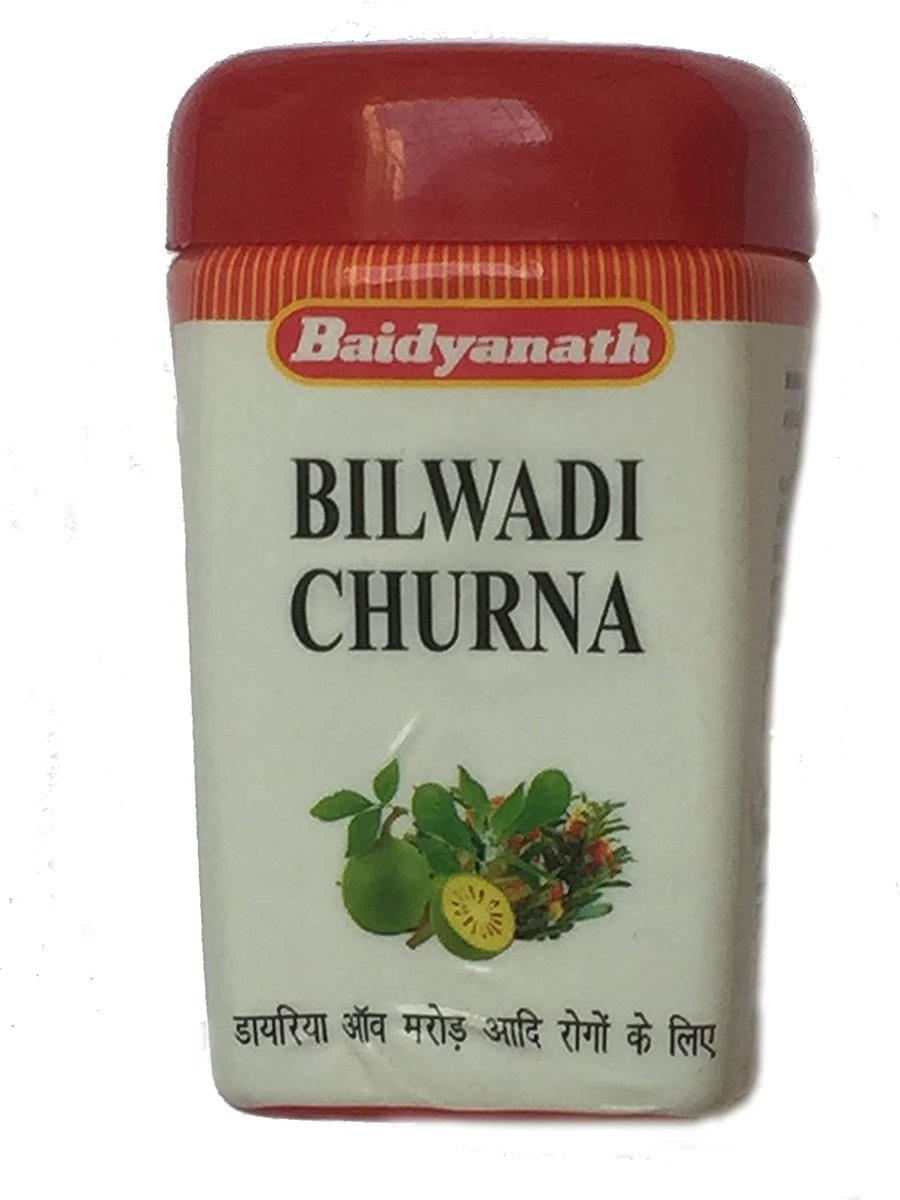
Baidyanath Bilwadi Choorna
@Fittuber - 4 diarrhoea
Analysis
Thallium 3.68 mg/kg
[fun fact: 10-15 mg/kg is lethal dose for humans. Death can occur at lower dosages] https://t.co/9ozOKROhCK
Fenretinide - synthetic anti-cancer drug
Liver toxic chromium phosph.
Safer: Racecadotril
https://t.co/w6Sh2pMvJf
1
— (Cyriac) Abby Philips (@drabbyphilips) December 31, 2020
I followed @FitTuber advise and got all these #Ayurveda medicines which he outright claimed are '#safer', ''#effective' than conventional prescription drugs for day to day use. These will be tested for #safety first - will undergo GCMSMS, ICP-OES and FTIR analyses.#MedTwitter pic.twitter.com/IS2KrtsoO8
10 drugs, details, batch numbers R given in pic👇. All by @baidyanathgroup exept 1 by https://t.co/tg46sBhJr2
We did GCMSMS, ICP-OES and FTIR analyses on these samples. Here are my 10 safer modern medicine alternatives 2 @FitTuber's untested, potentially harmful #Ayurvedic drugs
Kanthsudharak Vati by Unjha Pharma
@FitTuber: 4 sorethroat, cold, cough
Analysis: Lead 0.54 mg/kg, Cadmium 0.4 mg/kg, Thallium 0.71 mg/kg and industrial phenols.
Low values, but not ideal.
Safe alternative: Levocetrizine & non-sedative cough syrup Levodropropizine
Baidyanath Rajbati
@Fittuber: for bloating, gas
Analysis:
Mercury 1.2 mg/kg
Arsenic 2.25 mg/kg
Male anabolic hormone - hydroxy testosterone+
Curcumin
Talc powder
Safer alternative: activated charcoal+simethicone (non-absorbed, no side effects) or short course esomeprazole.
Baidyanath Bilwadi Choorna
@Fittuber - 4 diarrhoea
Analysis
Thallium 3.68 mg/kg
[fun fact: 10-15 mg/kg is lethal dose for humans. Death can occur at lower dosages] https://t.co/9ozOKROhCK
Fenretinide - synthetic anti-cancer drug
Liver toxic chromium phosph.
Safer: Racecadotril

You May Also Like






@franciscodeasis https://t.co/OuQaBRFPu7
Unfortunately the "This work includes the identification of viral sequences in bat samples, and has resulted in the isolation of three bat SARS-related coronaviruses that are now used as reagents to test therapeutics and vaccines." were BEFORE the

chimeric infectious clone grants were there.https://t.co/DAArwFkz6v is in 2017, Rs4231.
https://t.co/UgXygDjYbW is in 2016, RsSHC014 and RsWIV16.
https://t.co/krO69CsJ94 is in 2013, RsWIV1. notice that this is before the beginning of the project
starting in 2016. Also remember that they told about only 3 isolates/live viruses. RsSHC014 is a live infectious clone that is just as alive as those other "Isolates".
P.D. somehow is able to use funds that he have yet recieved yet, and send results and sequences from late 2019 back in time into 2015,2013 and 2016!
https://t.co/4wC7k1Lh54 Ref 3: Why ALL your pangolin samples were PCR negative? to avoid deep sequencing and accidentally reveal Paguma Larvata and Oryctolagus Cuniculus?
Unfortunately the "This work includes the identification of viral sequences in bat samples, and has resulted in the isolation of three bat SARS-related coronaviruses that are now used as reagents to test therapeutics and vaccines." were BEFORE the
chimeric infectious clone grants were there.https://t.co/DAArwFkz6v is in 2017, Rs4231.
https://t.co/UgXygDjYbW is in 2016, RsSHC014 and RsWIV16.
https://t.co/krO69CsJ94 is in 2013, RsWIV1. notice that this is before the beginning of the project
starting in 2016. Also remember that they told about only 3 isolates/live viruses. RsSHC014 is a live infectious clone that is just as alive as those other "Isolates".
P.D. somehow is able to use funds that he have yet recieved yet, and send results and sequences from late 2019 back in time into 2015,2013 and 2016!
https://t.co/4wC7k1Lh54 Ref 3: Why ALL your pangolin samples were PCR negative? to avoid deep sequencing and accidentally reveal Paguma Larvata and Oryctolagus Cuniculus?

Master Thread of all my threads!
Hello!! 👋
• I have curated some of the best tweets from the best traders we know of.
• Making one master thread and will keep posting all my threads under this.
• Go through this for super learning/value totally free of cost! 😃
1. 7 FREE OPTION TRADING COURSES FOR
2. THE ABSOLUTE BEST 15 SCANNERS EXPERTS ARE USING
Got these scanners from the following accounts:
1. @Pathik_Trader
2. @sanjufunda
3. @sanstocktrader
4. @SouravSenguptaI
5. @Rishikesh_ADX
3. 12 TRADING SETUPS which experts are using.
These setups I found from the following 4 accounts:
1. @Pathik_Trader
2. @sourabhsiso19
3. @ITRADE191
4.
4. Curated tweets on HOW TO SELL STRADDLES.
Everything covered in this thread.
1. Management
2. How to initiate
3. When to exit straddles
4. Examples
5. Videos on
Hello!! 👋
• I have curated some of the best tweets from the best traders we know of.
• Making one master thread and will keep posting all my threads under this.
• Go through this for super learning/value totally free of cost! 😃
1. 7 FREE OPTION TRADING COURSES FOR
A THREAD:
— Aditya Todmal (@AdityaTodmal) November 28, 2020
7 FREE OPTION TRADING COURSES FOR BEGINNERS.
Been getting lot of dm's from people telling me they want to learn option trading and need some recommendations.
Here I'm listing the resources every beginner should go through to shorten their learning curve.
(1/10)
2. THE ABSOLUTE BEST 15 SCANNERS EXPERTS ARE USING
Got these scanners from the following accounts:
1. @Pathik_Trader
2. @sanjufunda
3. @sanstocktrader
4. @SouravSenguptaI
5. @Rishikesh_ADX
The absolute best 15 scanners which experts are using.
— Aditya Todmal (@AdityaTodmal) January 29, 2021
Got these scanners from the following accounts:
1. @Pathik_Trader
2. @sanjufunda
3. @sanstocktrader
4. @SouravSenguptaI
5. @Rishikesh_ADX
Share for the benefit of everyone.
3. 12 TRADING SETUPS which experts are using.
These setups I found from the following 4 accounts:
1. @Pathik_Trader
2. @sourabhsiso19
3. @ITRADE191
4.
12 TRADING SETUPS which experts are using.
— Aditya Todmal (@AdityaTodmal) February 7, 2021
These setups I found from the following 4 accounts:
1. @Pathik_Trader
2. @sourabhsiso19
3. @ITRADE191
4. @DillikiBiili
Share for the benefit of everyone.
4. Curated tweets on HOW TO SELL STRADDLES.
Everything covered in this thread.
1. Management
2. How to initiate
3. When to exit straddles
4. Examples
5. Videos on
Curated tweets on How to Sell Straddles
— Aditya Todmal (@AdityaTodmal) February 21, 2021
Everything covered in this thread.
1. Management
2. How to initiate
3. When to exit straddles
4. Examples
5. Videos on Straddles
Share if you find this knowledgeable for the benefit of others.
