ALL ABOUT PAAN

Paan, also called as betel leaf.

When we hear word paan , a constant image comes on mind as everyone who eat pan, will spit on walls with typical red color, paan will have all typical tobaccos ingredients and only some are exception which just have non tobacco

Here we all go wrong :

These 2 myths about paan is totally wrong.

First : Paan is mentioned in our culture from centuries , Paan should never have these tobaccos options, tobaccos paan was alteration after India was attacked by various foreigner
Portuguese[Introduced tobacco] , British[introduced cigarette filled with tobacco], before that Paan was only eaten as mouth freshener and digestive option.
History and significance -

Puranic Reference

There is a reference in Srimad Bhagavatam, that Lord Krishna chewed paan.

According to Skanda Purana, the betel leaves are said to have emerged during the Samudra Manthana or The Churning of the Ocean.
There is also a mention of betel leaves in Ramayana and Mahabharata.

In Lalita Sahasranama, there is a verse- “tambula purita mukhi” meaning, one whose mouth is full of chewing betel.

The use of betel leaves is mentioned in Charaka and Sushruta Samhitas,
Astanga Hrudayam and Kashyapa Bhojanakalpa. There is also a reference in the ancient historical book of Sri Lanka- Mahawamsa written in Pali. The use of betel leaves for its medicinal properties dates back to 400 BC.
There is evidence of use of betel leaves during Harappan civilization. The practice of chewing betel leaves after meals became common during 75 AD to 300 AD.
Second myth : Spit after eating paan, Paan is treated as holy food which is treated as prasad (Sacred food), do you spit after eating sweets which is given as sacred food ? or do you spit after taking “charan amrit” (sacred water combination which is given to god)
Similar context is there for paan, in Ramayana also it is explained about paan as “beeda uthana” , they do not explained about other spices more than significance of paan.
Most of places where you see typical paan having tobacco added and people spitting after having that is total non sense, this is adulteration due to influence of attackers in India.
Half of such paan shop owner also use wrong kattha (Catechu) is chemical mixed due to original kattha is costly , which is inflexed due to strong color.
Significance of original paan is so much as still if any country head arrives in India post lunch or dinner he is served paan as mouth freshener (original one not tobacco or altered version)
And all those tobaccos version which is altered by foreign attackers in India is total non sense , same tobacco also gives cancer, where as paan is a excellent digestive option after food.
When someone ask or mentioned as a typical north Indian eats paan and spits, this is total non sense due to cheap intoxication was given by attackers of India to damage India at many levels.

Source : https://t.co/ahS8U6AjO7

More from Health

You May Also Like

This is NONSENSE. The people who take photos with their books on instagram are known to be voracious readers who graciously take time to review books and recommend them to their followers. Part of their medium is to take elaborate, beautiful photos of books. Die mad, Guardian.


THEY DO READ THEM, YOU JUDGY, RACOON-PICKED TRASH BIN


If you come for Bookstagram, i will fight you.

In appreciation, here are some of my favourite bookstagrams of my books: (photos by lit_nerd37, mybookacademy, bookswrotemystory, and scorpio_books)
I'm going to do two history threads on Ethiopia, one on its ancient history, one on its modern story (1800 to today). 🇪🇹

I'll begin with the ancient history ... and it goes way back. Because modern humans - and before that, the ancestors of humans - almost certainly originated in Ethiopia. 🇪🇹 (sub-thread):


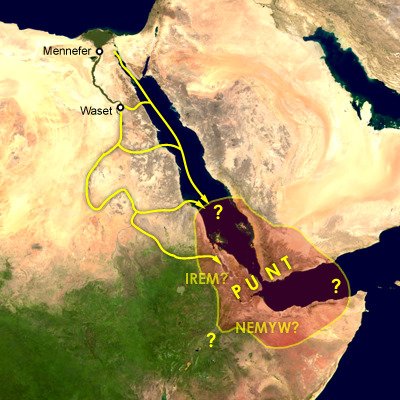
The first likely historical reference to Ethiopia is ancient Egyptian records of trade expeditions to the "Land of Punt" in search of gold, ebony, ivory, incense, and wild animals, starting in c 2500 BC 🇪🇹


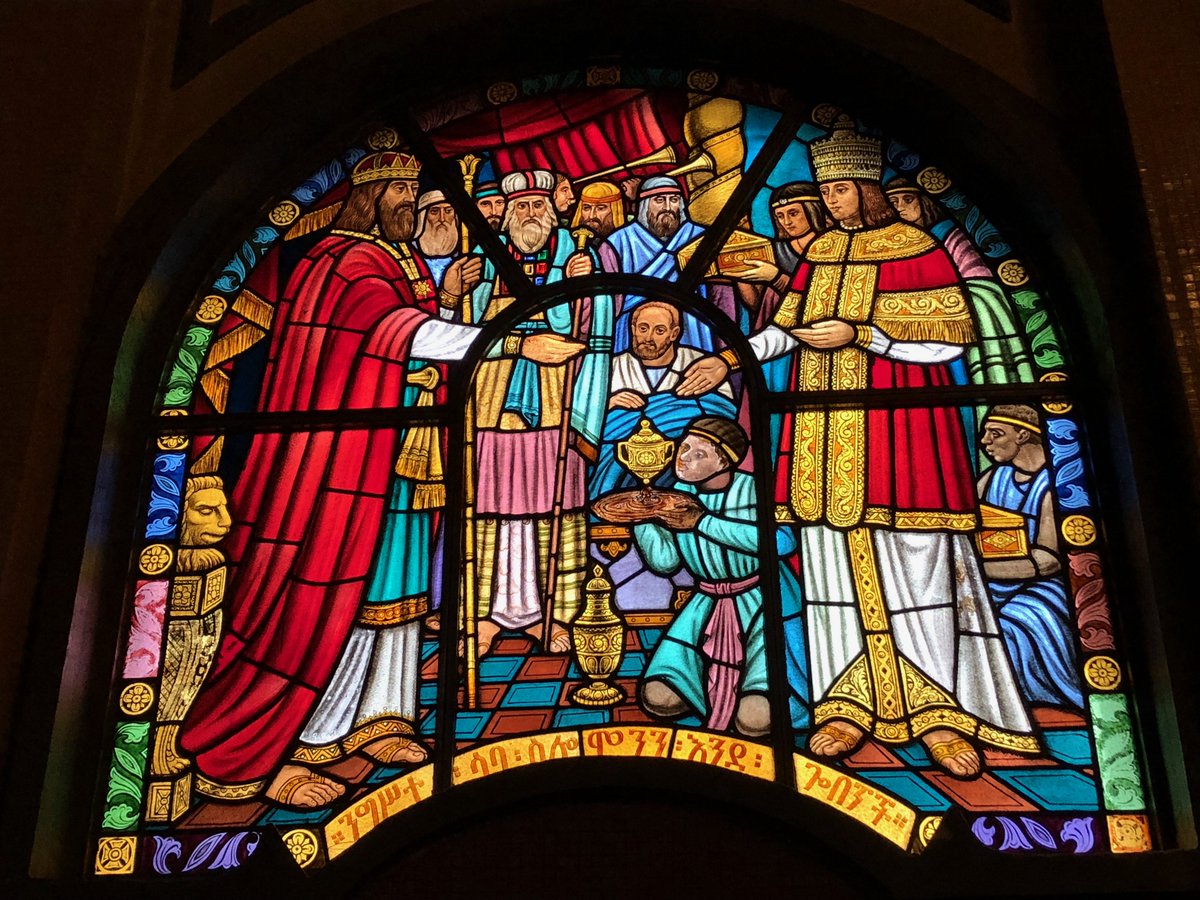
Ethiopians themselves believe that the Queen of Sheba, who visited Israel's King Solomon in the Bible (c 950 BC), came from Ethiopia (not Yemen, as others believe). Here she is meeting Solomon in a stain-glassed window in Addis Ababa's Holy Trinity Church. 🇪🇹


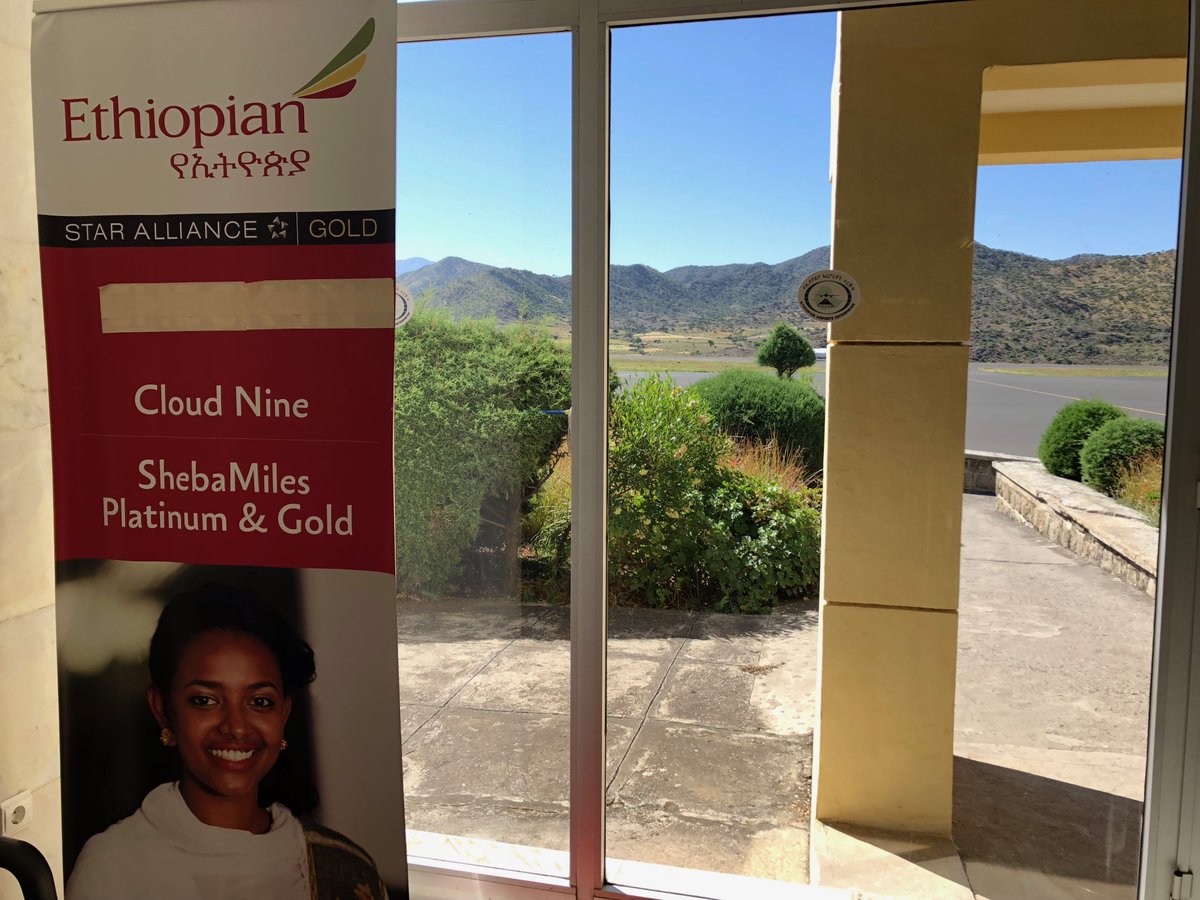
References to the Queen of Sheba are everywhere in Ethiopia. The national airline's frequent flier miles are even called "ShebaMiles". 🇪🇹
I'm going to do two history threads on Ethiopia, one on its ancient history, one on its modern story (1800 to today). 🇪🇹

I'll begin with the ancient history ... and it goes way back. Because modern humans - and before that, the ancestors of humans - almost certainly originated in Ethiopia. 🇪🇹 (sub-thread):


The first likely historical reference to Ethiopia is ancient Egyptian records of trade expeditions to the "Land of Punt" in search of gold, ebony, ivory, incense, and wild animals, starting in c 2500 BC 🇪🇹


Ethiopians themselves believe that the Queen of Sheba, who visited Israel's King Solomon in the Bible (c 950 BC), came from Ethiopia (not Yemen, as others believe). Here she is meeting Solomon in a stain-glassed window in Addis Ababa's Holy Trinity Church. 🇪🇹


References to the Queen of Sheba are everywhere in Ethiopia. The national airline's frequent flier miles are even called "ShebaMiles". 🇪🇹