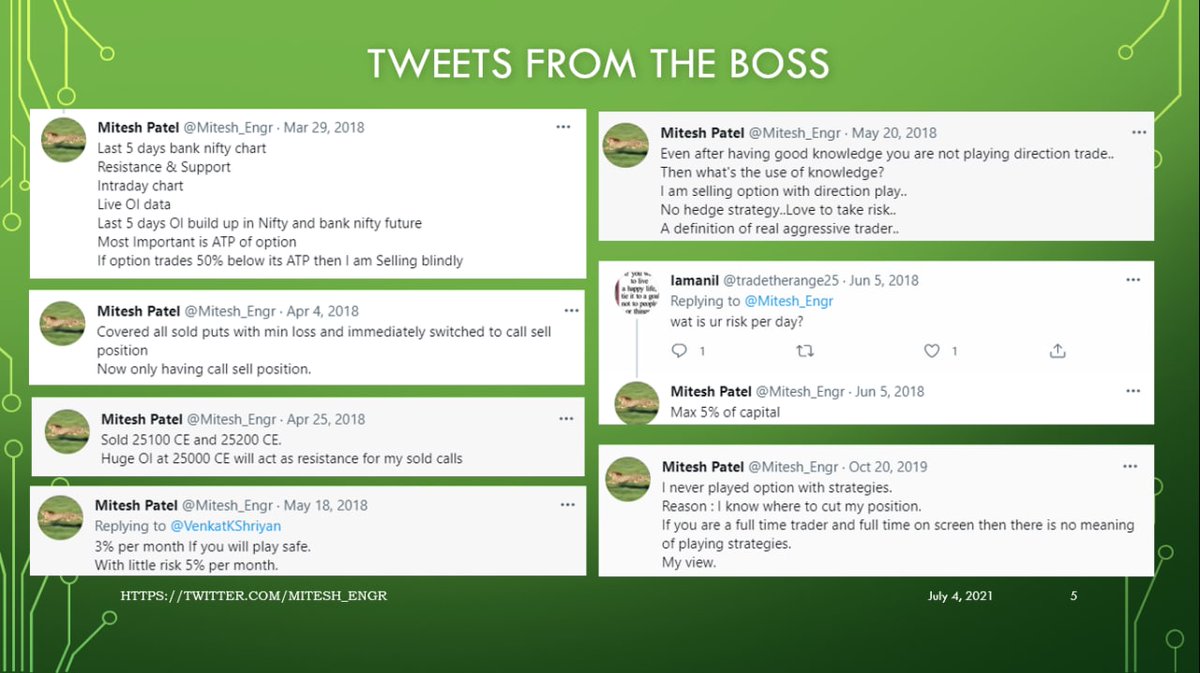
My last #tweetorial focused on the GCS. Now let's look at another hugely important clinical window into the brain: the pupil. What does a 'blown pupil' really imply? What about small fixed pupils? To understand this, we need to see how pupil size is governed. #FOAMed 1/20
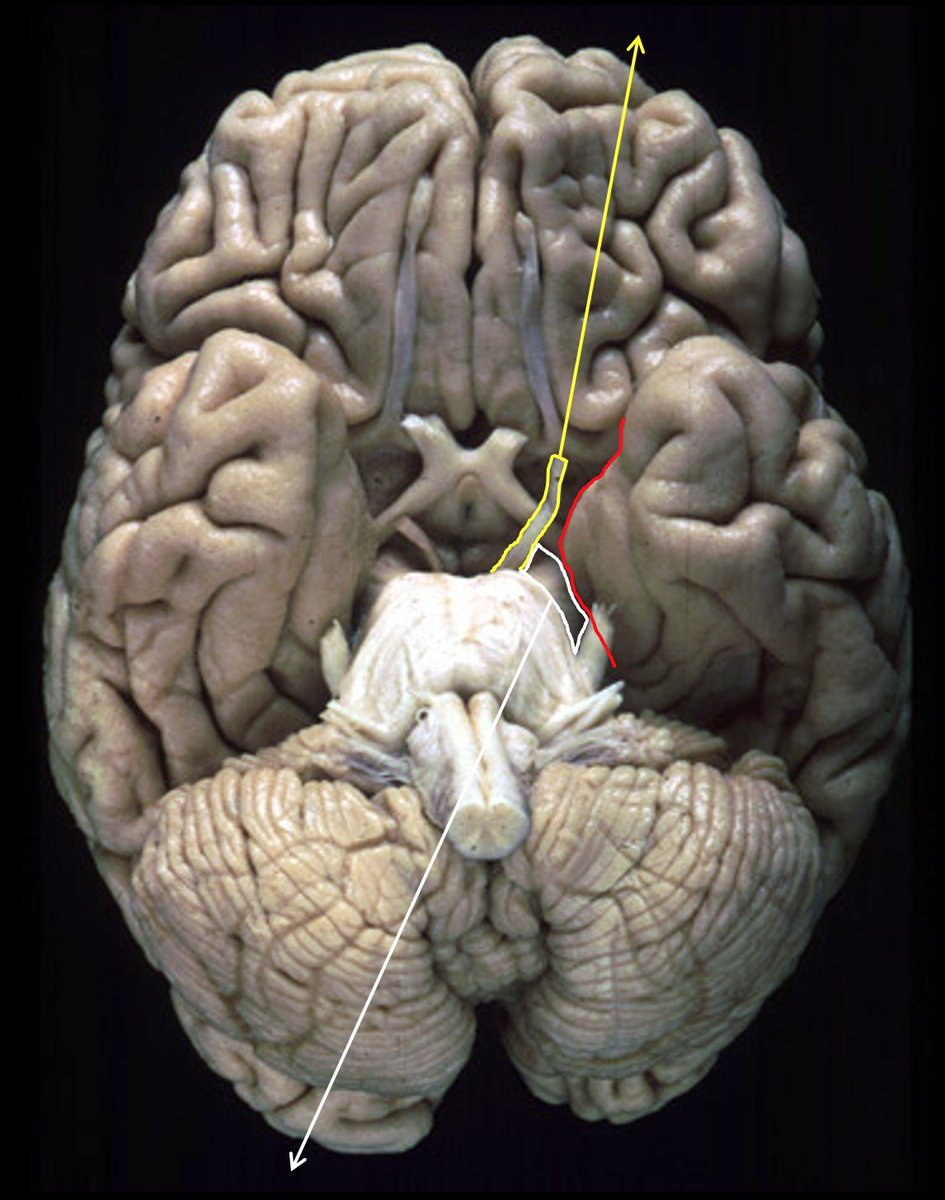


The classical example is pontine haemorrhage - deep coma and pinpoint pupils. 12/20
More from Health

Before we get too far into 2021, I thought I’d write a thread recapping some of the research that came out of my lab in 2020. Most of this work was led by my talented team of graduate students, Kerrianne Morrison, @kmdebrabander, and @DesiRJones.
Back in January, a news story was published about Kerrianne’s study showing improved social interaction outcomes for autistic adults when paired with another autistic partner.
A detailed thread about the study and a link to the paper can be found here (feel free to DM me your email address if you’d like a copy of the full paper for this study or any of our studies):
Another paper published early in 2020 (it appeared a few months earlier online) showed that traditional standalone tasks of social cognition are less predictive of functional and social skills among autistic adults than commonly assumed in autism research.
Next, @kmdebrabander led and published an innovative study about how well autistic and non-autistic adults can predict their own cognitive and social cognitive performance.
Back in January, a news story was published about Kerrianne’s study showing improved social interaction outcomes for autistic adults when paired with another autistic partner.
A detailed thread about the study and a link to the paper can be found here (feel free to DM me your email address if you’d like a copy of the full paper for this study or any of our studies):
In our new paper out today, autistic adults held a \u201cget to know you\u201d conversation with an unfamiliar autistic or typically-developing (TD) person. We were curious: would social interaction outcomes differ when their partner was also autistic? THREAD https://t.co/4koqUKV9G1
— Noah Sasson (@Noahsasson) December 11, 2019
Another paper published early in 2020 (it appeared a few months earlier online) showed that traditional standalone tasks of social cognition are less predictive of functional and social skills among autistic adults than commonly assumed in autism research.
How well does social cognition predict functional and social skills in autism? Our new paper attempts to answer this question. This thread summarizes why we conducted the study, what we found, and why I think it\u2019s important. https://t.co/KB1nIpK0M2
— Noah Sasson (@Noahsasson) August 16, 2019
Next, @kmdebrabander led and published an innovative study about how well autistic and non-autistic adults can predict their own cognitive and social cognitive performance.
New by @kmdebrabander and our lab: Autistic adults don\u2019t differ from non-autistic adults in the accuracy of their self-assessment on general cognitive tasks but are less accurate on social cognitive tasks. This however was unrelated to social functioning https://t.co/0MrqMKKO0r
— Noah Sasson (@Noahsasson) September 20, 2020

No-regret #hydrogen:
Charting early steps for H₂ infrastructure in Europe.
👉Summary of conclusions of a new study by @AgoraEW @AFRY_global @Ma_Deutsch @gnievchenko (1/17)
https://t.co/YA50FA57Em
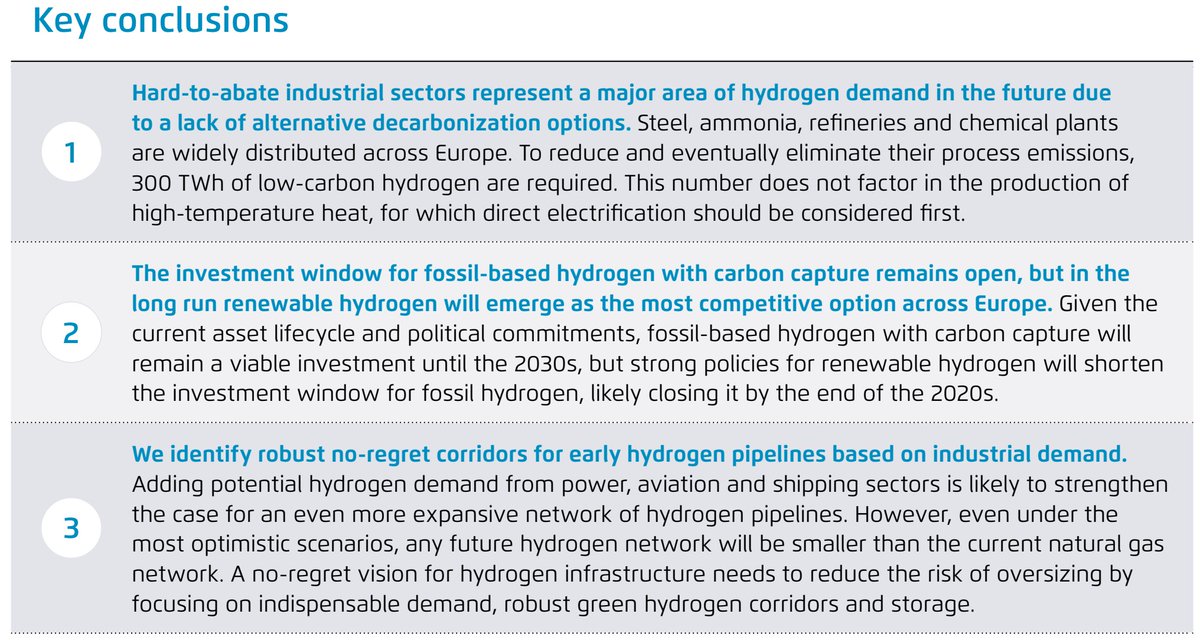
The idea behind this study is that future hydrogen demand is highly uncertain and we don’t want to spend tens of billions of euros to repurpose a network which won’t be needed. For instance, hydrogen in ground transport is a hotly debated topic https://t.co/RlnqDYVzpr (2/17)
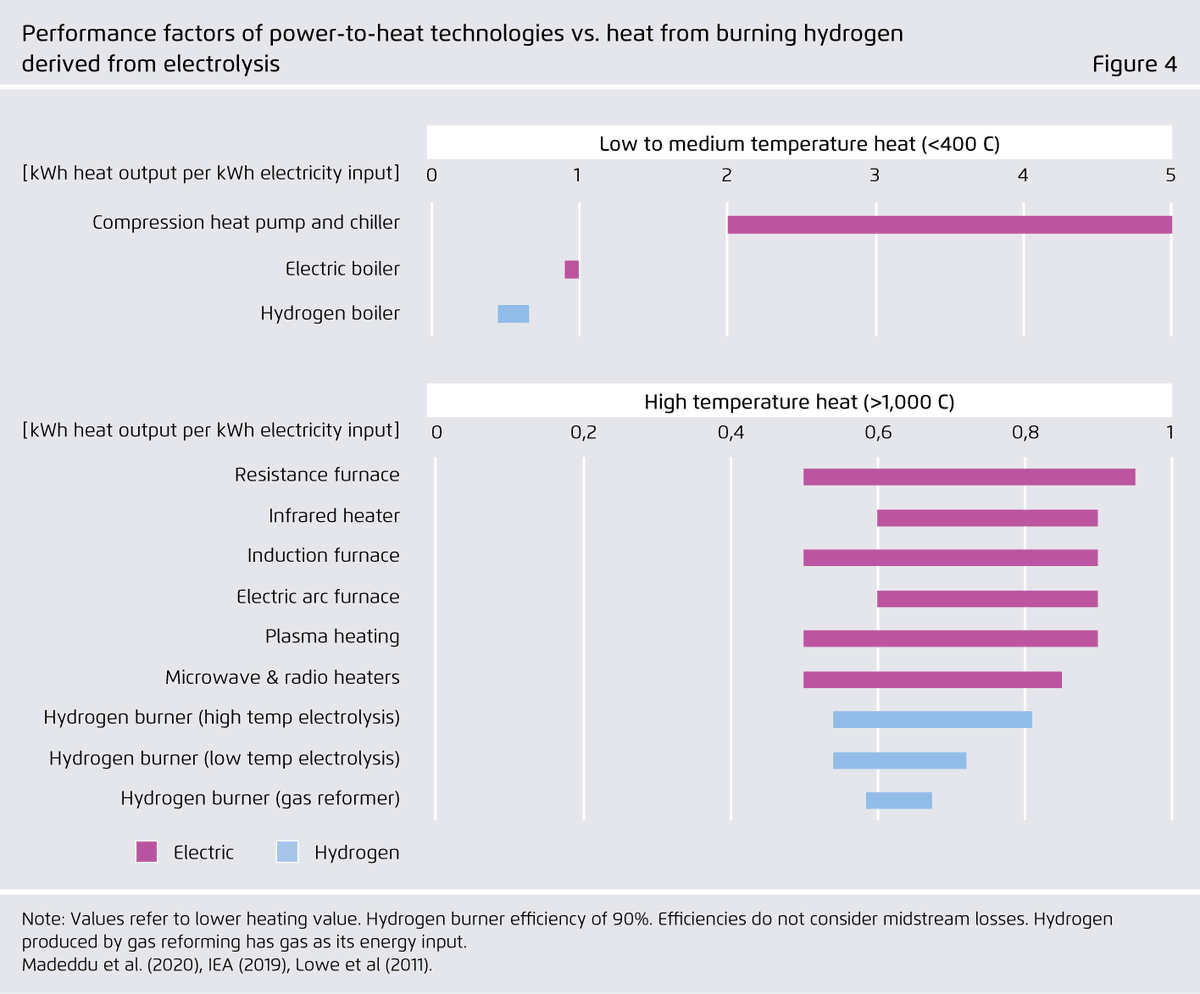
Similar things can be said about heat. 40% of today’s industrial natural gas use in the EU goes to heat below 100°C and therefore is within range of electric heat pumps – whose performance factors far exceed 100%. (3/17)

Even for higher temperatures, a range of power-to-heat (PtH) options can be more energy-efficient than hydrogen and should be considered first. Available PtH technologies can cover all temperature levels needed in industrial production (e.g. electric arc furnace: 3500°C). (4/17)
In our view, hydrogen use for feedstock and chemical reactions is the only inescapable source of industrial hydrogen demand in Europe that does not lend itself to electrification. Examples include ammonia, steel, and petrochemical industries. (5/17)
Charting early steps for H₂ infrastructure in Europe.
👉Summary of conclusions of a new study by @AgoraEW @AFRY_global @Ma_Deutsch @gnievchenko (1/17)
https://t.co/YA50FA57Em
The idea behind this study is that future hydrogen demand is highly uncertain and we don’t want to spend tens of billions of euros to repurpose a network which won’t be needed. For instance, hydrogen in ground transport is a hotly debated topic https://t.co/RlnqDYVzpr (2/17)
Similar things can be said about heat. 40% of today’s industrial natural gas use in the EU goes to heat below 100°C and therefore is within range of electric heat pumps – whose performance factors far exceed 100%. (3/17)
Even for higher temperatures, a range of power-to-heat (PtH) options can be more energy-efficient than hydrogen and should be considered first. Available PtH technologies can cover all temperature levels needed in industrial production (e.g. electric arc furnace: 3500°C). (4/17)
In our view, hydrogen use for feedstock and chemical reactions is the only inescapable source of industrial hydrogen demand in Europe that does not lend itself to electrification. Examples include ammonia, steel, and petrochemical industries. (5/17)


On 18.12.2020, computer engineer @FitTuber shared @YouTube video titled "10 Safe & Useful Ayurvedic Tablets to Replace Allopathic Pills (Instant Relief)". The drugs he promoted were by @baidyanathgroup, not sure if it was paid promotion. I bought them:
https://t.co/w6Sh2pMvJf
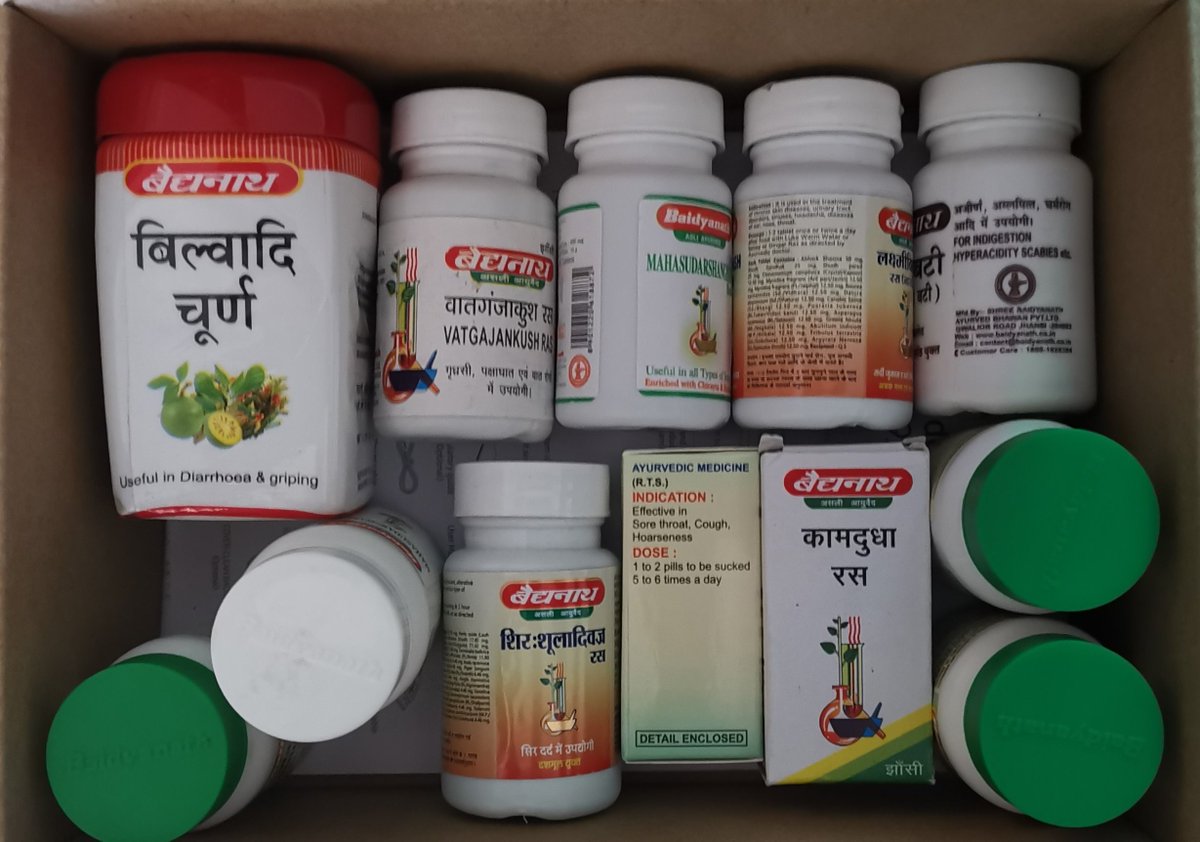
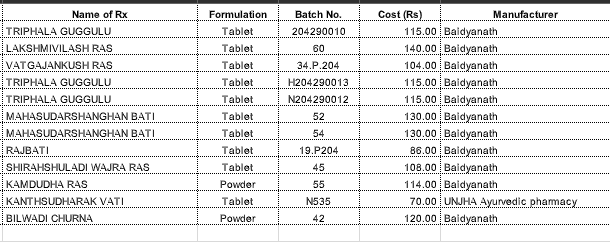
10 drugs, details, batch numbers R given in pic👇. All by @baidyanathgroup exept 1 by https://t.co/tg46sBhJr2
We did GCMSMS, ICP-OES and FTIR analyses on these samples. Here are my 10 safer modern medicine alternatives 2 @FitTuber's untested, potentially harmful #Ayurvedic drugs
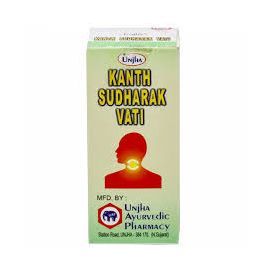
Kanthsudharak Vati by Unjha Pharma
@FitTuber: 4 sorethroat, cold, cough
Analysis: Lead 0.54 mg/kg, Cadmium 0.4 mg/kg, Thallium 0.71 mg/kg and industrial phenols.
Low values, but not ideal.
Safe alternative: Levocetrizine & non-sedative cough syrup Levodropropizine
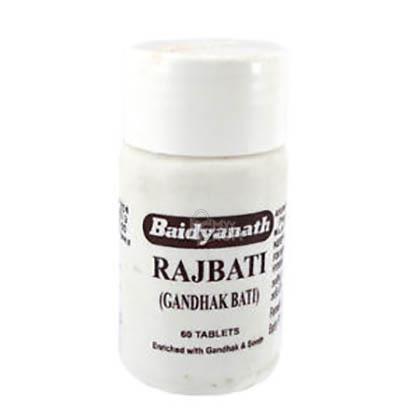
Baidyanath Rajbati
@Fittuber: for bloating, gas
Analysis:
Mercury 1.2 mg/kg
Arsenic 2.25 mg/kg
Male anabolic hormone - hydroxy testosterone+
Curcumin
Talc powder
Safer alternative: activated charcoal+simethicone (non-absorbed, no side effects) or short course esomeprazole.
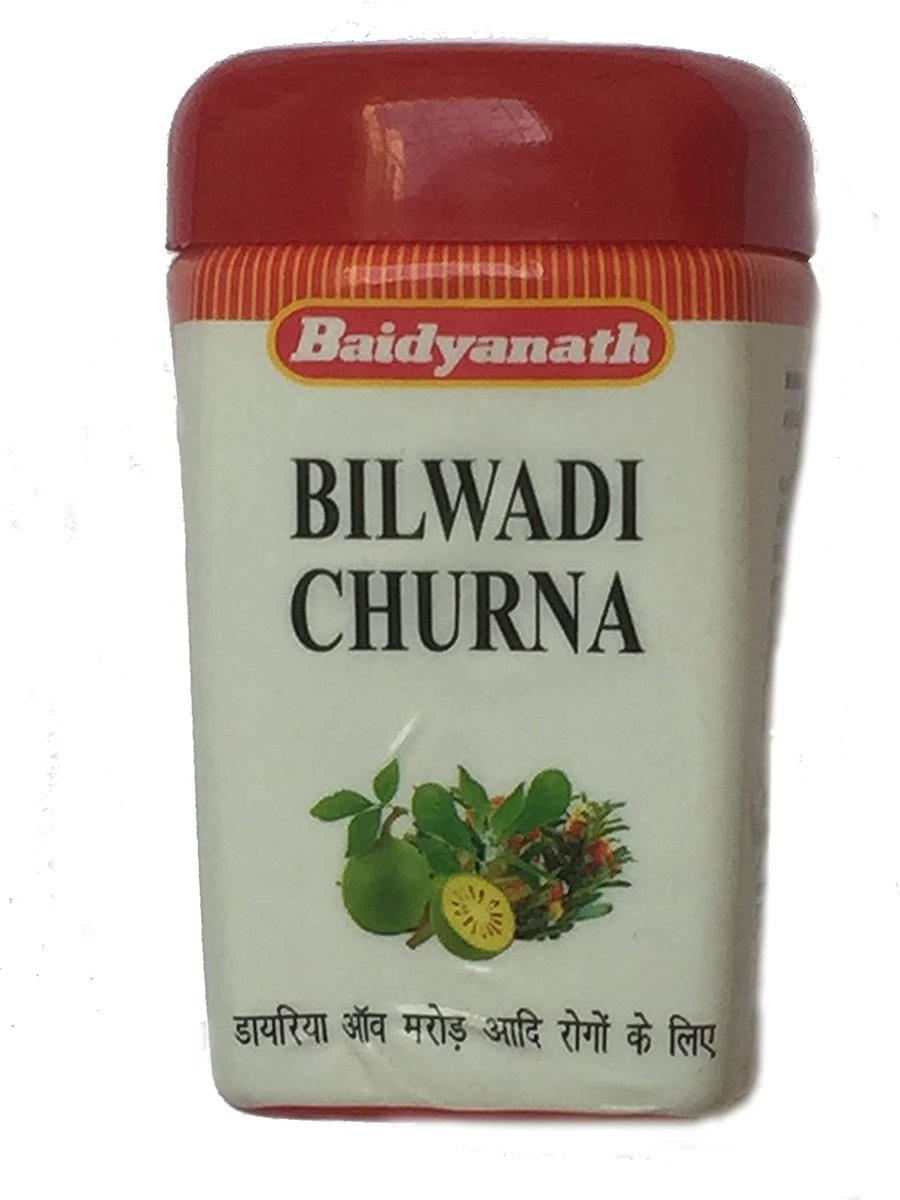
Baidyanath Bilwadi Choorna
@Fittuber - 4 diarrhoea
Analysis
Thallium 3.68 mg/kg
[fun fact: 10-15 mg/kg is lethal dose for humans. Death can occur at lower dosages] https://t.co/9ozOKROhCK
Fenretinide - synthetic anti-cancer drug
Liver toxic chromium phosph.
Safer: Racecadotril
https://t.co/w6Sh2pMvJf
1
— (Cyriac) Abby Philips (@drabbyphilips) December 31, 2020
I followed @FitTuber advise and got all these #Ayurveda medicines which he outright claimed are '#safer', ''#effective' than conventional prescription drugs for day to day use. These will be tested for #safety first - will undergo GCMSMS, ICP-OES and FTIR analyses.#MedTwitter pic.twitter.com/IS2KrtsoO8
10 drugs, details, batch numbers R given in pic👇. All by @baidyanathgroup exept 1 by https://t.co/tg46sBhJr2
We did GCMSMS, ICP-OES and FTIR analyses on these samples. Here are my 10 safer modern medicine alternatives 2 @FitTuber's untested, potentially harmful #Ayurvedic drugs
Kanthsudharak Vati by Unjha Pharma
@FitTuber: 4 sorethroat, cold, cough
Analysis: Lead 0.54 mg/kg, Cadmium 0.4 mg/kg, Thallium 0.71 mg/kg and industrial phenols.
Low values, but not ideal.
Safe alternative: Levocetrizine & non-sedative cough syrup Levodropropizine
Baidyanath Rajbati
@Fittuber: for bloating, gas
Analysis:
Mercury 1.2 mg/kg
Arsenic 2.25 mg/kg
Male anabolic hormone - hydroxy testosterone+
Curcumin
Talc powder
Safer alternative: activated charcoal+simethicone (non-absorbed, no side effects) or short course esomeprazole.
Baidyanath Bilwadi Choorna
@Fittuber - 4 diarrhoea
Analysis
Thallium 3.68 mg/kg
[fun fact: 10-15 mg/kg is lethal dose for humans. Death can occur at lower dosages] https://t.co/9ozOKROhCK
Fenretinide - synthetic anti-cancer drug
Liver toxic chromium phosph.
Safer: Racecadotril
You May Also Like




First thread of the year because I have time during MCO. As requested, a thread on the gods and spirits of Malay folk religion. Some are indigenous, some are of Indian origin, some have Islamic
Before I begin, it might be worth explaining the Malay conception of the spirit world. At its deepest level, Malay religious belief is animist. All living beings and even certain objects are said to have a soul. Natural phenomena are either controlled by or personified as spirits
Although these beings had to be respected, not all of them were powerful enough to be considered gods. Offerings would be made to the spirits that had greater influence on human life. Spells and incantations would invoke their
Two known examples of such elemental spirits that had god-like status are Raja Angin (king of the wind) and Mambang Tali Arus (spirit of river currents). There were undoubtedly many more which have been lost to time
Contact with ancient India brought the influence of Hinduism and Buddhism to SEA. What we now call Hinduism similarly developed in India out of native animism and the more formal Vedic tradition. This can be seen in the multitude of sacred animals and location-specific Hindu gods
i wonder if you can make a thread bout witchcraft in malaysia.. or list of our own local gods/deites..
— r a y a \U0001f319 (@lcvelylilith) February 20, 2020
Before I begin, it might be worth explaining the Malay conception of the spirit world. At its deepest level, Malay religious belief is animist. All living beings and even certain objects are said to have a soul. Natural phenomena are either controlled by or personified as spirits
Although these beings had to be respected, not all of them were powerful enough to be considered gods. Offerings would be made to the spirits that had greater influence on human life. Spells and incantations would invoke their
Animist ceremonies of a religious or magical nature were normally held for the purpose of divination or making a request. This would either be done at a keramat or at a shrine similar to the Thai spirit houses or Chinese roadside shrines pic.twitter.com/I1hliyi0x3
— \u2745\u1710\u170b\u1713\u170e (@uglyluhan) June 16, 2019
Two known examples of such elemental spirits that had god-like status are Raja Angin (king of the wind) and Mambang Tali Arus (spirit of river currents). There were undoubtedly many more which have been lost to time
Contact with ancient India brought the influence of Hinduism and Buddhism to SEA. What we now call Hinduism similarly developed in India out of native animism and the more formal Vedic tradition. This can be seen in the multitude of sacred animals and location-specific Hindu gods