
1. Ten Days of Darkness have begun – & would end Inauguration Day 20 Jan.
Since 6 Jan. Washington DC has been under lockdown. President Trump has mobilized the Military & they were collecting evidence of political elite conspiring with foreign nations to take over the
U.S.
More from 🇺🇸I Support Our Military & Law Enforcement🇺🇸
More from Government


I don't normally do threads like this but I did want to provide some deeper thoughts on the below and why having a video game based on a real world war crime from the same people that received CIA funding isn't the best idea.
This will go pretty in depth FYI.
The core reason why I'm doing this thread is because:
1. It's clear the developers are marketing the game a certain way.
2. This is based on something that actually happened, a war crime no less. I don't have issues with shooter games in general ofc.
Firstly, It's important to acknowledge that the Iraq war was an illegal war, based on lies, a desire for regime change and control of resources in the region.
These were lies that people believed and still believe to this day.
It's also important to mention that the action taken by these aggressors is the reason there was a battle in Fallujah in the first place. People became resistance fighters because they were left with nothing but death and destruction all around them after the illegal invasion.
This is where one of the first red flags comes up.
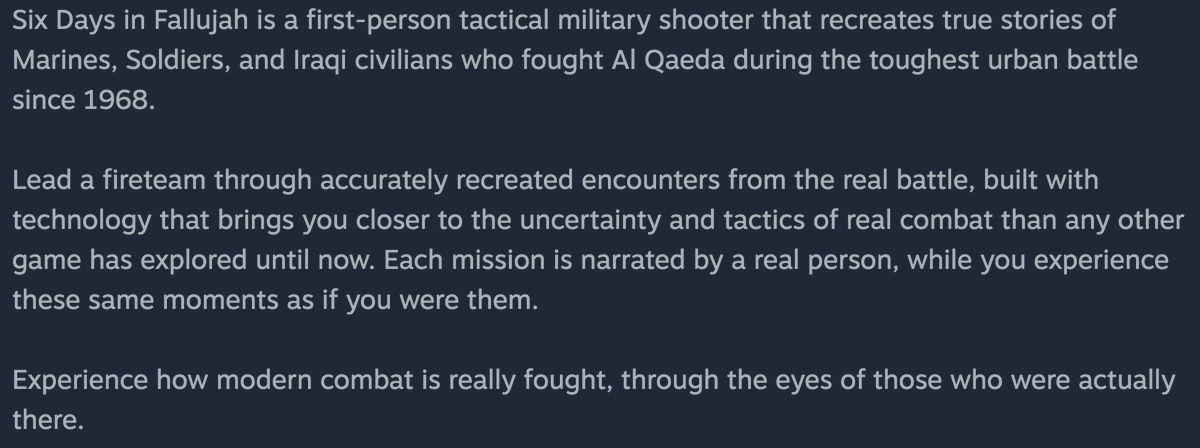
The game is very much from an American point of view, as shown in the description.
When it mentions Iraqi civilians, it doesn't talk about them as victims, but mentions them as being pro US, fighting alongside them.
This will go pretty in depth FYI.
I couldn't possibly guess why Six Days in Fallujah is being revived at a time when US army recruitment is at an all time low.
— Daniel Ahmad (@ZhugeEX) February 11, 2021
This reboot is from the same people that worked with the FBI and CIA on training systems and is basing its game on excusing US war crimes. pic.twitter.com/5H8vVqKh9s
The core reason why I'm doing this thread is because:
1. It's clear the developers are marketing the game a certain way.
2. This is based on something that actually happened, a war crime no less. I don't have issues with shooter games in general ofc.
Firstly, It's important to acknowledge that the Iraq war was an illegal war, based on lies, a desire for regime change and control of resources in the region.
These were lies that people believed and still believe to this day.
It's also important to mention that the action taken by these aggressors is the reason there was a battle in Fallujah in the first place. People became resistance fighters because they were left with nothing but death and destruction all around them after the illegal invasion.
This is where one of the first red flags comes up.
The game is very much from an American point of view, as shown in the description.
When it mentions Iraqi civilians, it doesn't talk about them as victims, but mentions them as being pro US, fighting alongside them.

You May Also Like

I just finished Eric Adler's The Battle of the Classics, and wanted to say something about Joel Christiansen's review linked below. I am not sure what motivates the review (I speculate a bit below), but it gives a very misleading impression of the book. 1/x
The meat of the criticism is that the history Adler gives is insufficiently critical. Adler describes a few figures who had a great influence on how the modern US university was formed. It's certainly critical: it focuses on the social Darwinism of these figures. 2/x
Other insinuations and suggestions in the review seem wildly off the mark, distorted, or inappropriate-- for example, that the book is clickbaity (it is scholarly) or conservative (hardly) or connected to the events at the Capitol (give me a break). 3/x
The core question: in what sense is classics inherently racist? Classics is old. On Adler's account, it begins in ancient Rome and is revived in the Renaissance. Slavery (Christiansen's primary concern) is also very old. Let's say classics is an education for slaveowners. 4/x
It's worth remembering that literacy itself is elite throughout most of this history. Literacy is, then, also the education of slaveowners. We can honor oral and musical traditions without denying that literacy is, generally, good. 5/x
As someone\u2019s who\u2019s read the book, this review strikes me as tremendously unfair. It mostly faults Adler for not writing the book the reviewer wishes he had! https://t.co/pqpt5Ziivj
— Teresa M. Bejan (@tmbejan) January 12, 2021
The meat of the criticism is that the history Adler gives is insufficiently critical. Adler describes a few figures who had a great influence on how the modern US university was formed. It's certainly critical: it focuses on the social Darwinism of these figures. 2/x
Other insinuations and suggestions in the review seem wildly off the mark, distorted, or inappropriate-- for example, that the book is clickbaity (it is scholarly) or conservative (hardly) or connected to the events at the Capitol (give me a break). 3/x
The core question: in what sense is classics inherently racist? Classics is old. On Adler's account, it begins in ancient Rome and is revived in the Renaissance. Slavery (Christiansen's primary concern) is also very old. Let's say classics is an education for slaveowners. 4/x
It's worth remembering that literacy itself is elite throughout most of this history. Literacy is, then, also the education of slaveowners. We can honor oral and musical traditions without denying that literacy is, generally, good. 5/x



1/OK, data mystery time.
This New York Times feature shows China with a Gini Index of less than 30, which would make it more equal than Canada, France, or the Netherlands. https://t.co/g3Sv6DZTDE
That's weird. Income inequality in China is legendary.
Let's check this number.
2/The New York Times cites the World Bank's recent report, "Fair Progress? Economic Mobility across Generations Around the World".
The report is available here:
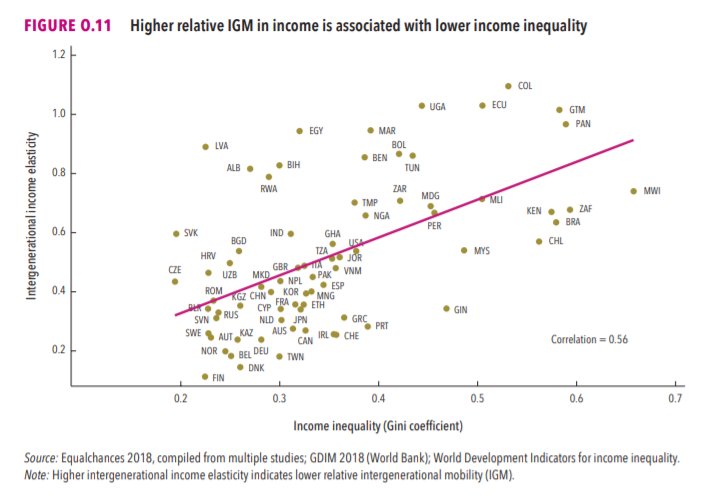
3/The World Bank report has a graph in which it appears to show the same value for China's Gini - under 0.3.
The graph cites the World Development Indicators as its source for the income inequality data.
4/The World Development Indicators are available at the World Bank's website.
Here's the Gini index: https://t.co/MvylQzpX6A
It looks as if the latest estimate for China's Gini is 42.2.
That estimate is from 2012.
5/A Gini of 42.2 would put China in the same neighborhood as the U.S., whose Gini was estimated at 41 in 2013.
I can't find the <30 number anywhere. The only other estimate in the tables for China is from 2008, when it was estimated at 42.8.
This New York Times feature shows China with a Gini Index of less than 30, which would make it more equal than Canada, France, or the Netherlands. https://t.co/g3Sv6DZTDE
That's weird. Income inequality in China is legendary.
Let's check this number.
2/The New York Times cites the World Bank's recent report, "Fair Progress? Economic Mobility across Generations Around the World".
The report is available here:
3/The World Bank report has a graph in which it appears to show the same value for China's Gini - under 0.3.
The graph cites the World Development Indicators as its source for the income inequality data.
4/The World Development Indicators are available at the World Bank's website.
Here's the Gini index: https://t.co/MvylQzpX6A
It looks as if the latest estimate for China's Gini is 42.2.
That estimate is from 2012.
5/A Gini of 42.2 would put China in the same neighborhood as the U.S., whose Gini was estimated at 41 in 2013.
I can't find the <30 number anywhere. The only other estimate in the tables for China is from 2008, when it was estimated at 42.8.

✨📱 iOS 12.1 📱✨
🗓 Release date: October 30, 2018
📝 New Emojis: 158
https://t.co/bx8XjhiCiB
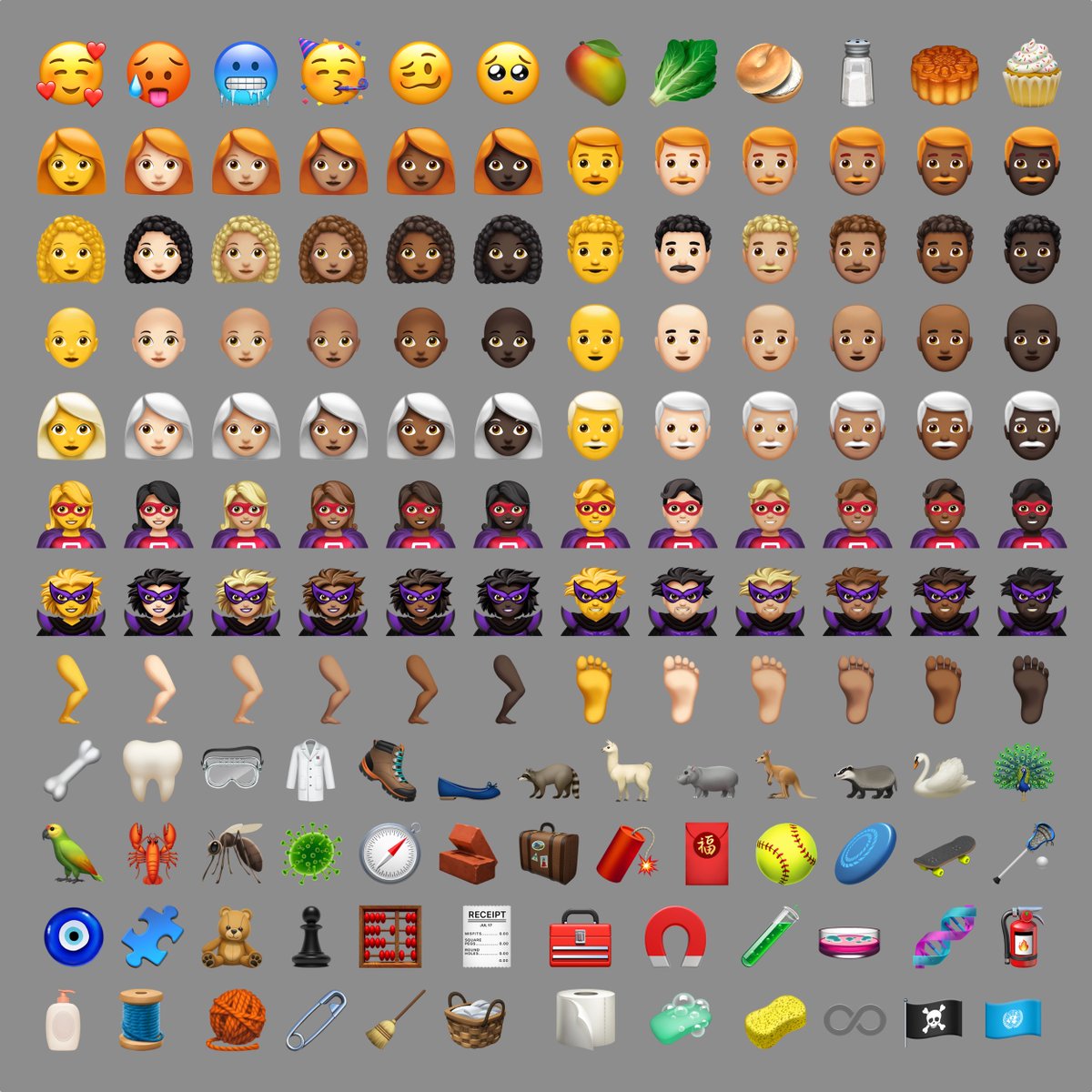
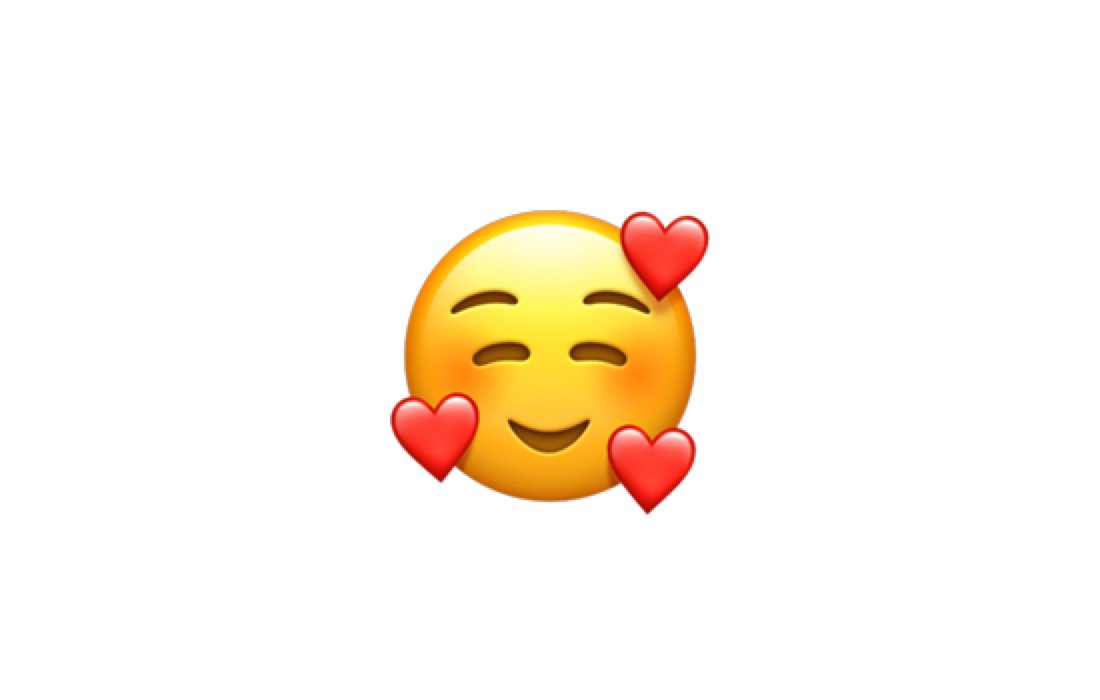
New in iOS 12.1: 🥰 Smiling Face With 3 Hearts https://t.co/6eajdvueip
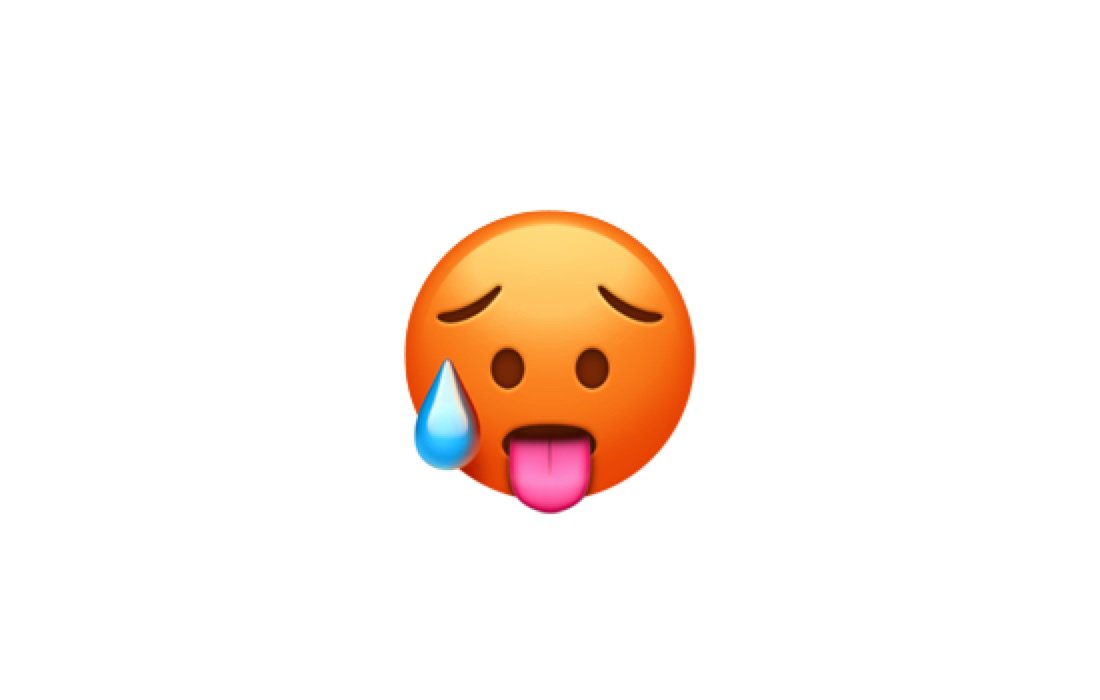
New in iOS 12.1: 🥵 Hot Face https://t.co/jhTv1elltB
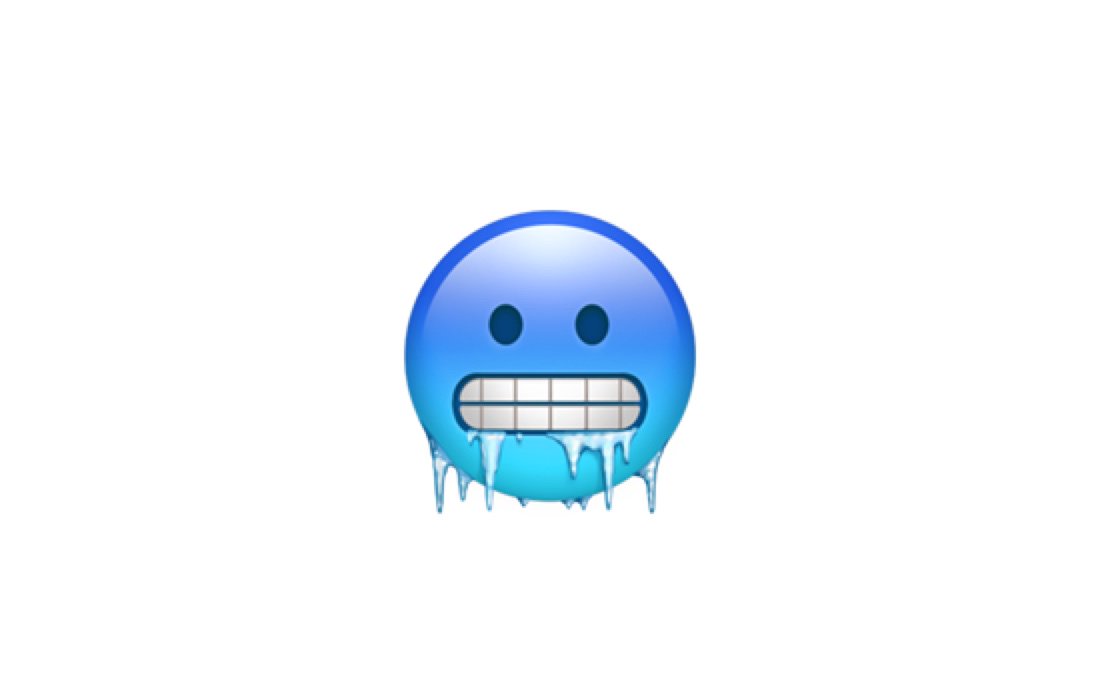
New in iOS 12.1: 🥶 Cold Face https://t.co/EIjyl6yZrF
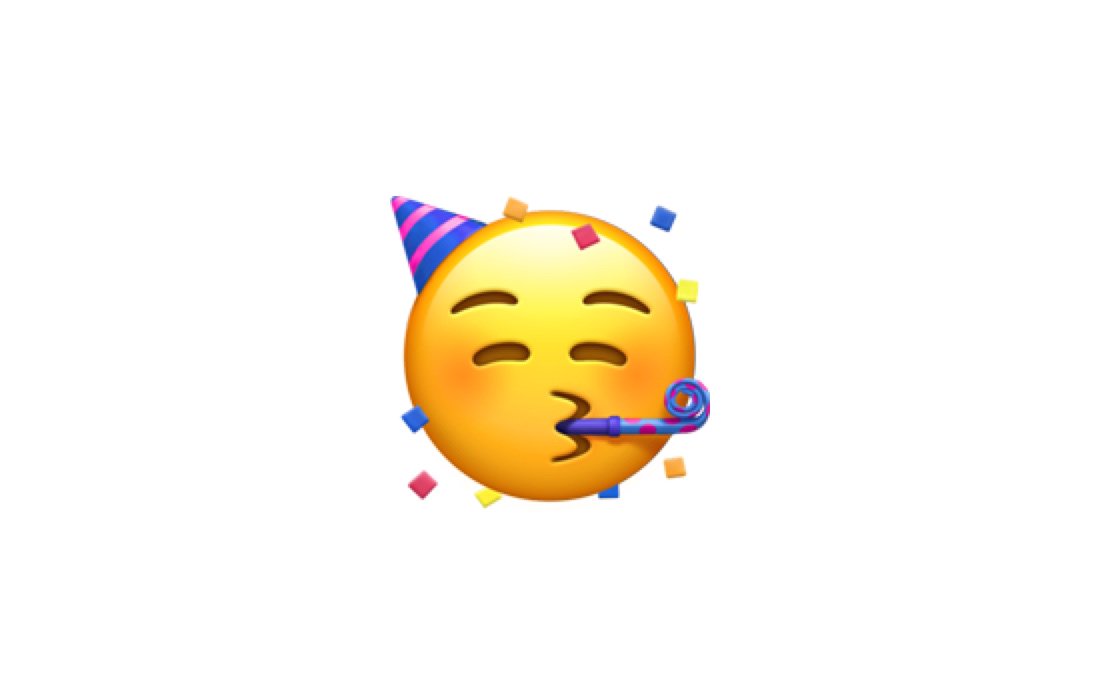
New in iOS 12.1: 🥳 Partying Face https://t.co/p8FDNEQ3LJ
🗓 Release date: October 30, 2018
📝 New Emojis: 158
https://t.co/bx8XjhiCiB
New in iOS 12.1: 🥰 Smiling Face With 3 Hearts https://t.co/6eajdvueip
New in iOS 12.1: 🥵 Hot Face https://t.co/jhTv1elltB
New in iOS 12.1: 🥶 Cold Face https://t.co/EIjyl6yZrF
New in iOS 12.1: 🥳 Partying Face https://t.co/p8FDNEQ3LJ