They're now operating in a highly political environment. More could join them. 2/
I think this thread came from a good place, but I want to add a few thoughts because I think service members WILL be talking about yesterday's events -- and that leaders SHOULD be talking to their troops about them.
They need to be thoughtful, not scared of doing so. 1/
(2 of 4) Commandant Sends #13: Protest at the US Capitol
— Army War College (@ArmyWarCollege) January 6, 2021
"And in light of that, I believe it is prudent to remind everyone of our duty to restrain ourselves from political commentary in any venue. The importance of an apolitical military cannot be overstated."
They're now operating in a highly political environment. More could join them. 2/
Personal/partisan sympathies cannot interfere with a military unit's duties. 4/
You can't do that if you're not communicating with them and having real discussions. 5/
Leaders can & should make clear that civilian electoral institutions HAVE decided the outcome. The Electoral College vote has been certified. Joe Biden will be President. 6/
But leaders should not avoid these discussions or pretend divisions aren't there. They need to work to unify around values and principles of service. 7/
How to deal with those soldiers is a whole different problem, but it is one leaders should be addressing. 8/
In this sense, it is wise to avoid pure commentary, particularly if it could give the impression you're speaking for the military -- intentionally or not. 9/
Not talking about these issues won't make them go away, and it could potentially obscure real problems.
So, please talk about them. But be professional & thoughtful. And remember the public is watching. 10/10
He came on a post one of my former LTs made condemning yesterday. Stated there were many exercising their Constitutional rights and the term \u201cStorming the Capitol\u201d is unfair to them. Profile pic is in ASUs. Told him we expect better of Army Os. Will see if he escalates.
— Brad Duplessis (@DuplessisBrad) January 7, 2021
More from Government

Oh my Goodness!!!
I might have a panic attack due to excitement!!
Read this thread to the end...I just had an epiphany and my mind is blown. Actually, more than blown. More like OBLITERATED! This is the thing! This is the thing that will blow the entire thing out of the water!
Has this man been concealing his true identity?
Is this man a supposed 'dead' Seal Team Six soldier?
Witness protection to be kept safe until the right moment when all will be revealed?!
Who ELSE is alive that may have faked their death/gone into witness protection?

Were "golden tickets" inside the envelopes??

Are these "golden tickets" going to lead to their ultimate undoing?
Review crumbs on the board re: 'gold'.

#SEALTeam6 Trump re-tweeted this.

I might have a panic attack due to excitement!!
Read this thread to the end...I just had an epiphany and my mind is blown. Actually, more than blown. More like OBLITERATED! This is the thing! This is the thing that will blow the entire thing out of the water!
Tik Tok pic.twitter.com/8X3oMxvncP
— Scotty Mar10 (@Allenma15086871) December 29, 2020
Has this man been concealing his true identity?
Is this man a supposed 'dead' Seal Team Six soldier?
Witness protection to be kept safe until the right moment when all will be revealed?!
Who ELSE is alive that may have faked their death/gone into witness protection?
Were "golden tickets" inside the envelopes??
Are these "golden tickets" going to lead to their ultimate undoing?
Review crumbs on the board re: 'gold'.
#SEALTeam6 Trump re-tweeted this.

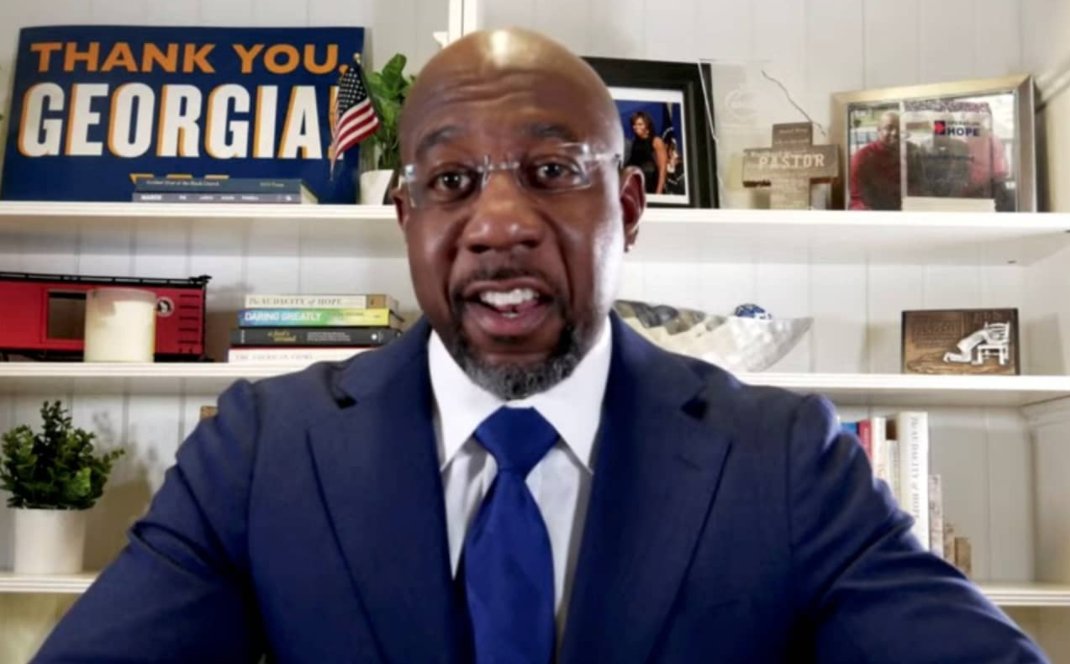
🔷 Rev. Raphael Warnock has become the first Democrat to win a Georgia Senate race in 20 years
The politician spoke to voters via MSNBC this morning
https://t.co/T9oJN2fjmo
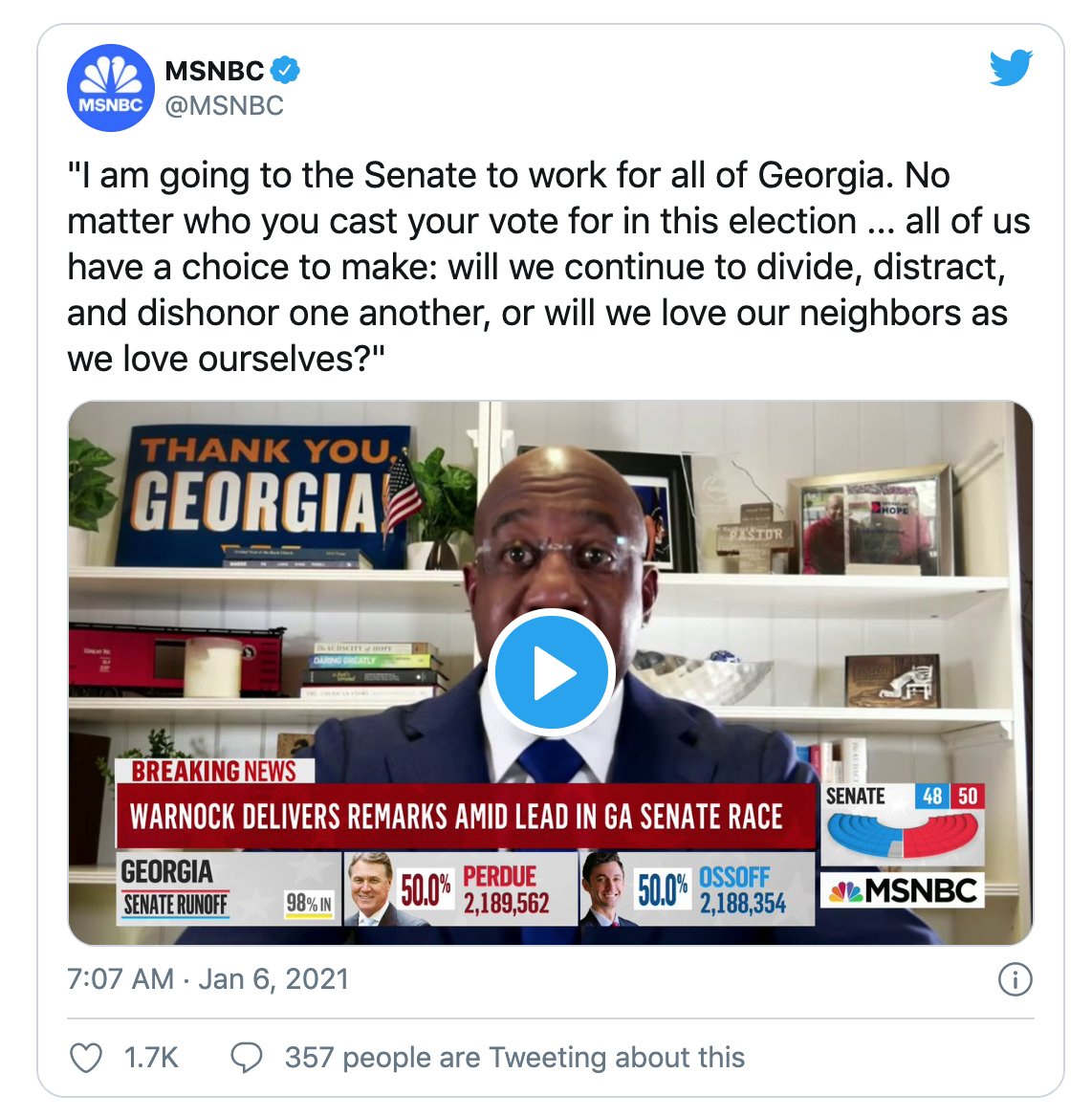
Warnock is a pastor at the Ebenezer Baptist Church in Atlanta where civil rights leader Martin Luther King once preached.
He will become Georgia's first Black senator
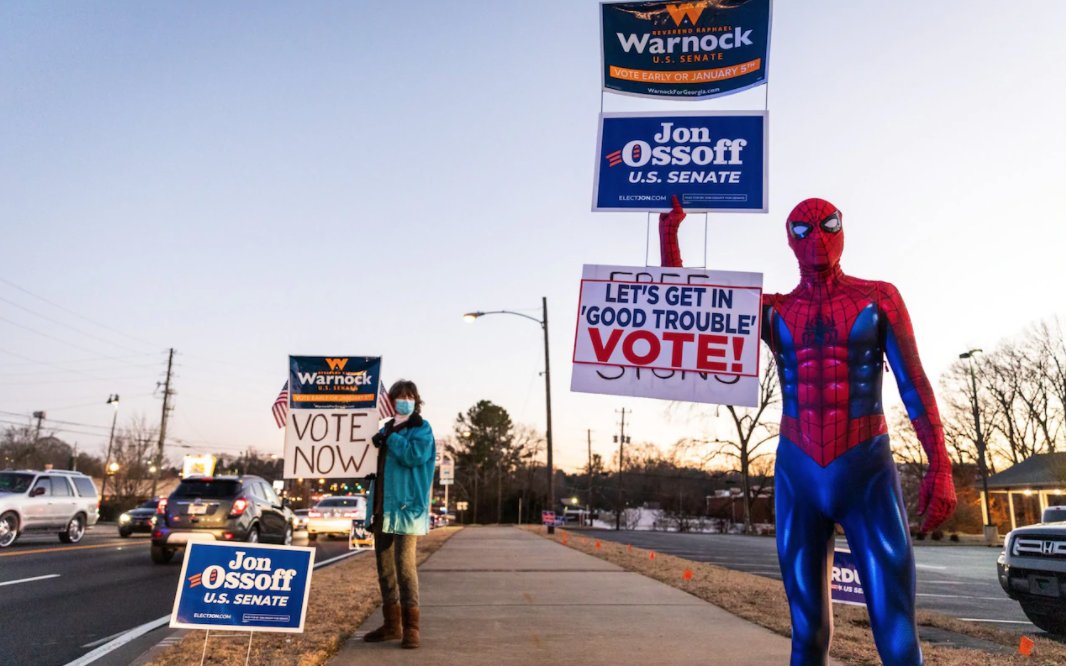
This blue victory gives the Democrats the chance to regain control of the Senate for at least the first two years of the Biden presidency
"With Biden proposing to reverse President Donald Trump's tax cut, increase the minimum wage, and strengthen oversight on various industries, some might argue that his agenda is not particularly market-friendly," says Vasu Menon, investment strategy director at OCBC Bank
The politician spoke to voters via MSNBC this morning
https://t.co/T9oJN2fjmo
Warnock is a pastor at the Ebenezer Baptist Church in Atlanta where civil rights leader Martin Luther King once preached.
He will become Georgia's first Black senator
This blue victory gives the Democrats the chance to regain control of the Senate for at least the first two years of the Biden presidency
"With Biden proposing to reverse President Donald Trump's tax cut, increase the minimum wage, and strengthen oversight on various industries, some might argue that his agenda is not particularly market-friendly," says Vasu Menon, investment strategy director at OCBC Bank