1/ How many times have u been told that ‘Imposter syndrome’ is an internal problem? That it’s your responsibility to make it go away from your mind. That it’s entirely a figment of your own imagination. Well I don’t think so, but the journey to this conclusion has been painful 🧵
More from For later read

The common understanding of propaganda is that it is intended to brainwash the masses. Supposedly, people get exposed to the same message repeatedly and over time come to believe in whatever nonsense authoritarians want them to believe /1
And yet authoritarians often broadcast silly, unpersuasive propaganda.
Political scientist Haifeng Huang writes that the purpose of propaganda is not to brainwash people, but to instill fear in them /2
When people are bombarded with propaganda everywhere they look, they are reminded of the strength of the regime.
The vast amount of resources authoritarians spend to display their message in every corner of the public square is a costly demonstration of their power /3
In fact, the overt silliness of authoritarian propaganda is part of the point. Propaganda is designed to be silly so that people can instantly recognize it when they see it
Propaganda is intended to instill fear in people, not brainwash them.
The message is: You might not believe in pro-regime values or attitudes. But we will make sure you are too frightened to do anything about it.
And yet authoritarians often broadcast silly, unpersuasive propaganda.
Political scientist Haifeng Huang writes that the purpose of propaganda is not to brainwash people, but to instill fear in them /2
"propaganda is often not used for indoctrination, but rather to signal the government\u2019s strength in being able to afford significant resources and impose on its citizens...not meant to 'brainwash', but rather to forewarn the society about how strong it is" https://t.co/mFAurhEHeO pic.twitter.com/WXKKJaPqWQ
— Rob Henderson (@robkhenderson) June 18, 2020
When people are bombarded with propaganda everywhere they look, they are reminded of the strength of the regime.
The vast amount of resources authoritarians spend to display their message in every corner of the public square is a costly demonstration of their power /3
In fact, the overt silliness of authoritarian propaganda is part of the point. Propaganda is designed to be silly so that people can instantly recognize it when they see it
Authoritarians do not use propaganda for brainwashing, "but to demonstrate their strength in social control...propaganda may need to be dull and unpersuasive, to make sure citizens know it is propaganda when they see it and hence get the implicit message" https://t.co/PqRpxjaIPL pic.twitter.com/1y67d2RCjB
— Rob Henderson (@robkhenderson) June 19, 2020
Propaganda is intended to instill fear in people, not brainwash them.
The message is: You might not believe in pro-regime values or attitudes. But we will make sure you are too frightened to do anything about it.







Today's Twitter threads (a Twitter thread).
Inside: Planet Money on HP's myriad ripoffs; Strength in numbers; and more!
Archived at: https://t.co/esjoT3u5Gr
#Pluralistic
1/
On Feb 22, I'm delivering a keynote address for the NISO Plus conference, "The day of the comet: what trustbusting means for digital manipulation."
https://t.co/Z84xicXhGg
2/
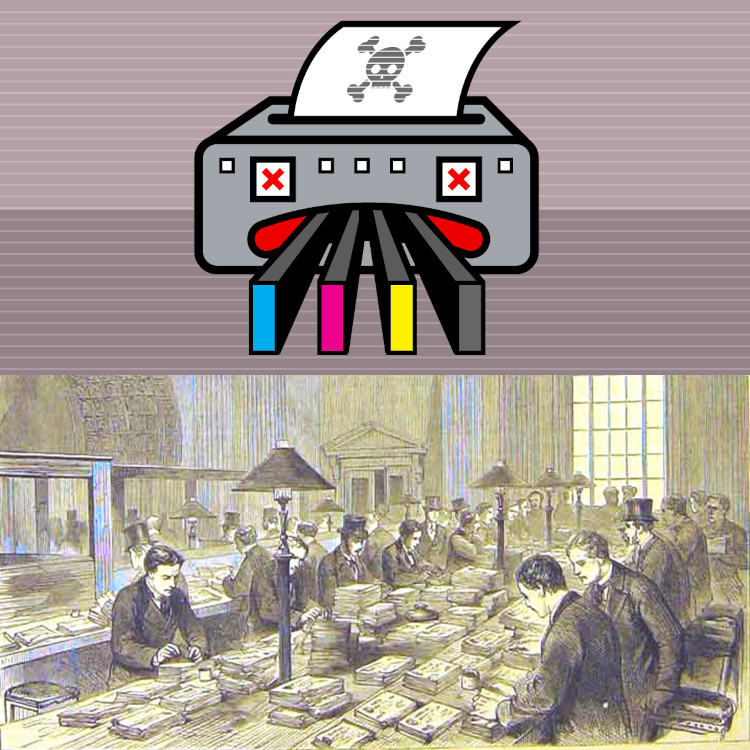
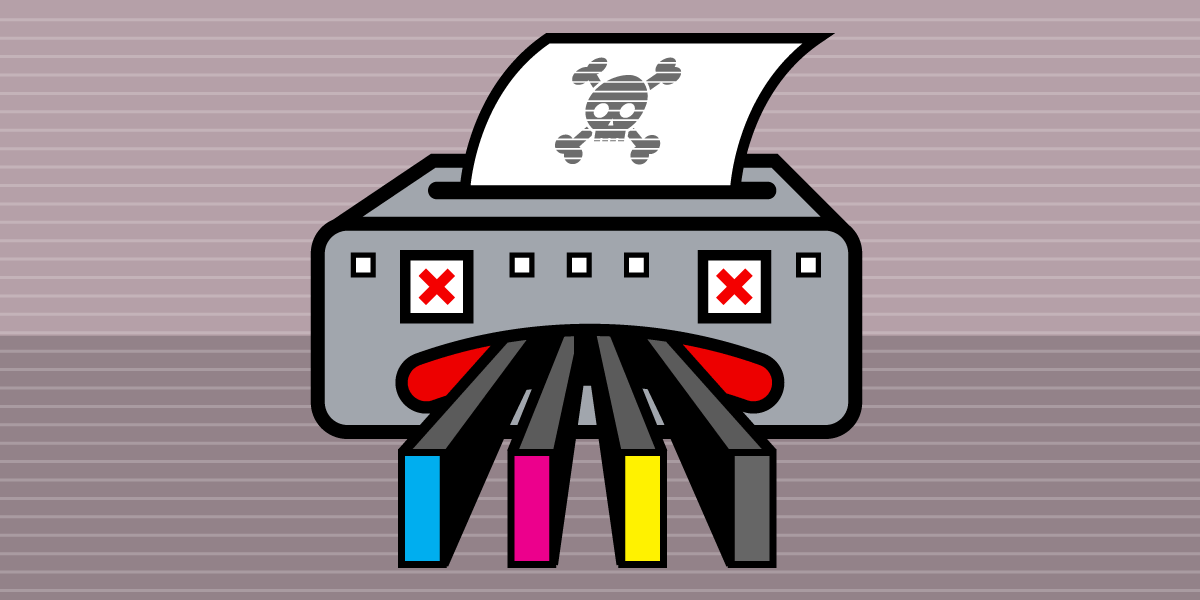
Planet Money on HP's myriad ripoffs: Ink-stained wretches of the world, unite!
https://t.co/k5ASdVUrC2
3/
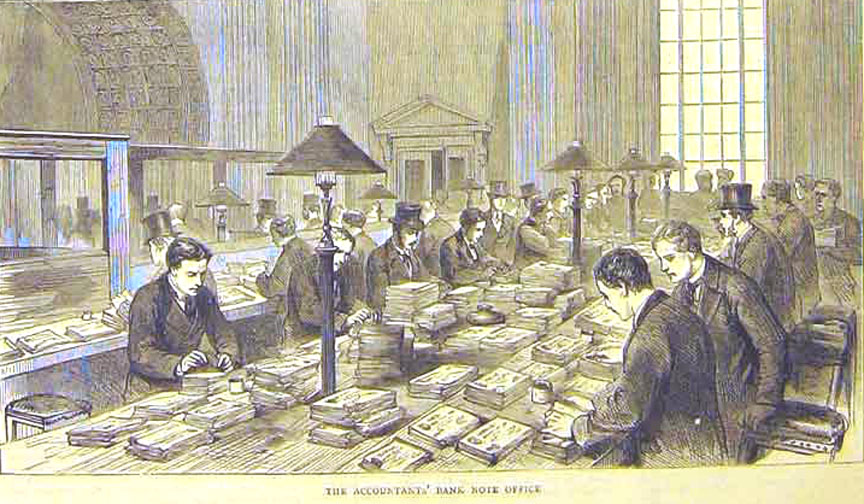
Strength in numbers: The crisis in accounting.
https://t.co/DjfAfHWpNN
4/
#15yrsago Bad Samaritan family won’t return found expensive camera https://t.co/Rn9E5R1gtV
#10yrsago What does Libyan revolution mean for https://t.co/Jz28qHVhrV? https://t.co/dN1e4MxU4r
5/
Inside: Planet Money on HP's myriad ripoffs; Strength in numbers; and more!
Archived at: https://t.co/esjoT3u5Gr
#Pluralistic
1/
On Feb 22, I'm delivering a keynote address for the NISO Plus conference, "The day of the comet: what trustbusting means for digital manipulation."
https://t.co/Z84xicXhGg
2/
Planet Money on HP's myriad ripoffs: Ink-stained wretches of the world, unite!
https://t.co/k5ASdVUrC2
3/
Back in November, I published an article for @EFF about @HP's latest printer-ink ripoff: after offering its customers a free-ink-for-life plan, it unilaterally switched them all to a $1/month-for-life plan.https://t.co/bsc73xPSuo
— Cory Doctorow #BLM (@doctorow) February 18, 2021
1/ pic.twitter.com/tagduPupA5
Strength in numbers: The crisis in accounting.
https://t.co/DjfAfHWpNN
4/
Accountancy is more likely to be mocked than celebrated (or condemned), but accountants, far more than poets, are the unacknowledged legislators of the world.
— Cory Doctorow #BLM (@doctorow) February 18, 2021
1/ pic.twitter.com/FaNQc66gQN
#15yrsago Bad Samaritan family won’t return found expensive camera https://t.co/Rn9E5R1gtV
#10yrsago What does Libyan revolution mean for https://t.co/Jz28qHVhrV? https://t.co/dN1e4MxU4r
5/
You May Also Like

So the cryptocurrency industry has basically two products, one which is relatively benign and doesn't have product market fit, and one which is malignant and does. The industry has a weird superposition of understanding this fact and (strategically?) not understanding it.
The benign product is sovereign programmable money, which is historically a niche interest of folks with a relatively clustered set of beliefs about the state, the literary merit of Snow Crash, and the utility of gold to the modern economy.
This product has narrow appeal and, accordingly, is worth about as much as everything else on a 486 sitting in someone's basement is worth.
The other product is investment scams, which have approximately the best product market fit of anything produced by humans. In no age, in no country, in no city, at no level of sophistication do people consistently say "Actually I would prefer not to get money for nothing."
This product needs the exchanges like they need oxygen, because the value of it is directly tied to having payment rails to move real currency into the ecosystem and some jurisdictional and regulatory legerdemain to stay one step ahead of the banhammer.
If everyone was holding bitcoin on the old x86 in their parents basement, we would be finding a price bottom. The problem is the risk is all pooled at a few brokerages and a network of rotten exchanges with counter party risk that makes AIG circa 2008 look like a good credit.
— Greg Wester (@gwestr) November 25, 2018
The benign product is sovereign programmable money, which is historically a niche interest of folks with a relatively clustered set of beliefs about the state, the literary merit of Snow Crash, and the utility of gold to the modern economy.
This product has narrow appeal and, accordingly, is worth about as much as everything else on a 486 sitting in someone's basement is worth.
The other product is investment scams, which have approximately the best product market fit of anything produced by humans. In no age, in no country, in no city, at no level of sophistication do people consistently say "Actually I would prefer not to get money for nothing."
This product needs the exchanges like they need oxygen, because the value of it is directly tied to having payment rails to move real currency into the ecosystem and some jurisdictional and regulatory legerdemain to stay one step ahead of the banhammer.