For starters, Fox News - and Fox Business News, One America Network, and NewsMax TV — are cable stations and do not broadcast over public airwaves.
https://t.co/hVGla6P5TP
The Federal Communications Commission has little authority over cable channels. The FCC might have a little more authority over Fox News Sunday and other news programs that carried by the Fox Broadcasting Company.
https://t.co/hVGla6P5TP
The FCC commissioners decided to revoke the Fairness Doctrine in 1987, a unanimous 4–0 decision involving two Republican commissioners and two Democratic commissioners.
https://t.co/hVGla6P5TP
The FCC counsel concluded that the rule had become counterproductive, as broadcasters “had shied away from covering controversial issues in news, documentaries and editorial advertisements.”
https://t.co/hVGla6P5TP
After the decision, Floyd Abrams, a lawyer who specializes in First Amendment cases, told the New York Times, “This is the beginning of the end of Governmental control over the content of what appears on television.”
https://t.co/hVGla6P5TP
In short, Boot wants to _reinstate_ government control over the content of what appears on television.
https://t.co/hVGla6P5TP
Again, the FD applied to broadcast networks because they used the public spectrum to get their signal from their station or broadcast tower to your antennae. Cable and satellite-television providers didn’t use public airwaves, so the FCC had less authority to regulate them.
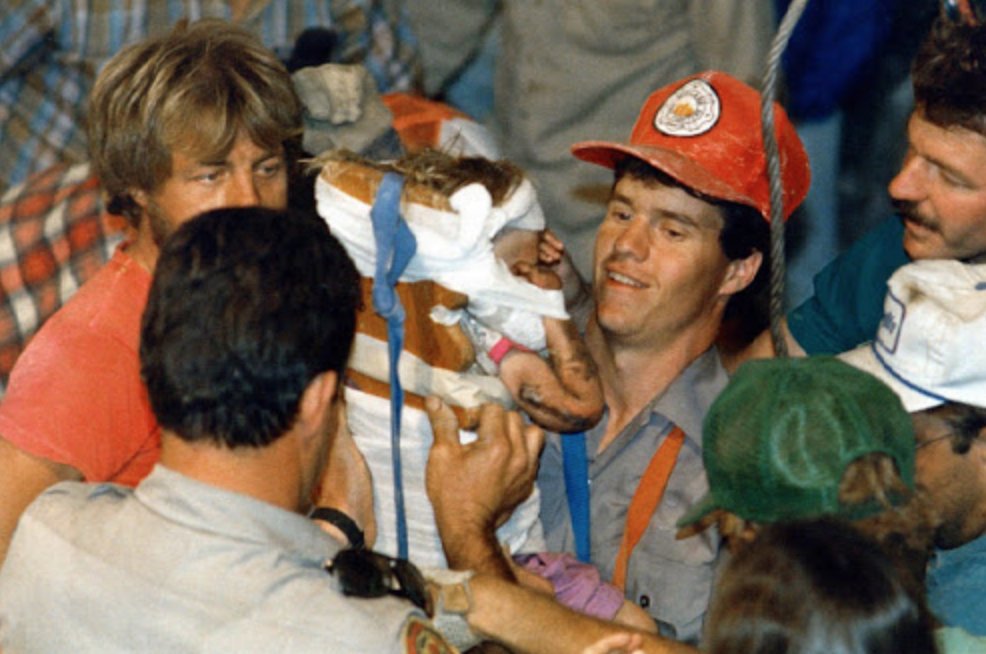
Cable news existed at the time — CNN was founded in 1980 — but no one paid much attention to that network until Baby Jessica fell down the well.
https://t.co/hVGla6P5TP
In the agency’s own words, “the FCC’s authority to respond to these complaints [of bias, inaccuracy, or poor coverage] is narrow in scope & the agency is prohibited by law from engaging in censorship or infringing on First Amendment rights of the press.”
https://t.co/hVGla6P5TP
"Expressions of views that do not involve a 'clear and present danger of serious, substantive evil' come under the protection of the Constitution, which guarantees freedom of speech and freedom of the press and prevents suppression of these expressions by the FCC."
That phrase “clear and present danger of serious, substantive evil” comes from the Supreme Court case Terminiello v. City of Chicago…
https://t.co/hVGla6P5TP
… which held that a city ordinance banning speech that “stirs the public to anger, invites dispute, brings about a condition of unrest, or creates a disturbance” was unconstitutional under the First and 14th Amendments.
https://t.co/hVGla6P5TP
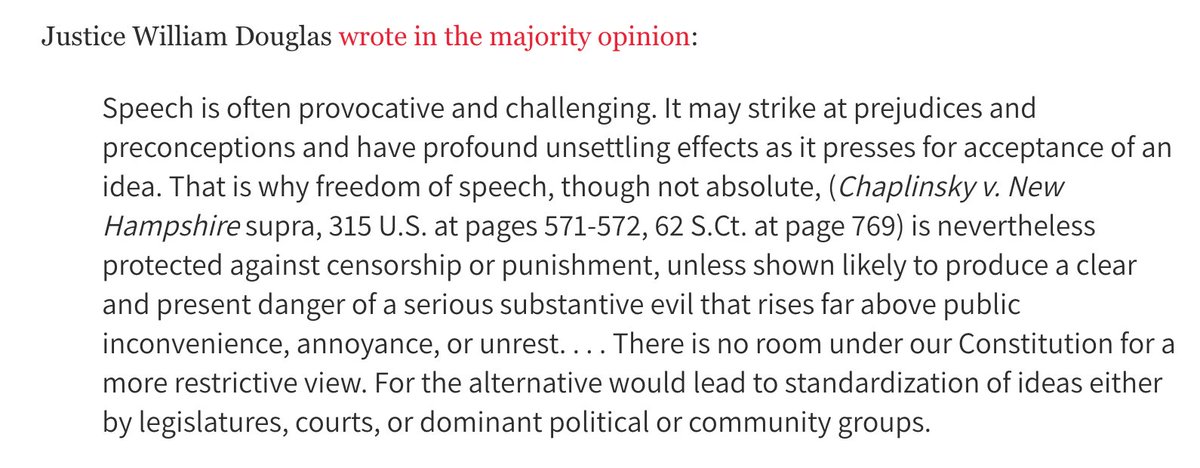
Take a moment to read Justice William Douglas, writing for the majority:
https://t.co/hVGla6P5TP
Then again, “standardization of ideas by legislatures, courts, or dominant political or community groups” might be precisely what some people aim to achieve.
https://t.co/hVGla6P5TP
Biden can “reinvigorate” the FCC all he or Boot likes, but the federal agency is not going to have the authority to start telling cable channels what they can and can’t say…
https://t.co/hVGla6P5TP
…unless - deviating from the Morning Jolt text here - they want 5 to 9 Supreme Court justices kicking their keister up and down the bench in the near future, for egregiously violating the First Amendment.
https://t.co/hVGla6P5TP