under article 3, not 2...so the SCOTUS will be forced to listen.....
He now has the DNI report.
Barr stepped down and can now be a witness.....he did his job.
Durham is special counsel and can prosecute, in any state....
More from For later read


The #worldwildlifeday2021 theme is Forests and Livelihoods: Sustaining People and Planet aligning with UN Sustainable Development Goals 1, 12, 13 and 15. So, what are the UN Sustainable Development Goals (SDGs) & how can children begin to learn about them & get involved ?
https://t.co/8ICvHxE9QL is easy & fun to follow for our smallest of people #EYFS. Early childhood is the perfect stage to introduce the core concepts of what it means to be a global citizen. For our reception & KS1 children please take a look at this fabulous free resource
https://t.co/tZx8UIS58Q Storytelling is a powerful communications tool and helps children remember lessons and virtues that they will use in everyday life. The idea is to simplify the lessons of the (SDGs) so young children can relate to – and better understand – the SDGs.
For older children here’s a board game that aims to help teach children around the world about the Sustainable Development Goals in a simple and child-friendly way
This is a lovely free book for children to enjoy flicking through themselves https://t.co/ScMbQCfpjl Elyx, the United Nations’ digital ambassador, uses various expressions and actions to help demonstrate the meaning of each Sustainable Development Goal.
https://t.co/8ICvHxE9QL is easy & fun to follow for our smallest of people #EYFS. Early childhood is the perfect stage to introduce the core concepts of what it means to be a global citizen. For our reception & KS1 children please take a look at this fabulous free resource
https://t.co/tZx8UIS58Q Storytelling is a powerful communications tool and helps children remember lessons and virtues that they will use in everyday life. The idea is to simplify the lessons of the (SDGs) so young children can relate to – and better understand – the SDGs.
For older children here’s a board game that aims to help teach children around the world about the Sustainable Development Goals in a simple and child-friendly way
This is a lovely free book for children to enjoy flicking through themselves https://t.co/ScMbQCfpjl Elyx, the United Nations’ digital ambassador, uses various expressions and actions to help demonstrate the meaning of each Sustainable Development Goal.




You May Also Like




THREAD: 12 Things Everyone Should Know About IQ
1. IQ is one of the most heritable psychological traits – that is, individual differences in IQ are strongly associated with individual differences in genes (at least in fairly typical modern environments). https://t.co/3XxzW9bxLE
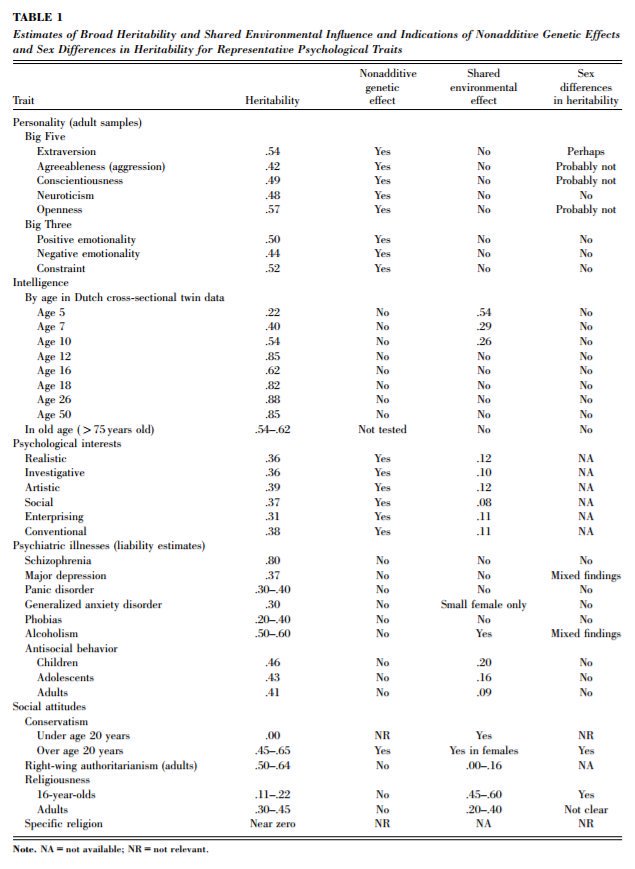
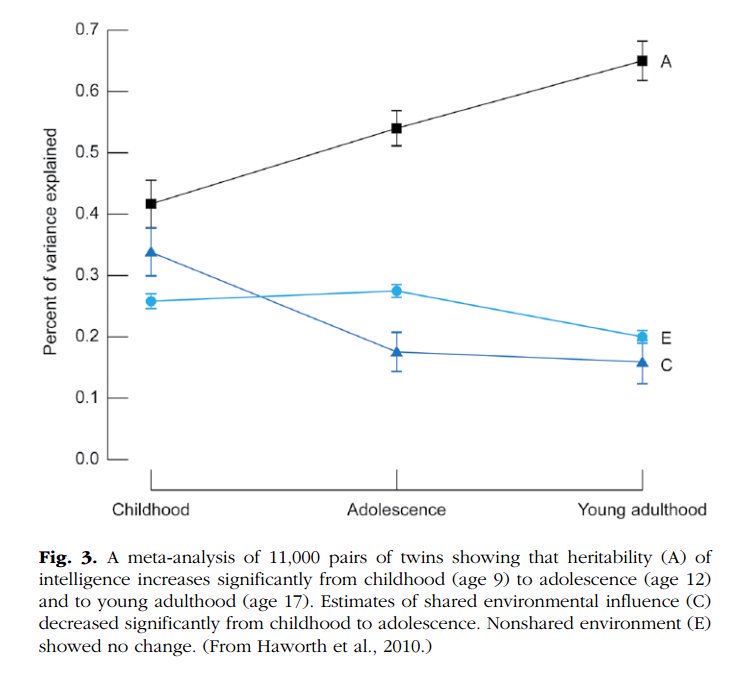
2. The heritability of IQ *increases* from childhood to adulthood. Meanwhile, the effect of the shared environment largely fades away. In other words, when it comes to IQ, nature becomes more important as we get older, nurture less. https://t.co/UqtS1lpw3n
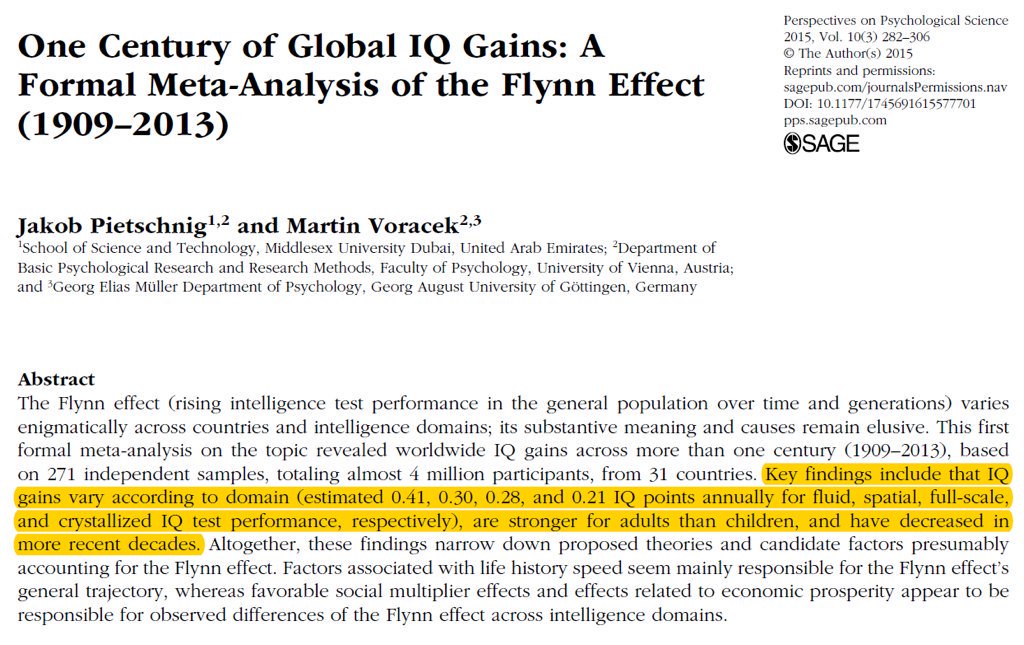
3. IQ scores have been increasing for the last century or so, a phenomenon known as the Flynn effect. https://t.co/sCZvCst3hw (N ≈ 4 million)
(Note that the Flynn effect shows that IQ isn't 100% genetic; it doesn't show that it's 100% environmental.)
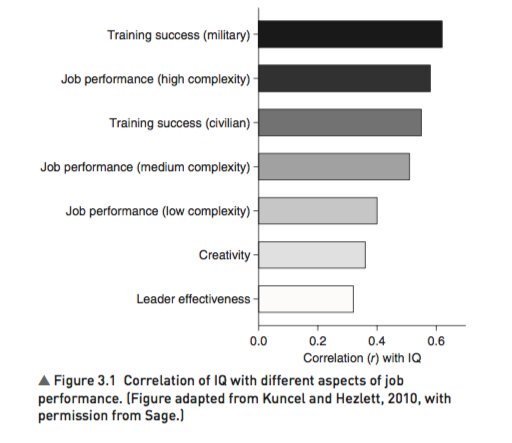
4. IQ predicts many important real world outcomes.
For example, though far from perfect, IQ is the single-best predictor of job performance we have – much better than Emotional Intelligence, the Big Five, Grit, etc. https://t.co/rKUgKDAAVx https://t.co/DWbVI8QSU3
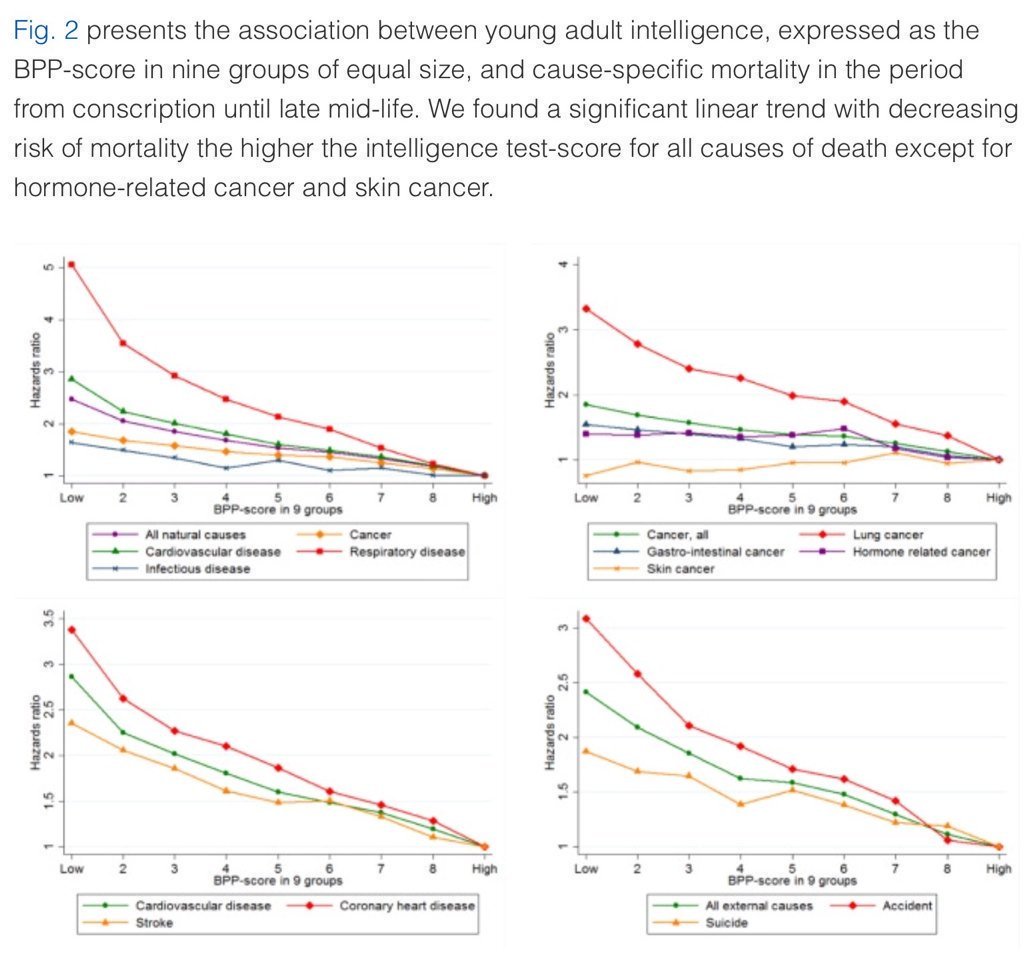
5. Higher IQ is associated with a lower risk of death from most causes, including cardiovascular disease, respiratory disease, most forms of cancer, homicide, suicide, and accident. https://t.co/PJjGNyeQRA (N = 728,160)
1. IQ is one of the most heritable psychological traits – that is, individual differences in IQ are strongly associated with individual differences in genes (at least in fairly typical modern environments). https://t.co/3XxzW9bxLE
2. The heritability of IQ *increases* from childhood to adulthood. Meanwhile, the effect of the shared environment largely fades away. In other words, when it comes to IQ, nature becomes more important as we get older, nurture less. https://t.co/UqtS1lpw3n
3. IQ scores have been increasing for the last century or so, a phenomenon known as the Flynn effect. https://t.co/sCZvCst3hw (N ≈ 4 million)
(Note that the Flynn effect shows that IQ isn't 100% genetic; it doesn't show that it's 100% environmental.)
4. IQ predicts many important real world outcomes.
For example, though far from perfect, IQ is the single-best predictor of job performance we have – much better than Emotional Intelligence, the Big Five, Grit, etc. https://t.co/rKUgKDAAVx https://t.co/DWbVI8QSU3
5. Higher IQ is associated with a lower risk of death from most causes, including cardiovascular disease, respiratory disease, most forms of cancer, homicide, suicide, and accident. https://t.co/PJjGNyeQRA (N = 728,160)