I had assumed that the #DisruptTexts movement was organic. But I recently discovered https://t.co/55JVkOeyO7, and I think that, in addition to publishers springing into action to meet market demand, they may possibly be playing a role in fostering abandonment of classics. 1/
For example, disrupt Shakespeare https://t.co/oLB38lXmRH
given "violence, misogyny, racism" in the texts. 4/
https://t.co/7e020R5jaN
given Atticus Finch's alleged limitations and failings.
To be clear, few real persons have half the moral strength (& parenting skills) of the fictional Atticus Finch (Nelson Mandela or Sophie Scholl re the former?). 5/
https://t.co/LTSoRmjFK9
because doing so would stand in opposition to "mass hysteria & paranoia."
The irony is astonishing.
If you don't think young people can be taught, or learn from, The Crucible, you really have drunk the Kool Aid. 6/
I know it can be hard to find books that engage the hearts and minds of young people.
But I do have a problem with the *reasons* offered for why classic texts are not valuable. 9/

More from For later read


I shared this on my FB page and asked, can ya really blame him?
I was half kidding. I also assumed someone would think of what I did pretty quickly and waiting for the comment to mention what I assumed was obvious.
The timing. I was sure someone else had thought of it.
But no one did. 20+ comments in people discussed the morality or bad sense or libertarian perspectives. Someone even said I’m thinking about doing that. No one said what I thought was obvious. Have you thought of it? Is it obvious to you?
Here’s a clue...recognize it?

How about this?
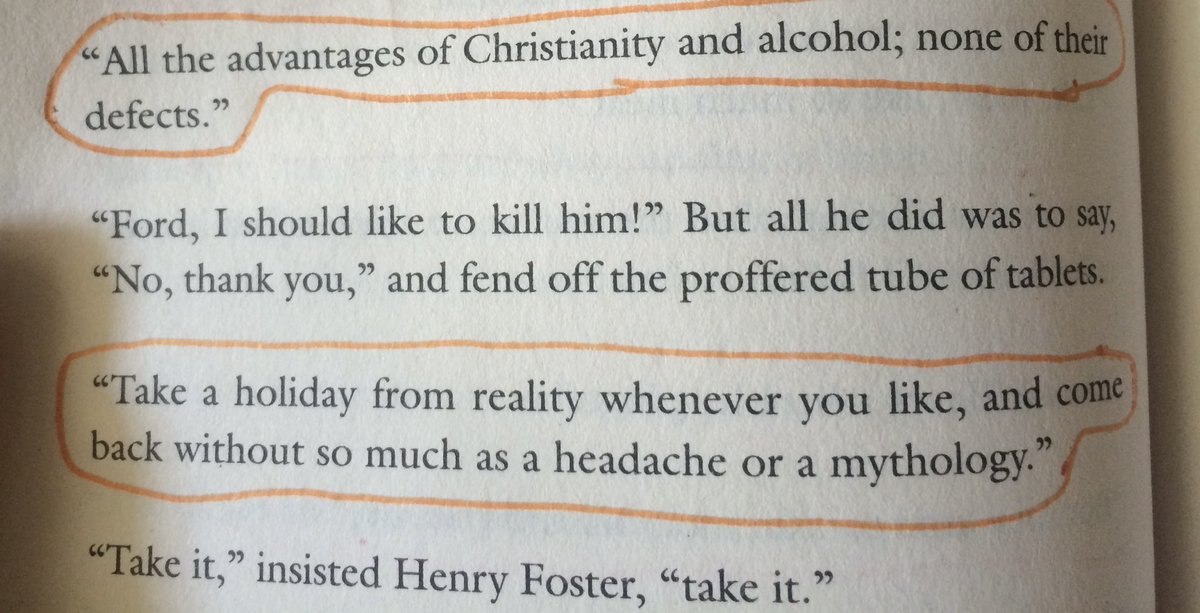
The author discusses it with Mike Wallace in 1958
I was half kidding. I also assumed someone would think of what I did pretty quickly and waiting for the comment to mention what I assumed was obvious.
The timing. I was sure someone else had thought of it.
Columbia professor: I do heroin regularly for 'work-life balance' https://t.co/6aq9cnGfPG pic.twitter.com/3OmmaHKORx
— New York Post (@nypost) February 19, 2021
But no one did. 20+ comments in people discussed the morality or bad sense or libertarian perspectives. Someone even said I’m thinking about doing that. No one said what I thought was obvious. Have you thought of it? Is it obvious to you?
Here’s a clue...recognize it?
How about this?
The author discusses it with Mike Wallace in 1958

You May Also Like

THE MEANING, SIGNIFICANCE AND HISTORY OF SWASTIK
The Swastik is a geometrical figure and an ancient religious icon. Swastik has been Sanatan Dharma’s symbol of auspiciousness – mangalya since time immemorial.

The name swastika comes from Sanskrit (Devanagari: स्वस्तिक, pronounced: swastik) &denotes “conducive to wellbeing or auspicious”.
The word Swastik has a definite etymological origin in Sanskrit. It is derived from the roots su – meaning “well or auspicious” & as meaning “being”.
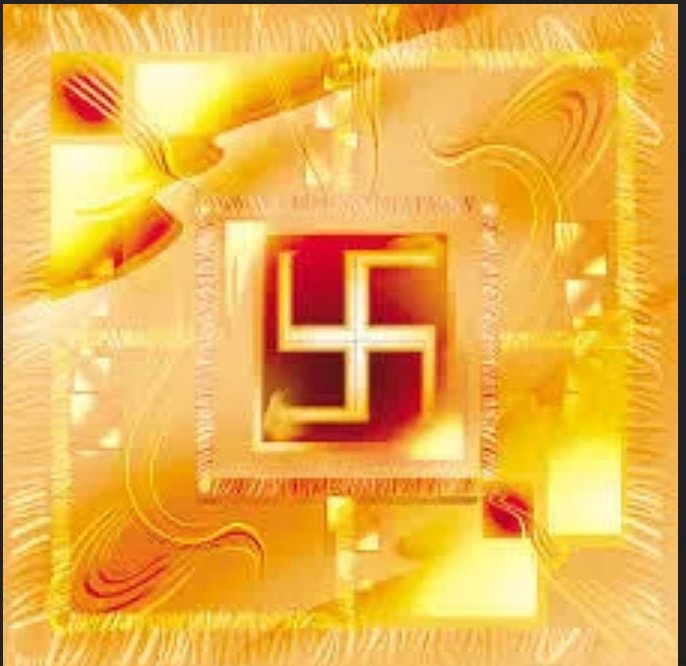
"सु अस्ति येन तत स्वस्तिकं"
Swastik is de symbol through which everything auspicios occurs
Scholars believe word’s origin in Vedas,known as Swasti mantra;
"🕉स्वस्ति ना इन्द्रो वृधश्रवाहा
स्वस्ति ना पूषा विश्ववेदाहा
स्वस्तिनास्तरक्ष्यो अरिश्तनेमिही
स्वस्तिनो बृहस्पतिर्दधातु"

It translates to," O famed Indra, redeem us. O Pusha, the beholder of all knowledge, redeem us. Redeem us O Garudji, of limitless speed and O Bruhaspati, redeem us".
SWASTIK’s COSMIC ORIGIN
The Swastika represents the living creation in the whole Cosmos.

Hindu astronomers divide the ecliptic circle of cosmos in 27 divisions called https://t.co/sLeuV1R2eQ this manner a cross forms in 4 directions in the celestial sky. At centre of this cross is Dhruva(Polestar). In a line from Dhruva, the stars known as Saptarishi can be observed.

The Swastik is a geometrical figure and an ancient religious icon. Swastik has been Sanatan Dharma’s symbol of auspiciousness – mangalya since time immemorial.
The name swastika comes from Sanskrit (Devanagari: स्वस्तिक, pronounced: swastik) &denotes “conducive to wellbeing or auspicious”.
The word Swastik has a definite etymological origin in Sanskrit. It is derived from the roots su – meaning “well or auspicious” & as meaning “being”.
"सु अस्ति येन तत स्वस्तिकं"
Swastik is de symbol through which everything auspicios occurs
Scholars believe word’s origin in Vedas,known as Swasti mantra;
"🕉स्वस्ति ना इन्द्रो वृधश्रवाहा
स्वस्ति ना पूषा विश्ववेदाहा
स्वस्तिनास्तरक्ष्यो अरिश्तनेमिही
स्वस्तिनो बृहस्पतिर्दधातु"
It translates to," O famed Indra, redeem us. O Pusha, the beholder of all knowledge, redeem us. Redeem us O Garudji, of limitless speed and O Bruhaspati, redeem us".
SWASTIK’s COSMIC ORIGIN
The Swastika represents the living creation in the whole Cosmos.
Hindu astronomers divide the ecliptic circle of cosmos in 27 divisions called https://t.co/sLeuV1R2eQ this manner a cross forms in 4 directions in the celestial sky. At centre of this cross is Dhruva(Polestar). In a line from Dhruva, the stars known as Saptarishi can be observed.