
I thought I would make a new end of year CHOOSE YOUR OWN RADIATION ADVENTURE, except I realized I kept running face first into "All Of The Above".
So instead, I want to discuss archetypical accidents to try to encourage you to not be the cause/victim in one.
This time of year, you may be the only person in the building.
If things we're going well, this work would be done already and you'd be one of the people on vacation, right?
Maybe the most recent results weren't great and you've gotta redo it all again because, fuck, that submission deadline for paper/conference/whatever is coming up. It's crunch time.
I am having minor twinges even typing this.
You need to finish this. Looks like it's gonna be another 12-18 hour work day. You are a caffeine based lifeform who might have eaten yesterday.
YOU MUST BE FASTER & DO MORE!!!
...and likely skip PPE entirely.
Because you're alone with no one to yell at you. Because you're speeding and can't spare the precious seconds to put on those gogs or gloves.
Their elders take advantage of that to work those apprentices HARD.
But 25 years ago good chance I would, with some blame going to archetype five: Male
Stupid, suicidal machismo.
So, just long enough to start achieving competence so that you think you know what corners you can cut. But a long way from mastery.
More from For later read




@snip96581187 @Daoyu15 @lab_leak @walkaboutrick @ydeigin @Ayjchan @franciscodeasis @TheSeeker268 @angie_rasmussen Clearly, because as I have been saying for 8 months now, DTRA and DARPA have been using Ecohealth and UC Davis to collect novel pathogens for gain of function work back in the USA. I have documented this in many threads which I will post here just to annoy everyone.
@Daoyu15 @lab_leak @walkaboutrick @ydeigin @Ayjchan @franciscodeasis @TheSeeker268 @angie_rasmussen
@Daoyu15 @lab_leak @walkaboutrick @ydeigin @Ayjchan @franciscodeasis @TheSeeker268 @angie_rasmussen
@Daoyu15 @lab_leak @walkaboutrick @ydeigin @Ayjchan @franciscodeasis @TheSeeker268 @angie_rasmussen
@Daoyu15 @lab_leak @walkaboutrick @ydeigin @Ayjchan @franciscodeasis @TheSeeker268 @angie_rasmussen
@Daoyu15 @lab_leak @walkaboutrick @ydeigin @Ayjchan @franciscodeasis @TheSeeker268 @angie_rasmussen
28. Before moving on to DARPA, let's look at DTRA:
— Billy Bostickson \U0001f3f4\U0001f441&\U0001f441 \U0001f193 (@BillyBostickson) July 31, 2020
A must read!
It is astonishing the number of pies they had their dirty little fingers poking into:
Note John Epstein and Kevin Olival from EcoHealth Alliance are key figures in DTRA:https://t.co/O4QwVWrm7m pic.twitter.com/cnNGZ7AApj
@Daoyu15 @lab_leak @walkaboutrick @ydeigin @Ayjchan @franciscodeasis @TheSeeker268 @angie_rasmussen
24. DTRA Network for Collection of Viruses
— Billy Bostickson \U0001f3f4\U0001f441&\U0001f441 \U0001f193 (@BillyBostickson) January 9, 2021
7. DTRA - Metabiota - One Health - Ecohealth
Bat Research Networks and Viral Surveillance: Gaps and Opportunities in Western Asia pic.twitter.com/SOqSSXF3pa
@Daoyu15 @lab_leak @walkaboutrick @ydeigin @Ayjchan @franciscodeasis @TheSeeker268 @angie_rasmussen
That is the key question
— Billy Bostickson \U0001f3f4\U0001f441&\U0001f441 \U0001f193 (@BillyBostickson) January 5, 2021
1. DARPA/DTRA use NGOs like Ecohealth or Metabiota to collect new pathogens
2. They are sent to US labs (Mailman, Rocky Mountain, Atlanta CDC, UNC, USAMRIID) for GOF work by Lipkin, Nichols, Rasmussen, Baric, Dension, Munster, etchttps://t.co/wqhHK7uZO6
@Daoyu15 @lab_leak @walkaboutrick @ydeigin @Ayjchan @franciscodeasis @TheSeeker268 @angie_rasmussen
1. I wonder why Dr. Angela Rasmussen is so so upset & full of almost palpable venom about a Hypothesis and a "What if" question by @nicholsonbaker8 in the @NYMag https://t.co/a6lxtJLpKR
— Billy Bostickson \U0001f3f4\U0001f441&\U0001f441 \U0001f193 (@BillyBostickson) January 5, 2021
Did I hear someone say "DARPA"?
Did I hear someone say "DTRA"?https://t.co/i27mpxJDw2 pic.twitter.com/x4X3QPnTMS

You May Also Like




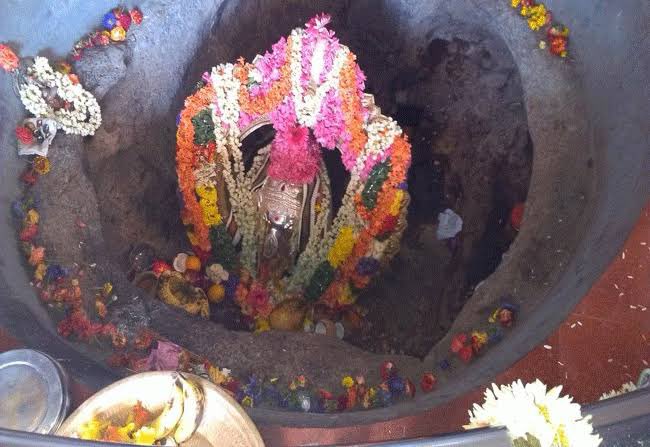








Speech Delay is most common in children nowadays
In ancient times, our grandparents used to follow typical natural way of caring the needs of a child. All they used were more of natural products than chemical based for the growth of child.

One of major step followed was to feed Gurbach Jadd/ Vasa Kommu/ Acorus Calamus for initiating good speech ability in a child. This stem was needed to babies on Tuesdays and Sundays in mother's milk.
Vasa is feed to baby after the 1st bath on 12th day in week. Weekly only thrice it is fed and named as :
Budhwar - Budhi Vasa
Mangalwar - Vaak Vasa
Ravi Vaar - Aayush Vasa
This stem is burnt and rubbed against the grinding stone in mother's milk or warm water to get a paste
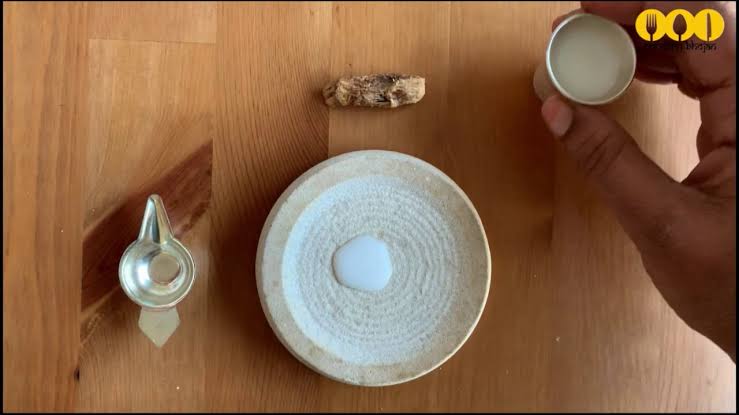
The procedure to make it is in the link
https://t.co/uo4sGp7mUm
It should not be given daily to the child. Other main benefits are
1. It clears the phlegm in child's throat caused due to continuous milk intake. It clears the tracts and breathing is effortless.
2. Digestion
For children who haven't got their speech and is delayed than usual should feed this vasa on these days in week atleast for 6months. Don't get carried away with this dialogue
"Some gain speech little late"
In ancient times, our grandparents used to follow typical natural way of caring the needs of a child. All they used were more of natural products than chemical based for the growth of child.
One of major step followed was to feed Gurbach Jadd/ Vasa Kommu/ Acorus Calamus for initiating good speech ability in a child. This stem was needed to babies on Tuesdays and Sundays in mother's milk.
Vasa is feed to baby after the 1st bath on 12th day in week. Weekly only thrice it is fed and named as :
Budhwar - Budhi Vasa
Mangalwar - Vaak Vasa
Ravi Vaar - Aayush Vasa
This stem is burnt and rubbed against the grinding stone in mother's milk or warm water to get a paste
The procedure to make it is in the link
https://t.co/uo4sGp7mUm
It should not be given daily to the child. Other main benefits are
1. It clears the phlegm in child's throat caused due to continuous milk intake. It clears the tracts and breathing is effortless.
2. Digestion
For children who haven't got their speech and is delayed than usual should feed this vasa on these days in week atleast for 6months. Don't get carried away with this dialogue
"Some gain speech little late"

