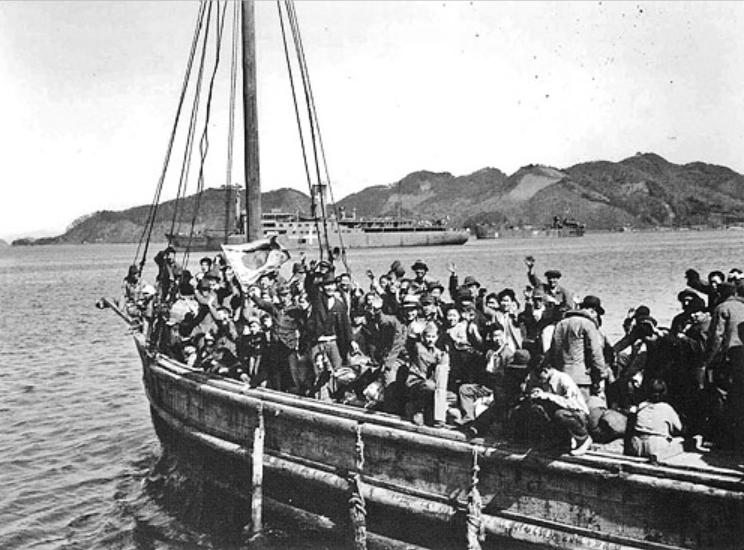
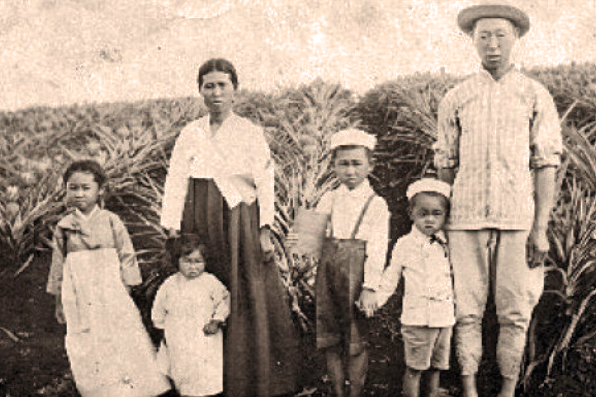
Without getting into the ins and outs of the ‘Is Christmas pagan?’ debate, it’s worth dealing with some faulty assumptions people often make about the ‘Christianisation’ of pre-Christian traditions (buckle up for the thread…)

More from For later read





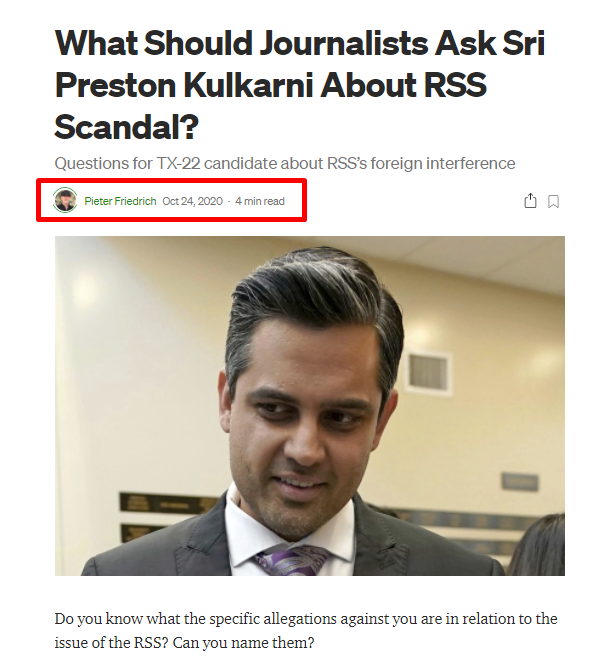
A name has caught the radar of agencies investigating #GretaToolkit- FRIEDRICH PIETER. Delhi Police expressed shock over the appearance of Pieter's name as "Who to Follow" in g-doc as he is under cops' scanner since 2006 for his Anti-India activities. Some shocking details..
1/9
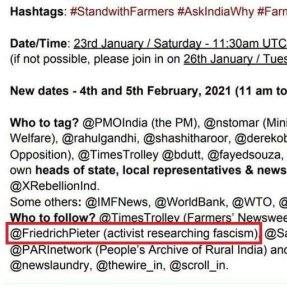
Pieter is close associate (read hired by) Bhajan Singh Bhindar, founder of OFMI (Org for Minorities of India) that considers itself an anti-Gandhi 'crusader' & is Pro-Khalistan. They also campaigned to free Bhullar (convicted Khalistani terr0r!st) & lobby against Modi in US.
2/9
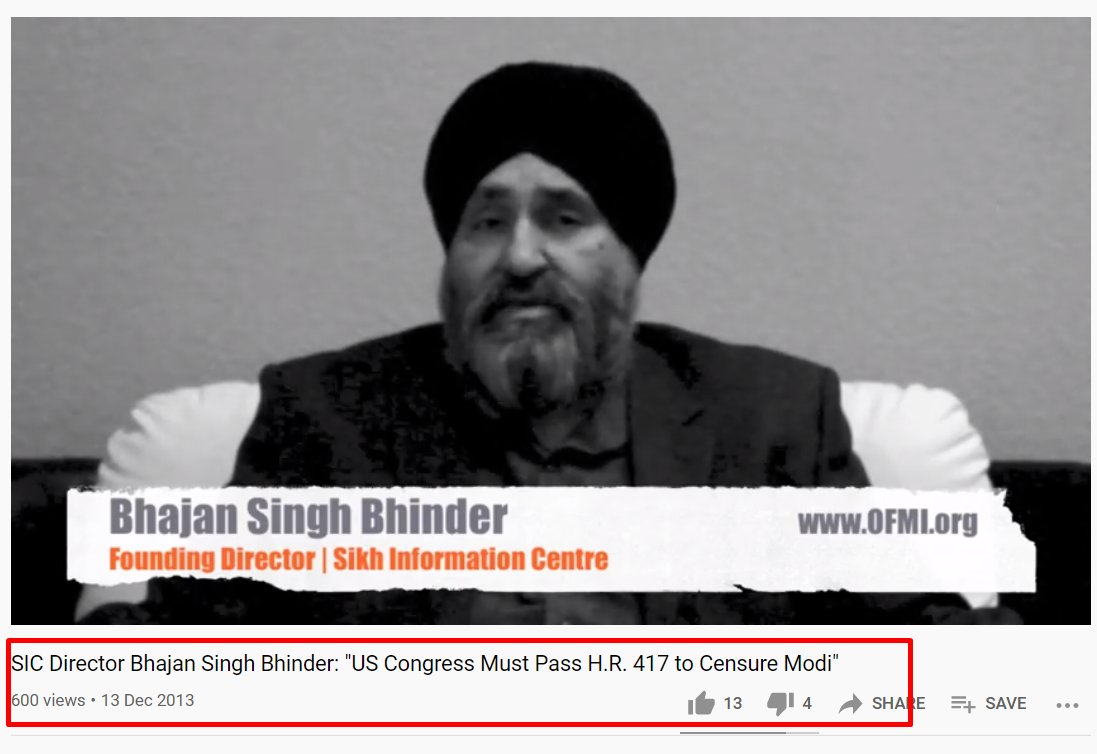
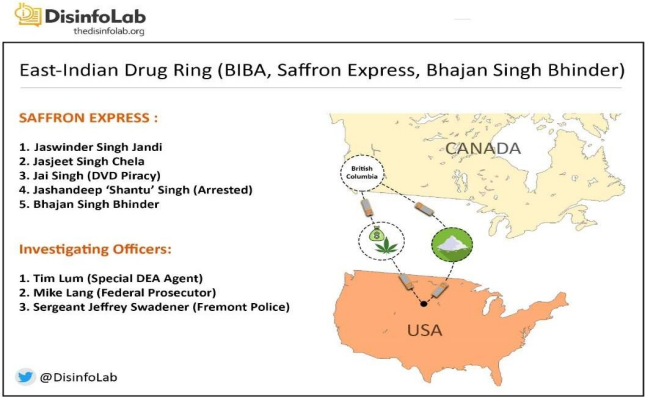
Bhinder has alleged connection with ISI & had records of owning inter-state drugs cartel & DVD piracy for terr0r funding. They also took control Fremont Gurudwara, US back in 2003 for millions of donation. Details of this 'Info-War' by @DisinfoLab
https://t.co/oIDFSoaDX2
3/9
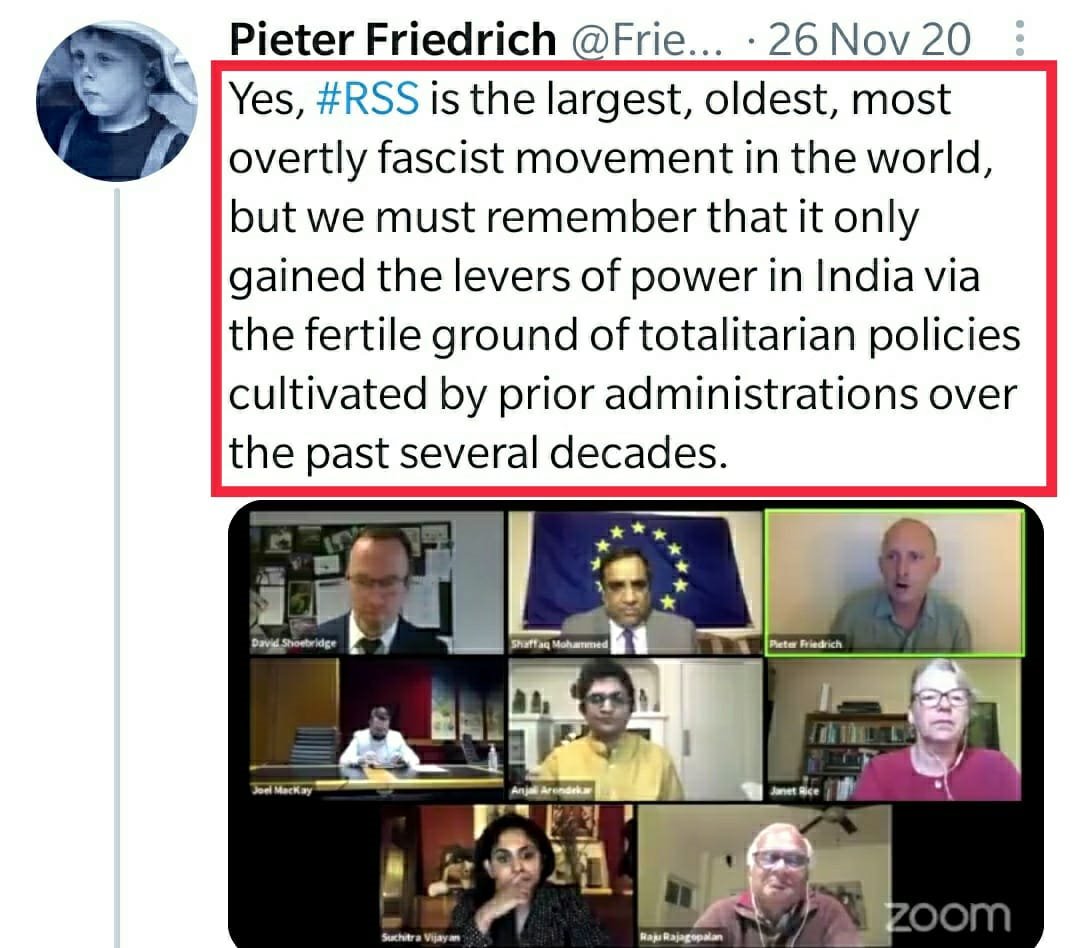
Back to Pieter. Take a glance at his work. His TL is filled with anti-BJP/RSS/Modi propaganda. From his speeches to articles, everything have few keywords in common- RSS/Fascism/gen0c!de/k!ll!ing/Kashmir/Hindutva, as if running a non-stop unrest in India is his bread & butter
4/9
He picks every topic with an extreme narrative that potentially hurts integrity of nation, be it Kashmir,CAA,1984 & with his recent projects- Farmer protest & campaigning heavily against Sri Kulkarni. Despite all, Kulkarni appointed as Chief of Ext Affairs at Biden admin.
5/9
1/9
Pieter is close associate (read hired by) Bhajan Singh Bhindar, founder of OFMI (Org for Minorities of India) that considers itself an anti-Gandhi 'crusader' & is Pro-Khalistan. They also campaigned to free Bhullar (convicted Khalistani terr0r!st) & lobby against Modi in US.
2/9
Bhinder has alleged connection with ISI & had records of owning inter-state drugs cartel & DVD piracy for terr0r funding. They also took control Fremont Gurudwara, US back in 2003 for millions of donation. Details of this 'Info-War' by @DisinfoLab
https://t.co/oIDFSoaDX2
3/9
Back to Pieter. Take a glance at his work. His TL is filled with anti-BJP/RSS/Modi propaganda. From his speeches to articles, everything have few keywords in common- RSS/Fascism/gen0c!de/k!ll!ing/Kashmir/Hindutva, as if running a non-stop unrest in India is his bread & butter
4/9
He picks every topic with an extreme narrative that potentially hurts integrity of nation, be it Kashmir,CAA,1984 & with his recent projects- Farmer protest & campaigning heavily against Sri Kulkarni. Despite all, Kulkarni appointed as Chief of Ext Affairs at Biden admin.
5/9


There is some valuable analysis in this report, but on the defense front this report is deeply flawed. There are other sections of value in report but, candidly, I don't think it helps us think through critical question of Taiwan defense issues in clear & well-grounded way. 1/
Normally as it might seem churlish to be so critical, but @cfr is so high-profile & the co-authors so distinguished I think it’s key to be clear. If not, people - including in Beijing - could get the wrong idea & this report could do real harm if influential on defense issues. 2/
BLUF: The defense discussion in this report does not engage at the depth needed to add to this critical debate. Accordingly conclusions in report are ill-founded - & in key parts harmful/misleading, esp that US shldnt be prepared defend Taiwan directly (alongside own efforts). 3/
The root of the problem is that report doesn't engage w the real debate on TWN defense issues or, frankly, the facts as knowable in public. Perhaps the most direct proof of this: The citations. There is nothing in the citations to @DeptofDefense China Military Power Report...4/
Nor to vast majority of leading informed sources on this like Ochmanek, the @RANDCorporation Scorecard, @CNAS, etc. This is esp salient b/c co-authors by their own admission have v little insight into contemporary military issues. & both last served in govt in Bush 43. 5/
This is an excellent report, and I'm glad to have joined the study group. The central focus on avoiding war is understandable--a US-China war would be catastrophic and should be avoided. But protecting Taiwan's security and prosperity requires doing more. 1/x https://t.co/P0Sg4LJcpV
— Bonnie Glaser / \u845b\u4f86\u5100 (@BonnieGlaser) February 12, 2021
Normally as it might seem churlish to be so critical, but @cfr is so high-profile & the co-authors so distinguished I think it’s key to be clear. If not, people - including in Beijing - could get the wrong idea & this report could do real harm if influential on defense issues. 2/
BLUF: The defense discussion in this report does not engage at the depth needed to add to this critical debate. Accordingly conclusions in report are ill-founded - & in key parts harmful/misleading, esp that US shldnt be prepared defend Taiwan directly (alongside own efforts). 3/
The root of the problem is that report doesn't engage w the real debate on TWN defense issues or, frankly, the facts as knowable in public. Perhaps the most direct proof of this: The citations. There is nothing in the citations to @DeptofDefense China Military Power Report...4/
Nor to vast majority of leading informed sources on this like Ochmanek, the @RANDCorporation Scorecard, @CNAS, etc. This is esp salient b/c co-authors by their own admission have v little insight into contemporary military issues. & both last served in govt in Bush 43. 5/
You May Also Like


A brief analysis and comparison of the CSS for Twitter's PWA vs Twitter's legacy desktop website. The difference is dramatic and I'll touch on some reasons why.
Legacy site *downloads* ~630 KB CSS per theme and writing direction.
6,769 rules
9,252 selectors
16.7k declarations
3,370 unique declarations
44 media queries
36 unique colors
50 unique background colors
46 unique font sizes
39 unique z-indices
https://t.co/qyl4Bt1i5x

PWA *incrementally generates* ~30 KB CSS that handles all themes and writing directions.
735 rules
740 selectors
757 declarations
730 unique declarations
0 media queries
11 unique colors
32 unique background colors
15 unique font sizes
7 unique z-indices
https://t.co/w7oNG5KUkJ

The legacy site's CSS is what happens when hundreds of people directly write CSS over many years. Specificity wars, redundancy, a house of cards that can't be fixed. The result is extremely inefficient and error-prone styling that punishes users and developers.
The PWA's CSS is generated on-demand by a JS framework that manages styles and outputs "atomic CSS". The framework can enforce strict constraints and perform optimisations, which is why the CSS is so much smaller and safer. Style conflicts and unbounded CSS growth are avoided.
Legacy site *downloads* ~630 KB CSS per theme and writing direction.
6,769 rules
9,252 selectors
16.7k declarations
3,370 unique declarations
44 media queries
36 unique colors
50 unique background colors
46 unique font sizes
39 unique z-indices
https://t.co/qyl4Bt1i5x
PWA *incrementally generates* ~30 KB CSS that handles all themes and writing directions.
735 rules
740 selectors
757 declarations
730 unique declarations
0 media queries
11 unique colors
32 unique background colors
15 unique font sizes
7 unique z-indices
https://t.co/w7oNG5KUkJ
The legacy site's CSS is what happens when hundreds of people directly write CSS over many years. Specificity wars, redundancy, a house of cards that can't be fixed. The result is extremely inefficient and error-prone styling that punishes users and developers.
The PWA's CSS is generated on-demand by a JS framework that manages styles and outputs "atomic CSS". The framework can enforce strict constraints and perform optimisations, which is why the CSS is so much smaller and safer. Style conflicts and unbounded CSS growth are avoided.