A thread:
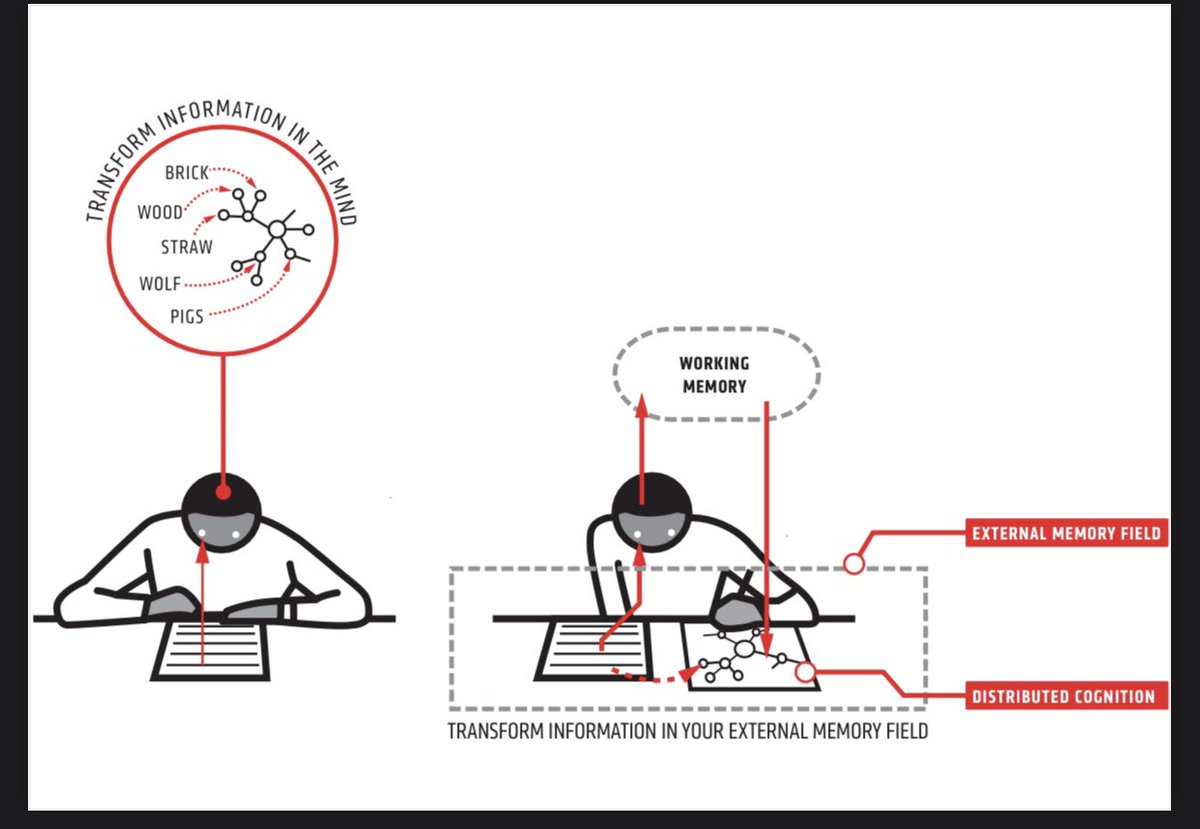
1 GOs don't require the use of images. From my reading, DCT is about the use of images paired with words, to aid retrieval. And as @olivcav has pointed out, Pavio worked with simple ideas and concepts.
More from For later read


The common understanding of propaganda is that it is intended to brainwash the masses. Supposedly, people get exposed to the same message repeatedly and over time come to believe in whatever nonsense authoritarians want them to believe /1
And yet authoritarians often broadcast silly, unpersuasive propaganda.
Political scientist Haifeng Huang writes that the purpose of propaganda is not to brainwash people, but to instill fear in them /2
When people are bombarded with propaganda everywhere they look, they are reminded of the strength of the regime.
The vast amount of resources authoritarians spend to display their message in every corner of the public square is a costly demonstration of their power /3
In fact, the overt silliness of authoritarian propaganda is part of the point. Propaganda is designed to be silly so that people can instantly recognize it when they see it
Propaganda is intended to instill fear in people, not brainwash them.
The message is: You might not believe in pro-regime values or attitudes. But we will make sure you are too frightened to do anything about it.
And yet authoritarians often broadcast silly, unpersuasive propaganda.
Political scientist Haifeng Huang writes that the purpose of propaganda is not to brainwash people, but to instill fear in them /2
"propaganda is often not used for indoctrination, but rather to signal the government\u2019s strength in being able to afford significant resources and impose on its citizens...not meant to 'brainwash', but rather to forewarn the society about how strong it is" https://t.co/mFAurhEHeO pic.twitter.com/WXKKJaPqWQ
— Rob Henderson (@robkhenderson) June 18, 2020
When people are bombarded with propaganda everywhere they look, they are reminded of the strength of the regime.
The vast amount of resources authoritarians spend to display their message in every corner of the public square is a costly demonstration of their power /3
In fact, the overt silliness of authoritarian propaganda is part of the point. Propaganda is designed to be silly so that people can instantly recognize it when they see it
Authoritarians do not use propaganda for brainwashing, "but to demonstrate their strength in social control...propaganda may need to be dull and unpersuasive, to make sure citizens know it is propaganda when they see it and hence get the implicit message" https://t.co/PqRpxjaIPL pic.twitter.com/1y67d2RCjB
— Rob Henderson (@robkhenderson) June 19, 2020
Propaganda is intended to instill fear in people, not brainwash them.
The message is: You might not believe in pro-regime values or attitudes. But we will make sure you are too frightened to do anything about it.