Elon Musk is a big believer in First Principles Thinking.

Not just Musk — Jeff Bezos, Peter Thiel and Feynman too.

Here's what it is, how to use it, and become better at it:

What it is:

Elon Musk (@elonmusk) on First Principles Thinking:

It means "boiling things down to the most fundamental truths and then reasoning up from there."
A first principle is a basic truth that cannot be broken down any further.

God — this reminds me of high school chemistry when we first learnt about Atoms.

But that's what they're like! The basic foundations.

Here are 2 techniques to use First Principles Thinking:
1. The Five Whys

This is simple. Keep asking why.

Already asked why? Ask again.

Continuously ask why things are the way they are.

It'll help you discover the root causes of problems (hence helping you solve them).

You know what — Children are great at this...
Children question everything.

They keep asking why (almost to the point that it gets annoying).

Their curiosity enables them to think from first principles.

As we get older, we lose this child-like curiosity to keep asking why.
Quick note:

You don't have to stop after 5 why's but it's usually enough to get to the fundamental truth.
2. Socratic Questioning

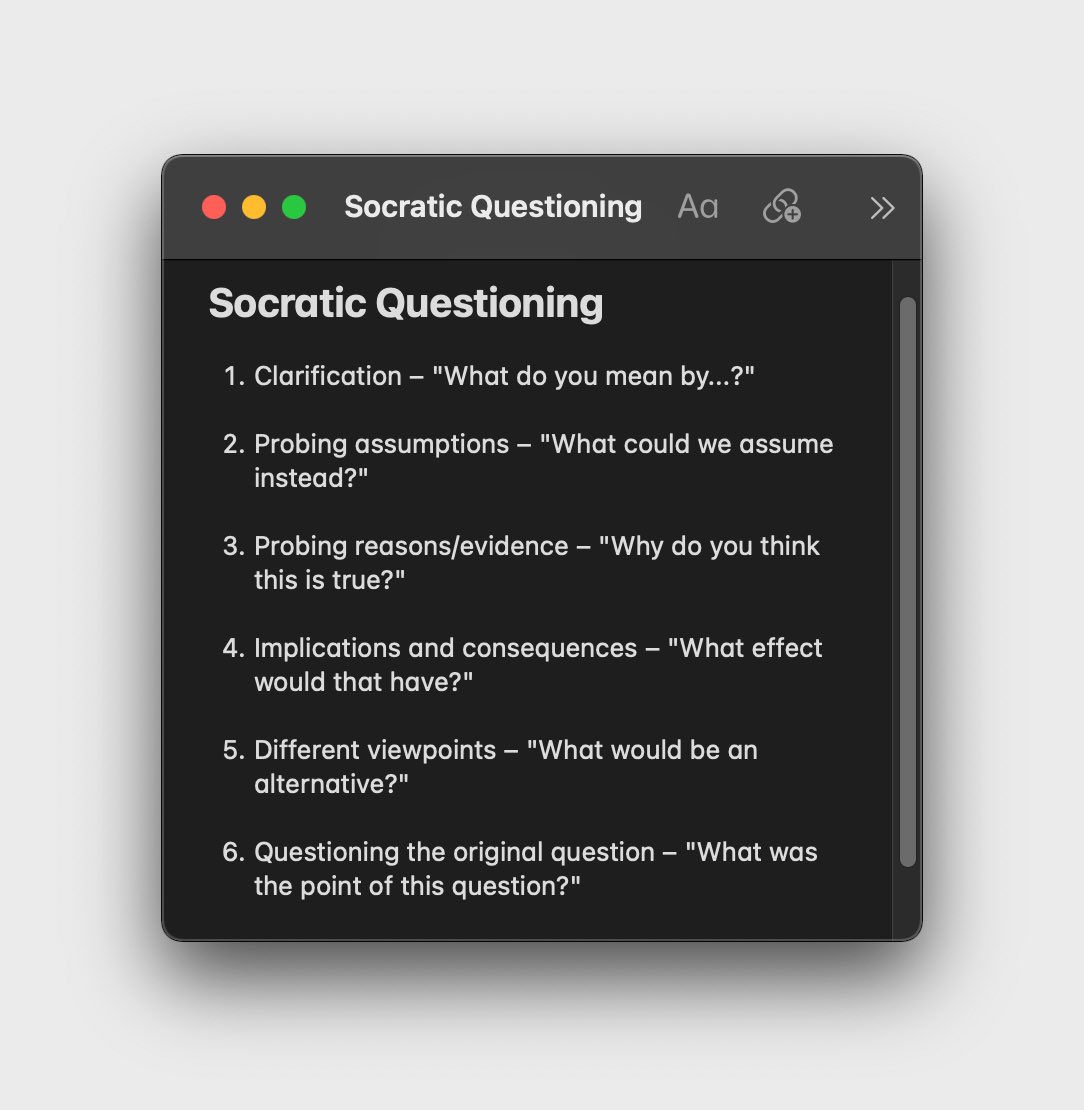
The second technique for First Principles Thinking is Socratic Questioning.

6 types of questions you can ask to dig deeper in search of the first principle (via https://t.co/HR9sOSzW5C):
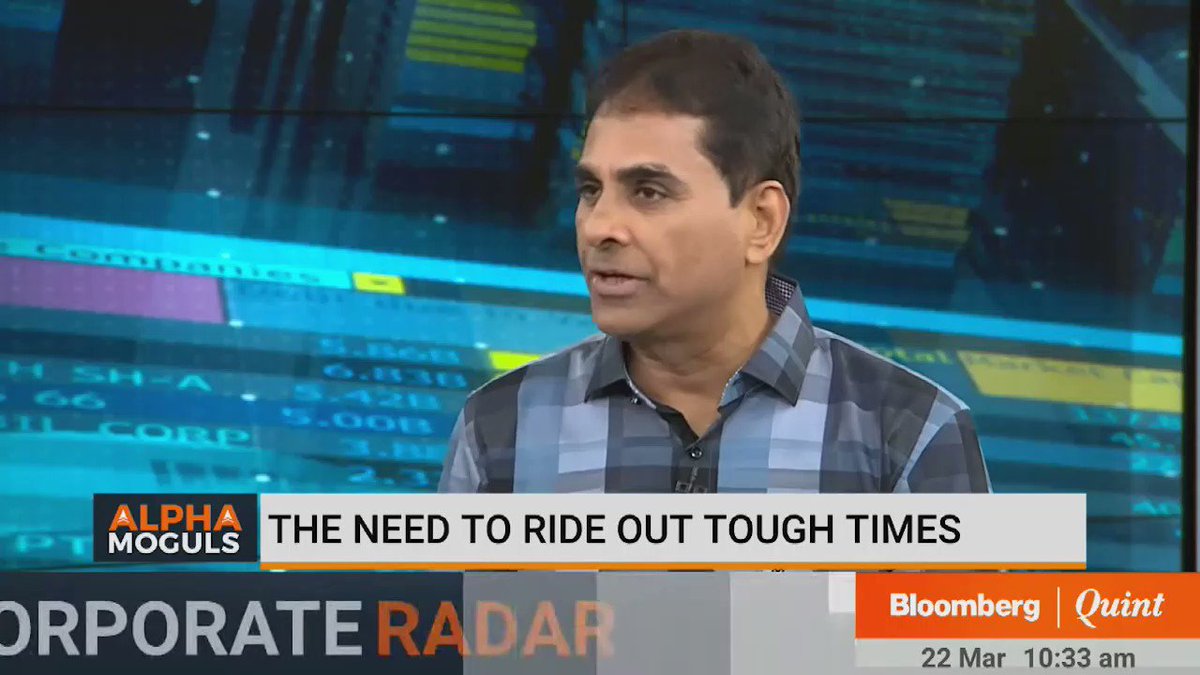
Lastly, here's the video of Elon talking about First Principles in 2013:
Jeff Bezos (@JeffBezos):

Resist proxies. Don’t mindlessly follow processes, or unquestioningly accept survey data. That is reasoning by analogy. Go out and discover fundamental truths — focus on outcomes, and real customer feedback.
Peter Thiel (@peterthiel):

True innovation comes from discovering an important, fundamental truth that few people agree with you on — a secret. First principles thinking helps you discover secrets to achieve vertical progress (0 to 1).
Richard Feynman:

Do your own homework. To truly use first principles, don’t rely on experts or previous work. Approach new problems with the mindset of a novice. Truly understand the fundamental data, assumptions and reasoning yourself. Be curious.
That's it on the First Principles Thinking mental model.

I love it because it's simply about being curious and inquisitive about things you're genuinely interested in.

Don't shy away from asking questions.
Anyway if you want to go down a reading rabbit hole this beautiful Sunday, see https://t.co/1qzKQGlZZB

Also — drop a follow for more!

More from Aadit Sheth

How to accelerate your career, save 60 hrs/week, and lead better.

🧵 My 10 favorite tweets of the week (that you may have missed):

How to save 60 hrs/week of work (by


Why kids should play more video games (by


A 4-step writing process (by


26 incredible internet finds (by
A Marketing degree costs $80k.

But, Twitter University teaches better for free.

🧵 Here are 10 threads from 10 world-class marketers:

What you learn: Effective marketing patterns.

From: @Julian, Founder at Demand


What you learn: Tactics to get lucky with marketing.

From: @gregisenberg, CEO at Late


What you learn: Great copywriting.

From: @heykahn, VP Marketing at


What you learn: How to build landing pages that convert.

From: @heyblake, Chief Marketing Office at

You May Also Like

A brief analysis and comparison of the CSS for Twitter's PWA vs Twitter's legacy desktop website. The difference is dramatic and I'll touch on some reasons why.

Legacy site *downloads* ~630 KB CSS per theme and writing direction.

6,769 rules
9,252 selectors
16.7k declarations
3,370 unique declarations
44 media queries
36 unique colors
50 unique background colors
46 unique font sizes
39 unique z-indices

https://t.co/qyl4Bt1i5x


PWA *incrementally generates* ~30 KB CSS that handles all themes and writing directions.

735 rules
740 selectors
757 declarations
730 unique declarations
0 media queries
11 unique colors
32 unique background colors
15 unique font sizes
7 unique z-indices

https://t.co/w7oNG5KUkJ


The legacy site's CSS is what happens when hundreds of people directly write CSS over many years. Specificity wars, redundancy, a house of cards that can't be fixed. The result is extremely inefficient and error-prone styling that punishes users and developers.

The PWA's CSS is generated on-demand by a JS framework that manages styles and outputs "atomic CSS". The framework can enforce strict constraints and perform optimisations, which is why the CSS is so much smaller and safer. Style conflicts and unbounded CSS growth are avoided.