This is the 4th instalment of #deanehistory. Back to the Second World War today, but whilst in the 2nd instalment we looked at the very end, this is the very beginning.
Captain Sigismund Payne Best was a monocle sporting British intelligence officer in both world wars.
The aim was to humiliate the Brits, paint us as manipulating / abusing Dutch neutrality, & provide a pretext for saying Dutch were violating their own neutrality (claims not without some merit).
(If after a Brit who writes well about concentration camps, Colin Rushton’s “Spectator in Hell” about his time in Auschwitz is utterly haunting.)
More from Education

Working on a newsletter edition about deliberate practice.
Deliberate practice is crucial if you want to reach expert level in any skill, but what is it, and how can it help you learn more precisely?
A thread based on @augustbradley's conversation with the late Anders Ericsson.
You can find my complete notes from the conversation in my public Roam graph:
https://t.co/Z5bXHsg3oc
The entire conversation is on
The 10,000-hour 'rule' was based on Ericsson's research, but simple practice is not enough for mastery.
We need teachers and coaches to give us feedback on how we're doing to adjust our actions effectively. Technology can help us by providing short feedback loops.
There's purposeful and deliberate practice.
In purposeful practice, you gain breakthroughs by trying out different techniques you find on your own.
In deliberate practice, an expert tells you what to improve on and how to do it, and then you do that (while getting feedback).
It's possible to come to powerful techniques through purposeful practice, but it's always a gamble.
Deliberate practice is possible with a map of the domain and a recommended way to move through it. This makes success more likely.
Deliberate practice is crucial if you want to reach expert level in any skill, but what is it, and how can it help you learn more precisely?
A thread based on @augustbradley's conversation with the late Anders Ericsson.
You can find my complete notes from the conversation in my public Roam graph:
https://t.co/Z5bXHsg3oc
The entire conversation is on
The 10,000-hour 'rule' was based on Ericsson's research, but simple practice is not enough for mastery.
We need teachers and coaches to give us feedback on how we're doing to adjust our actions effectively. Technology can help us by providing short feedback loops.
There's purposeful and deliberate practice.
In purposeful practice, you gain breakthroughs by trying out different techniques you find on your own.
In deliberate practice, an expert tells you what to improve on and how to do it, and then you do that (while getting feedback).
It's possible to come to powerful techniques through purposeful practice, but it's always a gamble.
Deliberate practice is possible with a map of the domain and a recommended way to move through it. This makes success more likely.


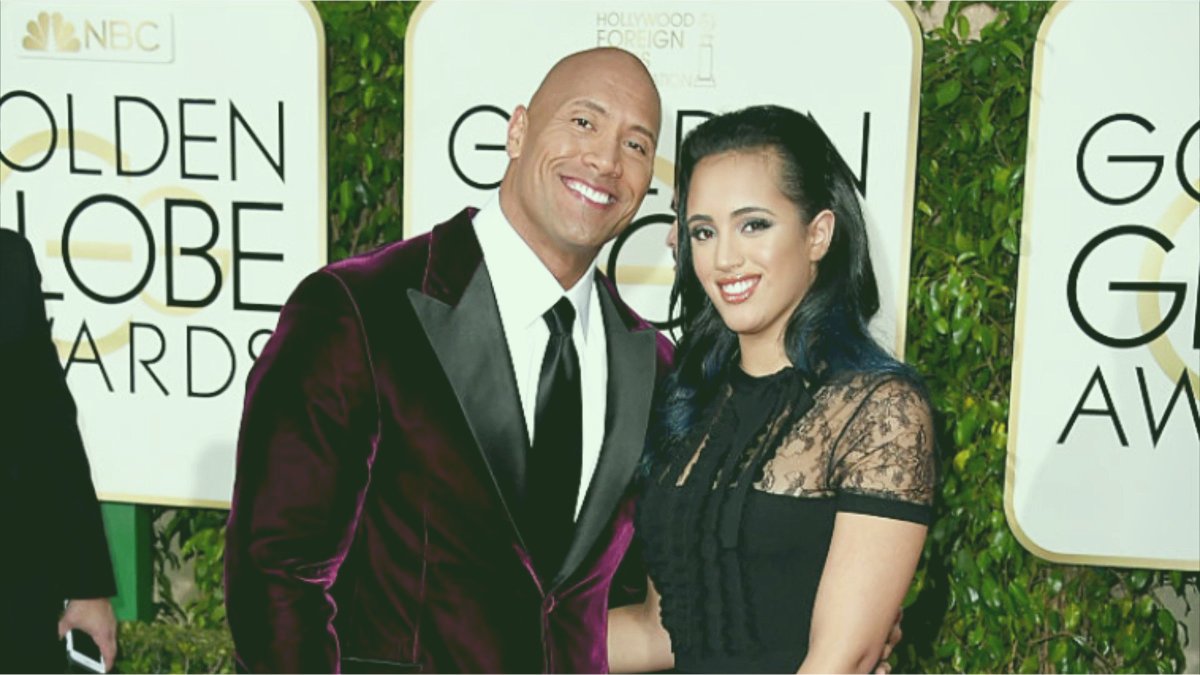
Trending news of The Rock's daughter Simone Johnson's announcing her new Stage Name is breaking our Versus tool because "Wrestling Name" isn't in our database!
Here's the most useful #Factualist comparison pages #Thread 🧵
What is the difference between “pseudonym” and “stage name?”
Pseudonym means “a fictitious name (more literally, a false name), as those used by writers and movie stars,” while stage name is “the pseudonym of an entertainer.”
https://t.co/hT5XPkTepy #english #wiki #wikidiff
People also found this comparison helpful:
Alias #versus Stage Name: What’s the difference?
Alias means “another name; an assumed name,” while stage name means “the pseudonym of an entertainer.”
https://t.co/Kf7uVKekMd #Etymology #words
Another common #question:
What is the difference between “alias” and “pseudonym?”
As nouns alias means “another name; an assumed name,” while pseudonym means “a fictitious name (more literally, a false name), as those used by writers and movie
Here is a very basic #comparison: "Name versus Stage Name"
As #nouns, the difference is that name means “any nounal word or phrase which indicates a particular person, place, class, or thing,” but stage name means “the pseudonym of an
Here's the most useful #Factualist comparison pages #Thread 🧵
What is the difference between “pseudonym” and “stage name?”
Pseudonym means “a fictitious name (more literally, a false name), as those used by writers and movie stars,” while stage name is “the pseudonym of an entertainer.”
https://t.co/hT5XPkTepy #english #wiki #wikidiff
People also found this comparison helpful:
Alias #versus Stage Name: What’s the difference?
Alias means “another name; an assumed name,” while stage name means “the pseudonym of an entertainer.”
https://t.co/Kf7uVKekMd #Etymology #words
Another common #question:
What is the difference between “alias” and “pseudonym?”
As nouns alias means “another name; an assumed name,” while pseudonym means “a fictitious name (more literally, a false name), as those used by writers and movie
Here is a very basic #comparison: "Name versus Stage Name"
As #nouns, the difference is that name means “any nounal word or phrase which indicates a particular person, place, class, or thing,” but stage name means “the pseudonym of an

You asked. So here are my thoughts on how osteopathic medical students should respond to the NBOME.
(thread)
Look, even before the Step 2 CS cancellation, my DMs and email were flooded with messages from osteopathic medical students who are fed up with the NBOME.
There is *real* anger toward this organization. Honestly, more than I even heard about from MD students and the NBME.
The question is, will that sentiment translate into action?
Amorphous anger on social media is easy to ignore. But if that anger gets channeled into organized efforts to facilitate change, then improvements are possible.
This much should be clear: begging the NBOME to reconsider their Level 2-PE exam is a waste of your time.
Best case scenario, you’ll get another “town hall” meeting, a handful of platitudes, and some thoughtful beard stroking before being told that they’re keeping the exam.
Instead of complaining to the NBOME, here are a few things that are more likely to bring about real change.
(thread)
I think most of us are over here waiting to see what @jbcarmody has to say about the latest NBOME email pic.twitter.com/bVWkS23V7z
— Jake Berg (@jberg521) January 28, 2021
Look, even before the Step 2 CS cancellation, my DMs and email were flooded with messages from osteopathic medical students who are fed up with the NBOME.
There is *real* anger toward this organization. Honestly, more than I even heard about from MD students and the NBME.
The question is, will that sentiment translate into action?
Amorphous anger on social media is easy to ignore. But if that anger gets channeled into organized efforts to facilitate change, then improvements are possible.
This much should be clear: begging the NBOME to reconsider their Level 2-PE exam is a waste of your time.
Best case scenario, you’ll get another “town hall” meeting, a handful of platitudes, and some thoughtful beard stroking before being told that they’re keeping the exam.
Instead of complaining to the NBOME, here are a few things that are more likely to bring about real change.