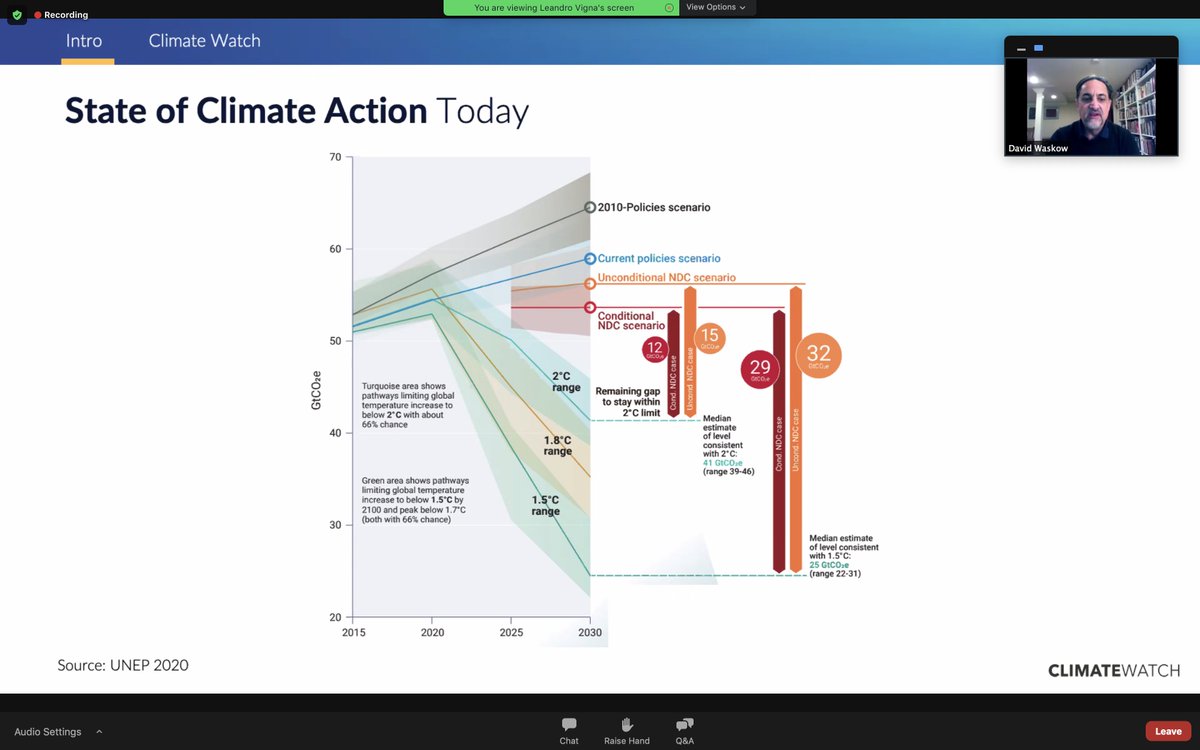
Webinar on tools for assessing national #climate pledges (NDCs) by @WRIClimate. @davidwaskow reminds: #ParisAgreement is meant to work thru an iterative process of increasing ambition (faster emission reductions), leading to #netzero emissions by 2050. (Thread 1/n)
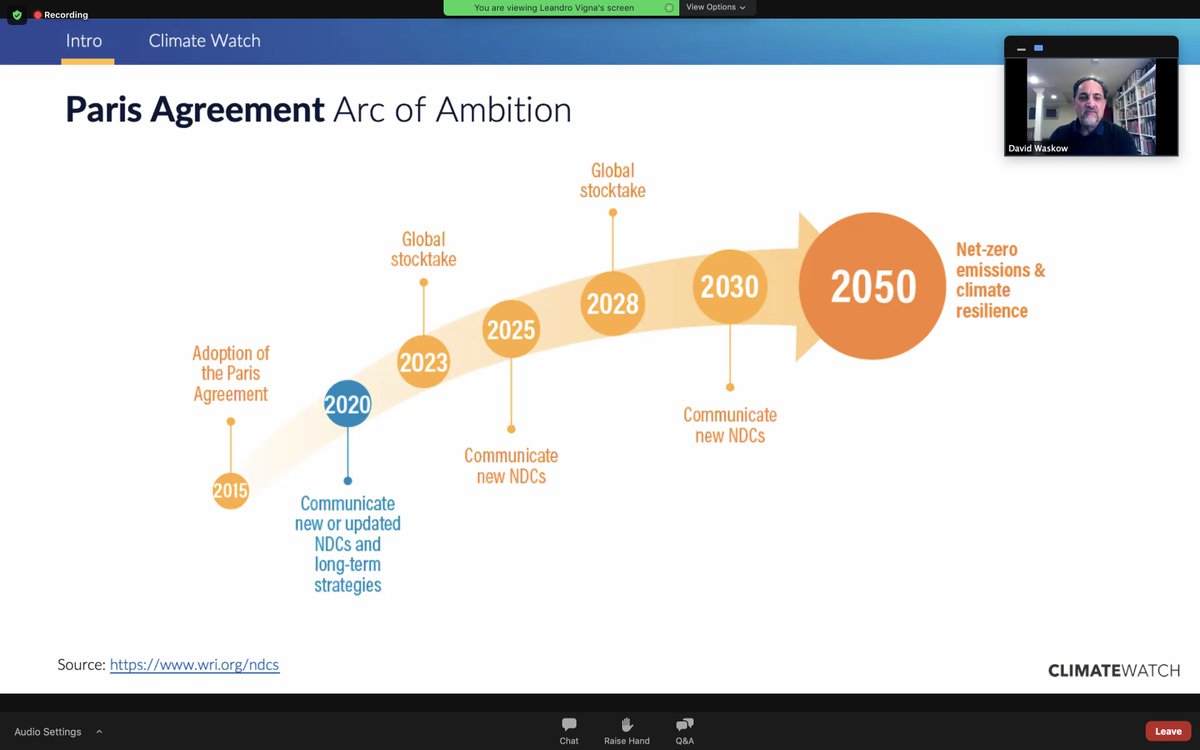
2 are on track (e.g., crop yields)
13 right direction but too slow (e.g., need electric vehicle sales to be 22x faster than now)
2 in wrong direction: forests, ag emissions
@davidwaskow from @climateactiontr, @WRIClimate et al 3/n
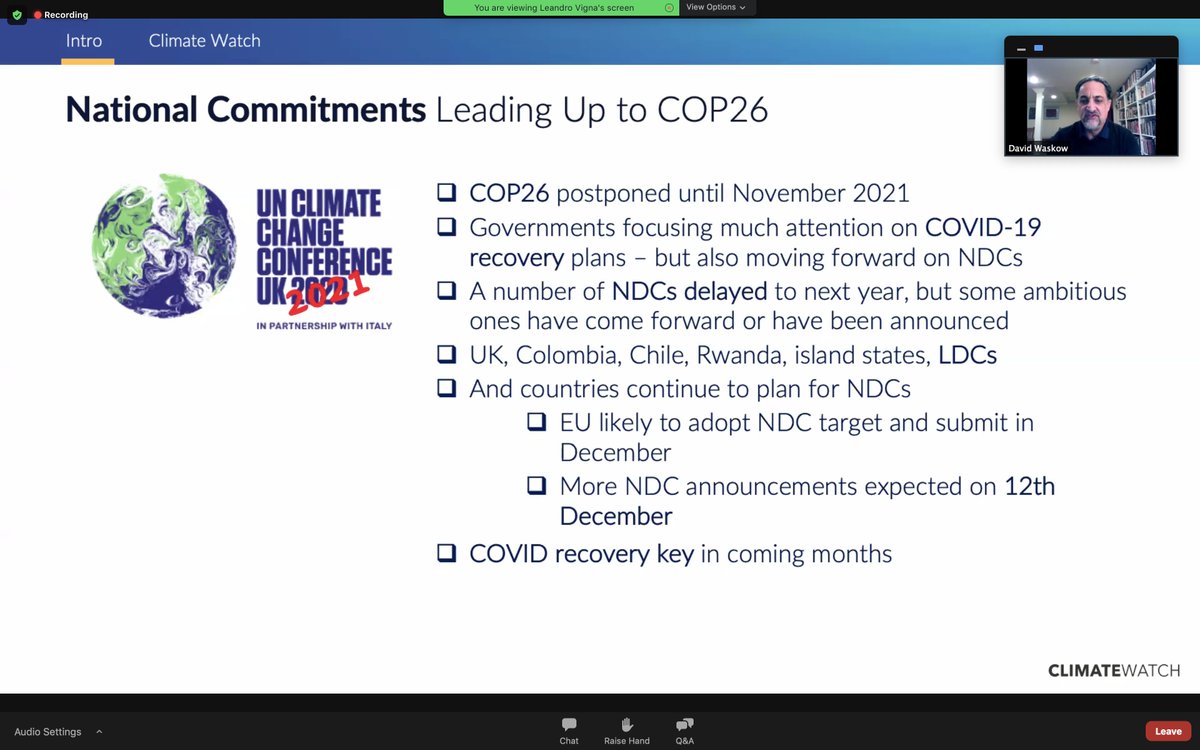
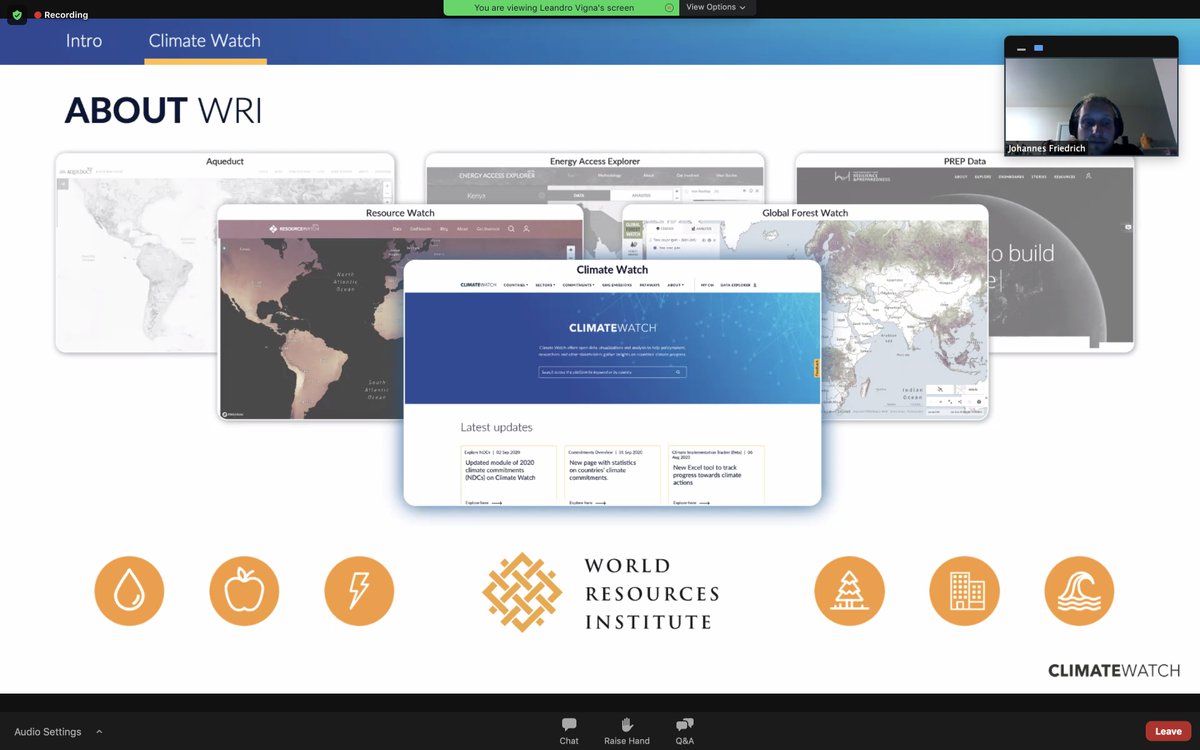
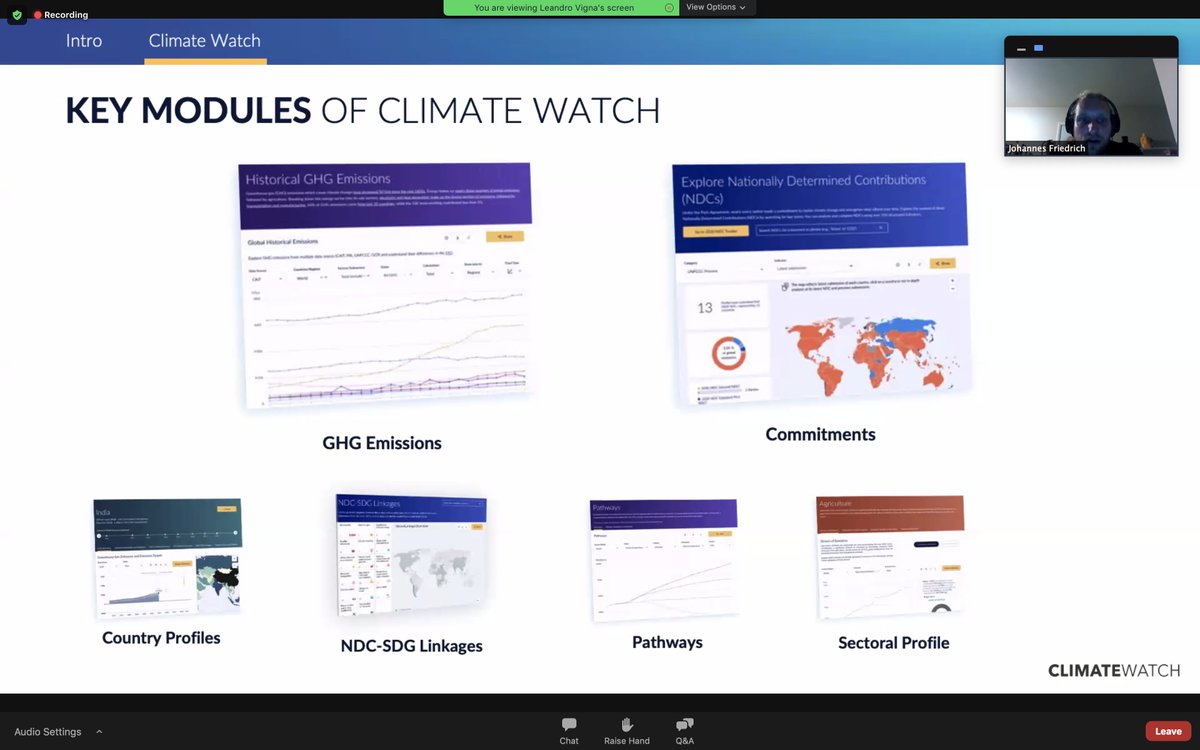
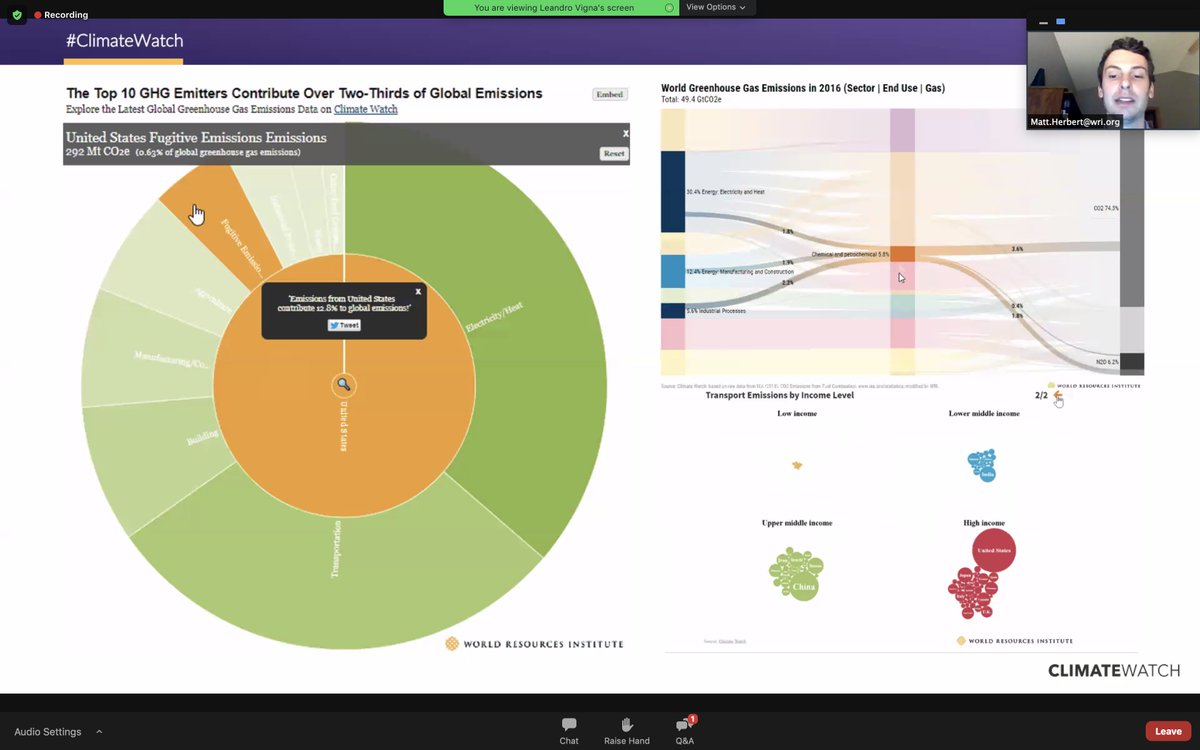
100s of credible datasets,
100,000s of data points
to assess #climate trends, targets, bring transparency to inform + drive #ClimateAction.
For govts, biz, researchers, NGOs
Run by @JohannesFried.
(See also other forest, energy, ... tools) 5/n
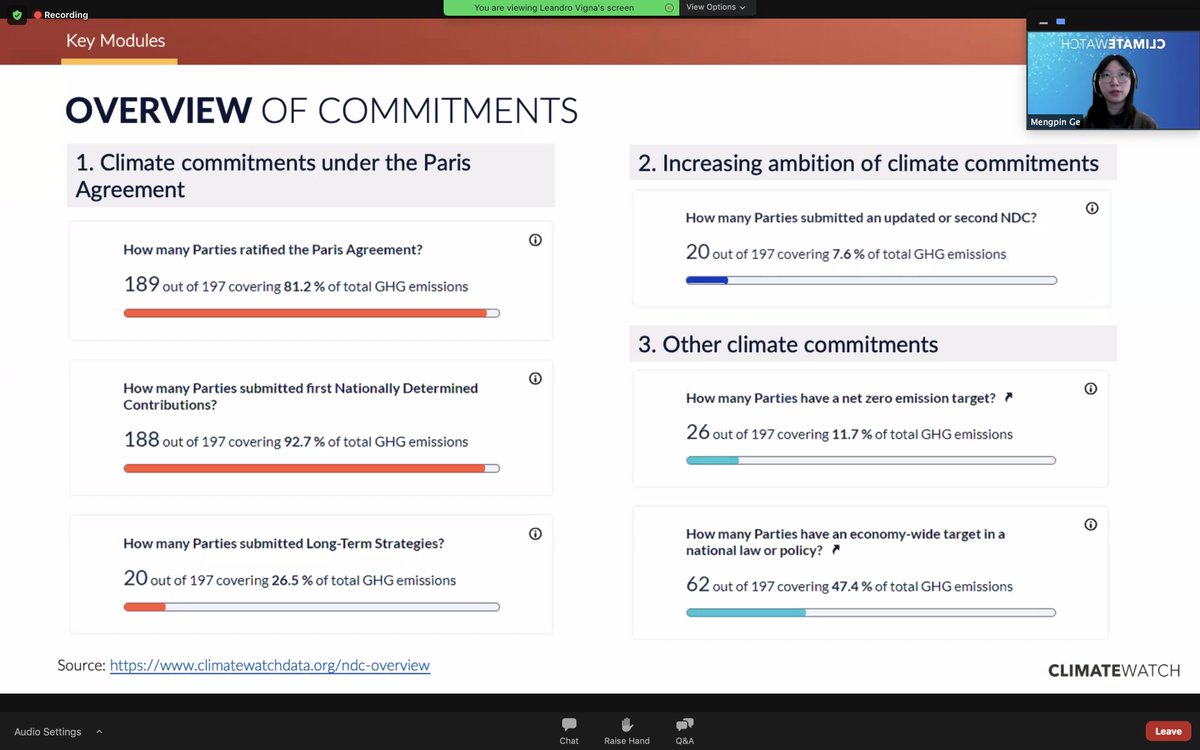
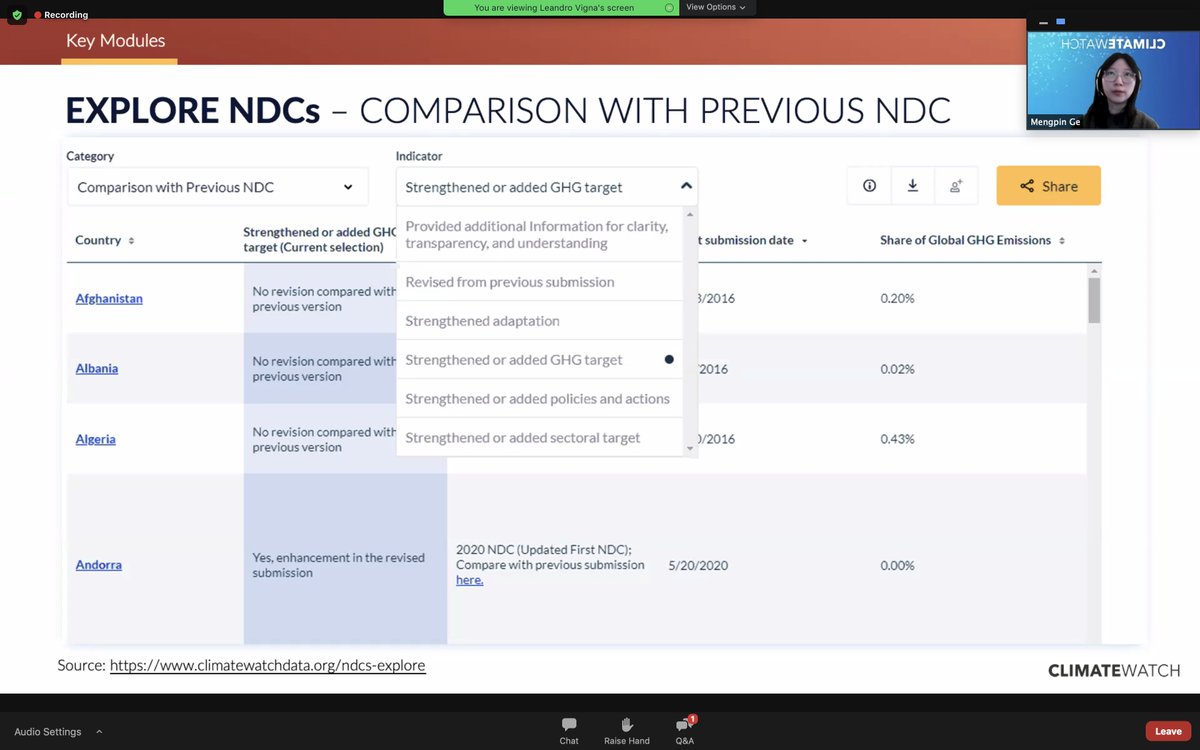
Only 20 countries have long-term #climate strategies
Only 20 have submitted updated, more ambitious pledges (NDCs)
26 have net zero targets
62 have economy wide #climate policy
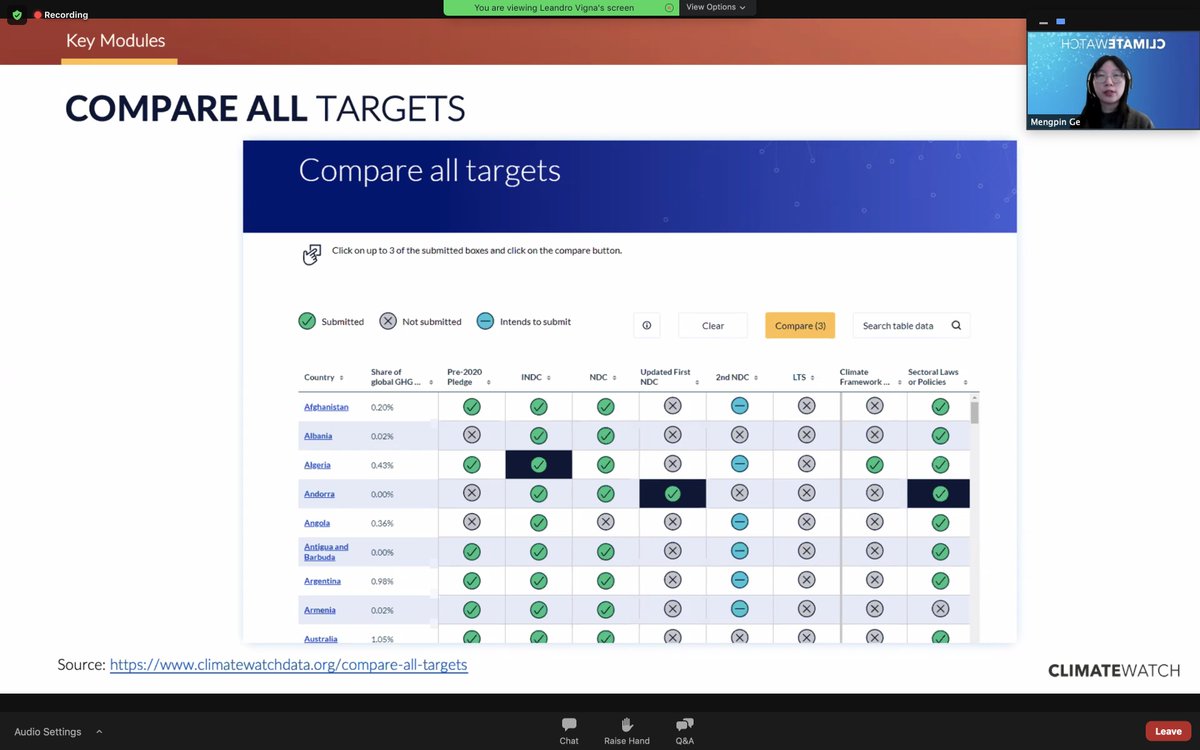
@MengpinGe (7/n)
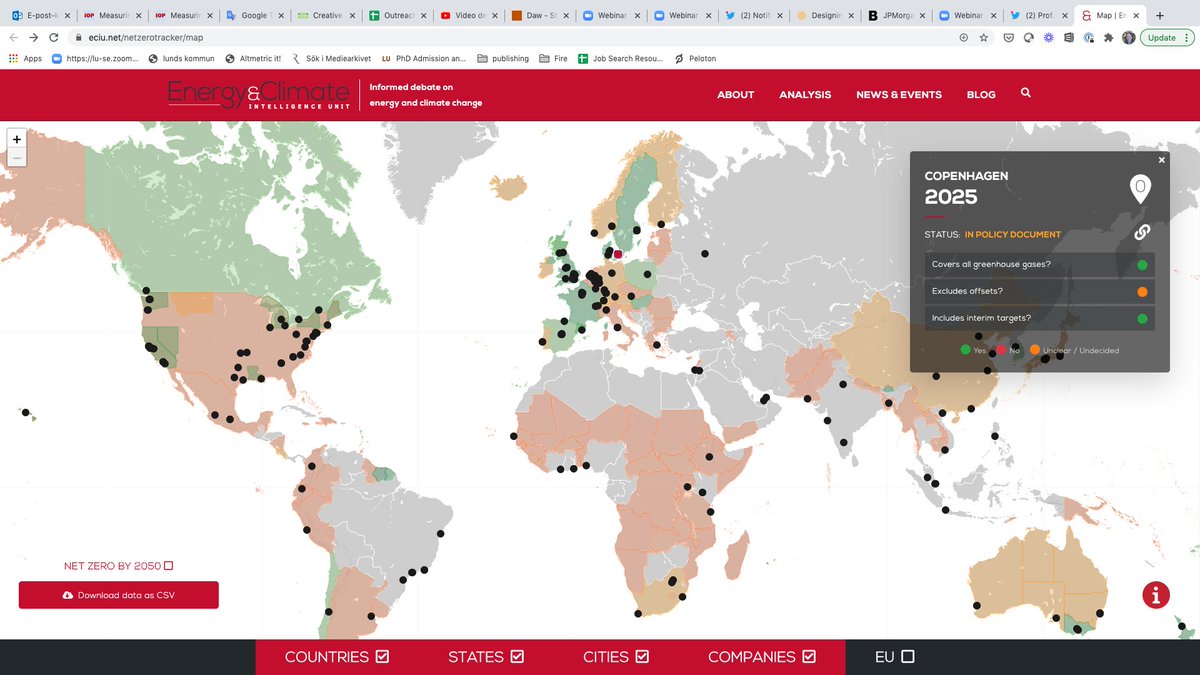
Coming soon: #NetZero tracker (see report:https://t.co/Kb5JB2VgMu).
@MengpinGe (9/n)
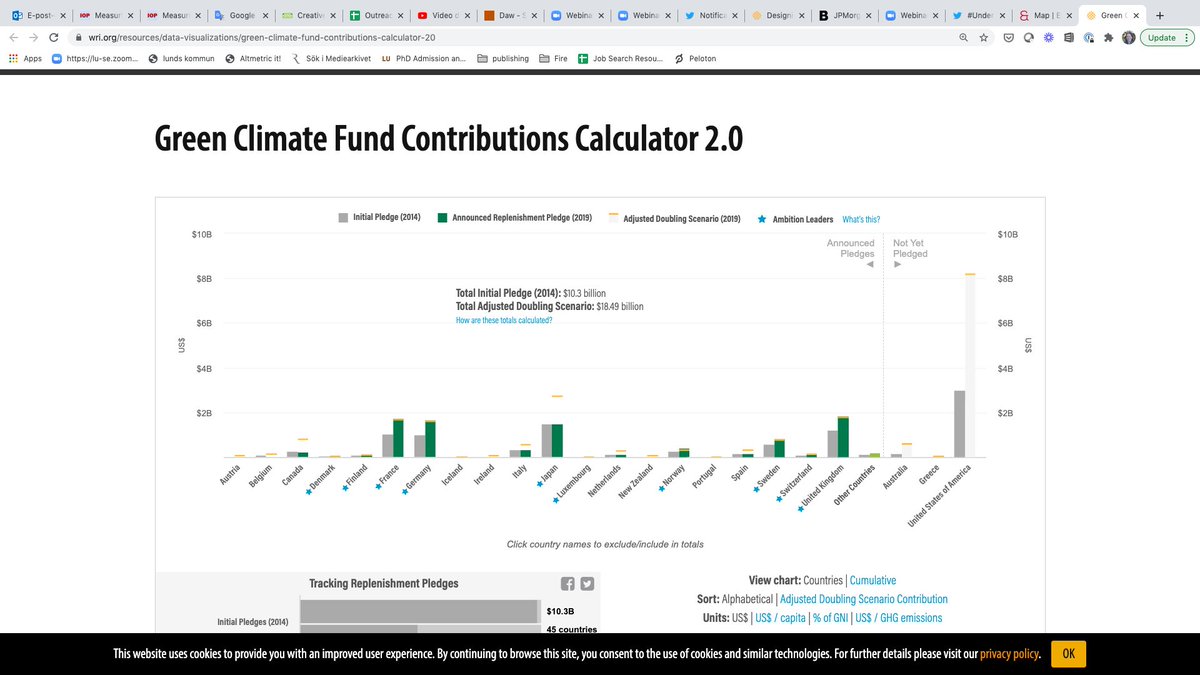
OECD 2018 found $78.9 bn/yr (78% public $), of $100 bn/yr promised in Paris, per @davidwaskow (12/12)
More from Economy





One of the hardest problems post-pandemic will be how to revive so-called "left behind" places.
Post-industrial towns, run-down suburbs, coastal communities - these places were already struggling before the crisis and have fared worst in the last year.
What should we do?
Today, @ukonward sets out the beginning of a plan to repair our social fabric. It follows our extensive research over the last year, expertly chaired by @jamesosh, and funded by @jrf_uk, @Shelter and @peoplesbiz.
https://t.co/d3T5uPwG9N

Before I get into recommendations, some findings from previous Onward research.
In 2018, we found 71% of people believe "community has declined in my lifetime"
In 2019, we found 65% would rather live in “a society that focuses on giving people more security” vs 35% for freedom

This was the basis for our identification of 'Workington Man' as the archetypal swing voter in 2019, and led us to predict (correctly) that large numbers of Red Wall seats could fall. A key driver was a desire for security, belonging and pride in place.

There is also a key regional dimension to this. We also tested people's affinity with the UK's direction of travel, across both cultural and economic dimensions - revealing the extraordinary spread below: London vs. the Rest.
https://t.co/HrorW4xaLp

Post-industrial towns, run-down suburbs, coastal communities - these places were already struggling before the crisis and have fared worst in the last year.
What should we do?
Today, @ukonward sets out the beginning of a plan to repair our social fabric. It follows our extensive research over the last year, expertly chaired by @jamesosh, and funded by @jrf_uk, @Shelter and @peoplesbiz.
https://t.co/d3T5uPwG9N
Before I get into recommendations, some findings from previous Onward research.
In 2018, we found 71% of people believe "community has declined in my lifetime"
In 2019, we found 65% would rather live in “a society that focuses on giving people more security” vs 35% for freedom
This was the basis for our identification of 'Workington Man' as the archetypal swing voter in 2019, and led us to predict (correctly) that large numbers of Red Wall seats could fall. A key driver was a desire for security, belonging and pride in place.
There is also a key regional dimension to this. We also tested people's affinity with the UK's direction of travel, across both cultural and economic dimensions - revealing the extraordinary spread below: London vs. the Rest.
https://t.co/HrorW4xaLp