In his book, Big Debt Crises, Dalio studied more than 48 debt crises that have occurred throughout history.
Ray Dalio understands the macro environment as well as anyone.
While most investment managers were down big during the Great Financial Crisis, Dalio’s fund was up 8.7% in 2008.
Here is how Dalio views our global economy today:
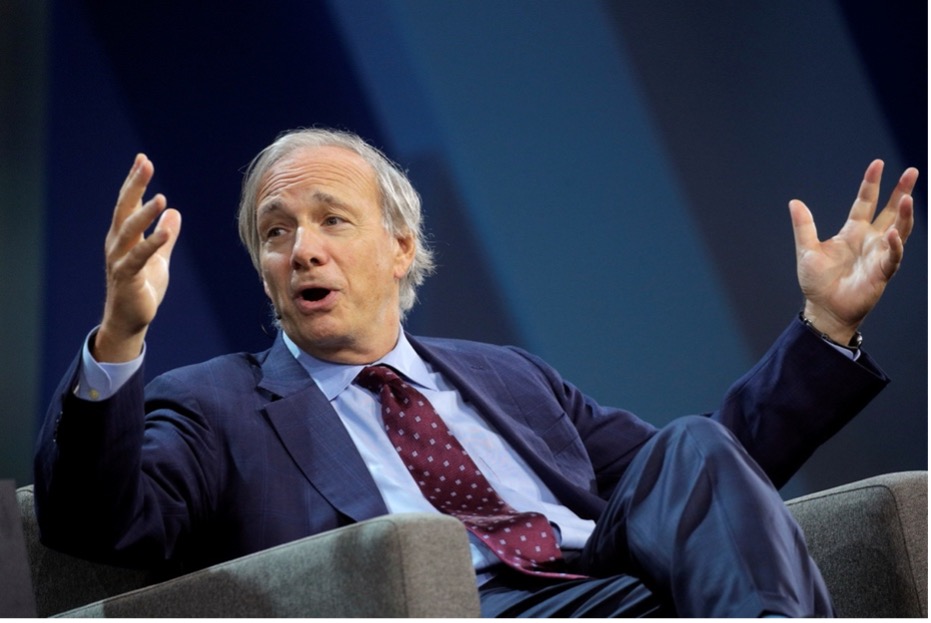
In his book, Big Debt Crises, Dalio studied more than 48 debt crises that have occurred throughout history.
• Productivity Growth
• The Short-Term Debt Cycle
• The Long-Term Debt Cycle
In the long run, the economy is primarily driven by productivity
In the short run, the economy is primarily driven by credit and debt
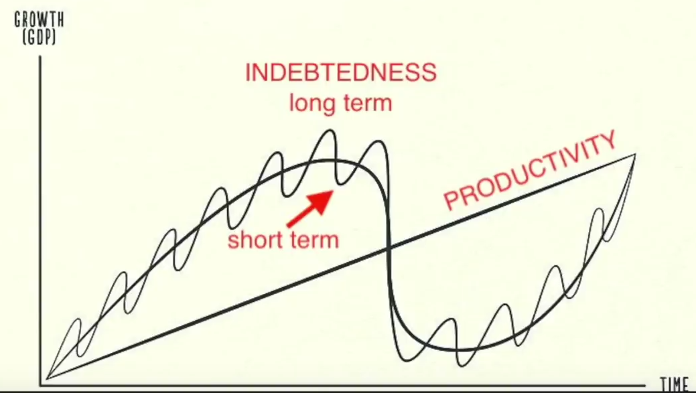
Dalio defines credit as the giving of buying power.
The buying power is given to the borrower in exchange for a promise to pay it back, which is debt.
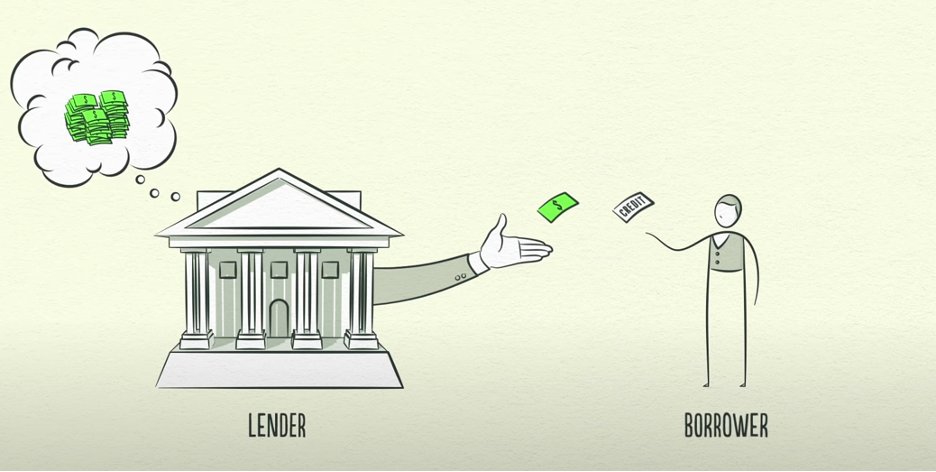
It’s especially good when credit is used by individuals and businesses to expand the production of the overall economy.
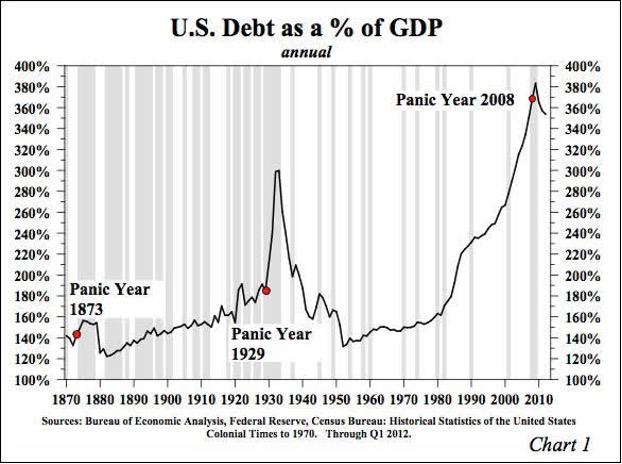
Dalio warns that throughout history, most countries eventually run into debt crises because policymakers generally err on the side of being too loose with credit.
In order to pay that back, that person will need to spend less than they make at some point in the future.
More credit ➡️ more spending ➡️ higher incomes ➡️ higher asset prices 🔁
Less credit ➡️ less spending ➡️ lower incomes ➡️ lower asset prices 🔁
Credit exacerbates the natural boom/bust cycle.
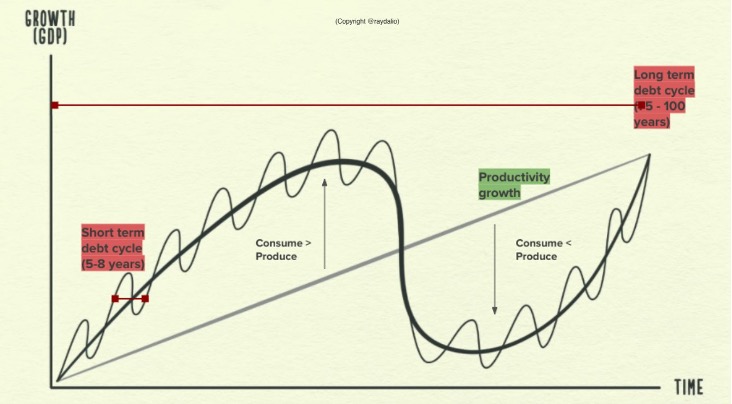
The short-term debt cycle, widely known as the business cycle, occurs roughly every 5-8 years.
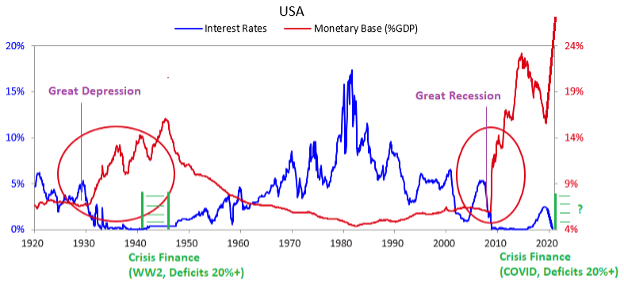
Interest rates are a key driver in debt accumulation, as cheap money incentivizes individuals, companies, and countries to take on debt at artificially low-interest rates.
• Austerity (spending less)
• Debt defaults/restructurings
• The central bank printing money
• Wealth redistribution
It’s the easiest way out and the most effective tool relative to the other options.
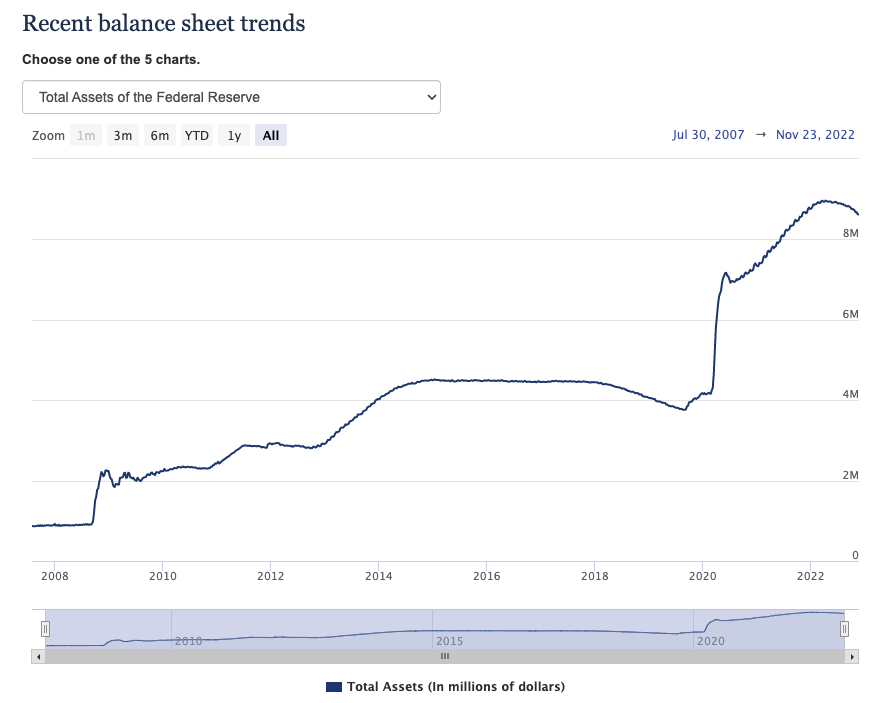
This has been the Fed’s playbook since the GFC.
Going forward, I expect:
• The Federal Reserve funds US government deficits, leading to continued currency devaluation relative to real goods and services.
• Artificially low-interest rates with negative real rates.
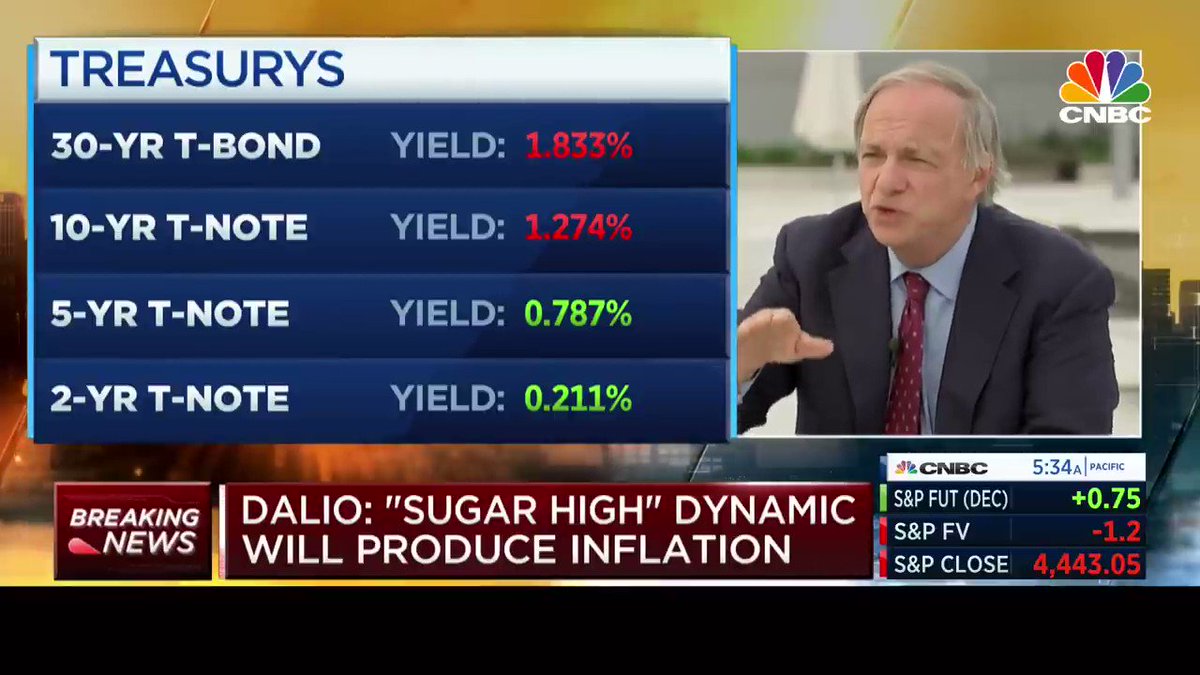
Here’s Dalio explaining why:
• Have a solid emergency fund
• Live within your means
• Eliminate unnecessary debts
• Own a diversified portfolio
• Own quality, cash flow positive companies
Focus on what you can control.
https://t.co/8zDSOeubbi
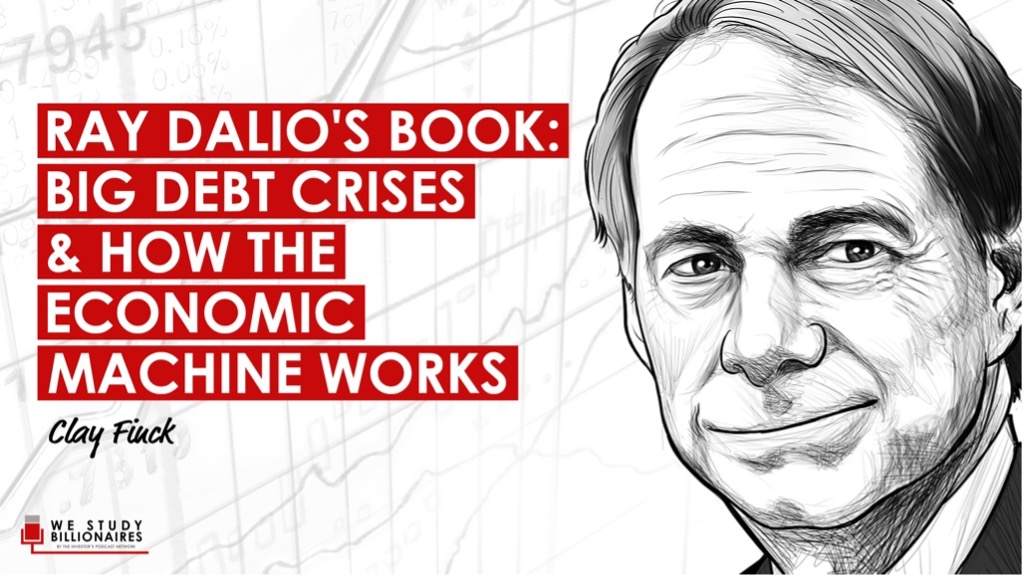
Ray Dalio understands the macro environment as well as anyone.
— Clay Finck (@Clay_Finck) November 29, 2022
While most investment managers were down big during the Great Financial Crisis, Dalio\u2019s fund was up 8.7% in 2008.
Here is how Dalio views our global economy today: pic.twitter.com/rXFusmWVrk
You May Also Like

To people who are under the impression that you can get rich quickly by working on an app, here are the stats for https://t.co/az8F12pf02
📈 ~12000 vistis
☑️ 109 transactions
💰 353€ profit (285 after tax)
I have spent 1.5 months on this app. You can make more $ in 2 days.
🤷♂️

I'm still happy that I launched a paid app bcs it involved extra work:
- backend for processing payments (+ permissions, webhooks, etc)
- integration with payment processor
- UI for license activation in Electron
- machine activation limit
- autoupdates
- mailgun emails
etc.
These things seemed super scary at first. I always thought it was way too much work and something would break. But I'm glad I persisted. So far the only problem I have is that mailgun is not delivering the license keys to certain domains like https://t.co/6Bqn0FUYXo etc. 👌
omg I just realized that me . com is an Apple domain, of course something wouldn't work with these dicks
📈 ~12000 vistis
☑️ 109 transactions
💰 353€ profit (285 after tax)
I have spent 1.5 months on this app. You can make more $ in 2 days.
🤷♂️
I'm still happy that I launched a paid app bcs it involved extra work:
- backend for processing payments (+ permissions, webhooks, etc)
- integration with payment processor
- UI for license activation in Electron
- machine activation limit
- autoupdates
- mailgun emails
etc.
These things seemed super scary at first. I always thought it was way too much work and something would break. But I'm glad I persisted. So far the only problem I have is that mailgun is not delivering the license keys to certain domains like https://t.co/6Bqn0FUYXo etc. 👌
omg I just realized that me . com is an Apple domain, of course something wouldn't work with these dicks