
Positive aesthetics simply means it has to look good - it should follow the rules of proportion and symmetry, the colors should be flattering, etc.
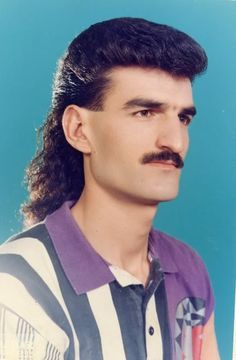
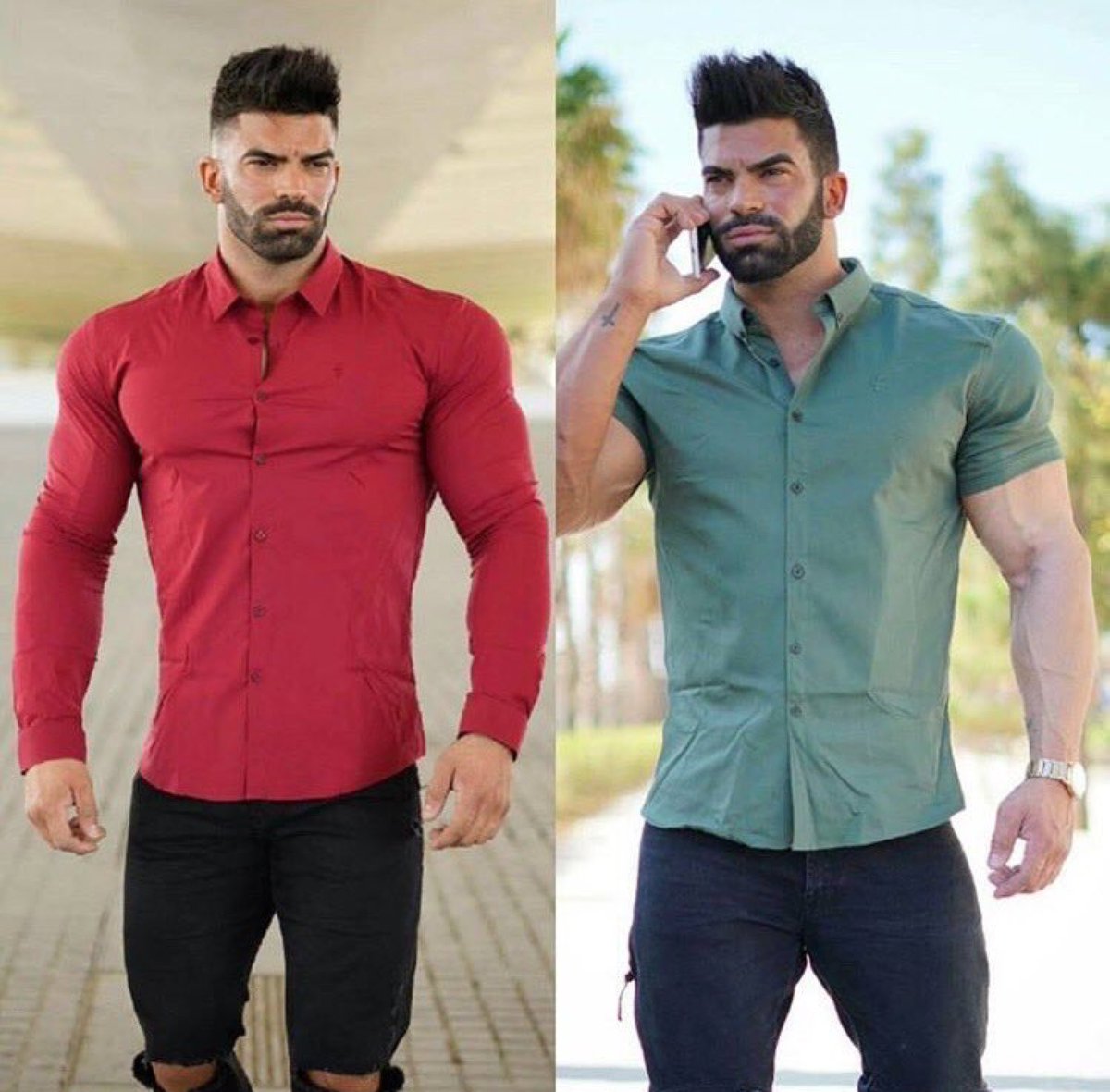
What's the difference between these 3 images? Why is one the ubiquitous example of great style, another the joke everyone wants to avoid becoming, and the last what your typical guy looks like?
I'll explain.
Positive aesthetics simply means it has to look good - it should follow the rules of proportion and symmetry, the colors should be flattering, etc.
The clothing visuals we love are those that are pleasing to the eye and give us a sense of satisfaction while looking at them.
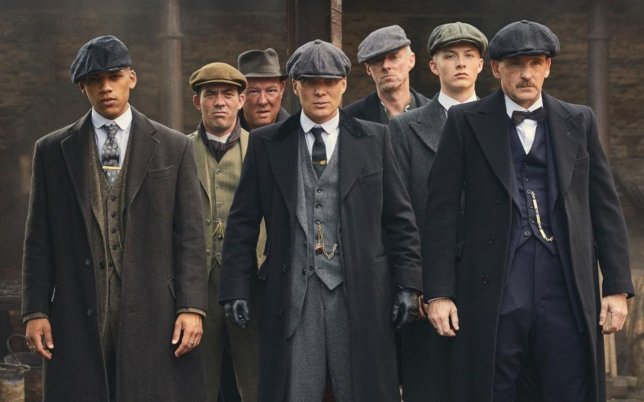
You can't throw on a toga, or a kilt, or a 19th-century 3-piece suit and walk around in it today because, as beautiful as the aesthetics are, there's no cultural relevance.
This is where most trends come in.
Aesthetics are thrown out the window and a goofy, exaggerated version of relevance takes shape.
Once they've been stripped of their relevance, it becomes even more obvious that there was no inherent beauty or aesthetic to them and we wonder how we could ever have thought it looked good.
So great style is a combination of both.
You have to both understand aesthetics well enough to make your clothing look good, and your culture well enough to make your clothing relevant.

So, rather than play to win, they simply attempt to not lose.
Rather than choosing clothing that's beautiful, they get stuff that isn't ugly.
Rather than risk standing out in a bad way, they do their best to simply fade into the background and simply exist
And even the execution isn't that difficult once you know what to look for and how to make it happen.
https://t.co/Zpi0nIu8sg
More from Culture







You May Also Like









1/ Here’s a list of conversational frameworks I’ve picked up that have been helpful.
Please add your own.
2/ The Magic Question: "What would need to be true for you
3/ On evaluating where someone’s head is at regarding a topic they are being wishy-washy about or delaying.
“Gun to the head—what would you decide now?”
“Fast forward 6 months after your sabbatical--how would you decide: what criteria is most important to you?”
4/ Other Q’s re: decisions:
“Putting aside a list of pros/cons, what’s the *one* reason you’re doing this?” “Why is that the most important reason?”
“What’s end-game here?”
“What does success look like in a world where you pick that path?”
5/ When listening, after empathizing, and wanting to help them make their own decisions without imposing your world view:
“What would the best version of yourself do”?
Please add your own.
2/ The Magic Question: "What would need to be true for you
1/\u201cWhat would need to be true for you to\u2026.X\u201d
— Erik Torenberg (@eriktorenberg) December 4, 2018
Why is this the most powerful question you can ask when attempting to reach an agreement with another human being or organization?
A thread, co-written by @deanmbrody: https://t.co/Yo6jHbSit9
3/ On evaluating where someone’s head is at regarding a topic they are being wishy-washy about or delaying.
“Gun to the head—what would you decide now?”
“Fast forward 6 months after your sabbatical--how would you decide: what criteria is most important to you?”
4/ Other Q’s re: decisions:
“Putting aside a list of pros/cons, what’s the *one* reason you’re doing this?” “Why is that the most important reason?”
“What’s end-game here?”
“What does success look like in a world where you pick that path?”
5/ When listening, after empathizing, and wanting to help them make their own decisions without imposing your world view:
“What would the best version of yourself do”?