Fabricating the “ Fifth Veda “
Robert de Nobili, the notorious Jesuit who masqueraded as a Brahmin, committed fraud by claiming to have discovered what he termed as fifth veda.
Which was showing the entire Indian tradition and culture to be a corrupted subset of Christianity.
To save the embarrassment it was shelved in the archives of Nouvelles Acquisition Francaises under the nondescript name of “Exhibit No 452”.
Despite the failure the Dravidian Christianity started to call it the original Vedic religion
More from Culture


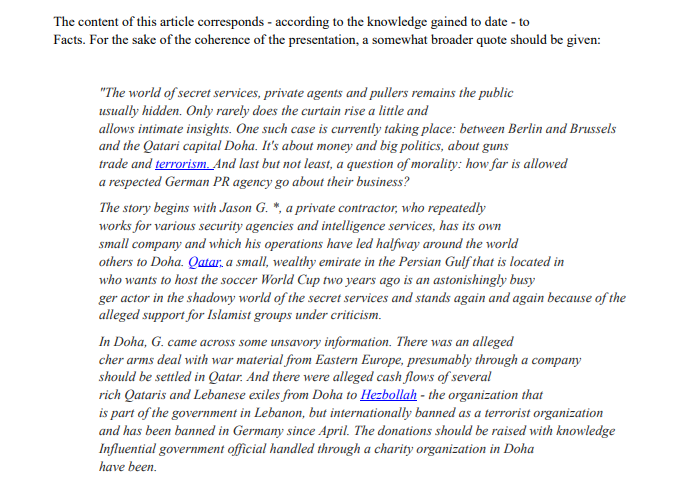
In a recent article published in the Stern, there is now a criminal complaint filed against Michael Inacker, the then CEO of the PR firm WMP for what includes allegations of the knock out payments from the emirate of Qatar to hide a dossier for their role in financing Hezbollah
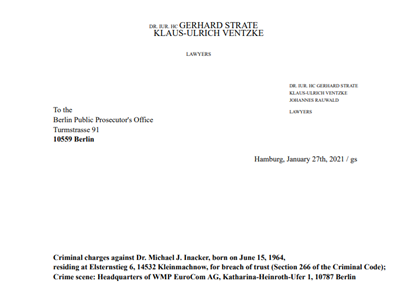
That allegedly 750,000 euros, which would have been divided between Jason and Michael.
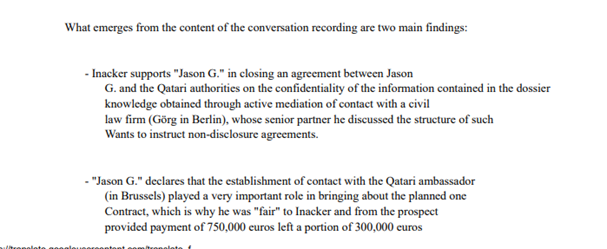
In return, "Jason" was supposed to keep to himself the information he had researched in Qatar, that a high-ranking person in the emirate of Qatar was financially supporting Hezbollah.
https://t.co/TdaAECu35a
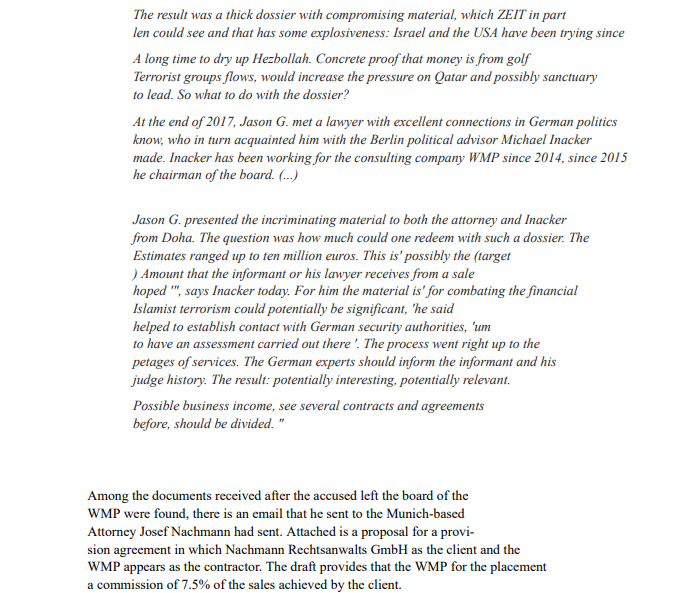
There is an interesting point in the article, WMP (Inacker) still had PR contracts with both Qatar and Saudi and “Jason” had some information about arms deliveries organized by people from Qatar with suppliers in Belarus, Serbia, Macedonia, and Yemen.
That allegedly 750,000 euros, which would have been divided between Jason and Michael.
In return, "Jason" was supposed to keep to himself the information he had researched in Qatar, that a high-ranking person in the emirate of Qatar was financially supporting Hezbollah.
https://t.co/TdaAECu35a
There is an interesting point in the article, WMP (Inacker) still had PR contracts with both Qatar and Saudi and “Jason” had some information about arms deliveries organized by people from Qatar with suppliers in Belarus, Serbia, Macedonia, and Yemen.