Why Gandhi Will Never Be A Mahatma?
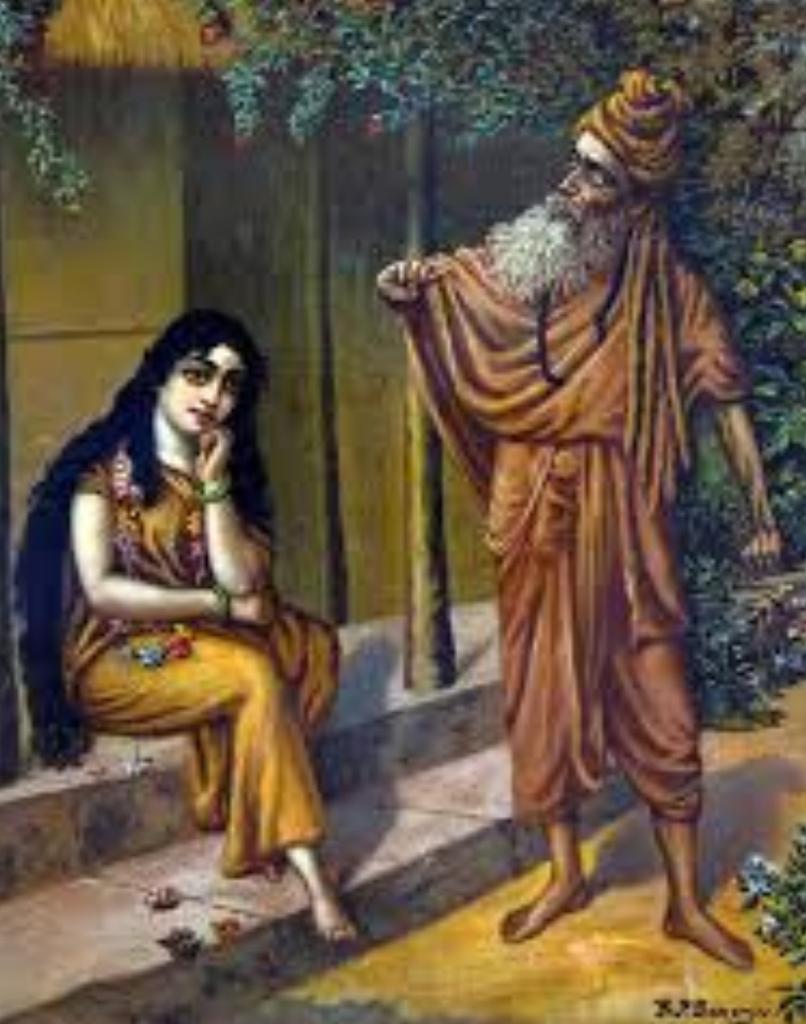
Some of the most interesting parts of @Ram_Guha book concern another group Gandhi sought to instruct: women. Two sections in particular are likely to raise eyebrows. The first is Guha’s account of Gandhi’s relationship with the writer and
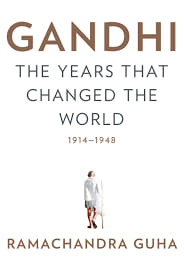
The second section that will provoke controversy tackles an even more sensitive subject: Gandhi’s
Manu had lost her mother at a young age and had been taken in by Gandhi and his wife (who was deceased by the time the “experiments” started). Manu grew up in an ashram in which everyone was devoted to her great-uncle
In the wake of #MeToo, we know that the powerful may delude themselves about the willingness of those they manipulate, and that their less powerful victims may go along with things they do not want because they are overwhelmed by
Guha provides extensive evidence of the horrified reaction of many of Gandhi’s friends and followers at the time. Most were appalled that a young woman should be used as an instrument in an “experiment,” and some of his political allies, like
More from Sheshapatangi1 ಪ್ರಭಾ ಮಗ ಈ ಅಲೆಮಾರಿ ಅಯ್ಯಂಗಾರಿ




More from Culture

I just finished Eric Adler's The Battle of the Classics, and wanted to say something about Joel Christiansen's review linked below. I am not sure what motivates the review (I speculate a bit below), but it gives a very misleading impression of the book. 1/x
The meat of the criticism is that the history Adler gives is insufficiently critical. Adler describes a few figures who had a great influence on how the modern US university was formed. It's certainly critical: it focuses on the social Darwinism of these figures. 2/x
Other insinuations and suggestions in the review seem wildly off the mark, distorted, or inappropriate-- for example, that the book is clickbaity (it is scholarly) or conservative (hardly) or connected to the events at the Capitol (give me a break). 3/x
The core question: in what sense is classics inherently racist? Classics is old. On Adler's account, it begins in ancient Rome and is revived in the Renaissance. Slavery (Christiansen's primary concern) is also very old. Let's say classics is an education for slaveowners. 4/x
It's worth remembering that literacy itself is elite throughout most of this history. Literacy is, then, also the education of slaveowners. We can honor oral and musical traditions without denying that literacy is, generally, good. 5/x
As someone\u2019s who\u2019s read the book, this review strikes me as tremendously unfair. It mostly faults Adler for not writing the book the reviewer wishes he had! https://t.co/pqpt5Ziivj
— Teresa M. Bejan (@tmbejan) January 12, 2021
The meat of the criticism is that the history Adler gives is insufficiently critical. Adler describes a few figures who had a great influence on how the modern US university was formed. It's certainly critical: it focuses on the social Darwinism of these figures. 2/x
Other insinuations and suggestions in the review seem wildly off the mark, distorted, or inappropriate-- for example, that the book is clickbaity (it is scholarly) or conservative (hardly) or connected to the events at the Capitol (give me a break). 3/x
The core question: in what sense is classics inherently racist? Classics is old. On Adler's account, it begins in ancient Rome and is revived in the Renaissance. Slavery (Christiansen's primary concern) is also very old. Let's say classics is an education for slaveowners. 4/x
It's worth remembering that literacy itself is elite throughout most of this history. Literacy is, then, also the education of slaveowners. We can honor oral and musical traditions without denying that literacy is, generally, good. 5/x