
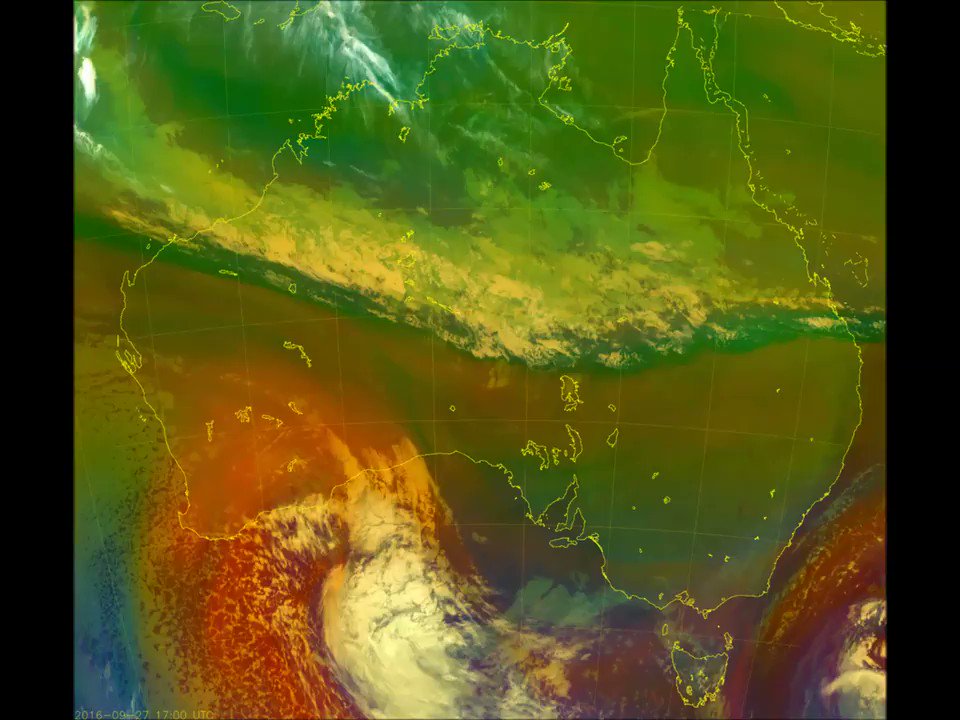
I don't have time to make this detailed, but here's a little thread about the world's first major politically-charged blackout that was blamed on renewables, in South Australia, in 2016............
https://t.co/76ekkfJpR8
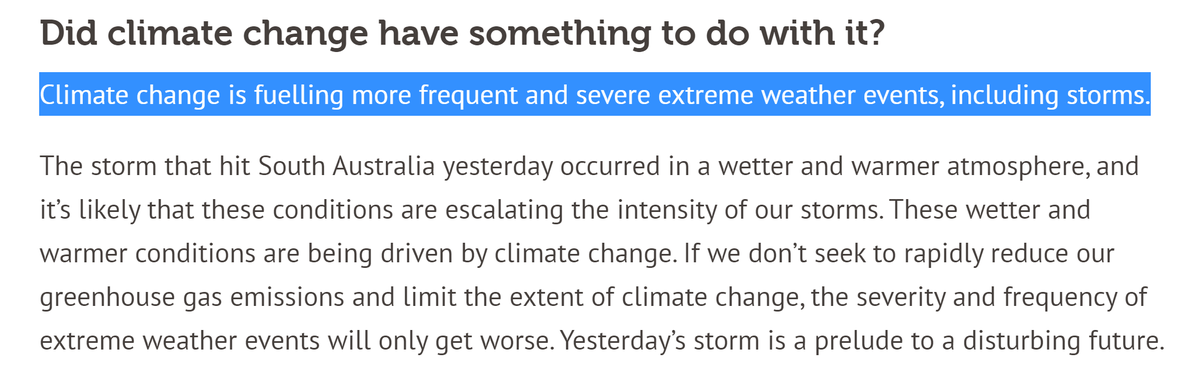
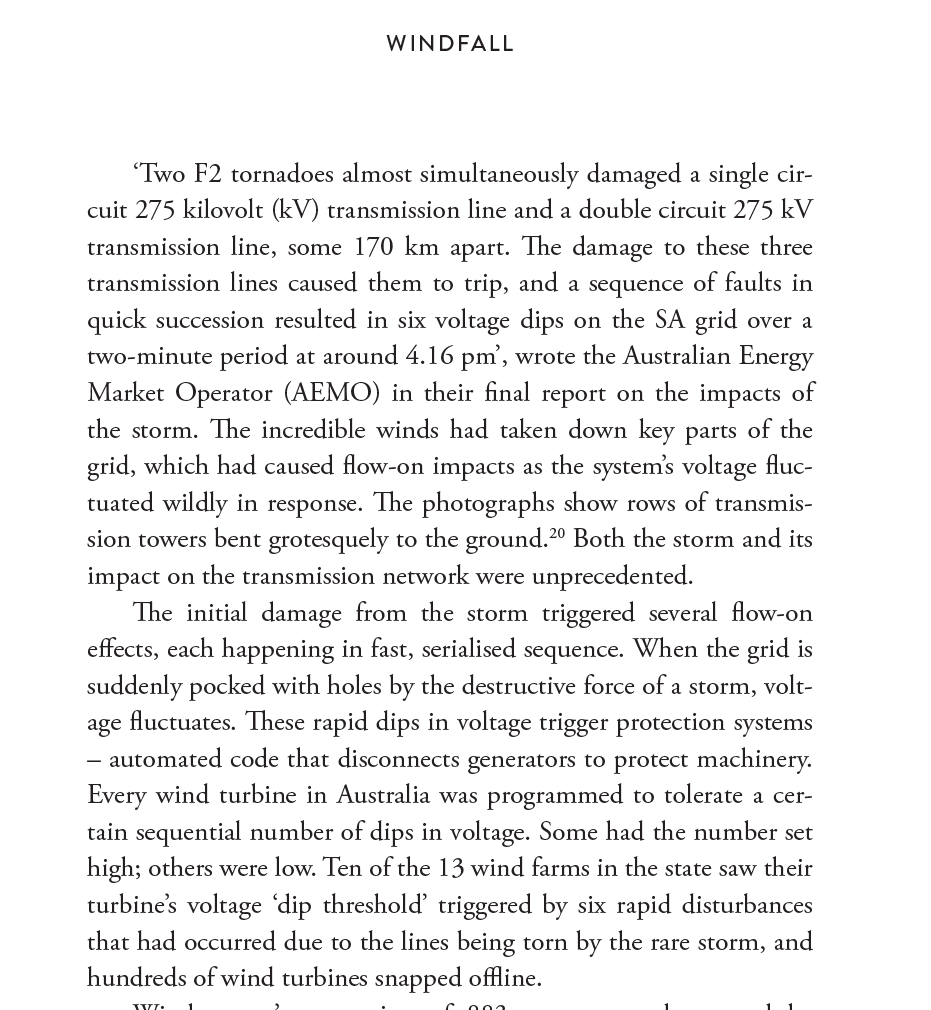
- A voltage spike from the line falls
- Wind turbines automatically shut off due to software settings that trigger shutdown during a spike
- The interconnector to Vic tried to compensate, failed and died
- All of SA blacked out
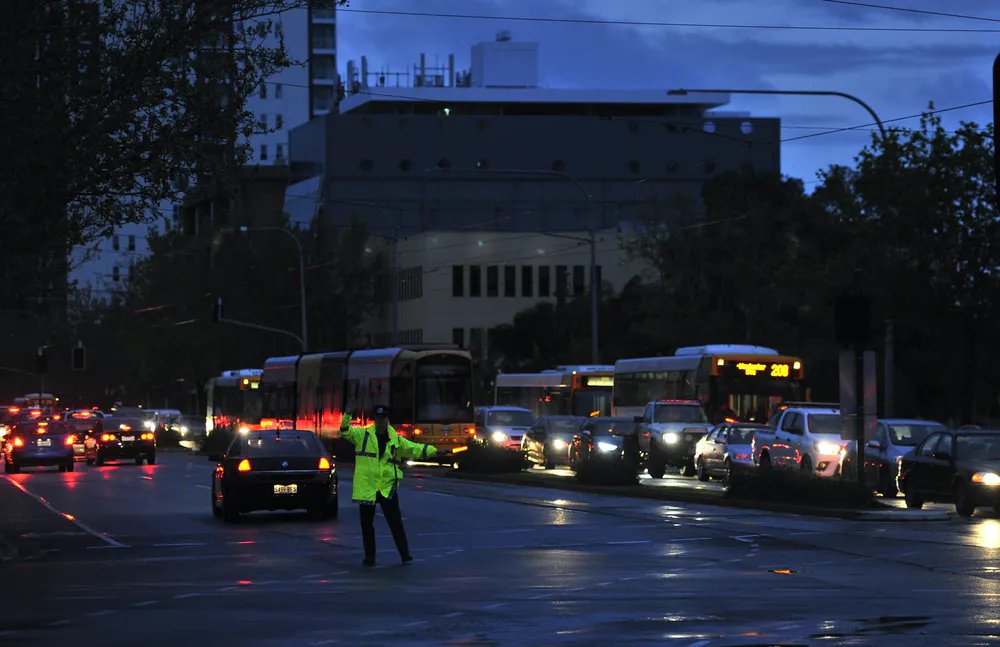
You can guess what happened: a stream of major falsehoods.
https://t.co/ZHuNT717X9
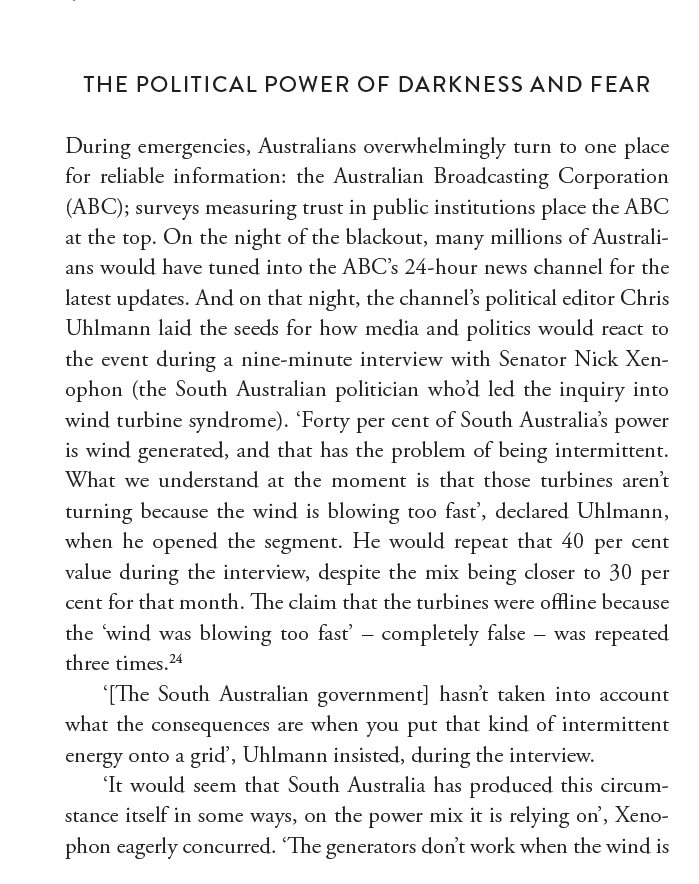
Except: the software settings that caused them to shut off during the voltage spike? It was fixed immediately
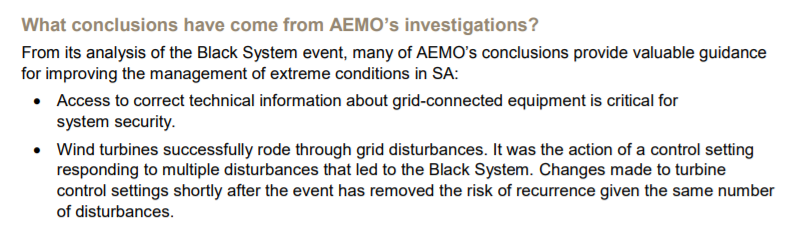
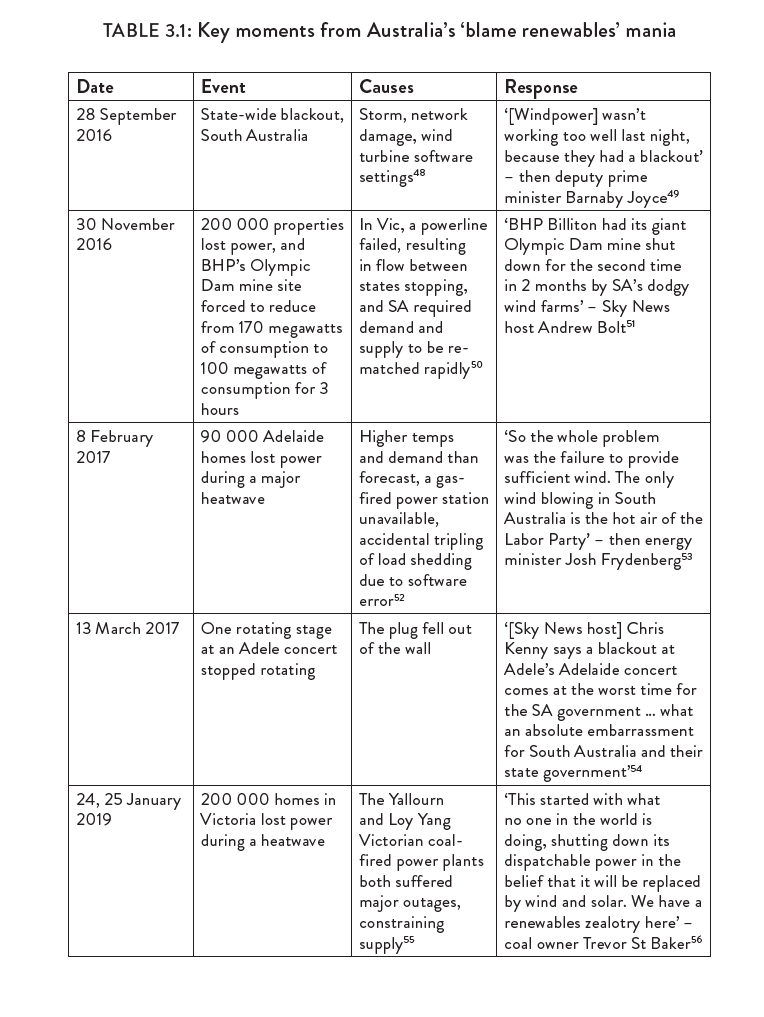
Even as total grid outages remained flat, media cov'g of renewables causing blackouts rose:

Seen the pic of Aus' PM holding a lump of coal? That was about blackouts.
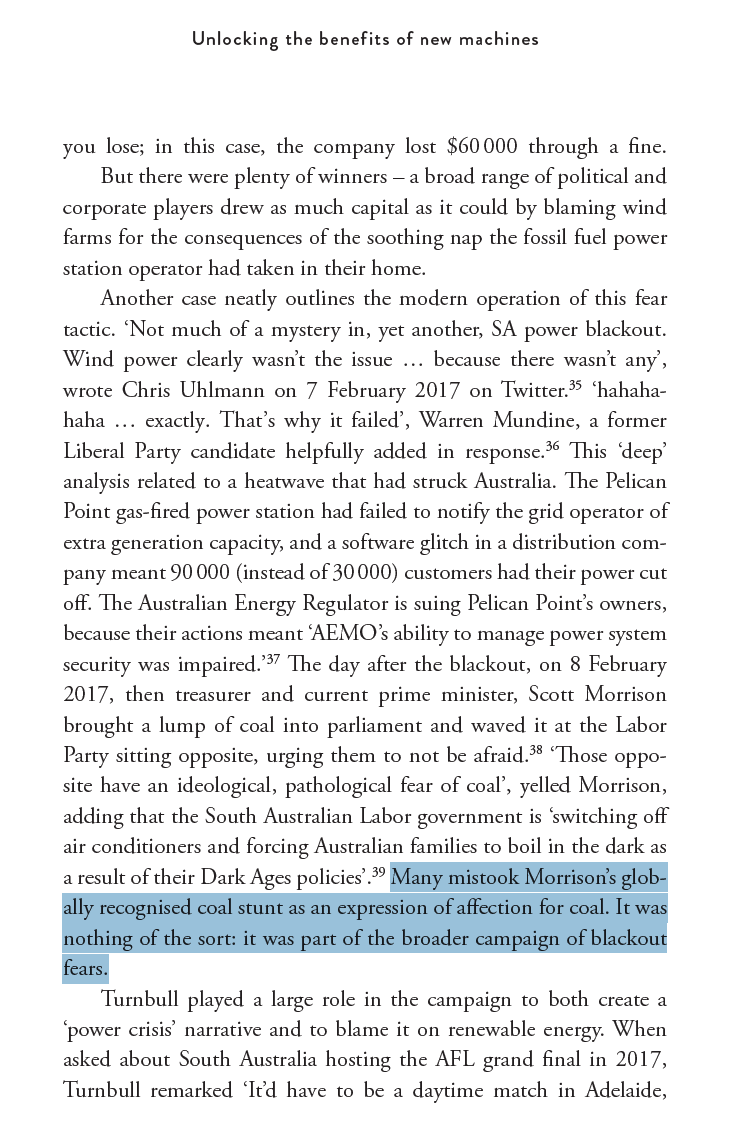
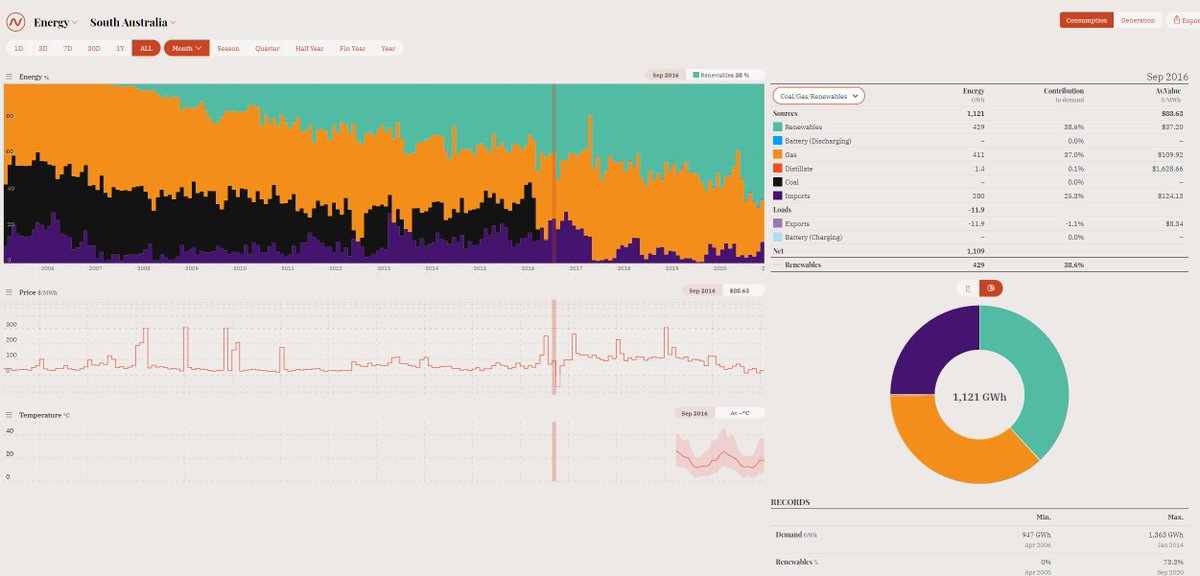
https://t.co/YypdBH5YBx
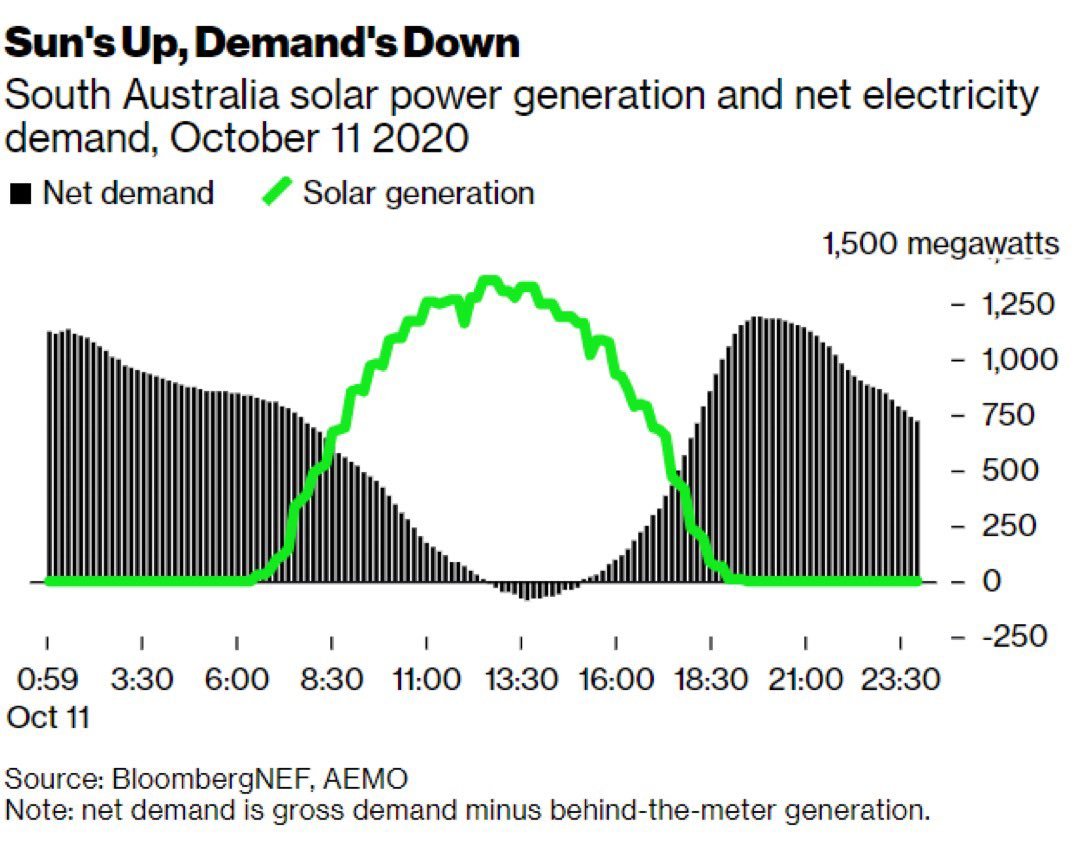
https://t.co/3SZRhkMA28
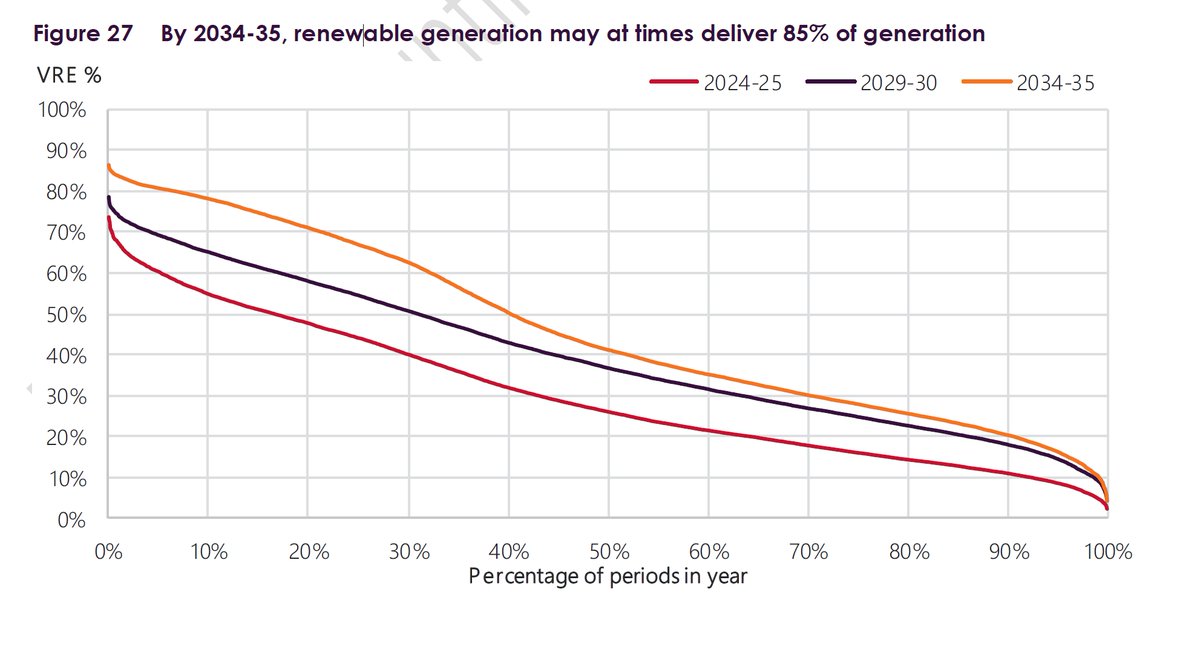
Or: they could skip it entirely and pre-empt the delayers
https://t.co/l5JiWwOJ6f
Blackout report from grid operator https://t.co/770Pgci2Vl
A post I did on it: https://t.co/tijq9EGQNE
Live Aus grid data: https://t.co/RjzssuC5OX
V v v good VRE integration study: https://t.co/kqCPZpzuIw
https://t.co/p5Y5p8NztL
https://t.co/ftEZQfqEFD

More from Climate change


The forests of Russia, Mongolia, Canada, Scandinavia and the US will experience unprecedented destructive heat by 2029 with staggering consequences for life on Earth.
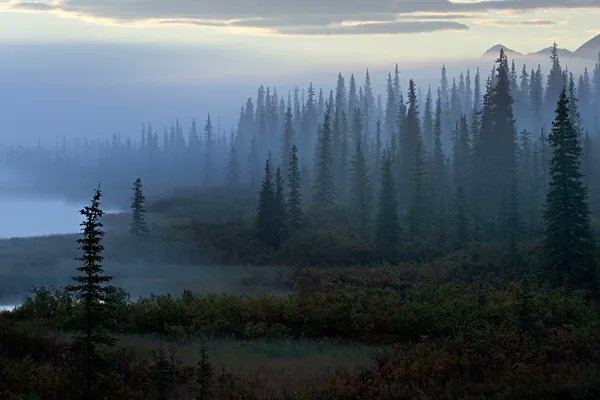
Feedback loops created by permafrost melt & wildfire destruction represent just a few of the terrifying effects of climate change on boreal forest ecosystems, which are particularly at risk to rising temperatures. ⚠️🔥
https://t.co/zZNKrRnqoZ
Massive wildfires are already here.
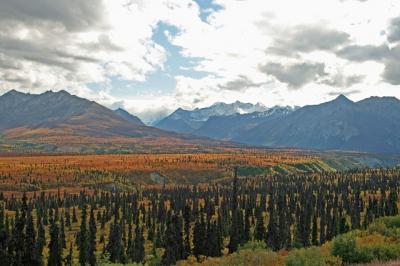
More forest fires are burning in the Arctic in recent years than any time in the last 10,000 years.
🔺these massive arctic fires are showing worrying signs of becoming a vicious cycle
Wildfire-related carbon releases from permafrost regions will quadruple within decades.
Arctic wildfires, impacted by global warming, are in turn contributing to more climate breakdown.
🔺An increase in boreal & tundra fires in the future will enhance permafrost thawing.
Feedback loops created by permafrost melt & wildfire destruction represent just a few of the terrifying effects of climate change on boreal forest ecosystems, which are particularly at risk to rising temperatures. ⚠️🔥
https://t.co/zZNKrRnqoZ
Massive wildfires are already here.
More forest fires are burning in the Arctic in recent years than any time in the last 10,000 years.
🔺these massive arctic fires are showing worrying signs of becoming a vicious cycle
Wildfire-related carbon releases from permafrost regions will quadruple within decades.
Arctic wildfires, impacted by global warming, are in turn contributing to more climate breakdown.
🔺An increase in boreal & tundra fires in the future will enhance permafrost thawing.

FYI - The Storm approaches - take a look...
At the moment, POTUS is sitting on a stack of Trump cards that he's just waiting to unleash...a royal flush!
@John_F_Kennnedy @Pamelal33566076 @GeorgePapa19 @whitebunny @atvguy @stormis_us
He has court cases that will go to the Supreme Court and thanks to the Texas case, he's now aware how to file them properly... under article 3 not 2...
so the SCOTUS will be forced to listen.....He now has the DNI report. Barr stepped down and can now be a witness.....he did his job. Durham is special counsel and can prosecute, in any state....
He’s letting civil, criminal, and federal courts fail to handle the situation properly.....so he can use military tribunals. He has ALL the data from the NSA, the Kraken supercomputer, the Alice supercomputer and likely many more computers, unknown to us....
He has the dueling electors from 7 state legislatures. He has VP Pence, as the final arbiter of which ballots to accept.. the NDAA, the national emergency, the 14th amendment, the 2018 executive order, the 2017 very first EO, the Patriot Act, the FISA warrants,
At the moment, POTUS is sitting on a stack of Trump cards that he's just waiting to unleash...a royal flush!
@John_F_Kennnedy @Pamelal33566076 @GeorgePapa19 @whitebunny @atvguy @stormis_us
This is the Calm...in the Eye of the Storm. pic.twitter.com/Zl7D48TAlf
— AltarOfEgo (@unidentifiedta1) December 31, 2020
He has court cases that will go to the Supreme Court and thanks to the Texas case, he's now aware how to file them properly... under article 3 not 2...
so the SCOTUS will be forced to listen.....He now has the DNI report. Barr stepped down and can now be a witness.....he did his job. Durham is special counsel and can prosecute, in any state....
He’s letting civil, criminal, and federal courts fail to handle the situation properly.....so he can use military tribunals. He has ALL the data from the NSA, the Kraken supercomputer, the Alice supercomputer and likely many more computers, unknown to us....
He has the dueling electors from 7 state legislatures. He has VP Pence, as the final arbiter of which ballots to accept.. the NDAA, the national emergency, the 14th amendment, the 2018 executive order, the 2017 very first EO, the Patriot Act, the FISA warrants,

You May Also Like





1/OK, data mystery time.
This New York Times feature shows China with a Gini Index of less than 30, which would make it more equal than Canada, France, or the Netherlands. https://t.co/g3Sv6DZTDE
That's weird. Income inequality in China is legendary.
Let's check this number.
2/The New York Times cites the World Bank's recent report, "Fair Progress? Economic Mobility across Generations Around the World".
The report is available here:
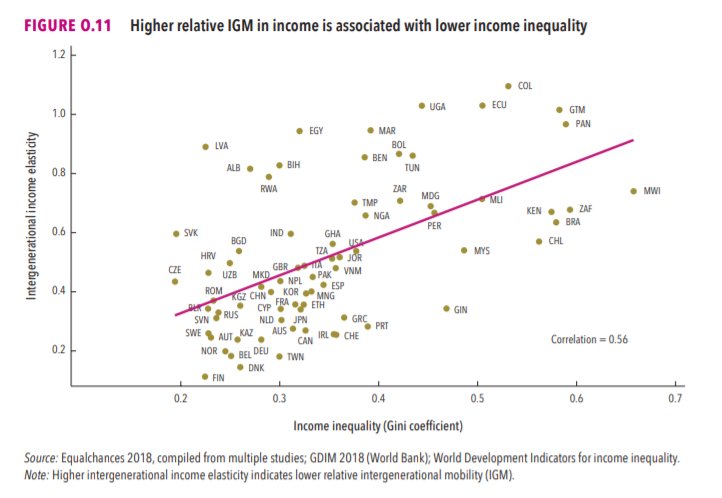
3/The World Bank report has a graph in which it appears to show the same value for China's Gini - under 0.3.
The graph cites the World Development Indicators as its source for the income inequality data.
4/The World Development Indicators are available at the World Bank's website.
Here's the Gini index: https://t.co/MvylQzpX6A
It looks as if the latest estimate for China's Gini is 42.2.
That estimate is from 2012.
5/A Gini of 42.2 would put China in the same neighborhood as the U.S., whose Gini was estimated at 41 in 2013.
I can't find the <30 number anywhere. The only other estimate in the tables for China is from 2008, when it was estimated at 42.8.
This New York Times feature shows China with a Gini Index of less than 30, which would make it more equal than Canada, France, or the Netherlands. https://t.co/g3Sv6DZTDE
That's weird. Income inequality in China is legendary.
Let's check this number.
2/The New York Times cites the World Bank's recent report, "Fair Progress? Economic Mobility across Generations Around the World".
The report is available here:
3/The World Bank report has a graph in which it appears to show the same value for China's Gini - under 0.3.
The graph cites the World Development Indicators as its source for the income inequality data.
4/The World Development Indicators are available at the World Bank's website.
Here's the Gini index: https://t.co/MvylQzpX6A
It looks as if the latest estimate for China's Gini is 42.2.
That estimate is from 2012.
5/A Gini of 42.2 would put China in the same neighborhood as the U.S., whose Gini was estimated at 41 in 2013.
I can't find the <30 number anywhere. The only other estimate in the tables for China is from 2008, when it was estimated at 42.8.

