
Went to make coffee. Opened fridge to get milk. Now...I was a refrigeration engineer, I had my own domestic appliance business, and I've seen things that would make your hair curl, but...the scene I was greeted by was frankly fucking horrific... 1/?
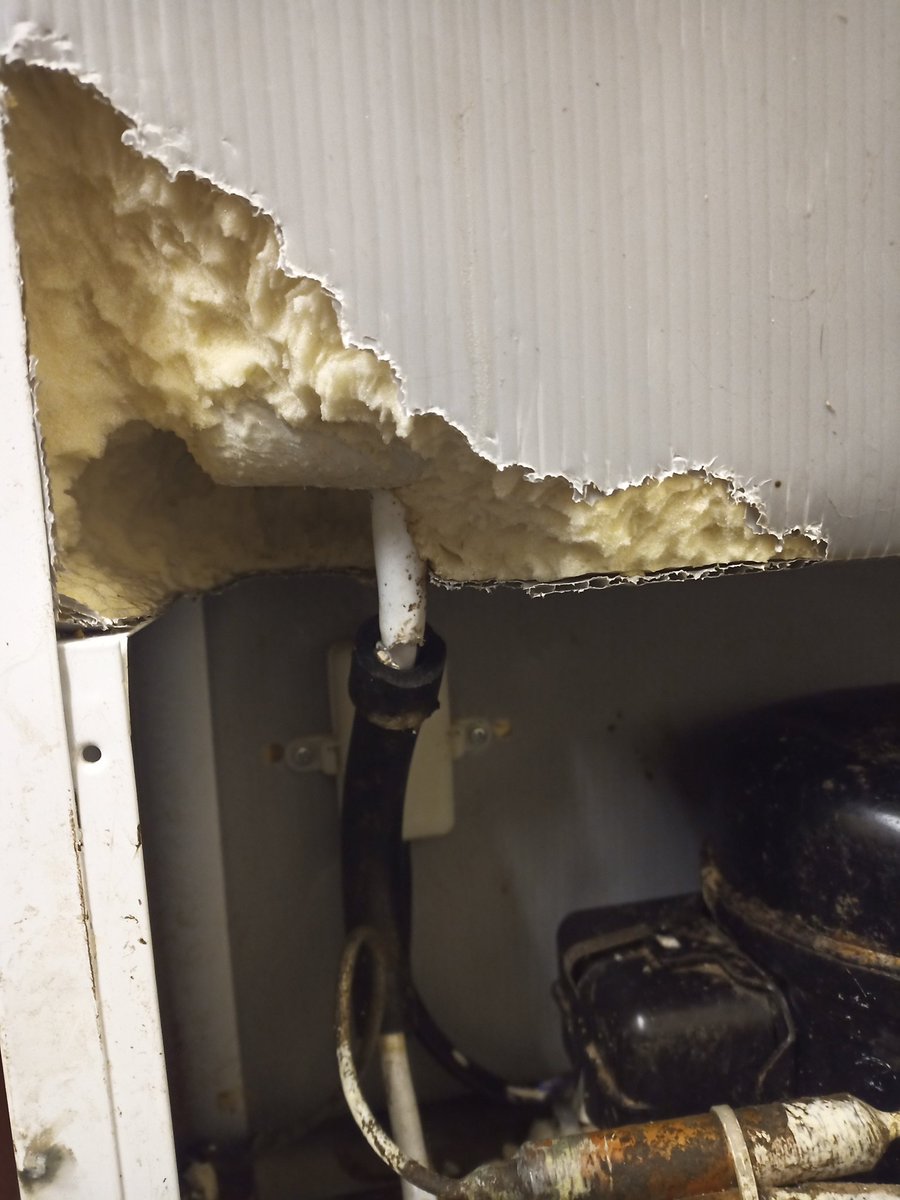
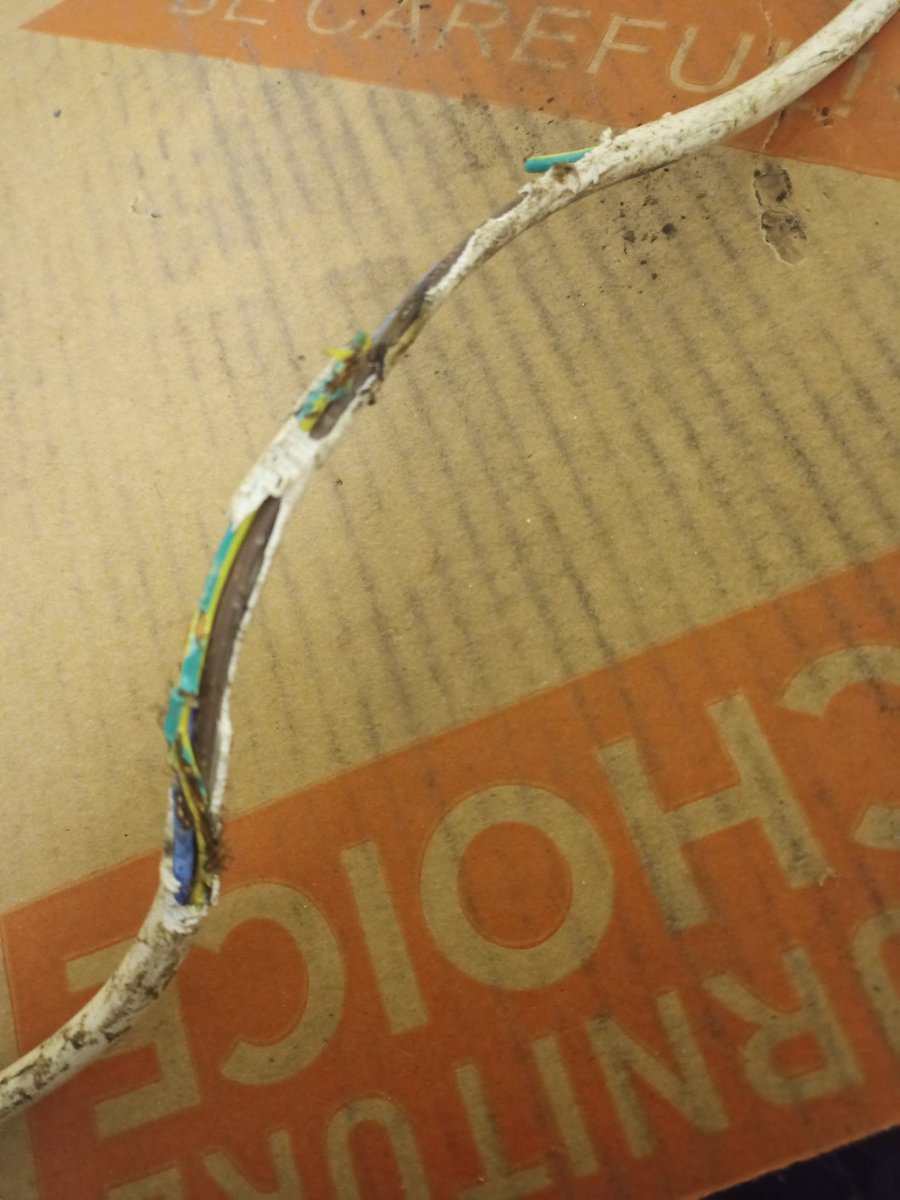
It must have been quite chilly beavering (literally) away in the there, so , the little fuckers, not being blessed with opposable thumbs that would enable them to turn the fridge off at the stat, came up with a plan...9/?


More from Business



The Mother of All Squeezes
How Volkswagen went from being on the brink of bankruptcy to the most valuable company in the world in two days
/THREAD/
1/ At the peak of the 2008 financial crisis, Volkswagen was considered a very likely candidate for bankruptcy.
Heavily indebted and already financially struggling before 2008, with car sales expected to plummet due to the ongoing global crisis.
2/ With GM and Chrysler filing for bankruptcy in 2009, shorting the VW stock would seem a safe bet.
If you are not familiar with stock shorts and short squeezes check my thread
3/ On October 26, 2008, Porsche announced it had increased its stake at VW from 30% to 74%.
This was a surprise to many who were led to believe that Porsche wasn't planning a takeover of VW, based on the company's announcements.
4/ Before the announcement, the short interest was approximately 13% of the outstanding shares, a number considered relatively low.
Porsche had a 30% stake, the Lower Saxony government fund held 20% of the shares, and another 5% was held by index funds.
How Volkswagen went from being on the brink of bankruptcy to the most valuable company in the world in two days
/THREAD/
1/ At the peak of the 2008 financial crisis, Volkswagen was considered a very likely candidate for bankruptcy.
Heavily indebted and already financially struggling before 2008, with car sales expected to plummet due to the ongoing global crisis.
2/ With GM and Chrysler filing for bankruptcy in 2009, shorting the VW stock would seem a safe bet.
If you are not familiar with stock shorts and short squeezes check my thread
Shorts, Squeezes, and Betting Against Stocks
— Kostas on FIRE \U0001f525 (@itsKostasOnFIRE) January 27, 2021
What is short selling, how is it used and why is it risky?
/THREAD/ pic.twitter.com/PyDd208hFe
3/ On October 26, 2008, Porsche announced it had increased its stake at VW from 30% to 74%.
This was a surprise to many who were led to believe that Porsche wasn't planning a takeover of VW, based on the company's announcements.
4/ Before the announcement, the short interest was approximately 13% of the outstanding shares, a number considered relatively low.
Porsche had a 30% stake, the Lower Saxony government fund held 20% of the shares, and another 5% was held by index funds.




You May Also Like




Krugman is, of course, right about this. BUT, note that universities can do a lot to revitalize declining and rural regions.
See this thing that @lymanstoneky wrote:
And see this thing that I wrote:
And see this book that @JamesFallows wrote:
And see this other thing that I wrote:
One thing I've been noticing about responses to today's column is that many people still don't get how strong the forces behind regional divergence are, and how hard to reverse 1/ https://t.co/Ft2aH1NcQt
— Paul Krugman (@paulkrugman) November 20, 2018
See this thing that @lymanstoneky wrote:
And see this thing that I wrote:
And see this book that @JamesFallows wrote:
And see this other thing that I wrote: