So now it really is goodbye, and it hurts. On a storm-filled Sunday, here's a thread (OK ! my 3rd in 8 years !) on why Brexit has affected so many of our lives - yours, I’m sure, if you follow me - and the only one I can really talk about with any expertise – my own /1
More from Brexit

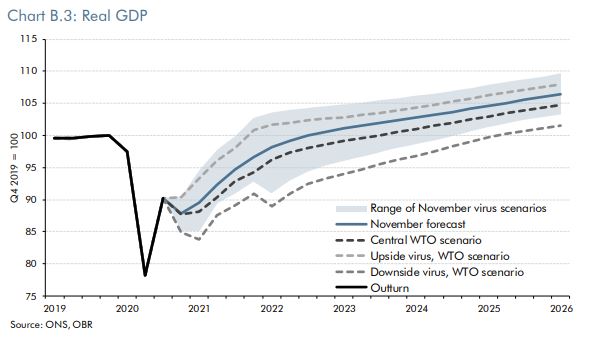
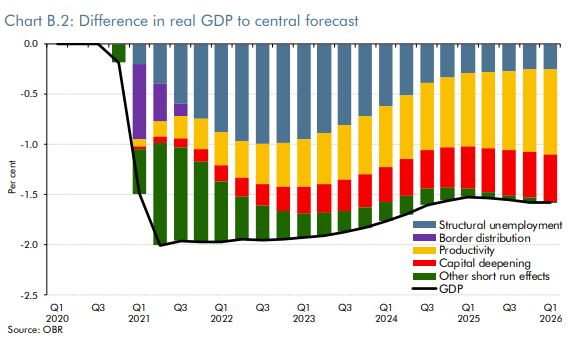
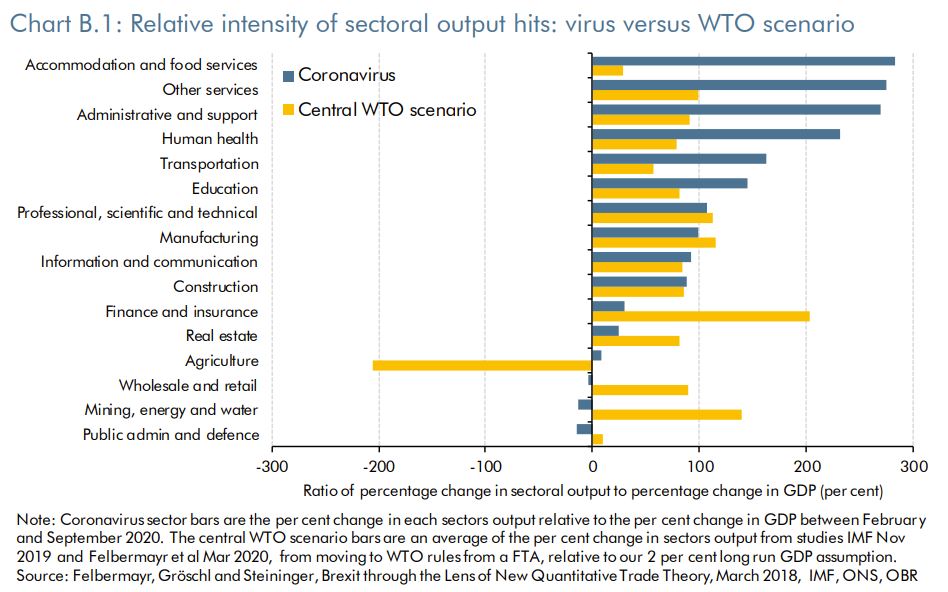


Another head-banging day for the £112bn UK creative sector that is starting to ingest how difficult #Brexit is going to make their lives - and how little the government is really willing to do to fix the lack of a 'mobility' chapter in the EU-UK trade deal. Quick update.../1
First Equity @EquityUK put out a letter to @BorisJohnson warning that #brexit was a "towering hurdle" (you'd want Brian Blessed reading that part) to UK actors plying their trade in EU - a double whammy with #COVID19 /2
https://t.co/mXjTAISqZk
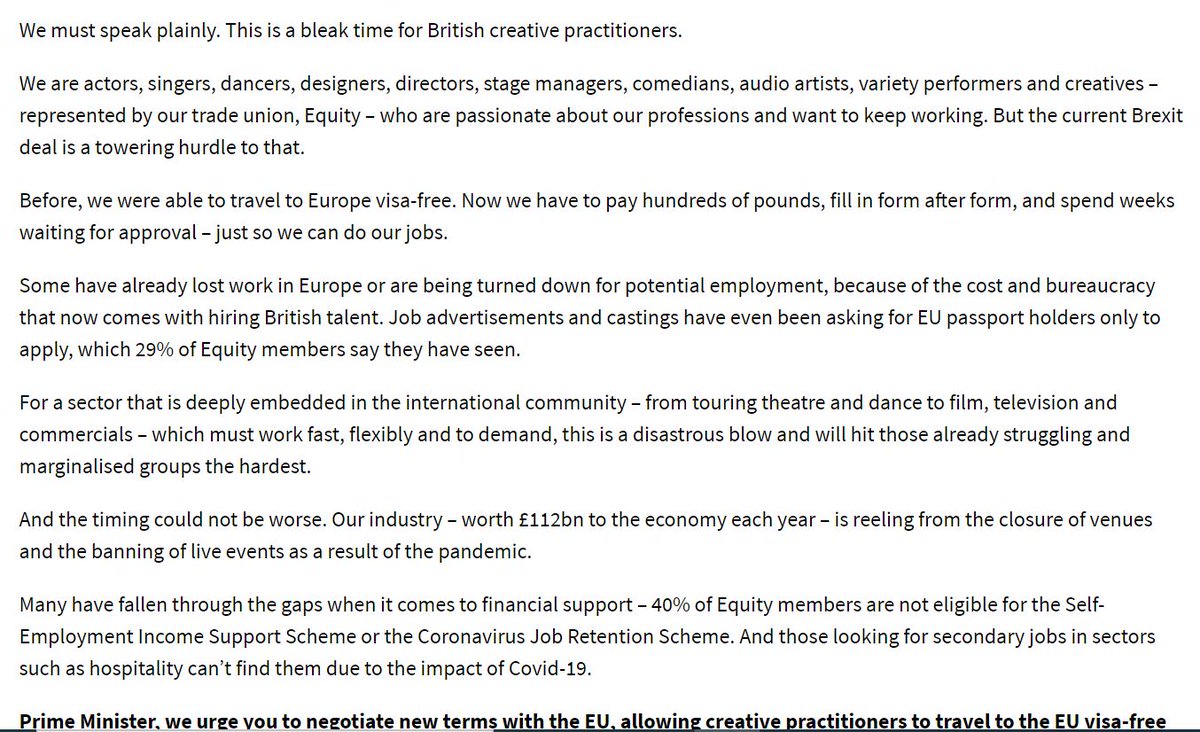
@BorisJohnson One third of Equity members say they've seen job ads asking for EU passport holders: "Before, we were able to travel to Europe visa-free. Now we have to pay hundreds of pounds, fill in form after form, and spend weeks waiting for approval" /3
@BorisJohnson Worth recalling that all this goes back to the UK desire NOT to have a 'mobility' provision within the TCA - all part of 'ending Free Movement' and the professional services folk - including musicians, actors, fashion models etc -are all victim of
@BorisJohnson What's the government going to do about all this? Good question, which brings us to todays @CommonsDCMS hearing in which the Culture Minister Caroline Dinenage @cj_dinenage frankly pin-balled around the issues /5
First Equity @EquityUK put out a letter to @BorisJohnson warning that #brexit was a "towering hurdle" (you'd want Brian Blessed reading that part) to UK actors plying their trade in EU - a double whammy with #COVID19 /2
https://t.co/mXjTAISqZk
@BorisJohnson One third of Equity members say they've seen job ads asking for EU passport holders: "Before, we were able to travel to Europe visa-free. Now we have to pay hundreds of pounds, fill in form after form, and spend weeks waiting for approval" /3
@BorisJohnson Worth recalling that all this goes back to the UK desire NOT to have a 'mobility' provision within the TCA - all part of 'ending Free Movement' and the professional services folk - including musicians, actors, fashion models etc -are all victim of
@BorisJohnson What's the government going to do about all this? Good question, which brings us to todays @CommonsDCMS hearing in which the Culture Minister Caroline Dinenage @cj_dinenage frankly pin-balled around the issues /5