12 Top Lessons From "Deep Work"
A Book by #CalNewport

📙Book Summary (THREAD)

1. Deep Work

This is similar to the "flow" state that many psychologists references.

Newport defines deep work as, "the professional activities performed in a state of distraction-free concentration that pushes your cognitive capabilities to their limit".

Deep vs. Shallow:
2. Only Four Hours

Newport states that you can only do about four hours of deep work every day.

This isn’t a matter of concentration or practice; it’s a matter of human biology and psychology.

Think of your mind as a muscle. You can Stretch it to the theoretical 4 hour limit.
3. Deep Workers Win

Deep work consistently provides better results & a more excellent portfolio of work than traditional labor and strategies.

Emphasizing deep work and doing all you can to make this time as productive as possible will yield fantastic dividends in the long run
4. The Maker is Becoming More Important

Newport suggests that culture is shifting to celebrate the "maker" or the deep thinker.

This trend is most visible within pop-culture and content creation as people find their unique voices and reach wider audiences.
5. Uninterrupted Time is Necessary

In order to perform any time span of deep work, you must have a stretch of uninterrupted time.

It’s virtually impossible to engage your brain in deep work if you are constantly interrupted.
6. Practice Makes Perfect

Like with virtually all skills and habits, the more you engage in deep work, the easier it will be and the longer your sessions will last.
7. Focus on Progress, Not Outcome

Many people focus on the bottom line or end result of their effort. This can stifle the act of creation and ruin your motivation.

Instead, Newport advises focusing on the progress you make or the actual process of creation itself.
8. Four Strategies for Managing Willpower

Newport understands that managing your willpower is incredibly difficult, so he has four strategies you can use to open yourself to deep work:

1⃣Get rid of easy distractions
2⃣Bimodal Behavior
3⃣Rhythmic Behavior
4⃣Journalistic Behavior
9. Get Rid of Easy Distractions

The first is to give up your email and other easy distractions that tear your attention away from your task or objective, at least while you’re working.
10. Bimodal Behavior

This doesn’t necessarily refer to a sleep schedule. Instead, Newport recommends that you should schedule regular retreats or periods of intense concentration and isolation to create opportunities for deep work.
11. Rhythmic Behavior

Newport also suggests that you adopt a rhythmic lifestyle, at least in relation to your artistic endeavors.

Make sure that you follow a habit that is consistent, and which allows you to perfect your artistic techniques rhythmically.
12. Journalistic Behavior

Finally, don’t be afraid to utilize so-called “journalistic” behavior, which is best summarized as “jumping in whenever you can”.

Make peace with the fact that you may need to take advantage of any downtime you have and use it for deep work.
You can't improve if you don't know what you're doing wrong.

Get your copy Here:👇

https://t.co/pq8OVWMXlG

More from Deep Develop 🧬

More from Books

You May Also Like

đŸŒżđ‘»đ’‰đ’† 𝒔𝒕𝒐𝒓𝒚 𝒐𝒇 𝒂 đ‘ș𝒕𝒂𝒓 : đ‘«đ’‰đ’“đ’–đ’—đ’‚ & đ‘œđ’Šđ’”đ’‰đ’đ’–

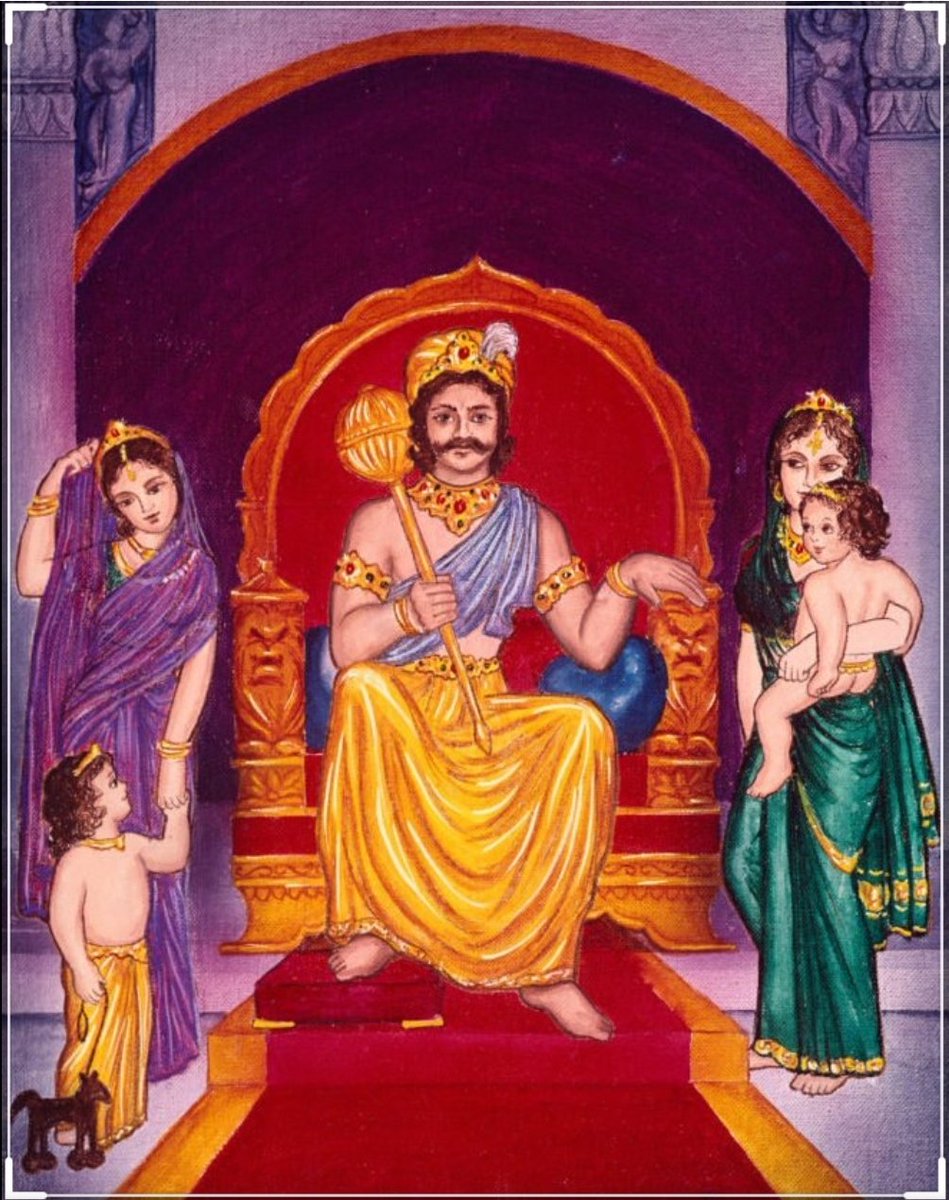
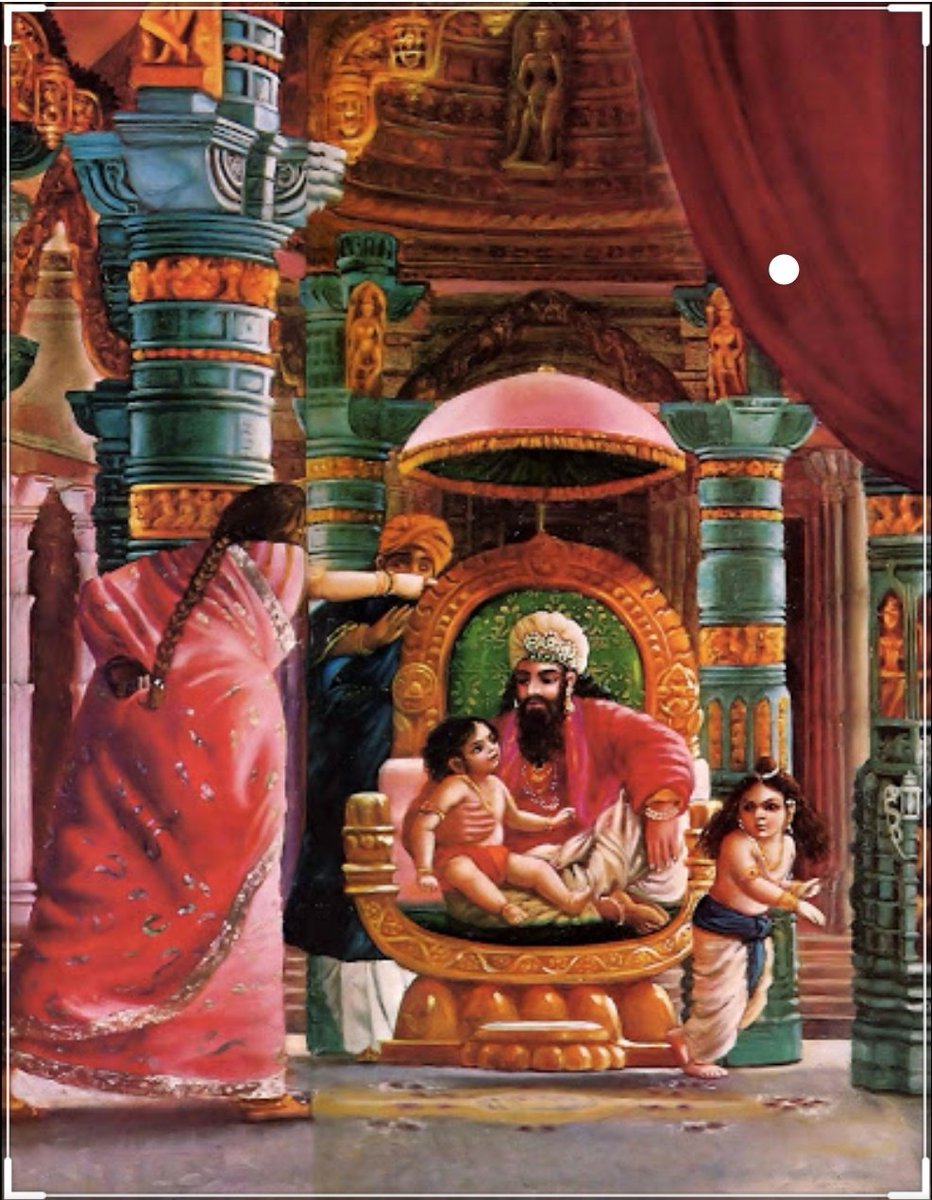
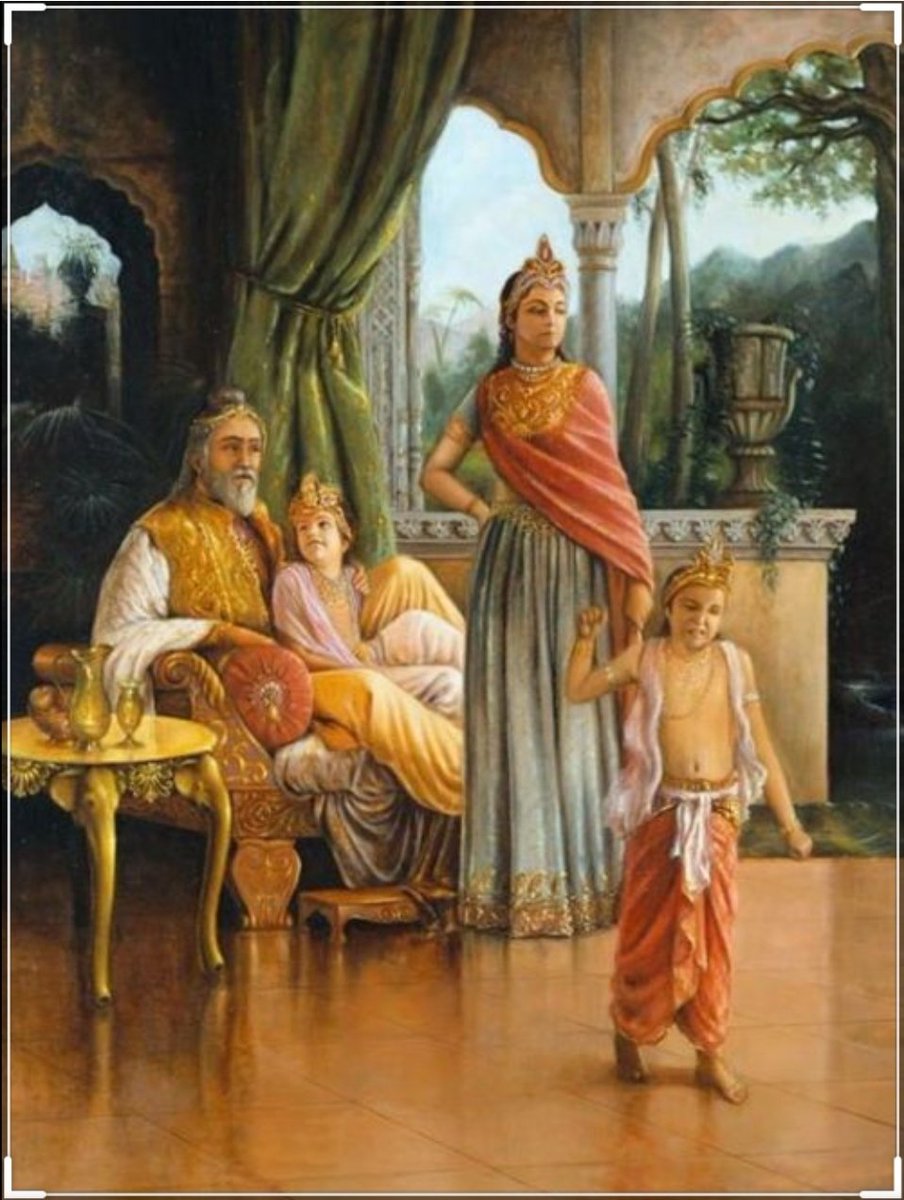
Once upon a time there was a Raja named Uttānapāda born of Svayambhuva Manu,1st man on earth.He had 2 beautiful wives - Suniti & Suruchi & two sons were born of them Dhruva & Uttama respectively.
#talesofkrishna https://t.co/E85MTPkF9W


Now Suniti was the daughter of a tribal chief while Suruchi was the daughter of a rich king. Hence Suruchi was always favored the most by Raja while Suniti was ignored. But while Suniti was gentle & kind hearted by nature Suruchi was venomous inside.
#KrishnaLeela


The story is of a time when ideally the eldest son of the king becomes the heir to the throne. Hence the sinhasan of the Raja belonged to Dhruva.This is why Suruchi who was the 2nd wife nourished poison in her heart for Dhruva as she knew her son will never get the throne.


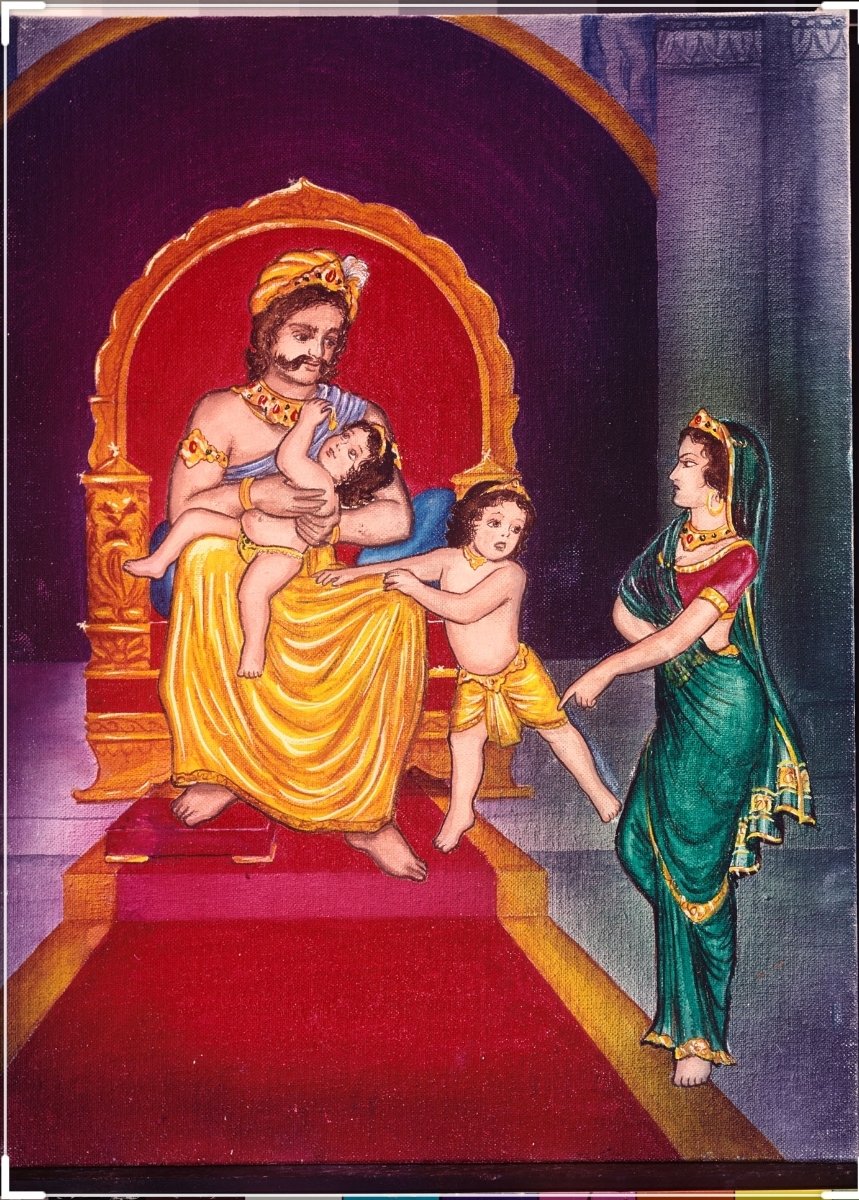
One day when Dhruva was just 5 years old he went on to sit on his father's lap. Suruchi, the jealous queen, got enraged and shoved him away from Raja as she never wanted Raja to shower Dhruva with his fatherly affection.


Dhruva protested questioning his step mother "why can't i sit on my own father's lap?" A furious Suruchi berated him saying "only God can allow him that privilege. Go ask him"