I am reading seed catalogs in the morning sun. A thread. 🌻🥦🌽🍅🍆🥔🥒
More from Book

Another thread on Whittle as a companion to this thread.
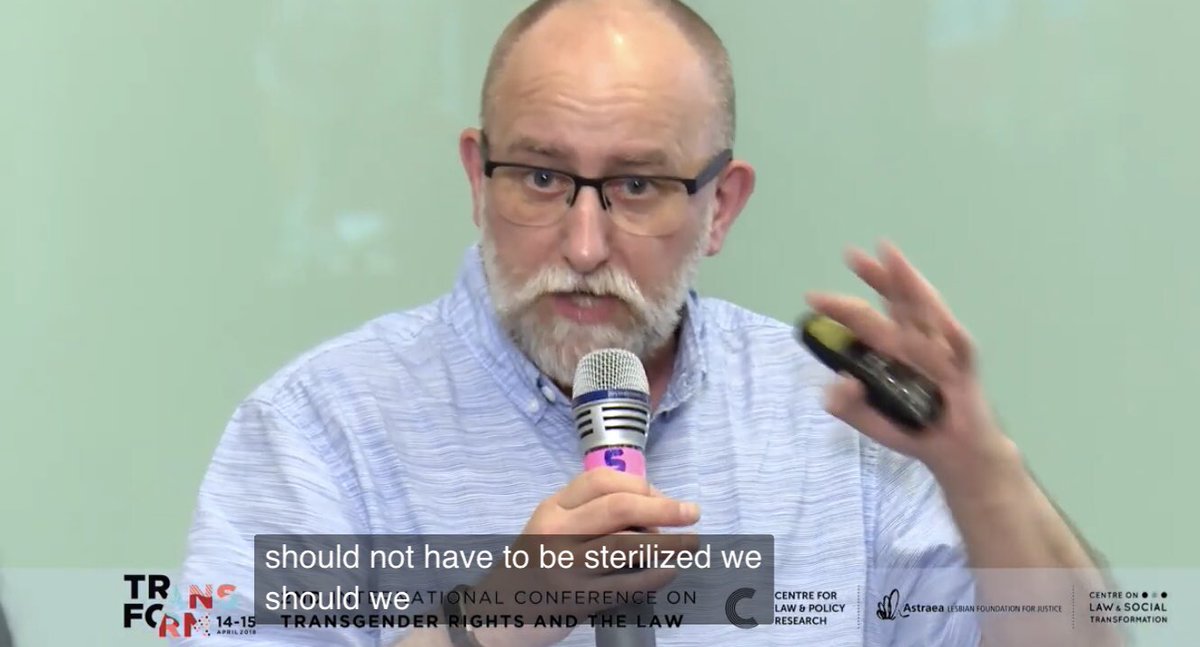
Here Stephen makes an impassioned plea for the rights of trans people not to be sterilised. I agree. Does Stephen know that we are now, effectively, sterilising “transkids”? Is Stephen speaking out about this?
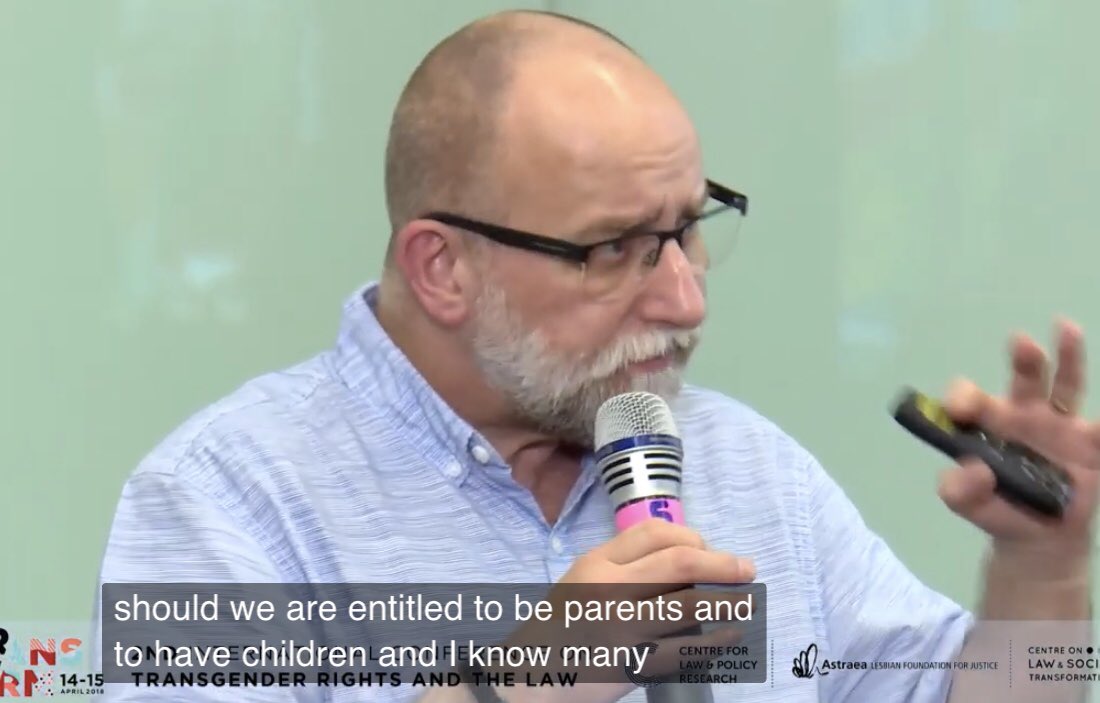
Yes. I agree you have the right to be parents. You know many “transmen” who have given birth. What will happen to the kids put on #PubertyBlockers followed by Cross-sex hormones?
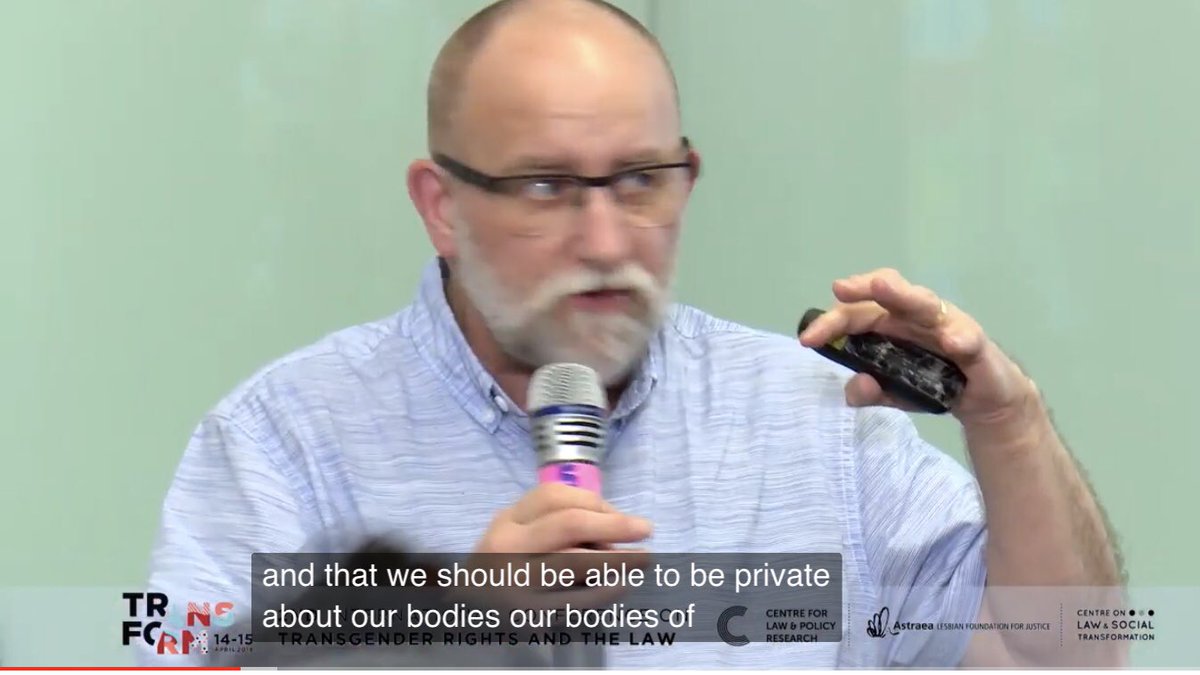
Makes a clear statement activists did not want to campaign on “surgical status”. #LeaveNoOneBehind. Also that they have the right to bodily privacy,
Just trans folks? Do women have the right to bodily privacy?
Is this what passing looks like? Ignoring women?
Congratulations
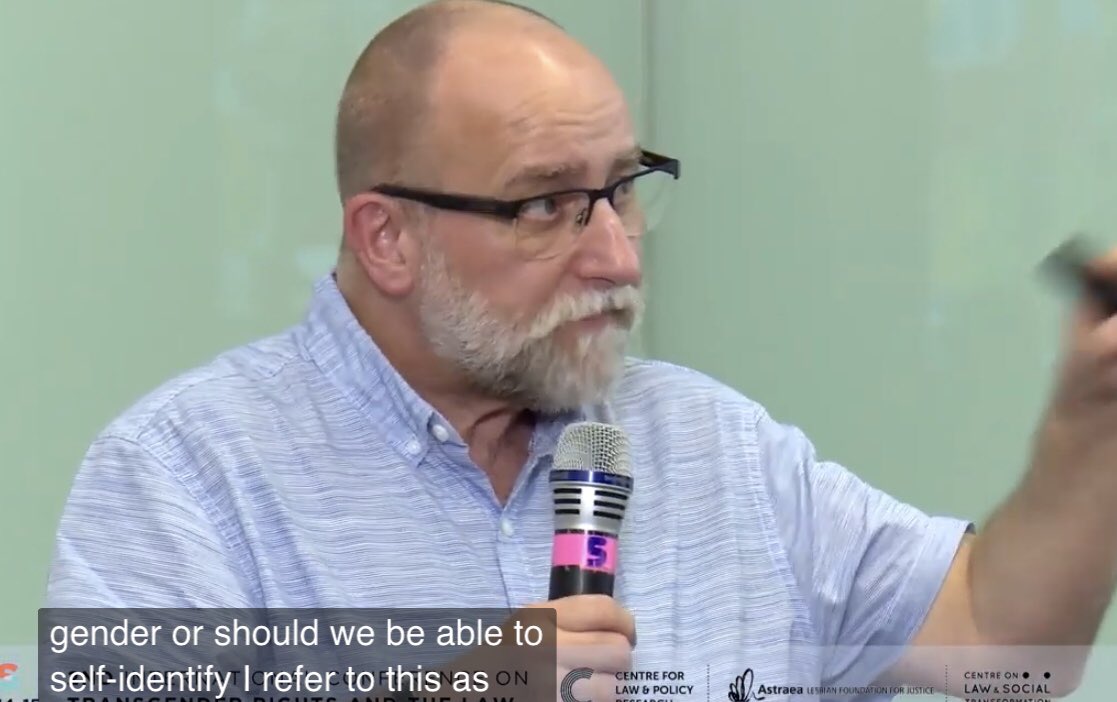
An impassioned defence of the campaign for Self-Identification. Make no mistake this was a demand that women accept male-bodied women in single sex spaces. That was significant over-reach and a massive blunder. Women only spaces, regardless of surgery, is my stance now.
So I am in the middle of a document co-authored by Stephen Whittle. I took a little detour to have a look at Whittle on YouTube.
— Patrick\U0001f578 (@STILLTish) December 9, 2020
Here are a few clips. This one surprised me. Whittle recalls being heckled by Butch Lesbians and is asked about their role. pic.twitter.com/OWFd0kNDei
Here Stephen makes an impassioned plea for the rights of trans people not to be sterilised. I agree. Does Stephen know that we are now, effectively, sterilising “transkids”? Is Stephen speaking out about this?
Yes. I agree you have the right to be parents. You know many “transmen” who have given birth. What will happen to the kids put on #PubertyBlockers followed by Cross-sex hormones?
Makes a clear statement activists did not want to campaign on “surgical status”. #LeaveNoOneBehind. Also that they have the right to bodily privacy,
Just trans folks? Do women have the right to bodily privacy?
Is this what passing looks like? Ignoring women?
Congratulations
An impassioned defence of the campaign for Self-Identification. Make no mistake this was a demand that women accept male-bodied women in single sex spaces. That was significant over-reach and a massive blunder. Women only spaces, regardless of surgery, is my stance now.