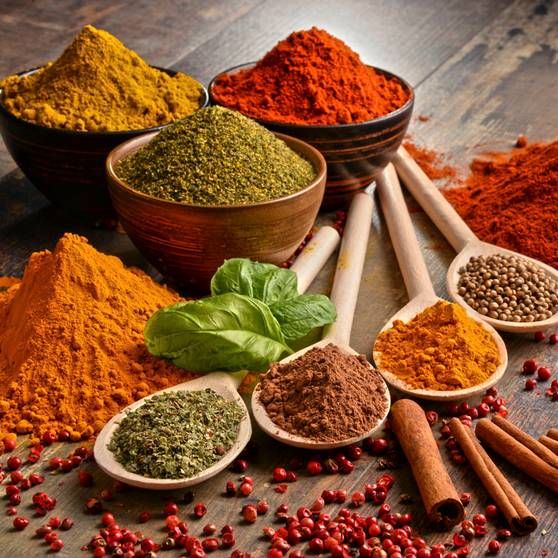
Western people called India as land of spices.
We have been using lot of herbs in our vegetables and dishes.
But was that only because we love the taste of Spices?
A big NO.


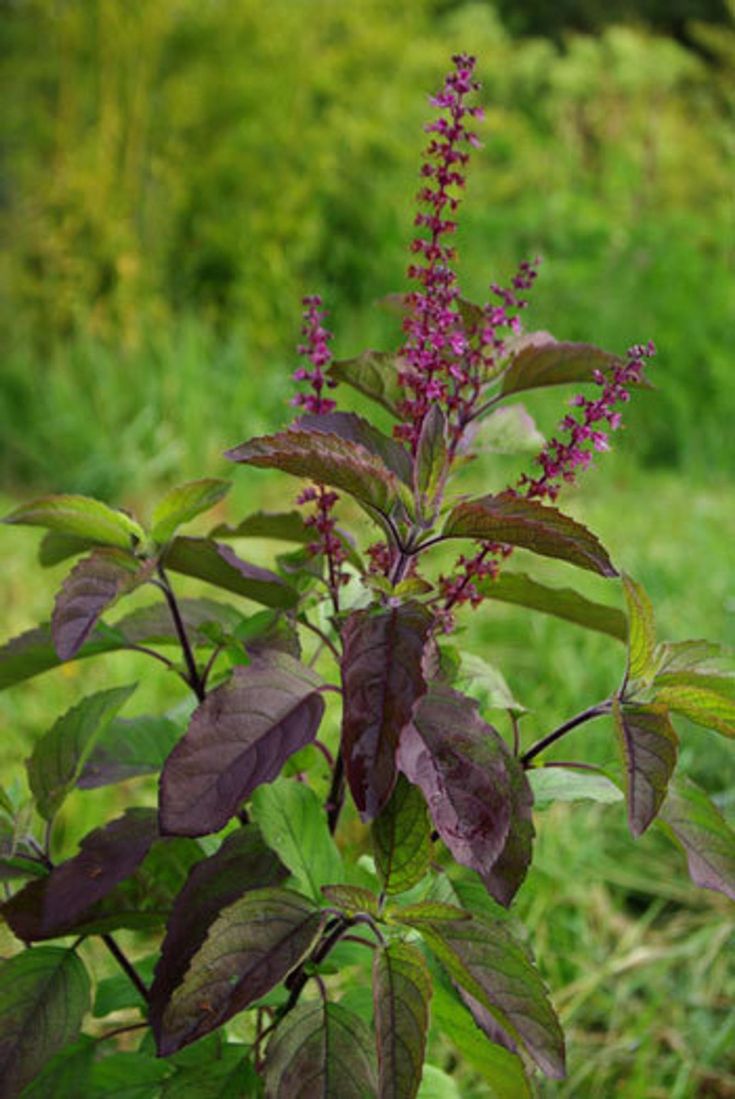
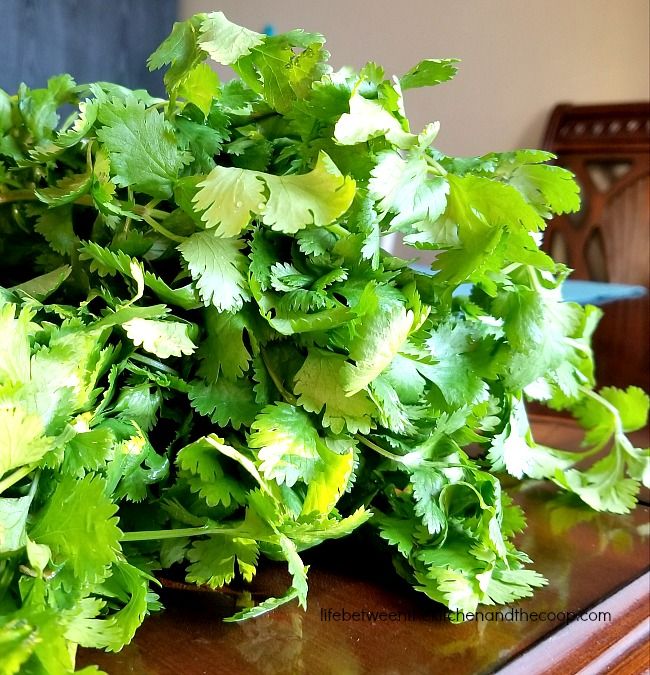

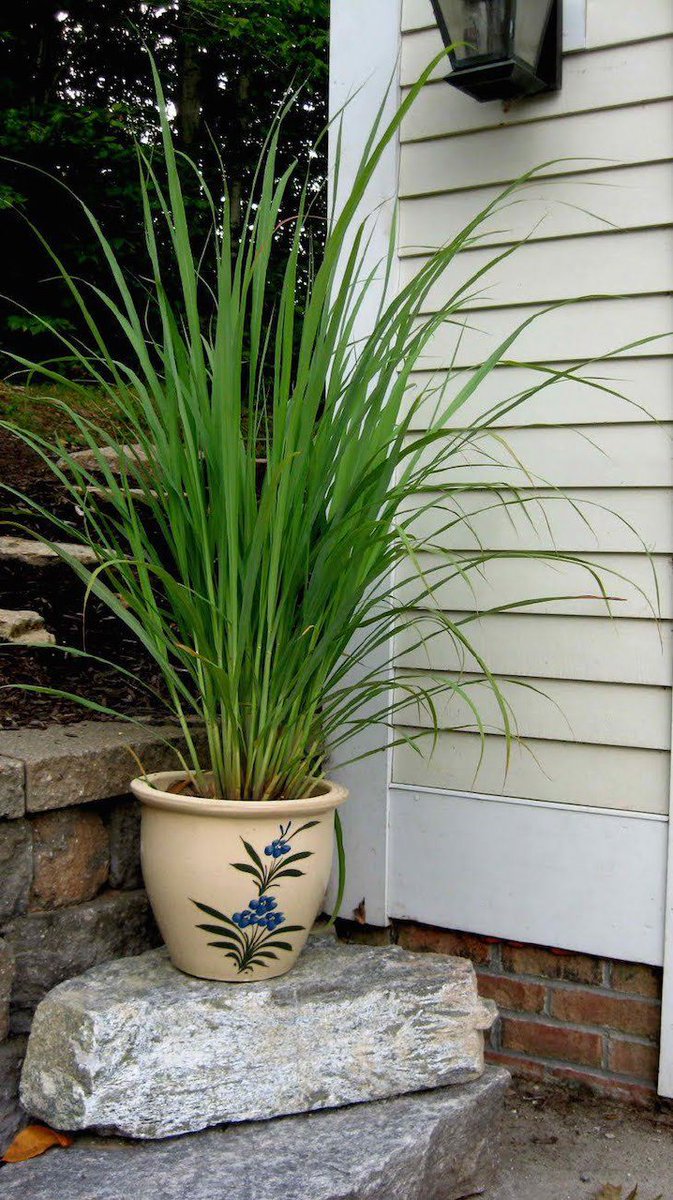
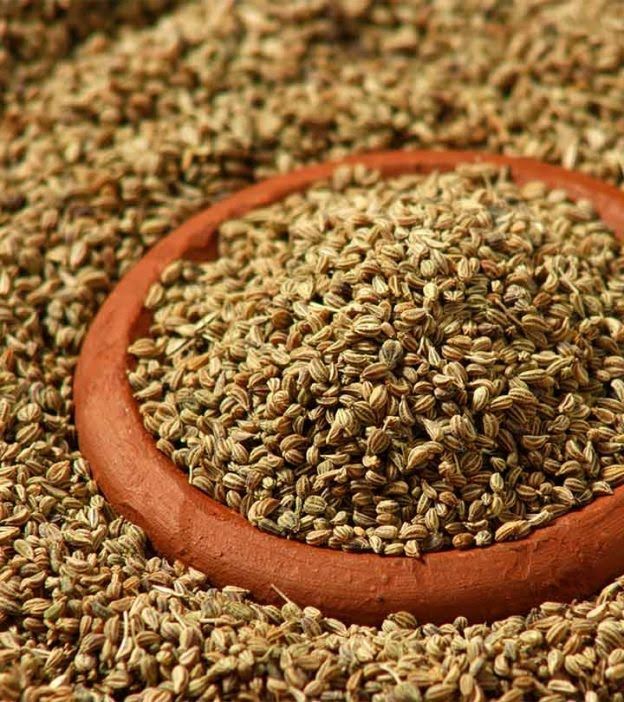
7- haldi
https://t.co/mmDXGq6H4i
To be continue
Benifts of turmeric
— \U0001f1ee\U0001f1f3Sonal \U0001f1ee\U0001f1f3 (@Dharma_Ramani) May 12, 2020
1- Turmeric is good blood purifier.
2- Turmeric increases the antioxidant capacity of the body.
3- Turmeric should lower your risk of heart diseases.
4- Turmeric helps prevent gas/ bloating. pic.twitter.com/Cm075Xp4jb
https://t.co/zbNd6ue0AW
\u092a\u0936\u094d\u091a\u093f\u092e\u0940 \u0932\u094b\u0917\u094b\u0902 \u0928\u0947 \u092d\u093e\u0930\u0924 \u0915\u094b \u092e\u0938\u093e\u0932\u094b\u0902 \u0915\u0940 \u092d\u0942\u092e\u093f \u0915\u0939\u093e\u0964
— \u092a\u0902\u0921\u093f\u0924 \u0935\u093f\u0936\u093e\u0932 \u0936\u094d\u0930\u094b\u0924\u094d\u0930\u093f\u092f (@VishalS50533075) December 26, 2020
\u0939\u092e \u0905\u092a\u0928\u0940 \u0938\u092c\u094d\u091c\u093f\u092f\u094b\u0902 \u0914\u0930 \u0935\u094d\u092f\u0902\u091c\u0928\u094b\u0902 \u092e\u0947\u0902 \u092c\u0939\u0941\u0924 \u0938\u0940 \u091c\u0921\u093c\u0940-\u092c\u0942\u091f\u093f\u092f\u094b\u0902 \u0915\u093e \u0909\u092a\u092f\u094b\u0917 \u0915\u0930\u0924\u0947 \u0930\u0939\u0947 \u0939\u0948\u0902\u0964
\u0932\u0947\u0915\u093f\u0928 \u0915\u094d\u092f\u093e \u0915\u0947\u0935\u0932 \u0907\u0938\u0932\u093f\u090f \u0915\u093f \u0939\u092e \u092e\u0938\u093e\u0932\u094b\u0902 \u0915\u093e \u0938\u094d\u0935\u093e\u0926 \u092a\u0938\u0902\u0926 \u0915\u0930\u0924\u0947 \u0939\u0948\u0902? pic.twitter.com/GAAVDfZup8
More from 🇮🇳Sonal 🇮🇳







More from All











You May Also Like


I just finished Eric Adler's The Battle of the Classics, and wanted to say something about Joel Christiansen's review linked below. I am not sure what motivates the review (I speculate a bit below), but it gives a very misleading impression of the book. 1/x
The meat of the criticism is that the history Adler gives is insufficiently critical. Adler describes a few figures who had a great influence on how the modern US university was formed. It's certainly critical: it focuses on the social Darwinism of these figures. 2/x
Other insinuations and suggestions in the review seem wildly off the mark, distorted, or inappropriate-- for example, that the book is clickbaity (it is scholarly) or conservative (hardly) or connected to the events at the Capitol (give me a break). 3/x
The core question: in what sense is classics inherently racist? Classics is old. On Adler's account, it begins in ancient Rome and is revived in the Renaissance. Slavery (Christiansen's primary concern) is also very old. Let's say classics is an education for slaveowners. 4/x
It's worth remembering that literacy itself is elite throughout most of this history. Literacy is, then, also the education of slaveowners. We can honor oral and musical traditions without denying that literacy is, generally, good. 5/x
As someone\u2019s who\u2019s read the book, this review strikes me as tremendously unfair. It mostly faults Adler for not writing the book the reviewer wishes he had! https://t.co/pqpt5Ziivj
— Teresa M. Bejan (@tmbejan) January 12, 2021
The meat of the criticism is that the history Adler gives is insufficiently critical. Adler describes a few figures who had a great influence on how the modern US university was formed. It's certainly critical: it focuses on the social Darwinism of these figures. 2/x
Other insinuations and suggestions in the review seem wildly off the mark, distorted, or inappropriate-- for example, that the book is clickbaity (it is scholarly) or conservative (hardly) or connected to the events at the Capitol (give me a break). 3/x
The core question: in what sense is classics inherently racist? Classics is old. On Adler's account, it begins in ancient Rome and is revived in the Renaissance. Slavery (Christiansen's primary concern) is also very old. Let's say classics is an education for slaveowners. 4/x
It's worth remembering that literacy itself is elite throughout most of this history. Literacy is, then, also the education of slaveowners. We can honor oral and musical traditions without denying that literacy is, generally, good. 5/x

https://t.co/6cRR2B3jBE
Viruses and other pathogens are often studied as stand-alone entities, despite that, in nature, they mostly live in multispecies associations called biofilms—both externally and within the host.
https://t.co/FBfXhUrH5d

Microorganisms in biofilms are enclosed by an extracellular matrix that confers protection and improves survival. Previous studies have shown that viruses can secondarily colonize preexisting biofilms, and viral biofilms have also been described.

...we raise the perspective that CoVs can persistently infect bats due to their association with biofilm structures. This phenomenon potentially provides an optimal environment for nonpathogenic & well-adapted viruses to interact with the host, as well as for viral recombination.

Biofilms can also enhance virion viability in extracellular environments, such as on fomites and in aquatic sediments, allowing viral persistence and dissemination.

Viruses and other pathogens are often studied as stand-alone entities, despite that, in nature, they mostly live in multispecies associations called biofilms—both externally and within the host.
https://t.co/FBfXhUrH5d
Microorganisms in biofilms are enclosed by an extracellular matrix that confers protection and improves survival. Previous studies have shown that viruses can secondarily colonize preexisting biofilms, and viral biofilms have also been described.
...we raise the perspective that CoVs can persistently infect bats due to their association with biofilm structures. This phenomenon potentially provides an optimal environment for nonpathogenic & well-adapted viruses to interact with the host, as well as for viral recombination.
Biofilms can also enhance virion viability in extracellular environments, such as on fomites and in aquatic sediments, allowing viral persistence and dissemination.