Jim Collins coached Jeff Bezos and Amazon.

He estimates that only 3% of the world has figured out their “Ikagai” or “Hedgehog”.

Here’s what they are and how you find yours:

Most people don’t get clear about their purpose because they suck at asking for help.

I know because I did too.

Articulating your “reason for being” isn’t to be done alone.

Most of us need some structure & help from others.

Let’s get into it.
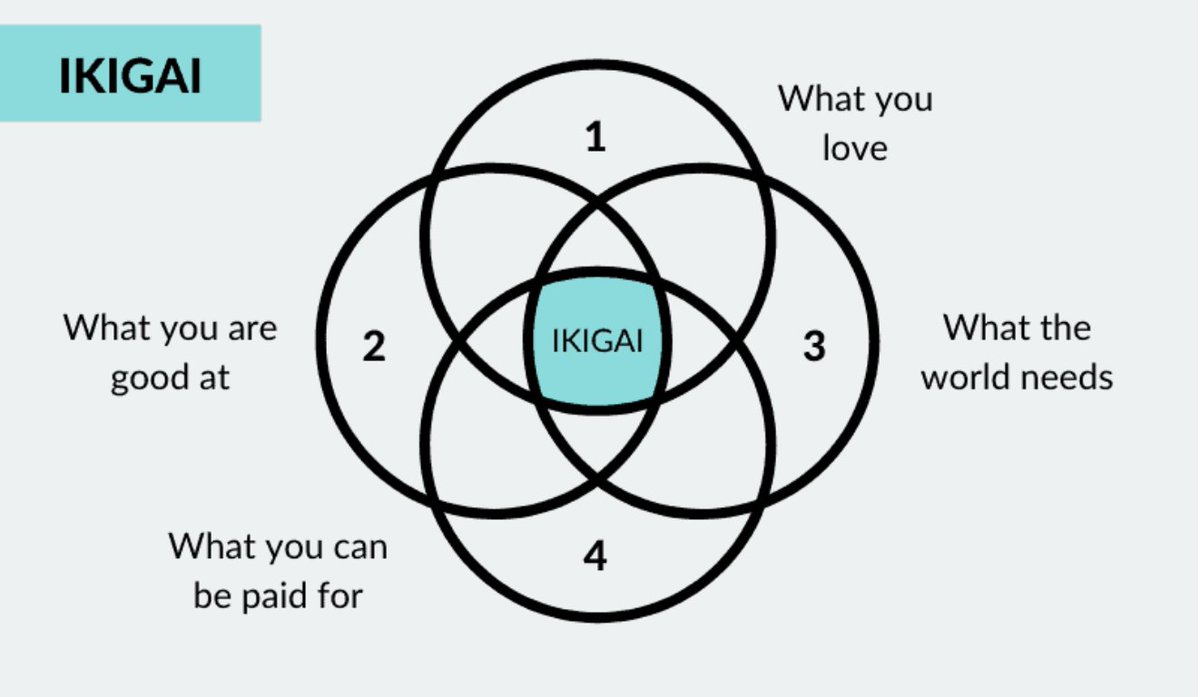
The Japanese term “Ikigai” or "reason for being" is the intersection of:

1. That which you love
2. That which you are good at
3. That which the world needs
4. That which you can be paid for
The Hedgehog is from researcher and business author Jim Collins and is the intersection of:

1. What you are deeply passionate about
2. What you are encoded for
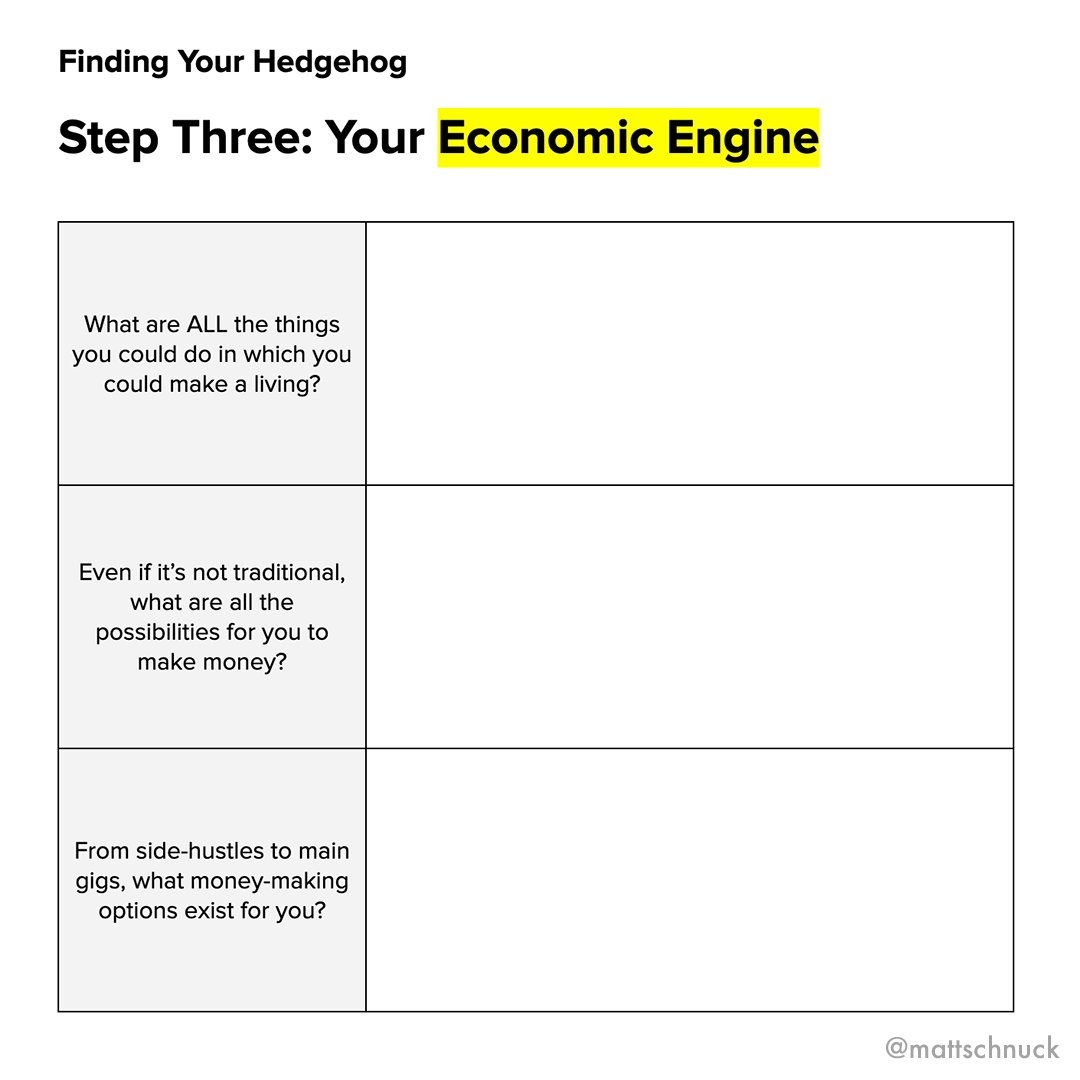
3. What drives your economic engine
After decades of research, Jim found that MAYBE 3% of people take the time to define this for themselves, whether they use Ikigai, Hedgehog or some other framework.

From my experience coaching entrepreneurs, I’d say 3% is a generous estimate.
The best leaders in the world are excellent at distilling the complexity of their life or business into a simple hedgehog concept.

But how do you find and articulate your own personal sweet spot?
Easy - you just need 3 sheets of paper and some trusted advisors who will tell you the truth.

Let’s do a quick exercise using the Hedgehog model.
Step 1:

On the first sheet of paper, explore your passion.
Step 2:

On the second sheet of paper, reflect on your energy and results as you work. Explore what you are encoded for.
🚨ALERT 🚨 - there is a BIG difference between being passionate or good at something & being ENCODED for it.

Example: Collins thought he was good at math until he got to Stanford & met fellow students who were encoded for it.

He would later discover his encoding was in teaching
Step 3:

On the third sheet of paper, write all the things you can think of that would allow you to have an economic engine.
Step 4:

Give copies of these three sheets to your personal board of advisors.

These are people whom you admire & whom can provide perspective to you with brutal honesty.

Ask them: where do they see the overlaps?

What do they think is the right intersection for you?
Step 5

Edit, revise and INTEGRATE the feedback from your advisors.

Adopt the Hedgehog as your own.
Psychologist Abraham Maslow defined self-actualization as:

1. “Discovering what you are meant to do"

And

2. "Committing to the ardor of pursuing it with excellence.”

Don’t skip #1 and don’t try to do it alone.
As we start 2023, before pursuing anything with ardor...

If your direction could be more clear, run this simple exercise to bring into focus what you are meant to do.
If you enjoyed this thread:

• Follow me @mattschnuck for more threads on EQ, entrepreneurship, and growth.
• Retweet the first tweet to share with someone looking to refine their Hedgehog or Ikigai
https://t.co/GqLeaptVFi
Credit to @SlowwCo for the great images.

Please check out their work on the topic
https://t.co/0amSIdODpd

More from All

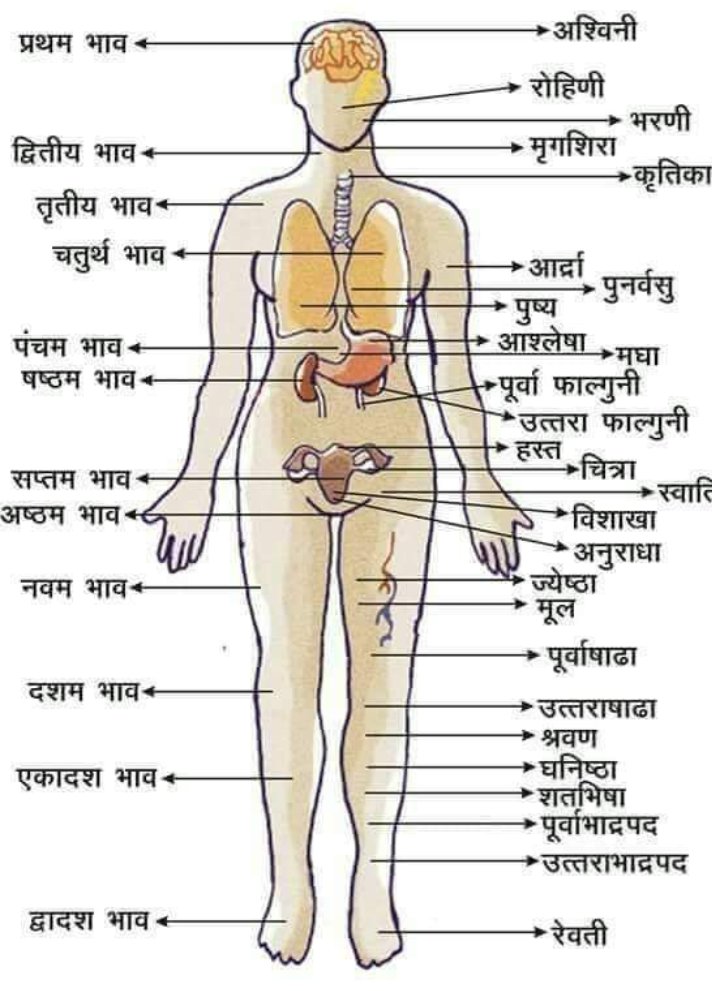
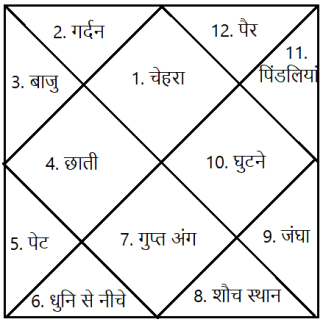
कुंडली में 12 भाव होते हैं। कैसे ज्योतिष द्वारा रोग के आंकलन करते समय कुंडली के विभिन्न भावों से गणना करते हैं आज इस पर चर्चा करेंगे।
कुण्डली को कालपुरुष की संज्ञा देकर इसमें शरीर के अंगों को स्थापित कर उनसे रोग, रोगेश, रोग को बढ़ाने घटाने वाले ग्रह


रोग की स्थिति में उत्प्रेरक का कार्य करने वाले ग्रह, आयुर्वेदिक/ऐलोपैथी/होमियोपैथी में से कौन कारगर होगा इसका आँकलन, रक्त विकार, रक्त और आपरेशन की स्थिति, कौन सा आंतरिक या बाहरी अंग प्रभावित होगा इत्यादि गणना करने में कुंडली का प्रयोग किया जाता है।


मेडिकल ज्योतिष में आज के समय में Dr. K. S. Charak का नाम निर्विवाद रूप से प्रथम स्थान रखता है। उनकी लिखी कई पुस्तकें आज इस क्षेत्र में नए ज्योतिषों का मार्गदर्शन कर रही हैं।
प्रथम भाव -
इस भाव से हम व्यक्ति की रोगप्रतिरोधक क्षमता, सिर, मष्तिस्क का विचार करते हैं।


द्वितीय भाव-
दाहिना नेत्र, मुख, वाणी, नाक, गर्दन व गले के ऊपरी भाग का विचार होता है।
तृतीय भाव-
अस्थि, गला,कान, हाथ, कंधे व छाती के आंतरिक अंगों का शुरुआती भाग इत्यादि।

चतुर्थ भाव- छाती व इसके आंतरिक अंग, जातक की मानसिक स्थिति/प्रकृति, स्तन आदि की गणना की जाती है


पंचम भाव-
जातक की बुद्धि व उसकी तीव्रता,पीठ, पसलियां,पेट, हृदय की स्थिति आंकलन में प्रयोग होता है।

षष्ठ भाव-
रोग भाव कहा जाता है। कुंडली मे इसके तत्कालिक भाव स्वामी, कालपुरुष कुंडली के स्वामी, दृष्टि संबंध, रोगेश की स्थिति, रोगेश के नक्षत्र औऱ रोगेश व भाव की डिग्री इत्यादि।

You May Also Like

I’m torn on how to approach the idea of luck. I’m the first to admit that I am one of the luckiest people on the planet. To be born into a prosperous American family in 1960 with smart parents is to start life on third base. The odds against my very existence are astronomical.


I’ve always felt that the luckiest people I know had a talent for recognizing circumstances, not of their own making, that were conducive to a favorable outcome and their ability to quickly take advantage of them.

In other words, dumb luck was just that, it required no awareness on the person’s part, whereas “smart” luck involved awareness followed by action before the circumstances changed.

So, was I “lucky” to be born when I was—nothing I had any control over—and that I came of age just as huge databases and computers were advancing to the point where I could use those tools to write “What Works on Wall Street?” Absolutely.

Was I lucky to start my stock market investments near the peak of interest rates which allowed me to spend the majority of my adult life in a falling rate environment? Yup.