1. All left ideologies going back to classical liberalism itself are revolutionary and utopian at heart. The whole of the enlightenment IS the culture war writ large. Whether it is capitalism, Marxism, socialism, or fascism, they are part of the enlightenment drive for utopia.

2. This is at root the basic impulse of the enlightenment, it is even in the name itself: “the enlightenment.” It is the claim that they woke up after the “dark ages” (another enlightenment smear). They were going to overthrow hierarchy and superstition.
3. They would trust reason alone. Society would be remade along the lines of reason and science. We would free ourselves from dark ages shackles on learning, economics and politics. We would remake society, putting human dignity at the center of society.
4. There is no escaping this in our society. Even so-called “conservatives” today simply harken back to an earlier simpler liberalism. But they never stop to examine liberalism’s fundamental drive to build a society that realizes humanity’s full potential.
5. At its heart, liberalism is utopian. It has its own soteriology. It is trying to create a utopia of equality, freedom and prosperity. If now the current forms of liberalism want to devour the older, this is what revolutions do.
6. If you are at all interested in rejecting the excesses of wokism, good luck with trying to excise and cleanse it from the liberal project. If you want to get rid of wokism, you had better be prepared to reject liberalism itself and it’s whole rights based morality.
7. You will need to reject the idea that freedom is based on human autonomy and unrestricted choices. You will need to reject the money culture that has grown up around market capitalism that is built around free unrestrained choice and desire.
8. Ultimately, and this is the solution that few realize today, that when push comes to shove we have to repent of what we have allowed ourselves to become as western liberals. We need to repent of our liberalism and it’s goal to build a utopia by the power of human effort.
9. As anodyne as the liberalism of the 1700’s seems today with its emphasis on rights, the rule of law, democracy, the division of powers, etc., and as restrained as the American revolution was, the intent is still there: "We the people, in order to form a more perfect union ..."

More from All

You May Also Like

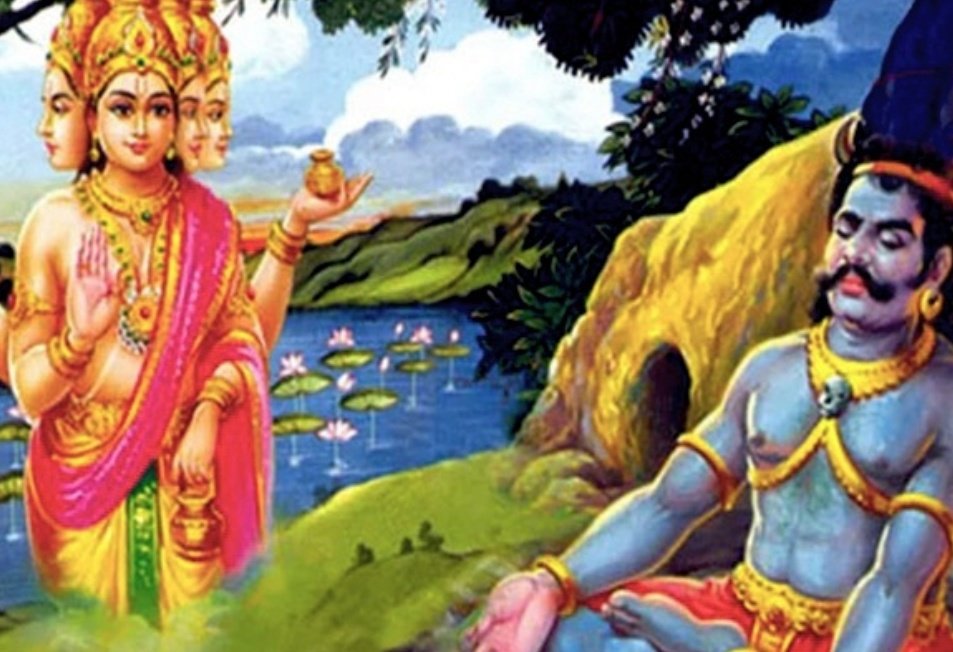
शमशान में जब महर्षि दधीचि के मांसपिंड का दाह संस्कार हो रहा था तो उनकी पत्नी अपने पति का वियोग सहन नहीं कर पायी और पास में ही स्थित विशाल पीपल वृक्ष के कोटर में अपने तीन वर्ष के बालक को रख के स्वयं चिता पे बैठ कर सती हो गयी ।इस प्रकार ऋषी दधीचि और उनकी पत्नी की मुक्ति हो गयी।


परन्तु पीपल के कोटर में रखा बालक भूख प्यास से तड़पने लगा। जब कुछ नहीं मिला तो वो कोटर में पड़े पीपल के गोदों (फल) को खाकर बड़ा होने लगा। कालान्तर में पीपल के फलों और पत्तों को खाकर बालक का जीवन किसी प्रकार सुरक्षित रहा।

एक दिन देवर्षि नारद वहां से गुजर रहे थे ।नारद ने पीपल के कोटर में बालक को देख कर उसका परिचय मांगा -
नारद बोले - बालक तुम कौन हो?
बालक - यही तो मैं भी जानना चहता हूँ ।
नारद - तुम्हारे जनक कौन हैं?
बालक - यही तो मैं भी जानना चाहता हूँ ।

तब नारद ने आँखें बन्द कर ध्यान लगाया ।


तत्पश्चात आश्चर्यचकित हो कर बालक को बताया कि 'हे बालक! तुम महान दानी महर्षि दधीचि के पुत्र हो । तुम्हारे पिता की अस्थियों का वज्रास्त्र बनाकर ही देवताओं ने असुरों पर विजय पायी थी।तुम्हारे पिता की मृत्यु मात्र 31 वर्ष की वय में ही हो गयी थी'।

बालक - मेरे पिता की अकाल मृत्यु का क्या कारण था?
नारद - तुम्हारे पिता पर शनिदेव की महादशा थी।
बालक - मेरे उपर आयी विपत्ति का कारण क्या था?
नारद - शनिदेव की महादशा।
इतना बताकर देवर्षि नारद ने पीपल के पत्तों और गोदों को खाकर बड़े हुए उस बालक का नाम पिप्पलाद रखा और उसे दीक्षित किया।
I just finished Eric Adler's The Battle of the Classics, and wanted to say something about Joel Christiansen's review linked below. I am not sure what motivates the review (I speculate a bit below), but it gives a very misleading impression of the book. 1/x


The meat of the criticism is that the history Adler gives is insufficiently critical. Adler describes a few figures who had a great influence on how the modern US university was formed. It's certainly critical: it focuses on the social Darwinism of these figures. 2/x

Other insinuations and suggestions in the review seem wildly off the mark, distorted, or inappropriate-- for example, that the book is clickbaity (it is scholarly) or conservative (hardly) or connected to the events at the Capitol (give me a break). 3/x

The core question: in what sense is classics inherently racist? Classics is old. On Adler's account, it begins in ancient Rome and is revived in the Renaissance. Slavery (Christiansen's primary concern) is also very old. Let's say classics is an education for slaveowners. 4/x

It's worth remembering that literacy itself is elite throughout most of this history. Literacy is, then, also the education of slaveowners. We can honor oral and musical traditions without denying that literacy is, generally, good. 5/x
This is NONSENSE. The people who take photos with their books on instagram are known to be voracious readers who graciously take time to review books and recommend them to their followers. Part of their medium is to take elaborate, beautiful photos of books. Die mad, Guardian.


THEY DO READ THEM, YOU JUDGY, RACOON-PICKED TRASH BIN


If you come for Bookstagram, i will fight you.

In appreciation, here are some of my favourite bookstagrams of my books: (photos by lit_nerd37, mybookacademy, bookswrotemystory, and scorpio_books)