Making the right decision at the right time is critical to success in life.

Here are 4 decision models used by 4 stalwarts - Jeff Bezos, Charlie Munger, Elon Musk and former US president Eisenhower.

A thread 🧵

1. Reversibility - Used by Jeff Bezos

Categorizes decisions based on whether they are reversible or irreversible

👉 Reversible - 2 way door: Can go back from decision with less/no cost
👉 Irreversible - 1 way door: If enter once, can't exit (Or the cost is very high)
👉 Reversible: decide quickly without perfect process. Dont take much time.
(This is not to be reckless though)

👉 Irreversible: Decide slowly and take as much information into account as possible
When Bezos was deciding to leave his job at DE Shaw to start Amazon, he thought that he could come back to job if Amazon doesn't work. So it was a reversible decision.

He decided to launch Amazon quickly. He got the first mover advantage and the rest is history!
2. Inversion - Charlie Munger

Instead of thinking what would make you successful, first see what would make you fail. Then remove those things.

If you are following a goal, first see what can kill it for you. Avoid that.

👉 Avoiding stupidity comes before seeking Brilliance
He said, "I invert all the time"
He was a weather forecaster when I was in the Air Corps. Instead of thinking of all possible uses of his maps, he questioned how could he kill all the pilots (Pilots used his maps the most).

Then he just avoided those hazards
Examples of using inversion:

👉 Exams- What would make me fail this exam?
👉 Trading- How do I blow up my account?

"All I want to know is where I am going to die, so I'll never go there" - Warren Buffett
3. First principles thinking - Elon Musk

To solve a problem creatively, instead of building on the mainstay thinking, start from the fundamentals.

This is an extension of the scientific method. Take only the fundamental truths and then question everything else (Eg. follows)
Battery for Tesla:

Battery packs were expensive - > $600 per kWh
-What are their material constituents?
-What is their bulk market price?
It’s got cobalt, nickel, aluminum, carbon etc. Price on London Metal Exchange was $80 per kWh.
This fundamentally changed the business
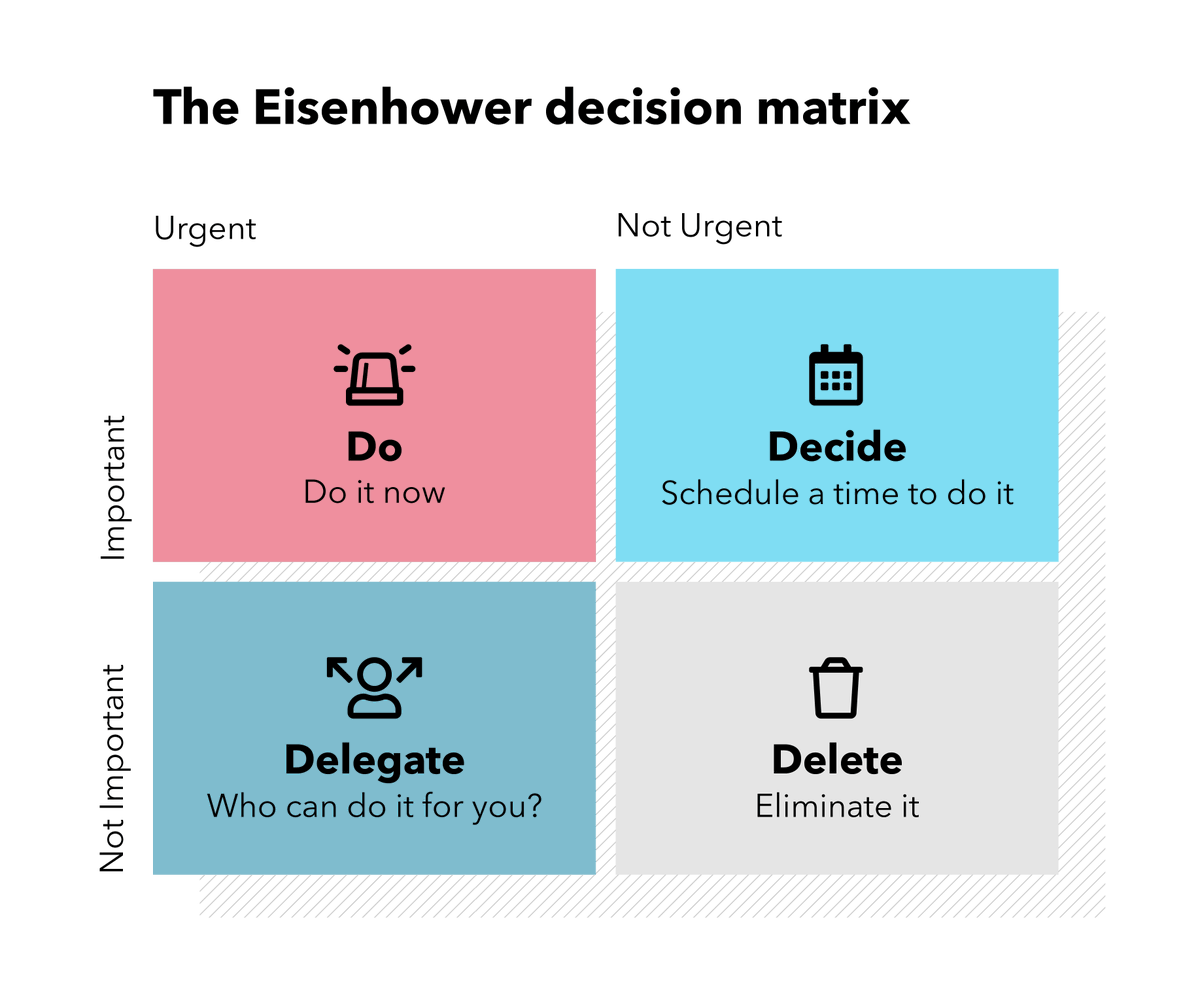
4.Eisenhower box - for prioritizing

👉Categorize decisions on Important vs Urgent matrix

- Urgent and important - Do
- Important but not urgent - Schedule for later
- Not important but urgent - Delegate/Outsource
- Don't waste time on not urgent and unimportant
Not all are born good decision makers. Such frameworks can help us in making better decisions.

Follow me @divyamittal_IAS for more of these https://t.co/yghtz93n3f

More from Divya Mittal

Many people ask me how I am able to multi-task! The answer is Technology!

10 amazing tools/sites you should start using today:

Retweet for maximum reach

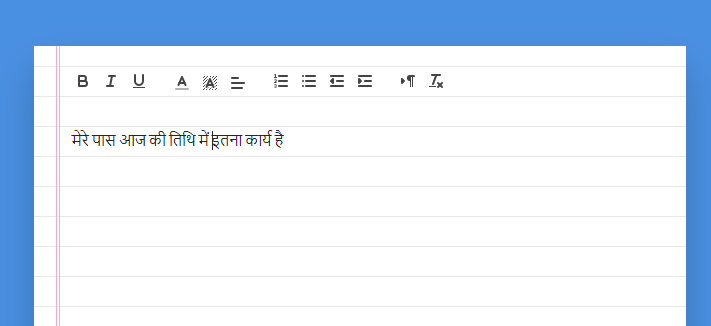
1. Dictation. io

Dictate your emails and documents in Google Chrome in English, Hindi, Marathi, Gujarati etc. Made in India!

No need to type anything! Just speak and you are done!! Saves lot of time every day.

https://t.co/AVlHj82OR0


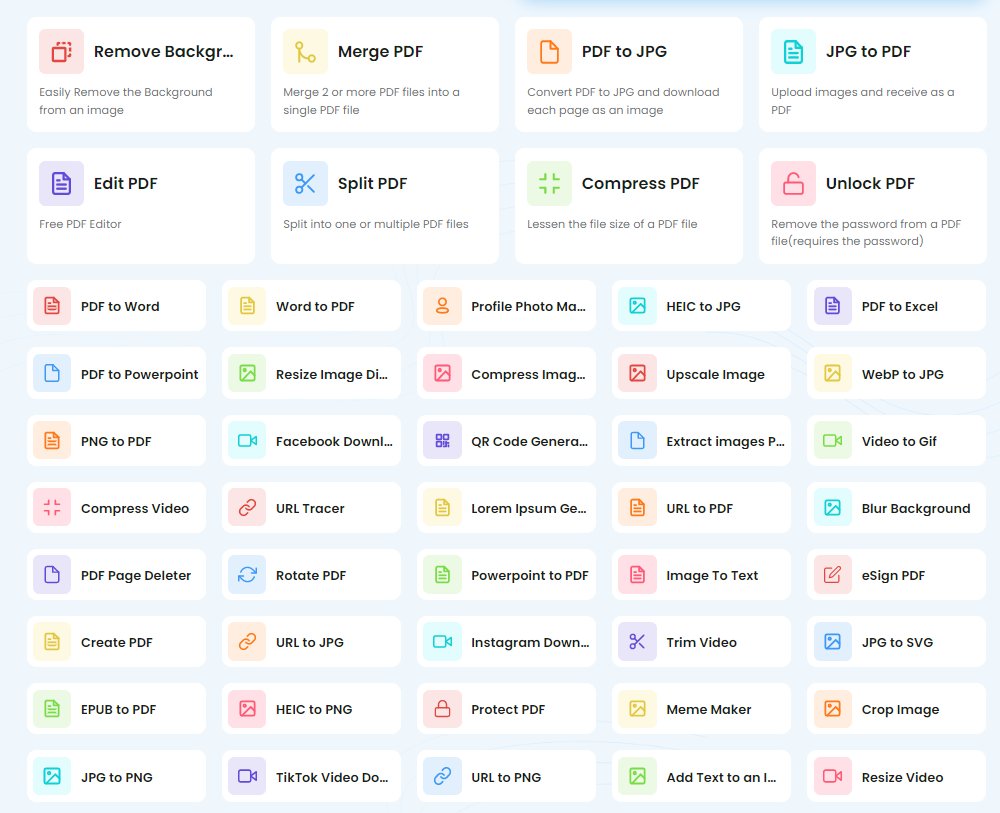
2. Tiny Wow

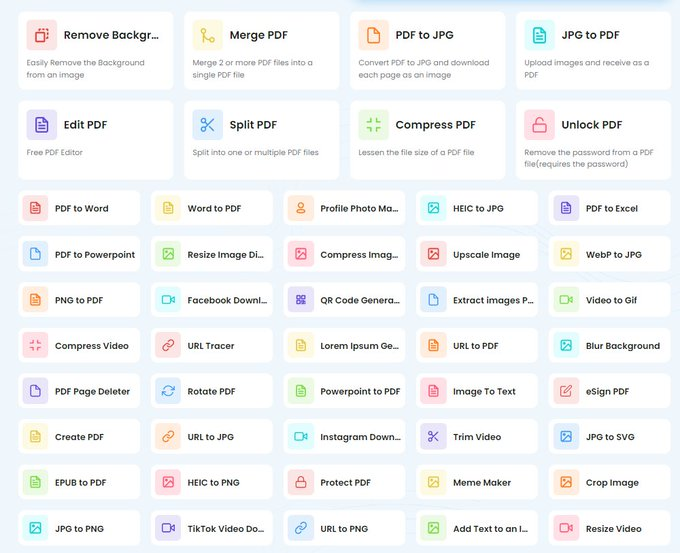
Edit photos, pdf files and convert formats etc

Moreover, Tiny Wow offers 32 online tools to process PDF: edit, split, merge, compress, and much more.

https://t.co/0oTPNu3kCQ


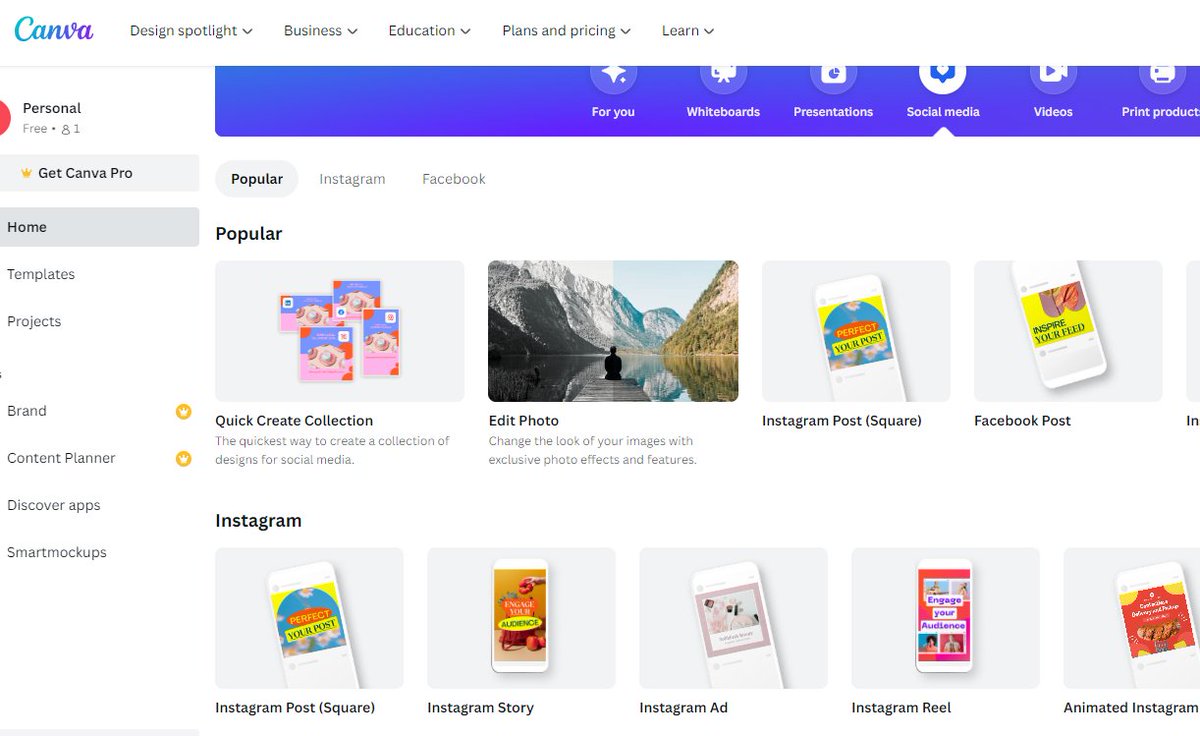
3. Canva

@canva is an easy-to-use graphic design tool. Choose from hundreds of beautiful templates and designs!

https://t.co/WKEQrCF5J9


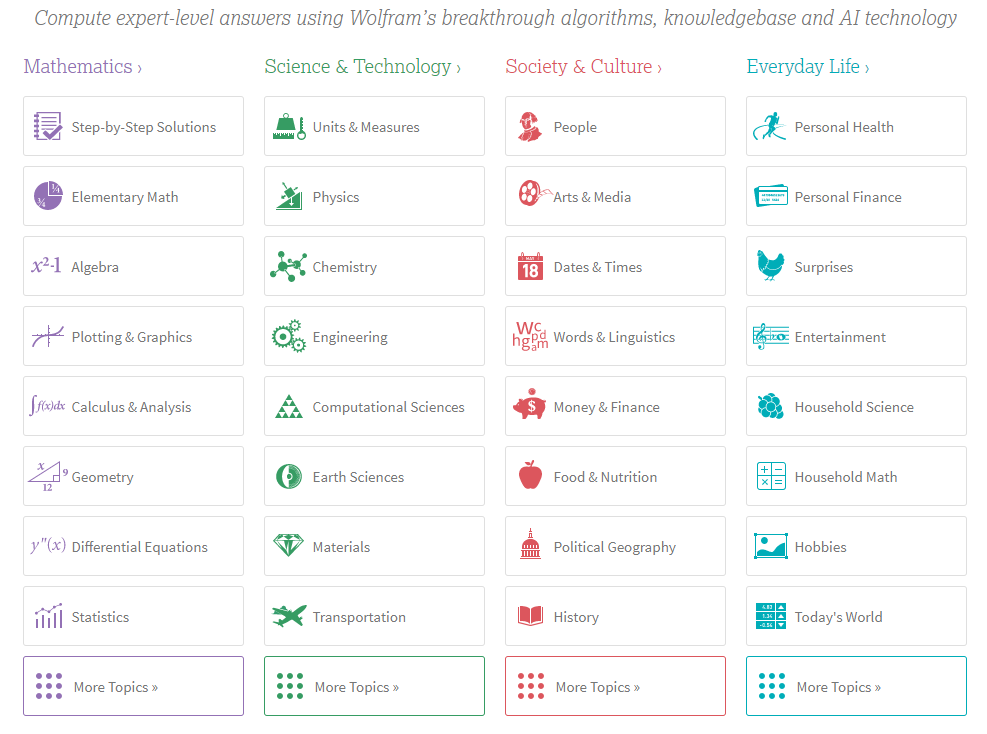
4. WolframAlpha

Ever got stuck in Maths - Step by step solutions to Algebra, Plotting functions etc; Chemistry, Physics!! There are loads of other tools as well on finance, geography etc! Just super amazing tool it is @Wolfram_Alpha

https://t.co/YwrIgaHXOr

More from All

How can we use language supervision to learn better visual representations for robotics?

Introducing Voltron: Language-Driven Representation Learning for Robotics!

Paper: https://t.co/gIsRPtSjKz
Models: https://t.co/NOB3cpATYG
Evaluation: https://t.co/aOzQu95J8z

🧵👇(1 / 12)


Videos of humans performing everyday tasks (Something-Something-v2, Ego4D) offer a rich and diverse resource for learning representations for robotic manipulation.

Yet, an underused part of these datasets are the rich, natural language annotations accompanying each video. (2/12)

The Voltron framework offers a simple way to use language supervision to shape representation learning, building off of prior work in representations for robotics like MVP (
https://t.co/Pb0mk9hb4i) and R3M (https://t.co/o2Fkc3fP0e).

The secret is *balance* (3/12)

Starting with a masked autoencoder over frames from these video clips, make a choice:

1) Condition on language and improve our ability to reconstruct the scene.

2) Generate language given the visual representation and improve our ability to describe what's happening. (4/12)

By trading off *conditioning* and *generation* we show that we can learn 1) better representations than prior methods, and 2) explicitly shape the balance of low and high-level features captured.

Why is the ability to shape this balance important? (5/12)

You May Also Like