In regards to the #CapitolCoup, I’m in a unique position. I monitored forums ahead of time and then was present for the coup itself.
These are my observations based on what I saw and the evidence that’s been collected so far. I reserve the right to adjust my analysis as needed.
Let’s talk about the organization of the coup first. Seeing some people insist that the coup must have been highly planned and coordinated.
Yes and no. This was a #StochasticCoup. We’ll see little evidence of direct communication between Trump and the insurrectionists.
Within the insurrectionists, there was not one group that executed the storming of the Capitol.
Rather, there were a number of smaller groups working independently towards the same goal. I expect you’ll see little evidence that these various groups communicated with each other.
What you will see is detailed planning and coordination within these small groups.
Then there were the joyriders, those Trump supporters who weren’t directly involved in any plotting but who were more than happy to go along for the ride once the coup was in motion.
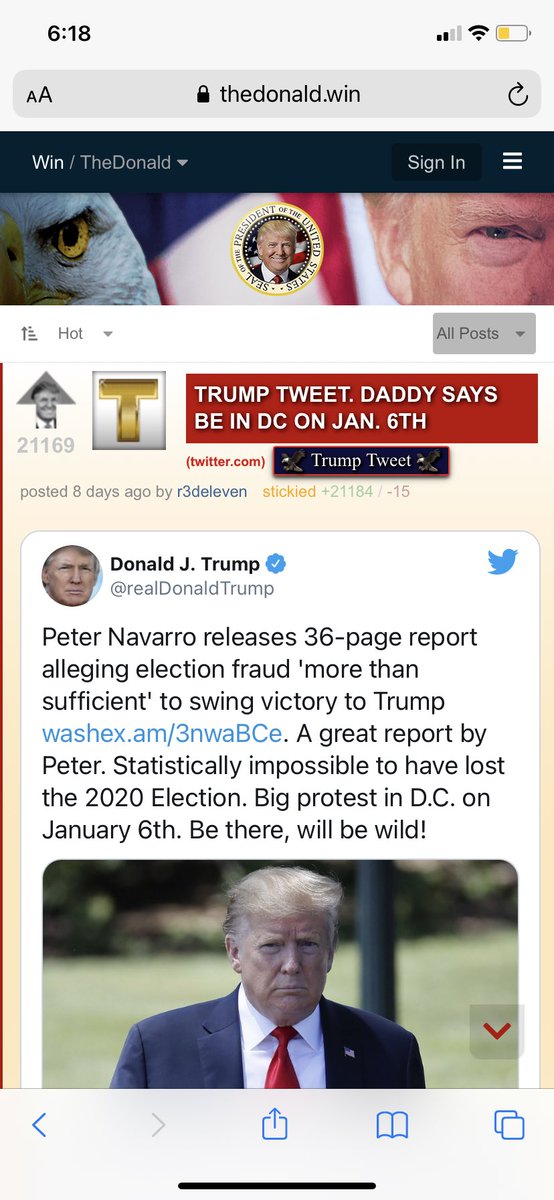
After four years, the insurrectionists were carefully attuned to Trump’s messaging.
Every tweet and statement of his was treated as marching orders and carefully dissected for meaning.
It’s why shutting down Trump’s Twitter account was so important.