I’ve done it before, most people do it. It’s a common fault of trading.
Do you hop from strategy to strategy?
Can’t find consistent results?
Here's a step by step plan to fix that
👇👇👇
I’ve done it before, most people do it. It’s a common fault of trading.
What do I mean by works?🧐
I mean something that has been PROVEN and BACKTESTED to be profitable✅
What’s the average risk/reward ratio?
If there’s no way to define those numbers, you are gambling 🎲
You first need to understand YOUR style of trading. Are you able to hold onto positions for a long time? Or do you prefer getting in and out within minutes?
Are you able to take some drawdown while in your trades? Or you like to be in profit instantly?
Successful traders don’t use multiple strategies. They focus on one strategy/setup that works for them.
Use the answers from Step 1 to pick your style (Scalping, swing trading, futures, options, etc.)👇
For this step you will need to pick your strategy. How will you get in? How will you get out?
Do you use indicators? Look at order flow? Options flow? Supply/Demand?
Find your strategy and create a specific set of rules as to how it operates.
If you need help finding a strategy, check the pinned tweet to my profile. It’s the strategy that’s allowed me to trade full time for the past 3 years 💸
This is the time where you see if your strategy works. Win rate? R/R?
The most important part is seeing if your strategy is PROFITABLE in the long run
If your strategy is profitable, then trade it! ONLY trade that one setup and watch the results come in over time ⏳
If your strategy isn’t profitable… repeat step 3.
OR… 👇
More from FT Trading┃Stock Trader


Trading is about mastering ONE setup
And I'm giving you the one that turned me into a profitable trader FREE...
Take 2 mins out of your day to learn my EXACT setup:🧵
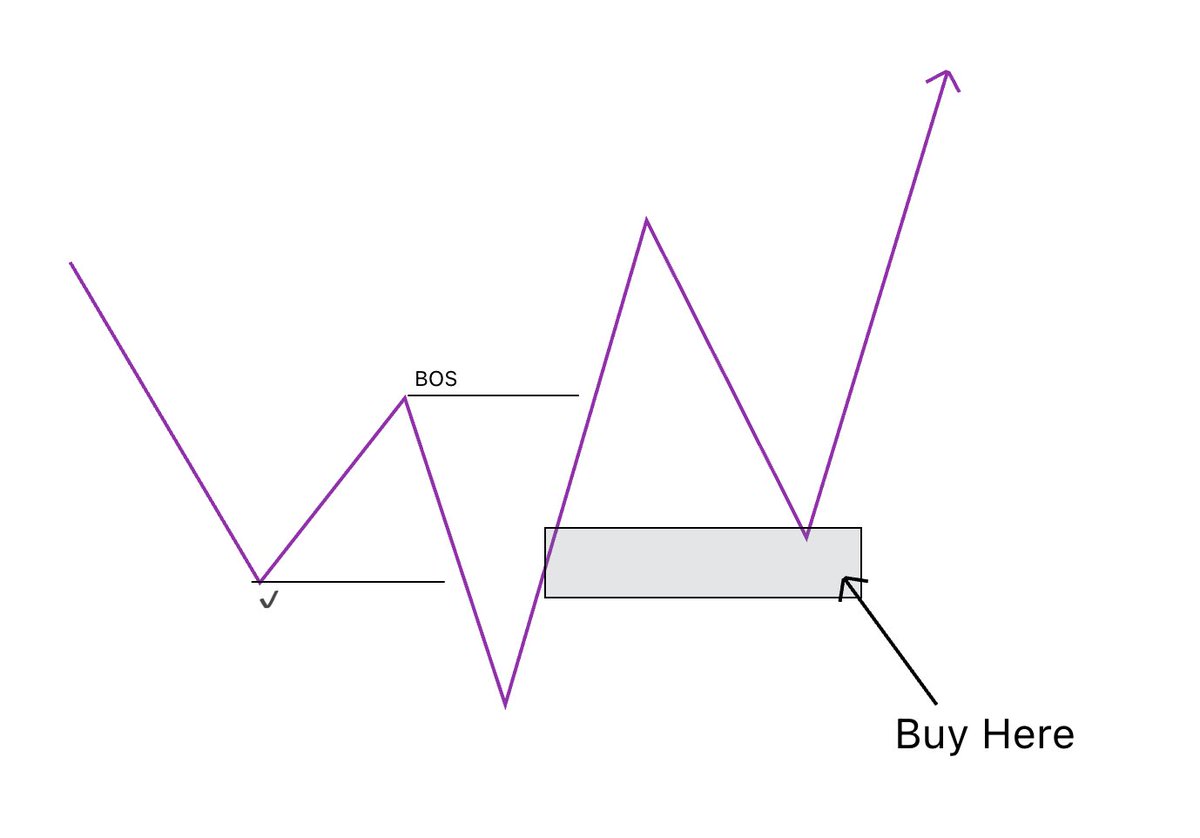
This setup is involves a few elements but is mainly comprised of the idea "change in trend"
I'm simply waiting for confirmation of a trend change and then taking advantage of it
Here's the breakdown:
First, I need to identify trend.
This step is simple. Is price making higher highs? Higher lows?
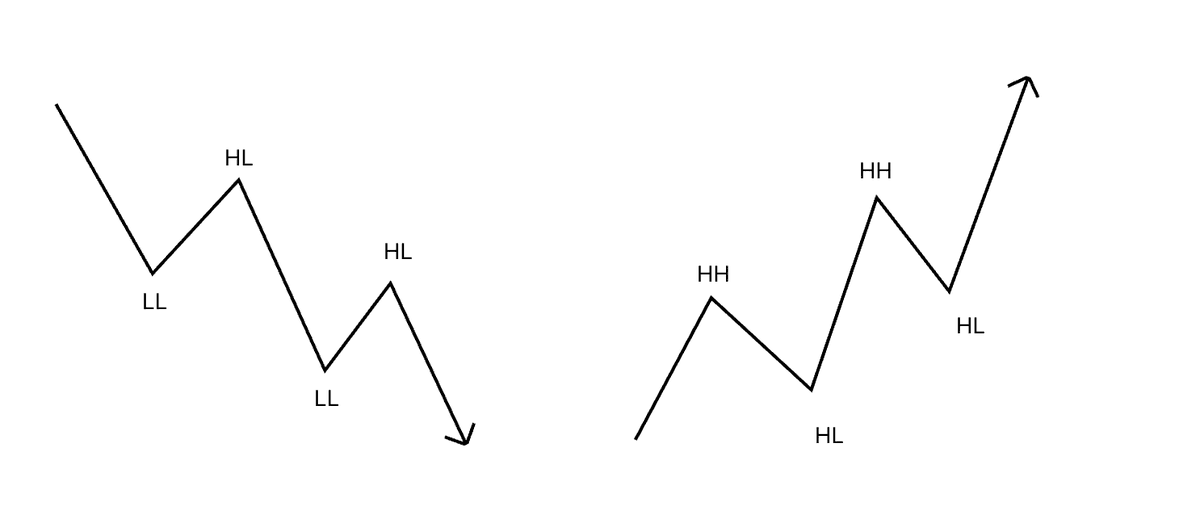
Once trend is established, I wait to see a CHANGE IN TREND
For example, in a downtrend I may see a higher high form.
That's the first sign of a change in trend
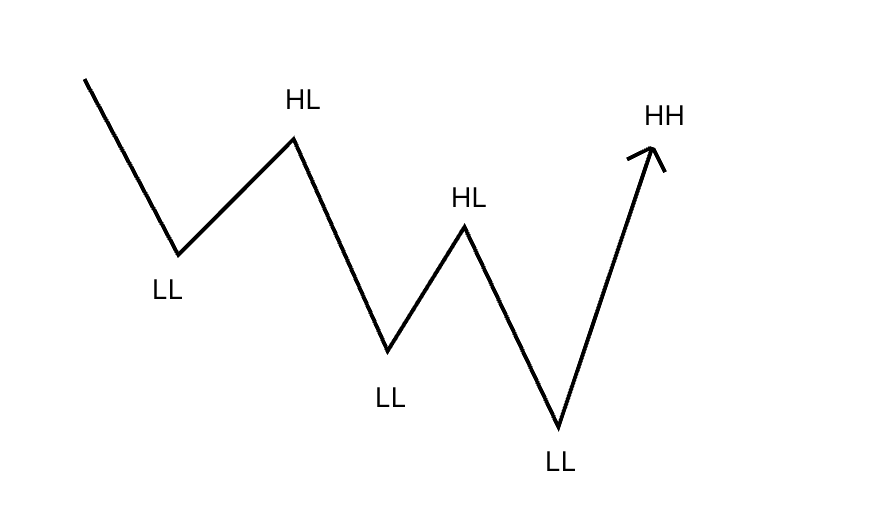
Price was able to break the structure of the previous higher low.
Indicating the first sign of a trend change.
If you don't know how to identify a break of structure, read this (after finishing this
And I'm giving you the one that turned me into a profitable trader FREE...
Take 2 mins out of your day to learn my EXACT setup:🧵
This setup is involves a few elements but is mainly comprised of the idea "change in trend"
I'm simply waiting for confirmation of a trend change and then taking advantage of it
Here's the breakdown:
First, I need to identify trend.
This step is simple. Is price making higher highs? Higher lows?
Once trend is established, I wait to see a CHANGE IN TREND
For example, in a downtrend I may see a higher high form.
That's the first sign of a change in trend
Price was able to break the structure of the previous higher low.
Indicating the first sign of a trend change.
If you don't know how to identify a break of structure, read this (after finishing this
Adding market structure to your trading could literally turn you into a $10k/month trader
— Jordan F\u2503Stock Trader (@FT__Trading) June 9, 2022
But learning what a real structure break is can take months...
So here's a thread on how to identify a break of structure:\U0001f447 pic.twitter.com/4J1ywQK1FO
More from All













You May Also Like

"I lied about my basic beliefs in order to keep a prestigious job. Now that it will be zero-cost to me, I have a few things to say."
We know that elite institutions like the one Flier was in (partial) charge of rely on irrelevant status markers like private school education, whiteness, legacy, and ability to charm an old white guy at an interview.
Harvard's discriminatory policies are becoming increasingly well known, across the political spectrum (see, e.g., the recent lawsuit on discrimination against East Asian applications.)
It's refreshing to hear a senior administrator admits to personally opposing policies that attempt to remedy these basic flaws. These are flaws that harm his institution's ability to do cutting-edge research and to serve the public.
Harvard is being eclipsed by institutions that have different ideas about how to run a 21st Century institution. Stanford, for one; the UC system; the "public Ivys".
As a dean of a major academic institution, I could not have said this. But I will now. Requiring such statements in applications for appointments and promotions is an affront to academic freedom, and diminishes the true value of diversity, equity of inclusion by trivializing it. https://t.co/NfcI5VLODi
— Jeffrey Flier (@jflier) November 10, 2018
We know that elite institutions like the one Flier was in (partial) charge of rely on irrelevant status markers like private school education, whiteness, legacy, and ability to charm an old white guy at an interview.
Harvard's discriminatory policies are becoming increasingly well known, across the political spectrum (see, e.g., the recent lawsuit on discrimination against East Asian applications.)
It's refreshing to hear a senior administrator admits to personally opposing policies that attempt to remedy these basic flaws. These are flaws that harm his institution's ability to do cutting-edge research and to serve the public.
Harvard is being eclipsed by institutions that have different ideas about how to run a 21st Century institution. Stanford, for one; the UC system; the "public Ivys".