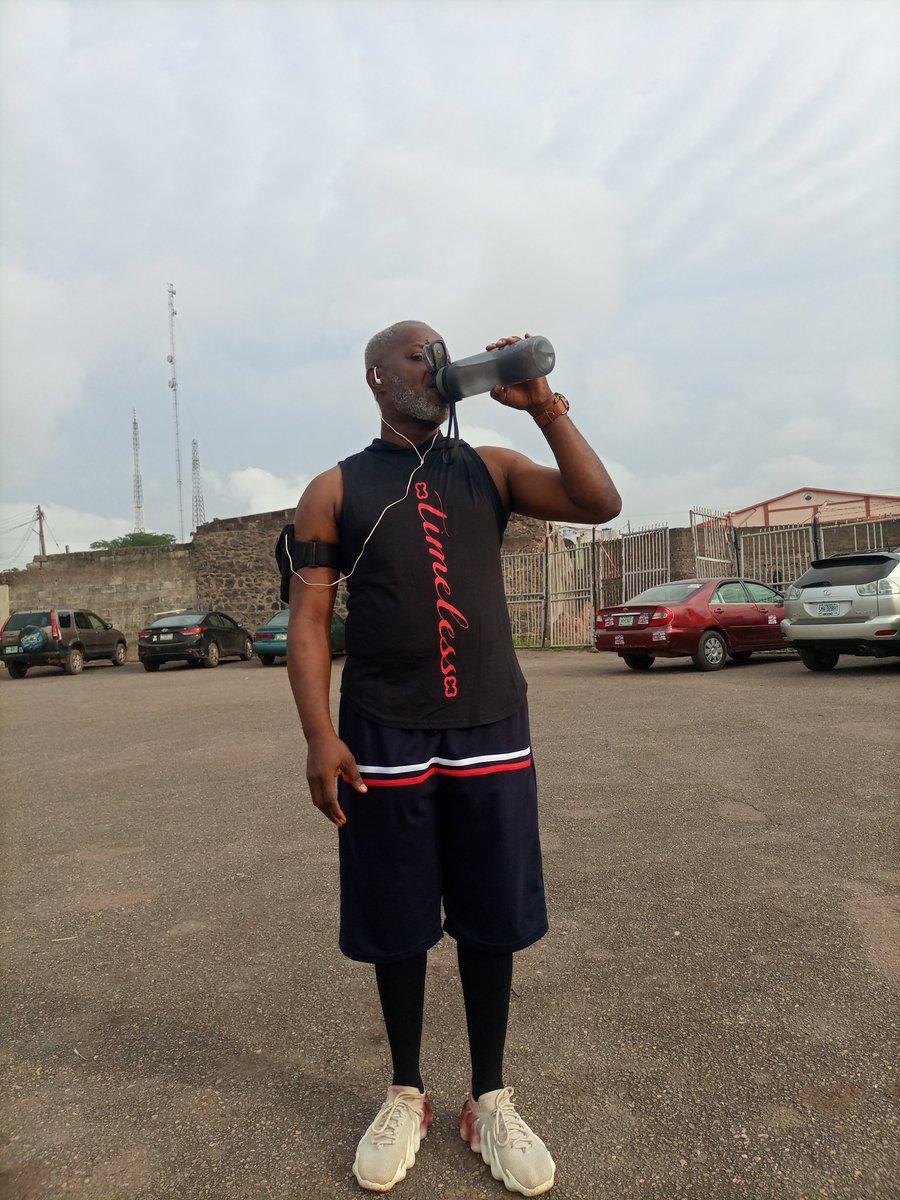
Personal Prayer Walk Chronicles, 11th March, 2023...
I REALLY HAVE A ?? this mornin
Anyways, Woke up this mornin with so much energy(glory to God), at a time, I was considering walking from ABEOKUTA- Ibadan just to show that my frenemy, Pst. @Abel2goupOla that I was fitter.. 😂
Anyways, I set out early praying in tongues, which is my usual practice, but, midway, I decided to listen to one of the audio messages on my phone. The lot fell on Pst. E.A. Adeboye's message, titled, "THE CREATIVE POWER OF GOD'S WORD"
His Word can CREATE, CALL FORTH, CANCEL,
OBTAIN etc. It can serve in every capacity and can do all things, even d imagined stuffs can b brought to manifestation.
📌
Making time to study His Word is really underrated. Many today just glance thru & rush off. This will not help. We must make time in d midst of no time.
📌
Now, indulge me to ask you these simple questions.
📍
When was the last time you came to the altar of Prayer, just to guage your relationship with God?
Have you noticed or observed that, We monitor almost everything in our lives?
From the petrol in our car to that in our generators.
We monitor the money in our banks as well as that in our pocket....
#We monitor our performances at work and those of our subordinates...
#We monitor our health,